Sahara Desert in Egypt: Best Places to Visit & Safari Guide

Sahara Desert in Egypt: Best Places to Visit & Safari Guide

Mention Egypt and most people immediately picture the Nile, pyramids and temples.

But move west of the Nile and another Egypt begins.

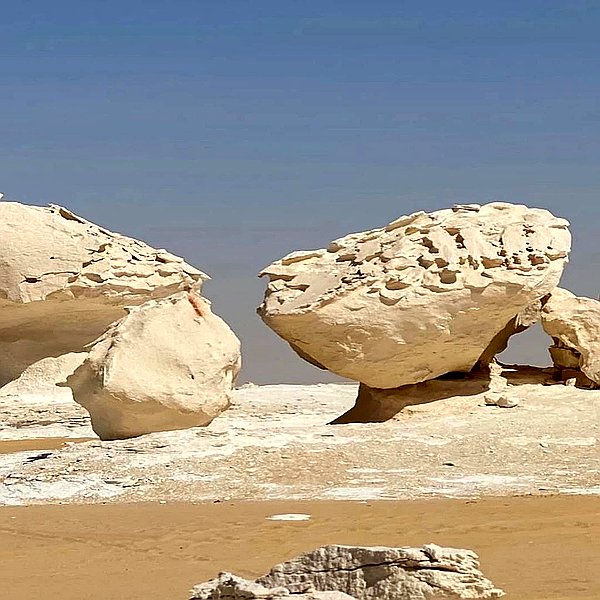
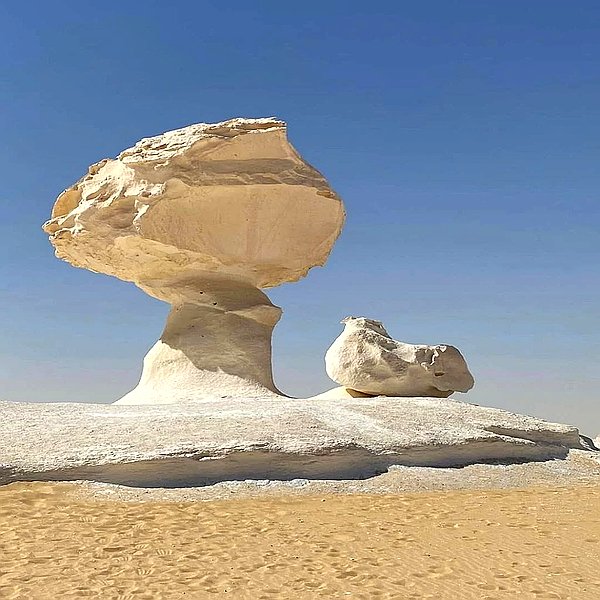
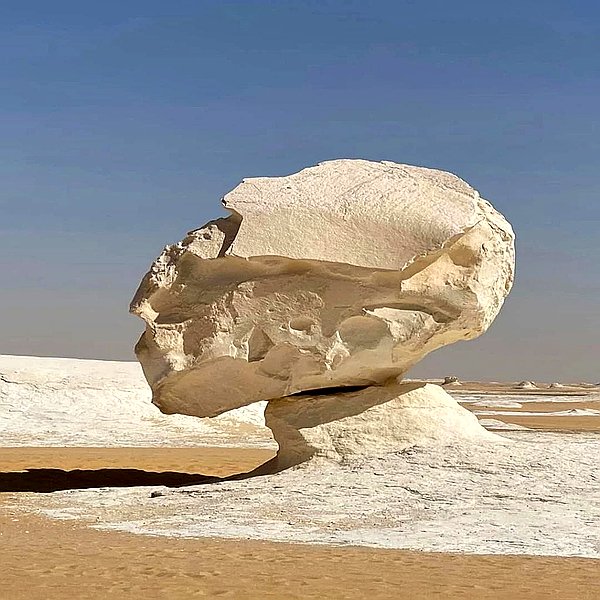
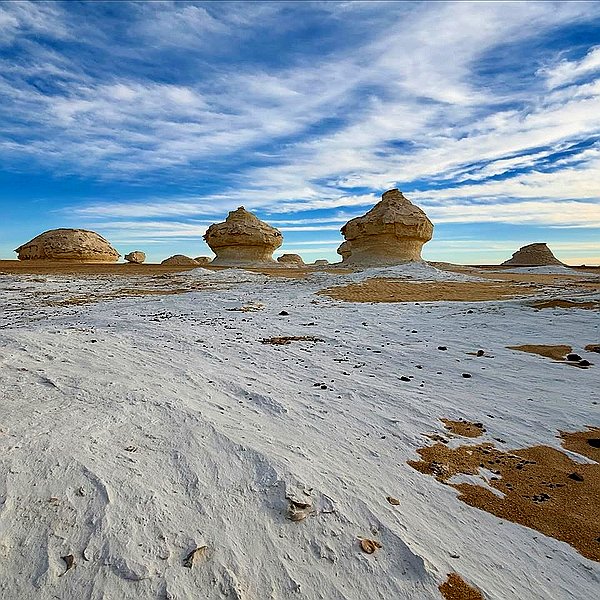
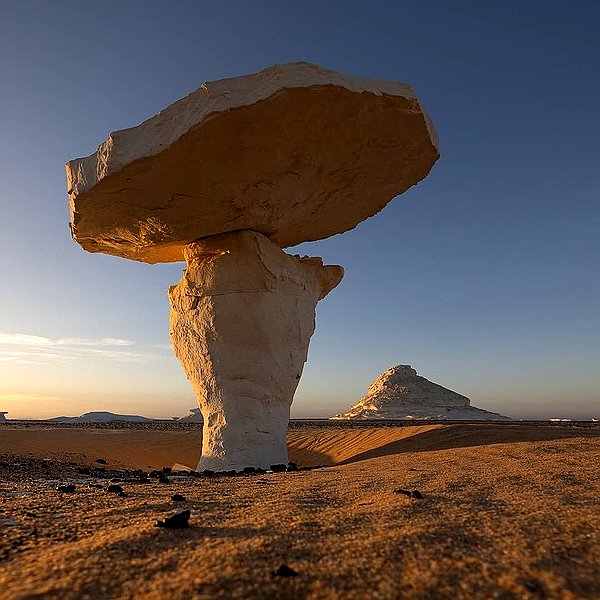
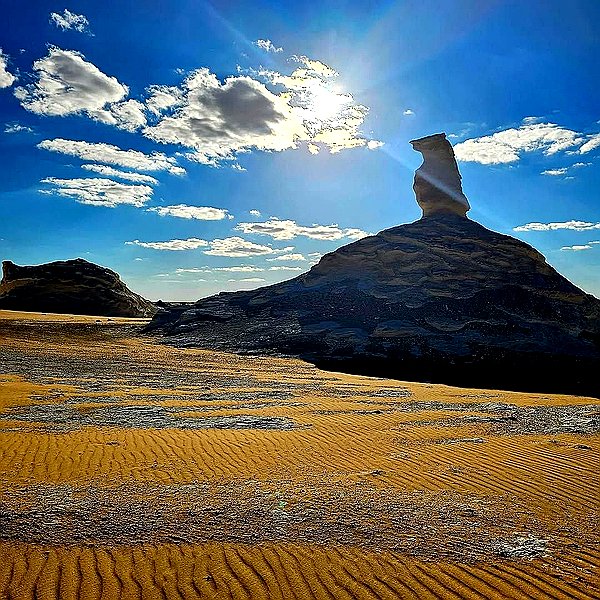
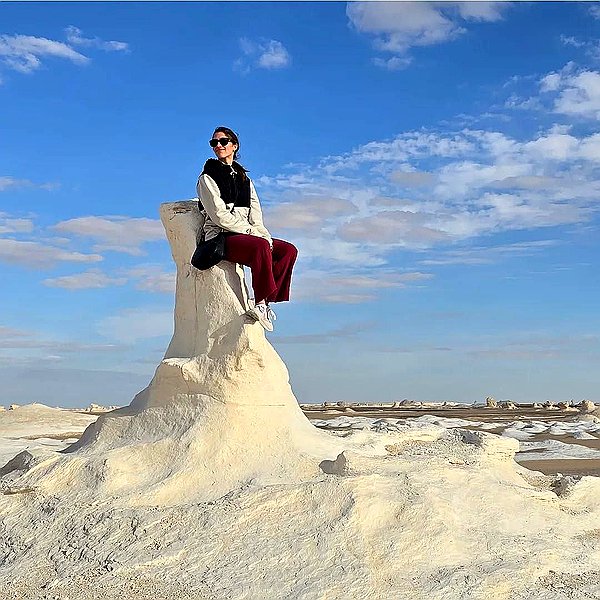
White chalk formations rise from orange sand.

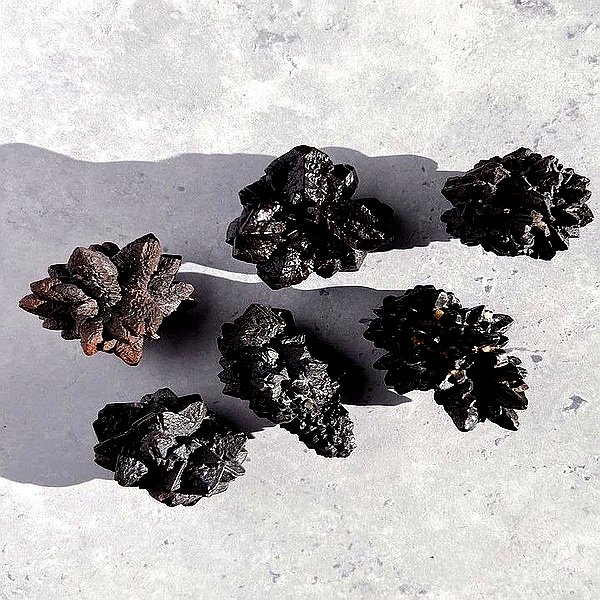
Black volcanic-looking hills cover the horizon.

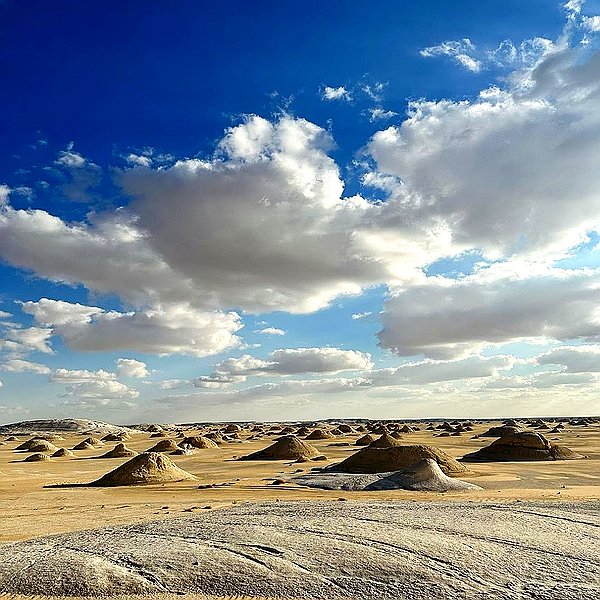
Enormous dunes form seas of sand.

Palm-filled oases appear in depressions that seem impossibly remote.

Ancient caravan routes cross landscapes once inhabited by prehistoric communities.

And after sunset, some of the darkest skies in the country replace Cairo’s city lights.

This is the Sahara Desert in Egypt.

More specifically, most classic Egyptian Sahara experiences take place in the country’s enormous Western Desert, the vast region between the Nile Valley and Libya.

Egypt’s State Information Service says the Western Desert covers roughly 680,650 square kilometers, about 68% of Egypt’s land area, stretching from the Nile Valley to Libya and from the Mediterranean south to the Sudanese border.

Within this enormous region are some of Egypt’s most extraordinary destinations:

  • White Desert
  • Black Desert
  • Bahariya Oasis
  • Farafra Oasis
  • Great Sand Sea
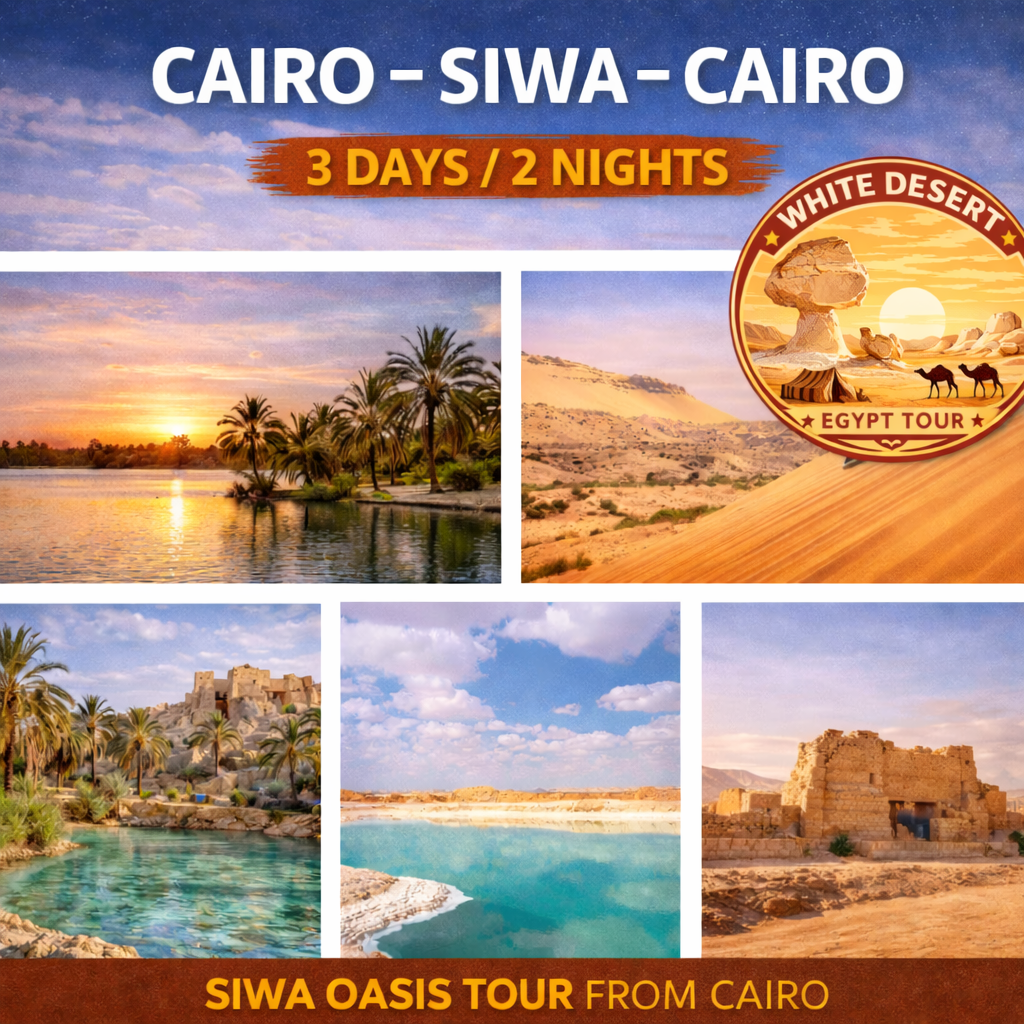
  • Siwa Oasis
  • Fayoum
  • Dakhla Oasis
  • Kharga Oasis
  • Djara Cave
  • Valley of Agabat
  • Crystal Mountain

They are all desert destinations.

But they are not remotely the same experience.

A traveler who wants giant dunes should not choose the same itinerary as someone who wants bizarre chalk formations.

A family looking for an easy day trip from Cairo should not plan the same journey as someone wanting a week-long Western Desert expedition.

And someone who wants oasis culture and a proper hotel each night may prefer Siwa over remote camping in the White Desert.

This complete guide explains where the Sahara is in Egypt, the best places to experience it, how long you need, which desert is best from Cairo, when to travel, what activities are available and how to choose the right Sahara itinerary.

Is There a Sahara Desert in Egypt?

Yes.

A large part of Egypt forms the northeastern section of the Sahara desert system.

For travelers, the most important region is the Western Desert, located west of the Nile Valley.

Egyptian geography is commonly divided into four major physical regions:

  • Nile Valley and Delta
  • Western Desert
  • Eastern Desert
  • Sinai Peninsula

Britannica describes the Western Desert as lying between the Nile and Libya, while the Eastern Desert lies between the Nile and the Red Sea.

The Western Desert is where you find most of the landscapes tourists associate with an Egyptian Sahara adventure:

  • Massive sand dunes
  • Remote plateaus
  • Oases
  • White chalk formations
  • Black hills
  • Salt lakes
  • Springs
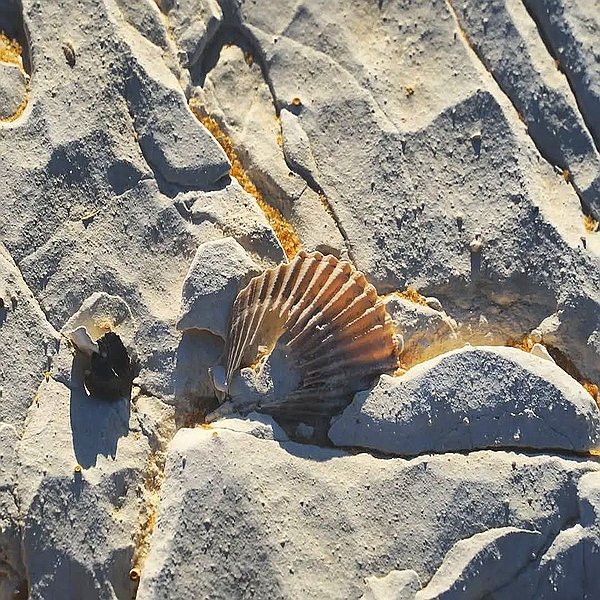
  • Fossil landscapes
  • Desert camps

So when travelers search for the Sahara Desert in Egypt, the Western Desert is usually the region they are looking for.

Is the Entire Egyptian Desert Part of the Sahara?

Not in the way travelers usually use the term.

Egypt contains several distinct desert regions.

Western Desert

This is the main Egyptian Sahara region and the focus of this guide.

It contains:

  • Siwa
  • Bahariya
  • Farafra
  • Dakhla
  • Kharga
  • White Desert
  • Great Sand Sea

Eastern Desert

Located between the Nile and Red Sea.

Its landscape is generally more mountainous and crossed by wadis.

It offers a very different experience from the Western Desert.

Sinai

Sinai is geographically part of Asia rather than Africa and is usually treated as a distinct desert and mountain region rather than part of the Sahara proper. Britannica describes Sinai separately from Egypt’s Western and Eastern deserts.

So if you want the classic Egyptian Sahara, look west.

What Does the Sahara in Egypt Actually Look Like?

This is where Egypt surprises people.

The Sahara is not one endless field of golden dunes.

Some parts are sandy.

Others are almost entirely rock.

Some are white.

Some are dark brown or black.

Some contain palm forests and springs.

Others are almost completely barren.

You can move through:

green oasis → black hills → crystal formations → golden dunes → white chalk wilderness

in one journey.

That diversity is one reason Egypt is such an interesting Sahara destination.

The Best Places to Experience the Sahara Desert in Egypt

If this is your first desert trip, these are the destinations worth understanding.

1. White Desert — Best Overall Sahara Experience in Egypt

If you can visit only one desert landscape in Egypt, the White Desert is our strongest recommendation.

It is one of the most unusual landscapes in the Sahara.

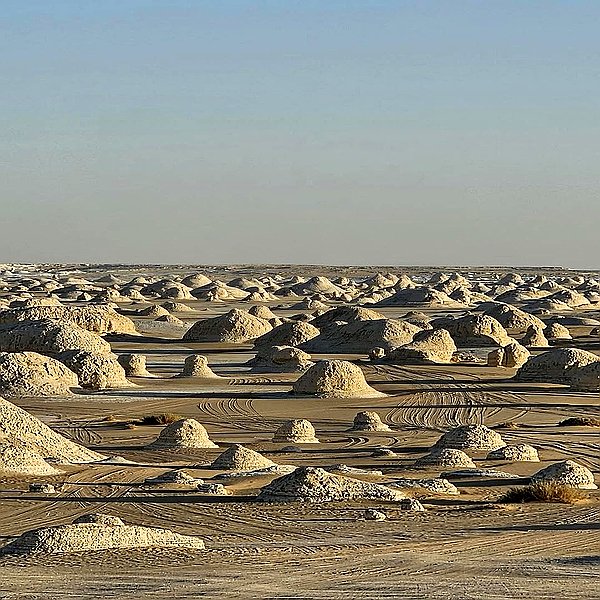
Instead of endless brown rock or sand, the ground is filled with brilliant pale chalk formations sculpted by erosion.

Some resemble:

  • Mushrooms
  • Towers
  • Domes
  • Animals
  • Giant abstract sculptures

The result can look almost extraterrestrial.

Egypt’s official tourism platform identifies the White and Black Deserts as signature natural attractions reached through the Bahariya and Farafra region.

The White Desert is especially good for:

  • First desert safari
  • Camping
  • Photography
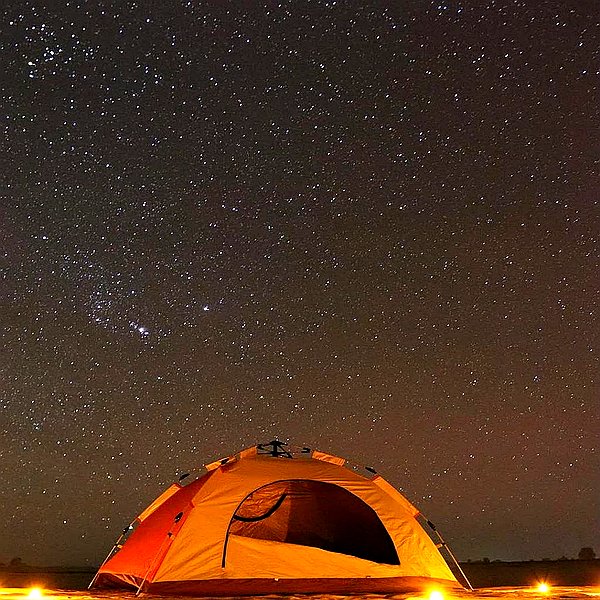
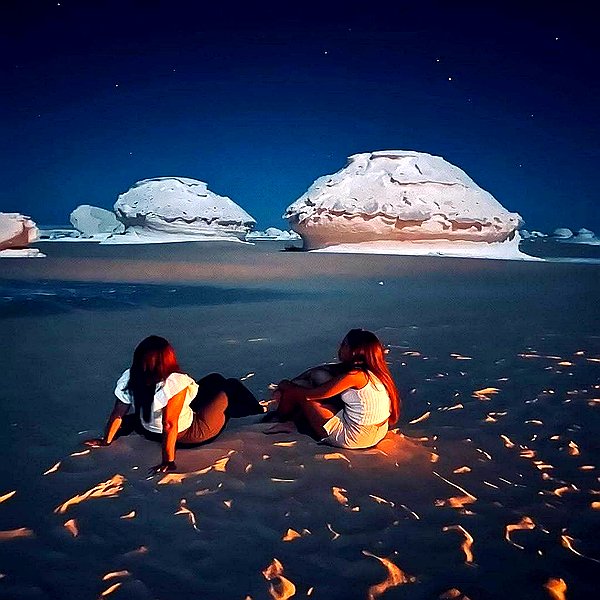
  • Stargazing
  • Couples
  • Families with adventurous children
  • Geological travel
  • Short trips from Cairo

Read our complete White Desert Egypt Guide before visiting.

What Do You See on a White Desert Safari?

Most trips combine the White Desert with several other Western Desert attractions.

These commonly include:

  • Bahariya Oasis
  • Black Desert
  • El Haize
  • Crystal Mountain
  • Valley of Agabat
  • Sand dunes
  • White Desert formations

That gives you far more variety than simply driving directly to one attraction.

For a first visit, the classic option is the White Desert Tour From Cairo.

Is One Day Enough for the White Desert?

From Cairo, we generally recommend staying overnight.

A same-day itinerary creates a very long journey and removes some of the best experiences:

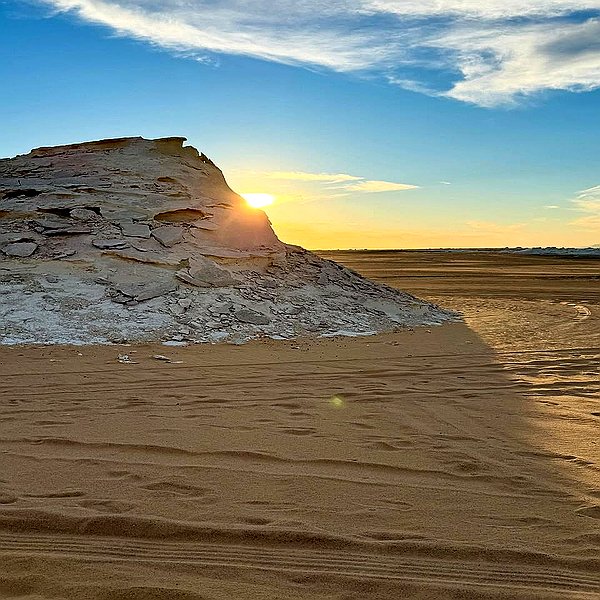
  • Sunset
  • Camping
  • Stargazing
  • Sunrise

If time is extremely limited, read our White Desert Day Trip From Cairo before deciding.

For most travelers:

2 days / 1 night = ideal first experience.

2. Black Desert — Best Geological Contrast

The Black Desert is commonly paired with the White Desert.

Its dark hills create one of the strongest visual contrasts in Egypt’s Western Desert.

Drive through the region and the landscape changes from:

golden ground and dark hills

to

pale chalk and white formations.

Official tourism information describes Bahariya as the gateway to both the Black and White Deserts.

The Black Desert is ideal for travelers interested in:

  • Geology
  • Landscape photography
  • Scenic 4×4 routes
  • Multi-landscape safari itineraries

Read our Black Desert Egypt Guide for the full story.

Can You Visit the Black Desert Without the White Desert?

Yes.

But for most first-time travelers, combining them makes much more sense.

They lie on a natural safari route through the Bahariya–Farafra region and their contrast is part of what makes the journey interesting.

A trip containing both feels much more varied than visiting either landscape in isolation.

3. Bahariya Oasis — Best Gateway From Cairo

Bahariya is one of the most important starting points for Western Desert exploration.

Official Egyptian tourism information places it about 370 km southwest of Cairo and describes it as the closest major Western Desert oasis to the capital.

This makes Bahariya the primary gateway for trips to:

  • White Desert
  • Black Desert
  • Crystal Mountain
  • Valley of Agabat
  • Farafra region

But Bahariya is more than a transport stop.

The oasis itself includes:

  • Palm groves
  • Agricultural areas
  • Hot and cold springs
  • Archaeological sites
  • Views across the desert

Experience Egypt also highlights the Valley of the Golden Mummies and local fossil discoveries as part of Bahariya’s appeal.

Read our Bahariya Oasis Egypt Guide before treating the oasis simply as a place to change vehicles.

Bahariya for Hot Springs

After a desert journey, water becomes surprisingly exciting.

Bahariya contains natural springs that have long been part of oasis life.

Official tourism material specifically recommends exploring the natural hot and cold springs in and around the oasis.

See our Bahariya Oasis Hot Springs guide for more detail.

4. Valley of Agabat — Best Dramatic Desert Valley

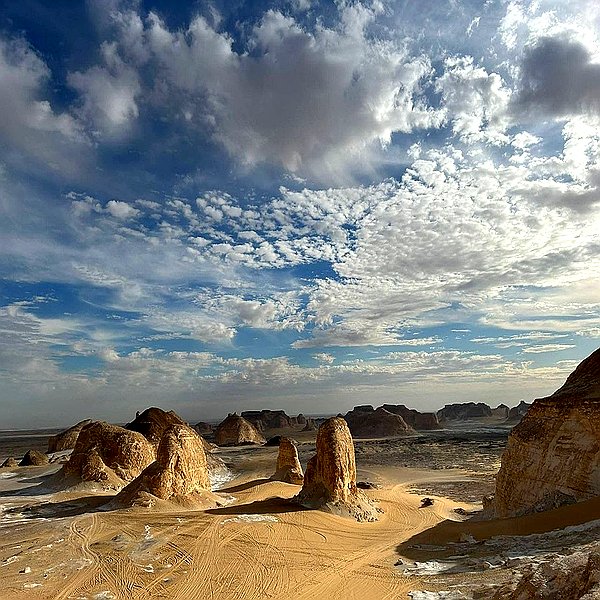
The Valley of Agabat is one of the visual highlights between Bahariya and the White Desert.

Expect:

  • Golden sand
  • Pale cliffs
  • Large eroded formations
  • Open views
  • Soft dune landscapes

Experience Egypt describes Aqabat Valley as famous for its golden sand, dunes and signature white cliffs.

The landscape feels much larger and more cinematic than its photographs suggest.

Read our Valley of Agabat Egypt Guide before visiting.

Is Agabat Part of the White Desert?

It belongs to the broader Farafra and White Desert safari landscape, although travelers should not think of every named attraction in the region as one single geological site.

Most tours combine Agabat with:

  • Crystal Mountain
  • White Desert
  • Black Desert

which is why visitors often associate them closely.

5. Crystal Mountain — Best Quick Geological Stop

Crystal Mountain is another signature stop on the standard Western Desert safari route.

Despite the name, do not imagine a giant mountain made from perfect transparent crystals.

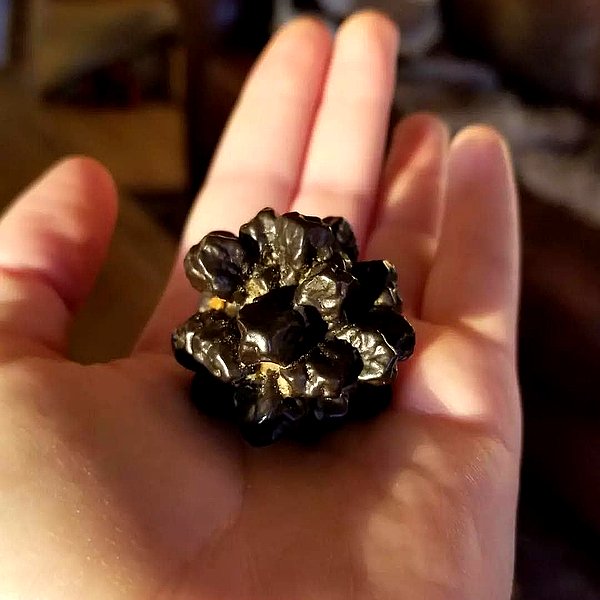
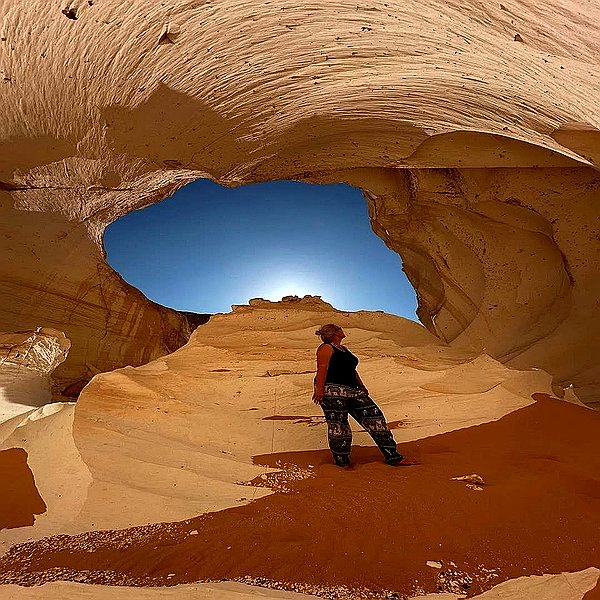
It is a geological feature with exposed crystalline material and an iconic natural arch.

Official tourism information lists Crystal Mountain among the main natural highlights around Farafra and the White Desert.

For geology lovers, combine it with:

  • White Desert
  • Black Desert
  • Agabat

Read our Crystal Mountain Egypt guide for more detail.

6. Farafra Oasis — Best Quiet Oasis Near the White Desert

Farafra receives far less tourism attention than Siwa.

That is part of its appeal.

Experience Egypt describes Farafra as an oasis surrounded by the White Desert, Black Desert and Great Sand Sea and recommends it as a base for Western Desert excursions.

Farafra combines:

  • Oasis gardens
  • Palms
  • Springs
  • Traditional settlement
  • Desert routes

with easy access to some of Egypt’s most unusual geology.

The official tourism platform highlights oasis gardens with palms, citrus, apricot, carob and olive trees, as well as the Bir Sitta hot spring.

Read our Farafra Oasis Egypt guide.

7. Great Sand Sea — Best Giant Dunes in Egypt

If your idea of the Sahara is enormous golden dunes stretching toward the horizon, the Great Sand Sea is the landscape you are imagining.

Official tourism information describes it as an immense dune region extending across much of the desert between Farafra and Siwa and forming a natural barrier toward Libya.

This is classic erg country:

  • Huge dunes
  • Long ridges
  • Wind-shaped sand
  • Vast open horizons

The Great Sand Sea is especially good for:

  • Dune photography
  • 4×4 driving
  • Sandboarding
  • Sunset
  • Remote camping

Read our full Great Sand Sea Egypt Guide.

White Desert vs Great Sand Sea

These landscapes are completely different.

Choose the White Desert for:

  • Chalk formations
  • Geological diversity
  • Shorter tour from Cairo
  • Black Desert
  • Agabat
  • Classic overnight camping

Choose the Great Sand Sea for:

  • Giant dunes
  • Sandboarding
  • Siwa
  • Stronger “endless Sahara” feeling

If you have enough time, do both.

8. Siwa Oasis — Best Sahara Oasis Experience

Siwa may be Egypt’s most distinctive desert oasis.

It combines the Sahara with a living cultural landscape.

Instead of only sand and rock, you get:

  • Palm groves
  • Olive trees
  • Salt lakes
  • Natural springs
  • Archaeological ruins
  • Traditional architecture
  • Great Sand Sea dunes

Experience Egypt describes Siwa as one of the country’s remote desert sanctuaries and highlights its salt lakes, springs, archaeological sites and access to the Great Sand Sea.

This makes Siwa ideal for travelers who want both:

desert adventure + comfortable oasis accommodation.

Read our Siwa Oasis Egypt Guide.

Best Things to Do in Siwa

Some highlights include:

  • Shali Fortress
  • Temple of the Oracle
  • Cleopatra’s Spring
  • Mountain of the Dead
  • Salt lakes
  • Fatnas Island
  • Bir Wahed
  • Great Sand Sea safari
  • Sandboarding

Experience Egypt specifically highlights Cleopatra’s Bath, Siwa’s salt lakes, Great Sand Sea dunes and Bir Wahed among the oasis’s signature experiences.

You can explore them in our Things to Do in Siwa Oasis Egypt guide.

How Many Days Do You Need in Siwa?

For most travelers:

3 days = minimum practical visit

4–5 days = much better

Siwa is far enough from Cairo that rushing it wastes a lot of the journey.

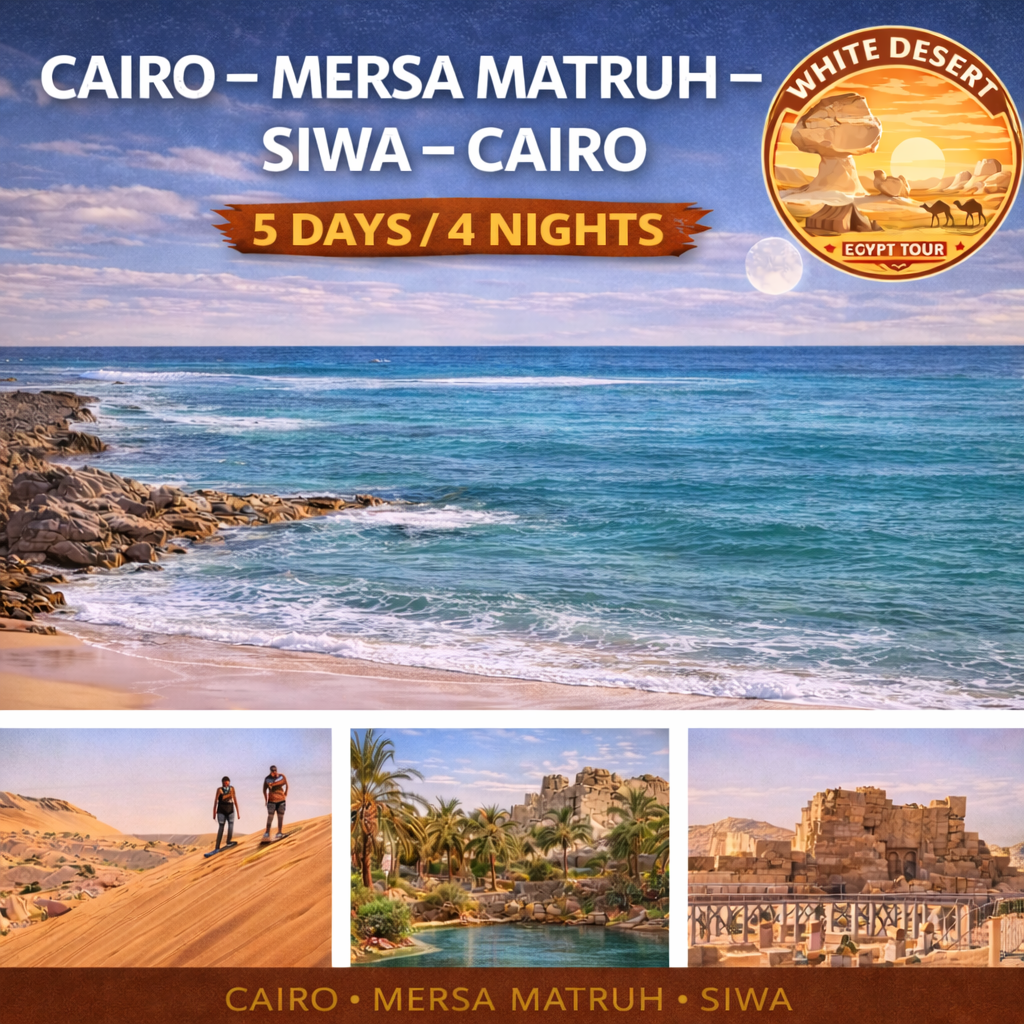
Your 5 Days Siwa Oasis Tour From Cairo works well for travelers who want a slower experience.

Also read How Many Days Do You Need in Siwa Oasis? before choosing an itinerary.

9. Bir Wahed — Best Siwa Desert Safari Stop

Bir Wahed lies in the desert outside Siwa and is commonly visited during Great Sand Sea safaris.

The area is known for the contrast between dune landscapes and desert water sources.

Experience Egypt highlights Bir Wahed’s bubbling sulfuric spring and a nearby cooler lake.

A typical safari may combine:

  • Dune driving
  • Sandboarding
  • Bir Wahed
  • Tea
  • Sunset

Read our Bir Wahed Siwa Oasis Guide.

10. Fayoum — Best Easy Sahara-Style Day Trip From Cairo

Fayoum deserves a place in any broader Egypt desert guide because it gives travelers access to dramatic desert scenery without the longer journey required for Bahariya or Siwa.

It is ideal for:

  • Day trips
  • Families
  • First-time desert travelers
  • Travelers who dislike camping
  • Fossil enthusiasts
  • Sandboarding

A Fayoum desert day may include:

  • Wadi El Rayan
  • Magic Lake
  • Wadi El Hitan
  • Dunes
  • Sandboarding

Read our Fayoum Oasis Egypt Travel Guide for an overview.

Is Fayoum Really Part of the Sahara Experience?

Yes in the broader sense of Egyptian Western Desert travel.

But it feels different from deep Western Desert destinations.

Fayoum contains:

  • Lakes
  • Agricultural areas
  • Villages
  • Desert
  • Fossils

So it offers more variety and less isolation.

That makes it particularly useful for travelers who want desert scenery without a full expedition.

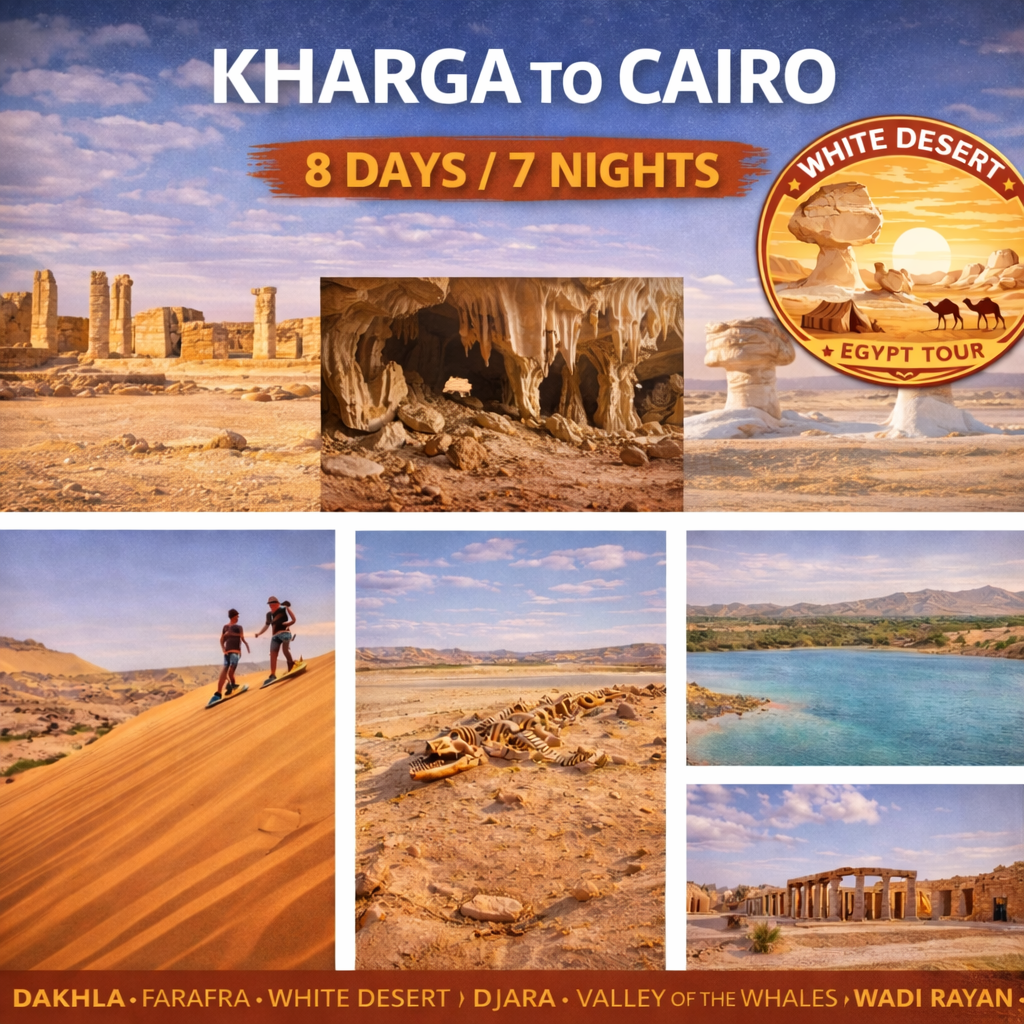
Wadi El Hitan — Best Fossil Desert

Wadi El Hitan, or Whale Valley, is one of Egypt’s most extraordinary natural-history destinations.

Its landscape preserves major fossil evidence of ancient whales and marine environments.

For travelers interested in:

  • Paleontology
  • Geology
  • Natural history
  • Families
  • Photography

it adds a completely different dimension to a desert journey.

Read our Wadi El Hitan Egypt Guide.

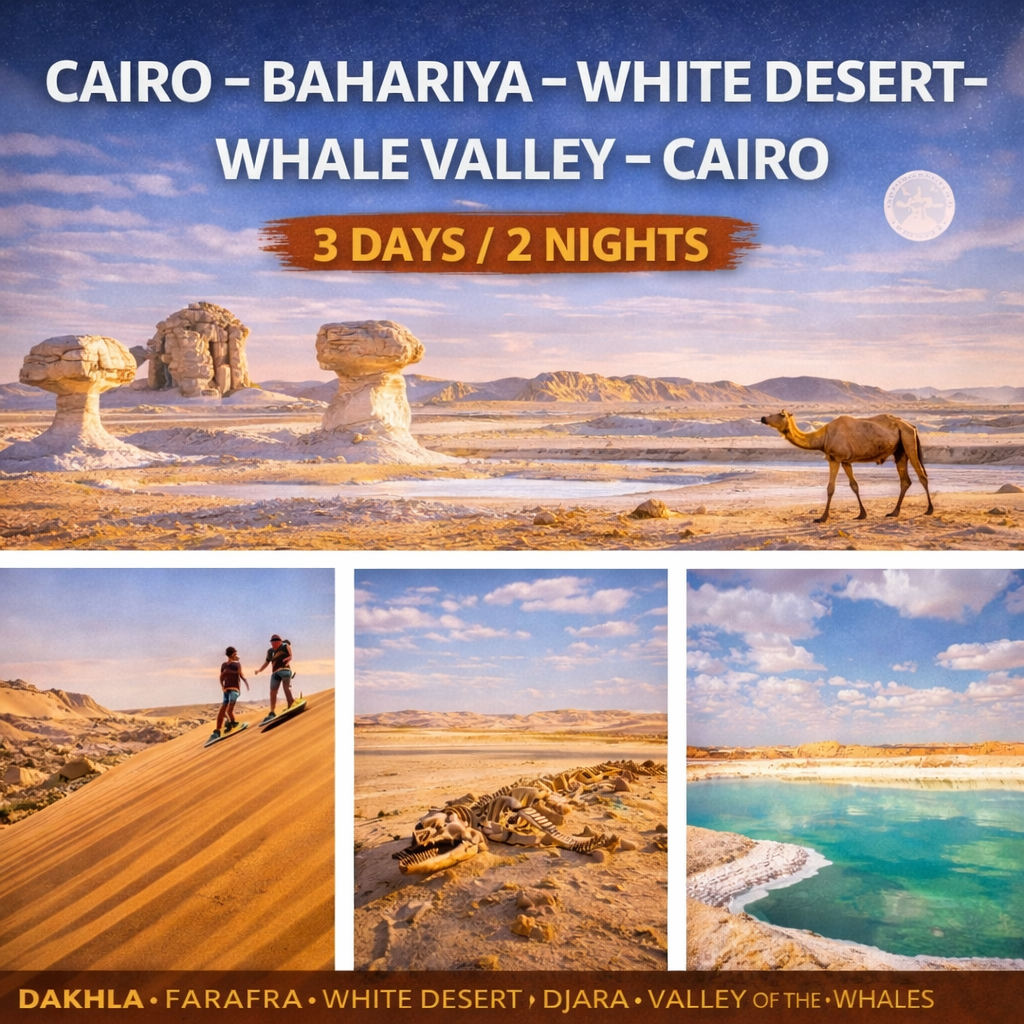
You can also combine the region with the White Desert on the White Desert & Whale Valley Tour From Cairo.

11. Dakhla Oasis — Best Slow Western Desert Experience

Once you travel farther south, the Western Desert begins to feel less like a weekend safari and more like a true overland journey.

Dakhla is one of the best stops on this route.

Experience Egypt describes it as a green oasis of agricultural land containing temples, fortresses, necropolises and historic villages.

Highlights include:

  • Qasr Dakhla
  • Deir El Hagar
  • Muzawwaqa
  • Balat
  • Mud-brick architecture
  • Oasis landscapes
  • Desert trekking

Dakhla is ideal for travelers who want:

  • Fewer tourists
  • Archaeology
  • Oasis culture
  • Longer Western Desert trips

Read our Dakhla Oasis Egypt guide.

12. Kharga Oasis — Best for Desert History and Archaeology

Kharga lies farther south and plays a major role in longer Western Desert itineraries.

Official tourism information describes Kharga as the southernmost and largest of the main oases along the Western Desert road network and highlights its historical importance.

Major sites include:

  • Hibis Temple
  • Bagawat Necropolis
  • Qasr El Zayan
  • Ghweita Temple
  • Dush

Experience Egypt also recommends nature walks, photography, camping and desert trekking around Kharga.

Read our Kharga Oasis Egypt Travel Guide.

Dakhla vs Kharga

Choose Dakhla if you prioritize:

  • Traditional oasis atmosphere
  • Mud-brick villages
  • Eco-lodges
  • Slow travel

Choose Kharga if you prioritize:

  • Archaeology
  • Major temples
  • Historic caravan-route context
  • Connection toward Luxor

The best long itinerary includes both.

13. Djara Cave — Best Remote Cave Adventure

Djara gives you something completely different from dunes and chalk formations.

It is a limestone cave in Egypt’s Western Desert containing:

  • Cave formations
  • Archaeological evidence
  • Prehistoric rock art

The trip is more remote than a normal White Desert safari.

That makes it best for travelers who already know they want deeper exploration.

Read:

Djara Cave Egypt

and explore the White Desert Djara Cave Safari.

Is Djara Suitable for a First Sahara Trip?

Possibly.

But the classic White Desert is easier.

For most first-time visitors:

White Desert first. Djara second.

Choose Djara immediately only if archaeology, caves and remoteness are central to why you are traveling.

What About Gilf Kebir and the Deep Southwest?

Egypt’s far southwestern desert contains extraordinary remote landscapes and archaeological sites.

But these are expedition destinations, not casual additions to a normal White Desert trip.

Access conditions, permits and operational possibilities can change, so travelers should never assume a route seen in an old travel blog is currently available.

For most visitors, the main Western Desert circuit through Bahariya, Farafra, Dakhla and Kharga provides more than enough adventure.

Always confirm current access with a licensed specialist operator before planning any deep-desert expedition.

Which Egypt Desert Is Best for You?

Use this quick comparison.

You Want

Best Choice

First Sahara adventure

White Desert

Giant dunes

Great Sand Sea

Easy day trip

Fayoum

Oasis culture

Siwa

Camping

White Desert

Sandboarding

Siwa / Fayoum

Fossils

Wadi El Hitan

Geology

White + Black Desert

Archaeology

Dakhla / Kharga

Prehistoric cave

Djara

Family day trip

Fayoum

Romantic desert trip

White Desert / Siwa

Long expedition

Western Desert circuit

Best Sahara Desert Trip From Cairo

For most first-time visitors:

1 Day

Fayoum

You can leave Cairo, experience dunes and desert landscapes, and return without camping.

Read Cairo to Fayoum Day Trip.

2 Days

White Desert

This is the classic answer.

Explore the White Desert Tour From Cairo.

3 Days

Choose:

  • Deeper White Desert
  • Djara Cave
  • Short Siwa itinerary

4–5 Days

Choose:

  • Siwa
  • White Desert trekking
  • Deeper Western Desert itinerary

7+ Days

Combine:

  • Siwa + White Desert

or

  • Multiple Western Desert oases

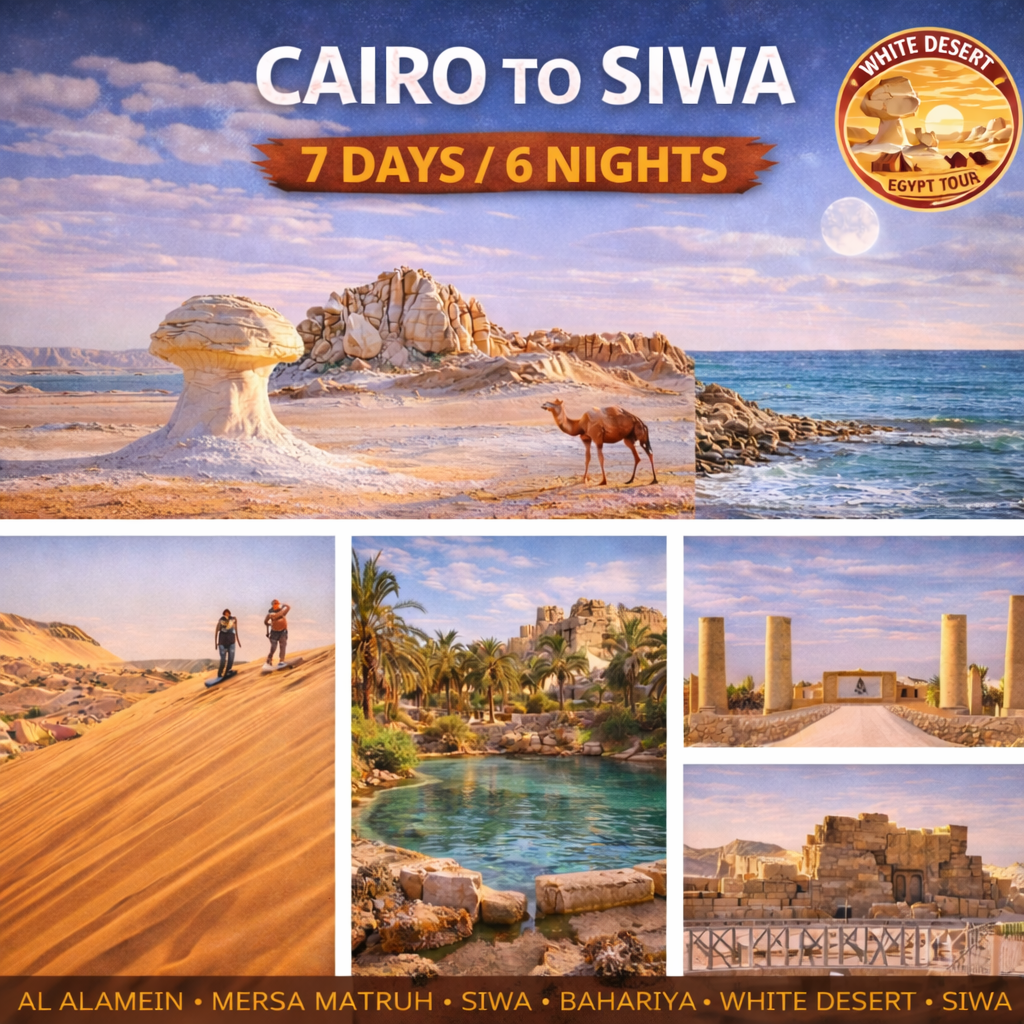
Your 7 Days Siwa & White Desert Tour From Cairo is a natural option for travelers who want both dunes and chalk landscapes.

Best Sahara Trip From Cairo to Luxor

One of the most interesting ways to explore Egypt is to travel through the Western Desert rather than returning to Cairo.

A longer route can connect:

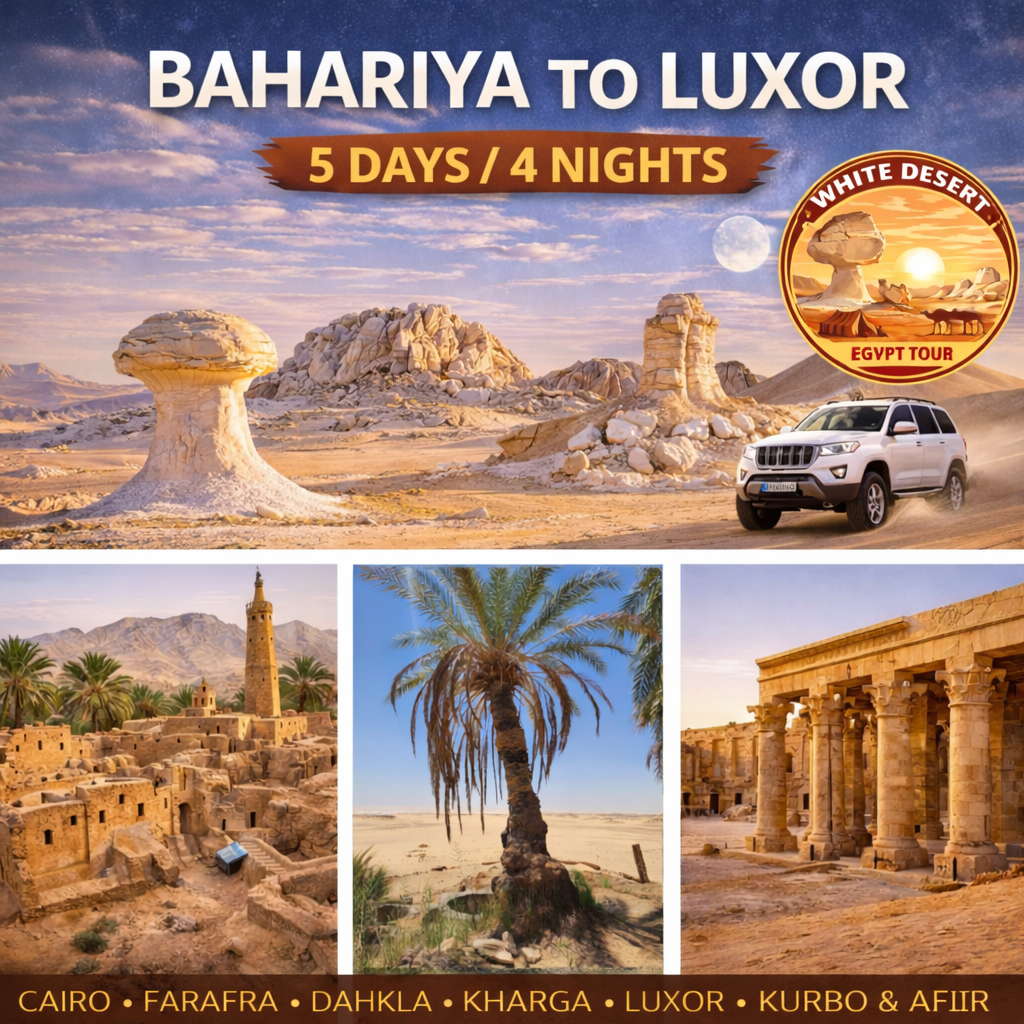
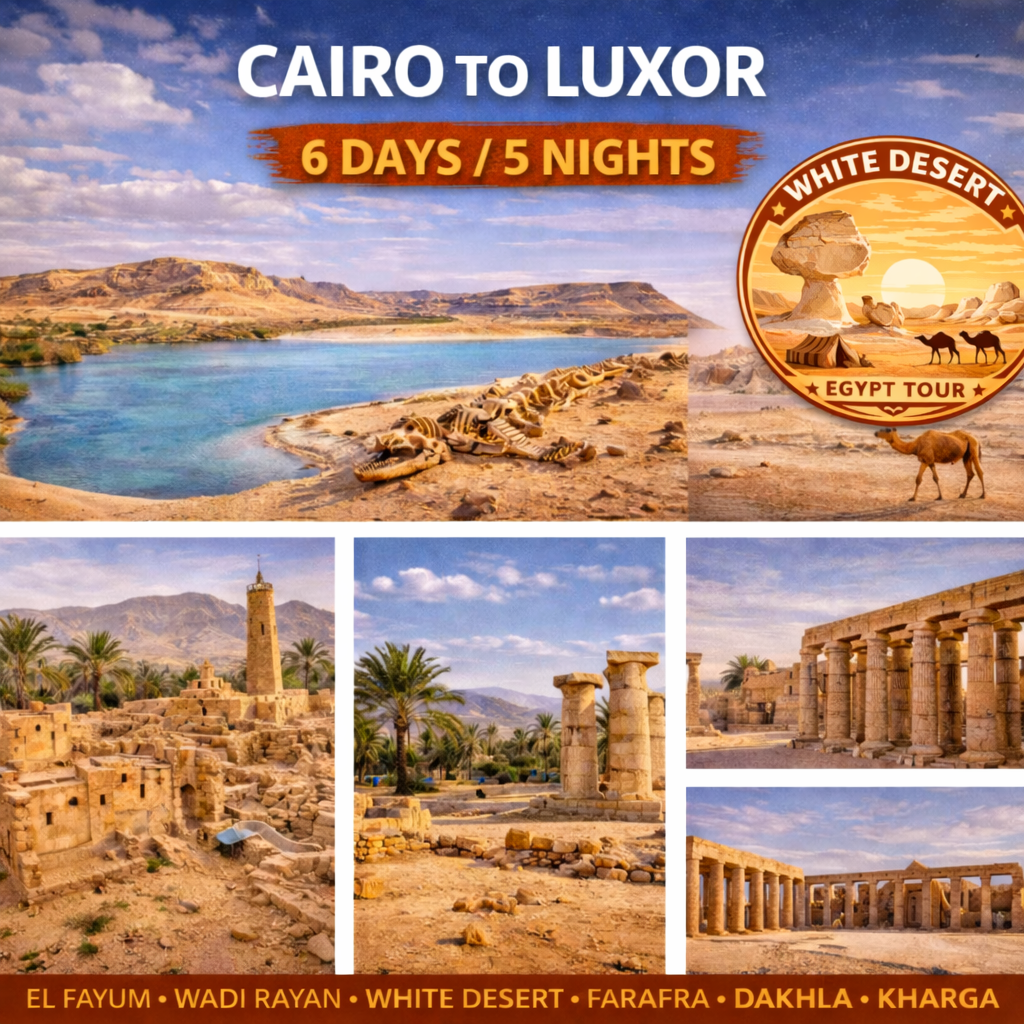
Cairo → Bahariya → White Desert → Farafra → Dakhla → Kharga → Luxor

Experience Egypt specifically describes the Western Desert oasis road as eventually reconnecting with the Nile Valley toward Luxor.

This is a very different Egypt itinerary from the standard:

Cairo → train/flight → Luxor

Explore the Western Desert Tour Cairo to Luxor.

Best Sahara Desert for Camping

Our ranking:

White Desert

Best overall combination of:

  • Scenery
  • accessibility
  • sunsets
  • stars
  • unusual formations

Great Sand Sea

Best for classic dune camping.

Fayoum

Best for camping closer to Cairo.

Longer Western Desert

Best for expedition-style nights.

Read the Egypt Desert Camping Guide before choosing.

Best Sahara Desert for Sandboarding

Two obvious choices:

Siwa

The Great Sand Sea provides enormous dunes.

Fayoum

Excellent for shorter trips and first-time travelers.

Official Egyptian tourism material promotes sandboarding in both destinations.

White Desert itineraries may also include suitable dune areas depending on the route.

Best Sahara Desert for Stargazing

Remote Western Desert environments can provide excellent dark skies.

Especially good options include:

  • White Desert
  • Great Sand Sea
  • Remote Western Desert camps

The White Desert is particularly practical because you can combine strong night-sky conditions with only a short 2-day itinerary.

Read our White Desert Egypt Stargazing guide.

Best Sahara Desert for Photography

Different destinations work for different styles.

White Desert

Best for:

  • Abstract formations
  • Minimalist landscapes
  • Sunrise
  • Night photography

Great Sand Sea

Best for:

  • Dune curves
  • Shadows
  • Scale

Siwa

Best for:

  • Oasis life
  • Salt lakes
  • Palms
  • Sunset

Fayoum

Best for:

  • Desert + lakes
  • Fossils
  • Mixed landscapes

Black Desert

Best for:

  • Geological contrast
  • Dark hills against sand

Best Sahara Desert for Couples

Choose:

White Desert for private camping and stars.

Siwa for a slower oasis escape with hotels, sunsets, springs and dunes.

Read:

White Desert Egypt for Couples

and

Siwa Oasis for Couples.

Best Sahara Desert for Families

Our general recommendation:

Young children → Fayoum

Adventure-loving school-age children → White Desert

Families wanting hotel comfort → Siwa

For detailed planning, read Egypt Desert Safari With Kids.

Best Sahara Desert for Solo Travelers

The White Desert works especially well because you can choose:

  • Private trip
  • Shared departure where available
  • Short duration

Siwa is also popular with independent travelers because much of the oasis can be explored from a hotel or guesthouse before arranging a desert safari.

Read White Desert Tour for Solo Travelers.

Best Sahara Experience for Serious Adventurers

Once standard sightseeing no longer feels enough, consider:

  • White Desert trekking
  • Camel safari
  • Djara Cave
  • Multi-oasis expedition

A trekking itinerary slows the landscape down.

A camel safari slows it down even further.

Explore:

4 Days White Desert Trekking Expedition

and

White Desert Camel Safari.

When Is the Best Time to Visit the Sahara in Egypt?

For most Western Desert travel, the cooler months are easier.

Why?

Because desert trips involve:

  • Long periods outside
  • Walking
  • Photography
  • Camping
  • Sandboarding
  • 4×4 stops

Peak summer heat can make all of those more demanding.

The cooler travel season offers more comfortable daytime exploration, although nights can become noticeably colder.

The exact best month depends on destination and activity.

For the White Desert, use our Best Time to Visit White Desert Egypt.

For Siwa, use Best Time to Visit Siwa Oasis Egypt.

Is Winter Too Cold for the Egyptian Sahara?

Usually not.

Winter can actually be one of the best periods for daytime exploration.

But pack properly for night.

Bring:

  • Fleece
  • Jacket
  • Long trousers
  • Warm socks

Camping feels very different at midnight than it did at 2 PM.

Can You Visit the Sahara in Egypt During Summer?

Yes in some areas and itineraries.

But extreme heat requires more careful planning.

You may need:

  • Earlier starts
  • Longer midday breaks
  • More water
  • Less strenuous activity

First-time desert travelers usually find cooler months easier.

How Do You Visit the Sahara From Cairo?

The route depends on destination.

White Desert

Cairo → Bahariya → 4×4 safari.

Fayoum

Direct road journey from Cairo followed by local desert route.

Siwa

Long overland journey west toward the oasis.

Dakhla and Kharga

Usually part of a multi-day Western Desert itinerary.

For remote excursions, Egypt’s official tourism platform recommends experienced licensed guides and appropriate 4×4 vehicles.

Do You Need a 4x4?

For many deep desert routes, yes.

You may reach an oasis by paved road.

That does not mean you can reach the desert attractions in the same vehicle.

Typical setup:

road vehicle → oasis → desert 4×4

This is common around Bahariya and Siwa.

A 4×4 is not simply for dramatic photographs.

It is functional transport for soft sand and rough terrain.

Can You Self-Drive Into the Sahara?

For normal visitors, guided travel is far more sensible for remote routes.

Problems include:

  • Navigation
  • Deep sand
  • Vehicle recovery
  • Water logistics
  • Fuel
  • Communications
  • Access regulations
  • Protected-area rules

Experience Egypt recommends licensed guides who know the terrain and proper 4×4 vehicles for excursions beyond Bahariya.

Owning Google Maps does not make someone a desert navigator.

Do You Need Permits?

Permit and access requirements depend on:

  • Location
  • Activity
  • Route
  • Current regulations

This is particularly important for:

  • Protected areas
  • Camping
  • Remote expeditions

Use an experienced licensed operator and confirm current requirements before departure.

Do not rely on a blog written ten years ago for access information.

Desert regulations can change.

Is the Sahara Desert in Egypt Safe for Tourists?

Safety depends heavily on where you go and how the trip is organized.

Established tourism destinations such as:

  • Bahariya
  • White Desert
  • Fayoum
  • Siwa

have organized tourism infrastructure.

But remote desert travel requires more preparation than a normal city tour.

Official guidance recommends experienced licensed guides, terrain-appropriate vehicles and adequate supplies. For overnight trips extending beyond two or three days, Experience Egypt recommends additional vehicle support with supplies and equipment.

Before any trip, check current official travel advice and route conditions.

Why Local Desert Drivers Matter

Experienced desert drivers understand things visitors often cannot see.

They know:

  • Which sand is soft
  • Which tracks are usable
  • Where vehicles commonly get stuck
  • How terrain changes
  • Where camping is appropriate
  • How far water and fuel must last

A desert can look empty.

It is not simple.

What Should You Pack for the Sahara in Egypt?

For a normal safari:

  • Lightweight clothes
  • Long trousers
  • Warm layer
  • Comfortable shoes
  • Hat
  • Sunglasses
  • Sunscreen
  • Scarf
  • Lip balm
  • Toiletries
  • Personal medication
  • Power bank
  • Headlamp
  • Small daypack

For the full checklist, use our Egypt Desert Safari Packing List.

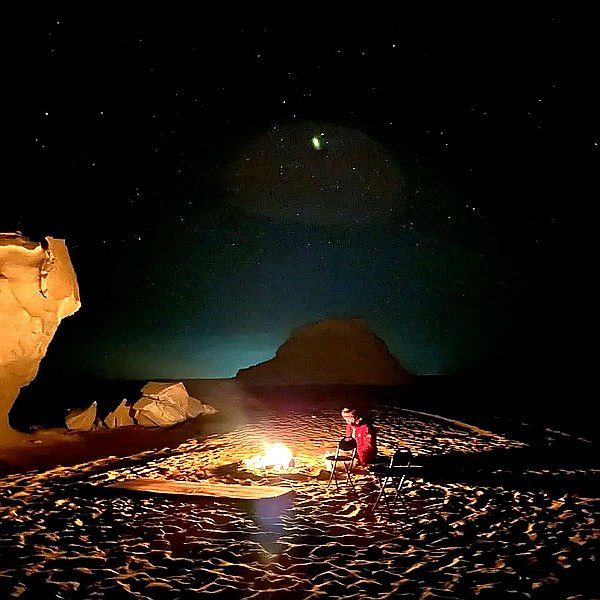
What Is Sahara Camping in Egypt Like?

A standard wilderness camp may include:

  • Tent
  • Mattress
  • Blankets or sleeping gear
  • Dinner
  • Tea
  • Bottled water
  • Basic toilet arrangement
  • Limited electricity
  • Limited mobile signal

It is simpler than a hotel.

That is part of the attraction.

Official tourism guidance notes that licensed local operators around Bahariya can arrange camping and supply equipment including tents and food.

Read Egypt Desert Camping Guide before your first overnight trip.

Camping vs Glamping

Choose camping if you want:

  • Wilderness
  • Simplicity
  • Temporary camp
  • Stronger adventure feeling

Choose glamping if you want:

  • Bed
  • Better bathroom
  • Electricity
  • More permanent facilities

The desert scenery can be excellent either way.

You do not need to prove anything by sleeping uncomfortably.

How Much Does an Egypt Sahara Tour Cost?

There is no meaningful single Sahara tour price.

Cost depends on:

  • Destination
  • Duration
  • Number of travelers
  • Private vs shared
  • Hotel level
  • Camping setup
  • 4×4 requirements
  • Route
  • Entrance fees
  • Pickup location

A two-day White Desert tour and a seven-day multi-oasis expedition are not comparable products.

For White Desert-specific budgeting, read White Desert Egypt Cost.

For broader packages, see Egypt Desert Safari Packages.

How Many Days Do You Need for the Egyptian Sahara?

It depends on what you want.

1 Day

Fayoum.

2 Days

White Desert.

3 Days

Deeper White Desert or Djara.

4–5 Days

Siwa or longer White Desert experience.

6–8 Days

Combined destinations or Western Desert expedition.

Longer

Serious multi-oasis or specialist exploration.

Do not automatically choose the longest itinerary.

Choose the one that matches your interest.

Best First Sahara Itinerary in Egypt

For a first-time visitor from Cairo:

Day 1

Cairo → Bahariya Oasis → Black Desert → Crystal Mountain → Valley of Agabat → White Desert → camp.

Day 2

Sunrise → White Desert exploration → Bahariya → Cairo.

That itinerary gives you:

  • Oasis
  • Black hills
  • Crystal features
  • Dunes
  • White formations
  • Camping
  • Stars
  • Sunrise

in one short trip.

That is why the White Desert remains our strongest first Sahara recommendation.

Explore the White Desert Tour From Cairo.

Best 3-Day Sahara Itinerary

With three days, slow down.

Options include:

Option 1: Deeper White Desert

More time around Bahariya, Agabat and the White Desert.

Option 2: Djara Cave

Add prehistoric cave exploration.

Option 3: Fayoum + White Desert

Combine fossil landscapes with the classic White Desert.

Explore the Fayoum to White Desert Tour From Cairo.

Best 5-Day Sahara Itinerary

Five days makes Siwa far more comfortable.

A good trip can include:

  • Oasis sightseeing
  • Salt lakes
  • Shali Fortress
  • Temple of the Oracle
  • Cleopatra’s Spring
  • Great Sand Sea
  • Bir Wahed
  • Sandboarding
  • Sunset

Explore the 5 Days Siwa Oasis Tour From Cairo.

Best 7-Day Sahara Itinerary

A week allows you to combine very different environments.

One of the strongest combinations is:

Siwa + White Desert

You get:

Great Sand Sea dunes + salt lakes + oasis culture + chalk formations + desert camping.

Explore the 7 Days Siwa & White Desert Tour From Cairo.

Best Long Western Desert Itinerary

For travelers who want Egypt beyond the standard tourist circuit:

Cairo → Bahariya → White Desert → Farafra → Dakhla → Kharga → Luxor

This combines:

  • Desert geology
  • Oasis culture
  • Archaeology
  • Camping
  • Historic routes

Official tourism material describes Dakhla and Kharga as key stops on the Western Desert road that reconnects toward the Nile Valley and Luxor.

Explore our Egypt Western Desert Itinerary.

Sahara Desert Geology in Egypt

One reason Egypt’s Sahara landscapes are so diverse is geology.

The White Desert contains pale chalk deposits created in ancient marine environments.

The Black Desert displays dramatically darker terrain.

Crystal Mountain exposes crystalline geological features.

Agabat shows large-scale erosion.

Bahariya has produced important vertebrate fossils.

Fayoum preserves world-famous fossil landscapes.

A Sahara trip can therefore become a journey through millions of years of Earth history.

Start with:

White Desert Egypt Geology

and

White Desert Egypt Fossils.

Sahara Wildlife in Egypt

The Sahara looks empty.

It is not.

Depending on habitat, Egypt’s Western Desert supports animals including:

  • Foxes
  • Gazelles
  • Rodents
  • Birds
  • Reptiles
  • Insects

Vegetation and wildlife concentrate around:

  • Springs
  • Wadis
  • Oasis margins

Read our White Desert Egypt Wildlife and White Desert Egypt Plants guides to understand the ecosystem.

Human History in the Egyptian Sahara

The desert has not always been as dry as it is today.

During wetter prehistoric periods, people occupied parts of the Western Desert around lakes and water sources.

Later, oasis routes became important for:

  • Trade
  • Settlement
  • Agriculture
  • Communication

This history is visible in:

  • Farafra
  • Dakhla
  • Kharga
  • Djara
  • Bahariya

Read our White Desert Egypt Archaeology guide for the prehistoric side of the story.

Responsible Sahara Travel

The desert may look indestructible.

It is not.

Responsible visitors should:

  • Take rubbish out.
  • Never collect fossils.
  • Never remove archaeological objects.
  • Do not carve rocks.
  • Avoid damaging plants.
  • Do not feed wildlife.
  • Use responsible camping practices.
  • Follow protected-area routes.
  • Respect local oasis communities.

A tire track can last much longer than you expect.

A broken geological formation cannot be replaced.

A prehistoric artifact loses scientific value when removed from context.

Leave the landscape better than you found it—or at minimum, exactly as you found it.

Which Sahara Destination Should You Choose?

Here is our final recommendation.

Choose Fayoum if:

You have one day or young children.

Choose White Desert if:

This is your first true Sahara adventure.

Choose Siwa if:

You want oasis culture, hotels and giant dunes.

Choose Djara if:

You want archaeology and remoteness.

Choose Dakhla and Kharga if:

You want a longer historical Western Desert route.

Choose a Western Desert expedition if:

The journey itself matters more than reaching one attraction.

Our Number One Recommendation: White Desert

If a traveler asked us:

“I have never visited the Sahara before. I am in Cairo. Where should I go?”

we would choose the White Desert.

Not because it contains Egypt’s biggest dunes.

It does not.

Not because it contains the country’s most luxurious oasis.

It does not.

But because in only two days you can experience an extraordinary concentration of Western Desert landscapes:

Bahariya.

Black Desert.

Crystal Mountain.

Agabat.

Dunes.

White Desert.

Sunset.

Camp.

Stars.

Sunrise.

Official tourism resources describe Bahariya and Farafra as gateways to exactly these Western Desert environments and recommend experienced licensed guides for excursions beyond the oases.

For first-time visitors, that combination is very hard to beat.

Final Thoughts: Is the Sahara Desert in Egypt Worth Visiting?

Absolutely.

But the biggest mistake is imagining that “the Sahara” is one single landscape.

Egypt proves the opposite.

The country’s Western Desert alone covers roughly two-thirds of its territory and contains dramatically different environments, from giant dune fields and barren plateaus to green oases and sculpted chalk formations.

Travel north-west and you reach Siwa, where palms, salt lakes and springs meet the Great Sand Sea.

Travel southwest from Cairo and Bahariya leads you toward the Black and White Deserts.

Continue through Farafra and the desert opens toward deeper oasis routes.

Travel farther south and Dakhla and Kharga reveal another Sahara—one filled with ancient settlements, temples, agriculture and historic caravan landscapes.

Closer to Cairo, Fayoum offers an easier introduction through dunes, fossil landscapes and lakes.

That diversity is what makes the Egyptian Sahara special.

You do not come only for sand.

You come for contrasts.

White rock against orange dunes.

Black hills beside pale chalk.

Palm trees growing where water reaches the surface.

Prehistoric caves inside landscapes that now appear uninhabitable.

Ancient temples standing beside modern oasis farms.

Stars appearing above a camp once the last 4×4 engine switches off.

And perhaps most importantly, the Sahara gives travelers a version of Egypt that feels completely different from Cairo, Giza and Luxor.

The pyramids show what ancient Egyptians built.

The Sahara shows the landscape that surrounded them.

If you have only one day, begin with Fayoum Desert Safari From Cairo.

If you have two days, choose the White Desert Tour From Cairo.

If you have five days, explore Siwa Oasis.

If you have a week or more, go deeper with an Egypt Western Desert Itinerary or combine the White Desert and Siwa.

Because once you leave the Nile Valley and enter the Western Desert, Egypt stops looking like the Egypt most visitors expected.

And that is exactly why you should go.

White Desert Egypt Tour TripAdvisor reviews

star ratingWhere Silence Speaks: Six days as a solo traveller - Surrounded by endless dunes, fascinating rock formations and a sky full of stars, my trip to the Black and White Desert was the perfect escape from everyday life.
I... read more

avatar thumb Meret G
October 26, 2026

star rating3 Day and 2 Nights of Fun and Knowledge - This was one of the best experiences of my life. Our guides, Anas and Kareem, were so kind, helpful, and fun. From the food, sites, and experience everything was ABSOLUTELY... read more

avatar thumb jakewP7022KT
October 15, 2026

star ratingAn Unforgettable Experience in the White and Black Desert and the Bahariya Oasis. - I had an amazing and truly memorable tour with White Desert Egypt Tour. At first, I felt a little hesitant and worried because I was traveling alone. However, after booking... read more

avatar thumb bryces9166
August 9, 2026
Sahara Desert Egypt FAQ

Frequently Asked Questions About the Sahara Desert in Egypt

Everything you need to know about exploring Egypt’s Sahara Desert, including the White Desert, Siwa Oasis, Great Sand Sea, Fayoum, camping, sandboarding, stargazing, photography, safety and planning a desert safari from Cairo.

Yes. A large part of Egypt forms the northeastern section of the Sahara, especially the Western Desert west of the Nile Valley.

Most classic Sahara experiences in Egypt are found in the Western Desert, including the White Desert, Bahariya, Farafra, Siwa, the Great Sand Sea, Dakhla, and Kharga.

For most first-time travelers, the White Desert is one of the best choices because it combines unusual chalk formations, 4x4 safari, camping, stargazing, and several different landscapes in a short trip.

If you have one day, choose Fayoum. If you have two days, the White Desert Tour From Cairo is one of the strongest options.

Yes. The White Desert lies within Egypt's Western Desert, which forms part of the wider Sahara region.

The White Desert is famous for white chalk formations and geological landscapes, while the Great Sand Sea is known for enormous golden dunes and classic Sahara scenery.

Choose Siwa for oasis culture, salt lakes, springs, hotels, and giant dunes. Choose the White Desert for a shorter classic safari with camping and unusual rock formations.

Fayoum is part of Egypt's broader Western Desert region and offers desert scenery, dunes, fossil landscapes, and lakes close to Cairo.

One day is enough for Fayoum, two days for a classic White Desert trip, four to five days for Siwa, and a week or more for a deeper Western Desert itinerary.

The White Desert is one of the best choices for first-time desert camping because it combines dramatic scenery, sunset, stargazing, and sunrise in a manageable 2-day trip.

Siwa and Fayoum are among the best-known destinations for sandboarding, especially the Great Sand Sea near Siwa and the dunes around Fayoum.

Fayoum is excellent for younger children and short trips, while the White Desert is better for adventurous families who want camping. Siwa works well for families who prefer hotel accommodation.

The White Desert, Great Sand Sea, and other remote parts of the Western Desert can offer excellent dark skies away from city lights.

The White Desert is excellent for abstract rock formations, Siwa for oasis and dune photography, the Great Sand Sea for dramatic dune curves, and Fayoum for mixed lake and desert landscapes.

Established desert destinations can be visited safely when trips are organized with experienced local guides, suitable vehicles, adequate supplies, and current route and access information.

For many remote desert attractions, yes. You may reach an oasis by paved road, but deeper safari routes usually require an experienced driver and suitable 4x4 vehicle.

Remote self-driving is not recommended for inexperienced visitors because of deep sand, navigation challenges, weak phone signal, vehicle recovery issues, and access restrictions.

Bring lightweight clothing, comfortable shoes, a warm evening layer, hat, sunglasses, sunscreen, scarf, toiletries, medication, headlamp, power bank, and a small daypack.

See our Egypt Desert Safari Packing List for the full checklist.

The cooler months are generally the most comfortable for sightseeing, camping, hiking, and 4x4 safaris. Nights can still become cold, so warm layers are important.

Yes. Egypt's Sahara offers far more than sand dunes, including the White and Black Deserts, oases, fossil sites, prehistoric caves, salt lakes, springs, ancient settlements, and some of the country's best desert camping and stargazing.

Leave a Comment

Your email address will not be published. Required fields are marked *