Stargazing in the White Desert Egypt: Best Time, Camping & Night Sky Guide

Stargazing in the White Desert Egypt: Best Time, Camping & Night Sky Guide

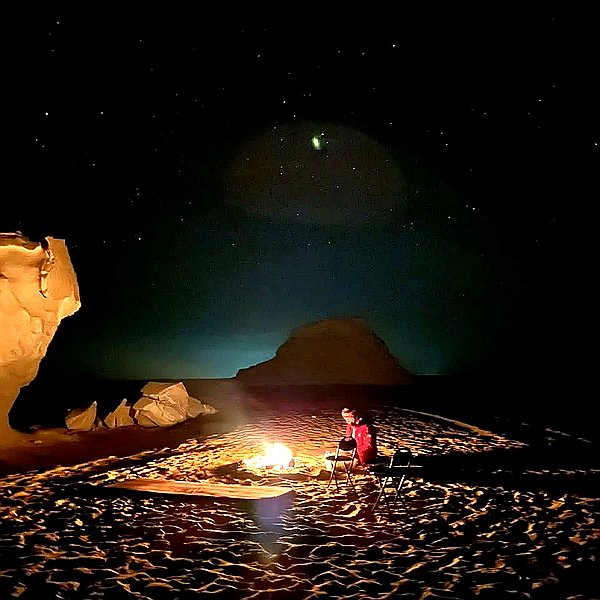
The sun disappears behind the chalk formations, dinner is prepared beside the camp, the fire begins to glow, and the White Desert gradually becomes almost silent.

Then you look up.

For travelers arriving from Cairo, that moment can be one of the biggest contrasts of the entire trip.

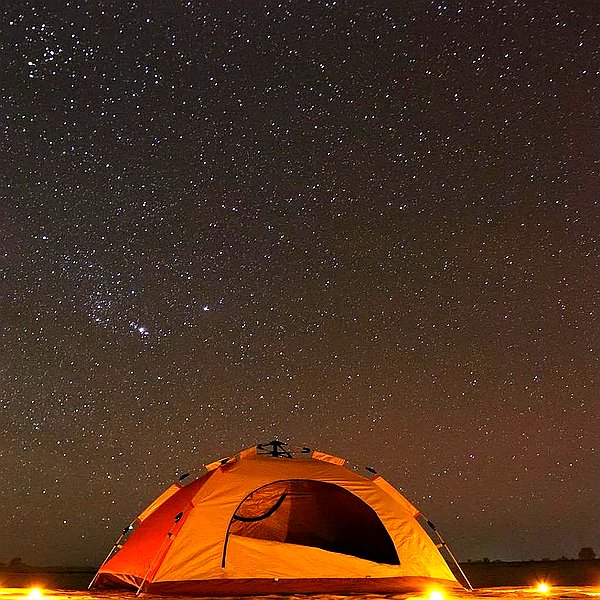
The White Desert Egypt stargazing experience combines remote desert scenery, overnight camping and a night sky far removed from the artificial lighting of Egypt’s biggest city.

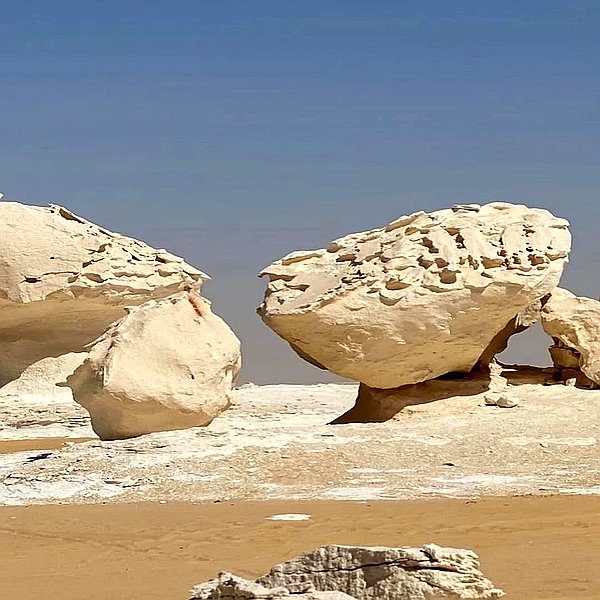
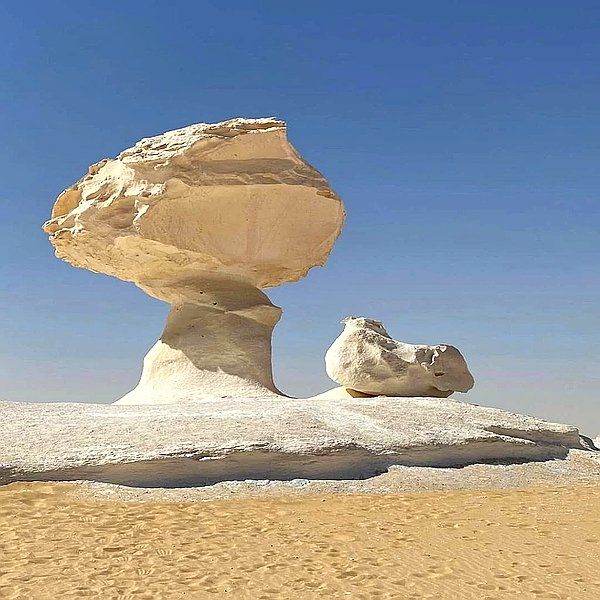
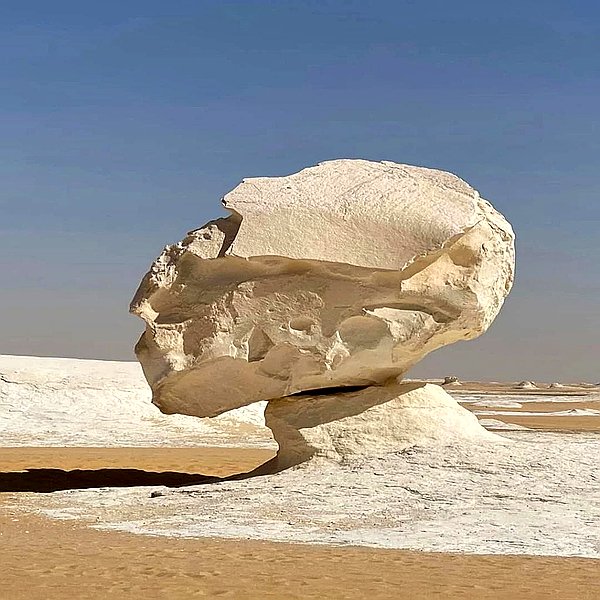
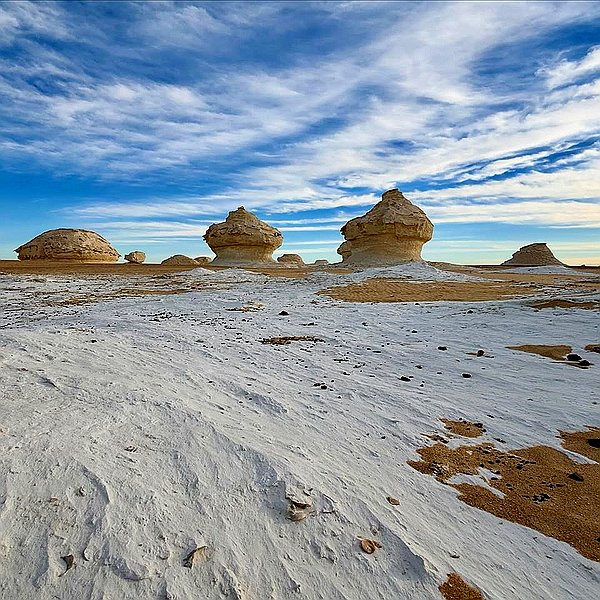
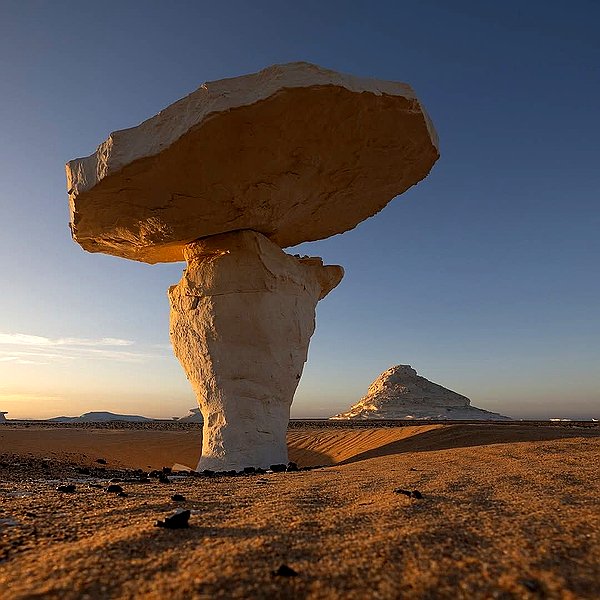
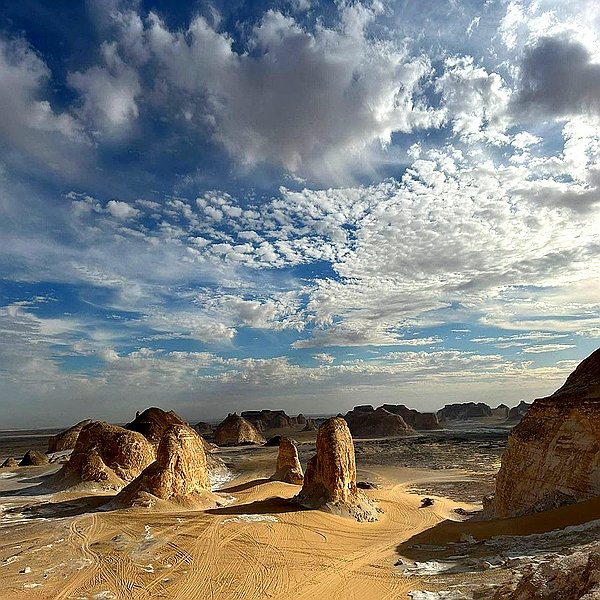
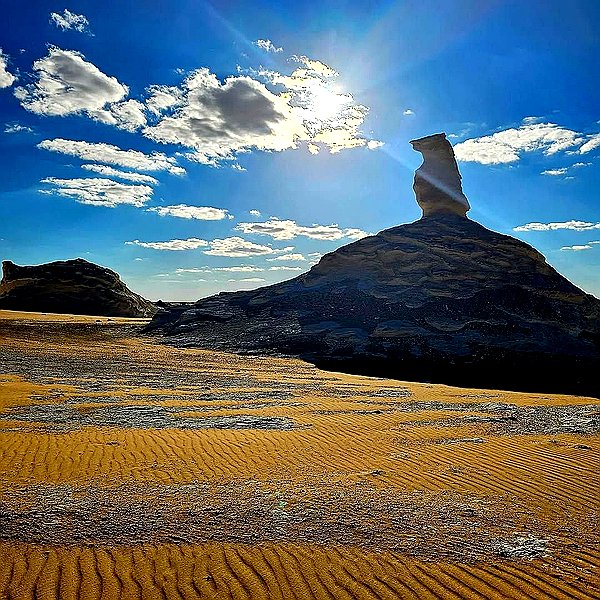
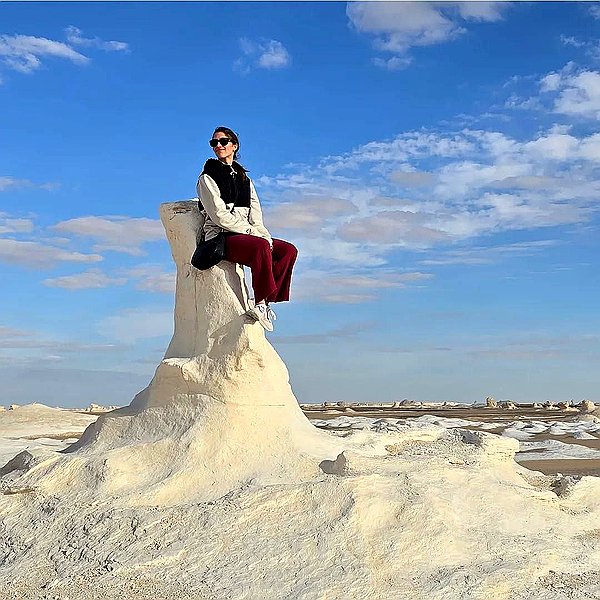
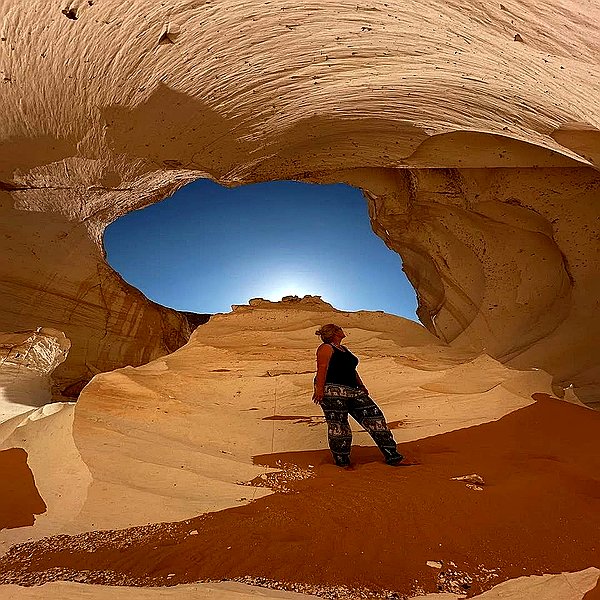
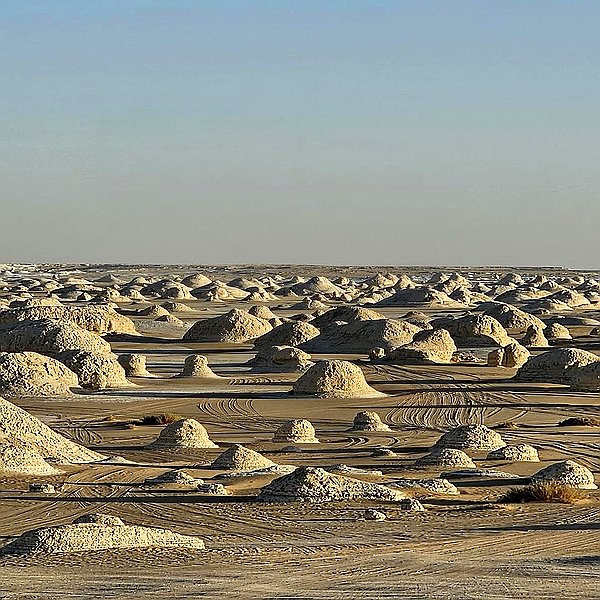
During the day, travelers come to see the strange white formations, the Black Desert, Crystal Mountain and the dramatic Valley of Agabat.

At night, the experience changes completely.

The formations become silhouettes.

The desert grows quiet.

The temperature falls.

And the sky becomes one of the main attractions.

This is why overnight camping is such an important part of a White Desert Egypt journey.

NASA’s skywatching guidance explains that darker locations away from urban light generally reveal more stars, while weather and the phase of the Moon can significantly change what you see.

The White Desert provides exactly the type of remote environment that makes travelers want to stay outside long after dinner.

But good stargazing involves more than simply arriving in the desert at night.

The Moon matters.

Clouds matter.

Dust matters.

Your camp lights matter.

The season affects comfort.

And if seeing or photographing the Milky Way is one of your main goals, you should plan around your exact travel dates rather than assume every night will look like a long-exposure photograph.

This guide explains everything you need to know about stargazing in the White Desert Egypt, including the best conditions, moon phases, camping experience, photography tips, what to pack and which White Desert itinerary gives you the best chance to enjoy the night sky.

Quick Answer: Is the White Desert Good for Stargazing?

Yes.

The White Desert is one of Egypt’s most attractive desert destinations for travelers who want to combine stargazing with an overnight safari and camping experience.

Its main advantages include:

  • Remote desert surroundings
  • Distance from major city lighting
  • Open horizons
  • White chalk formations for foreground photography
  • Overnight camping
  • Clear-sky potential
  • Sunset and sunrise in the same itinerary
  • Easy combination with a 4×4 safari
  • Access from Cairo through Bahariya Oasis

However, the quality of the night sky varies from one night to another.

For better visibility of faint stars, consider:

  • Traveling near a new moon
  • Checking moonrise and moonset
  • Checking the weather forecast
  • Avoiding unnecessary bright camp lights
  • Allowing your eyes time to adapt to darkness

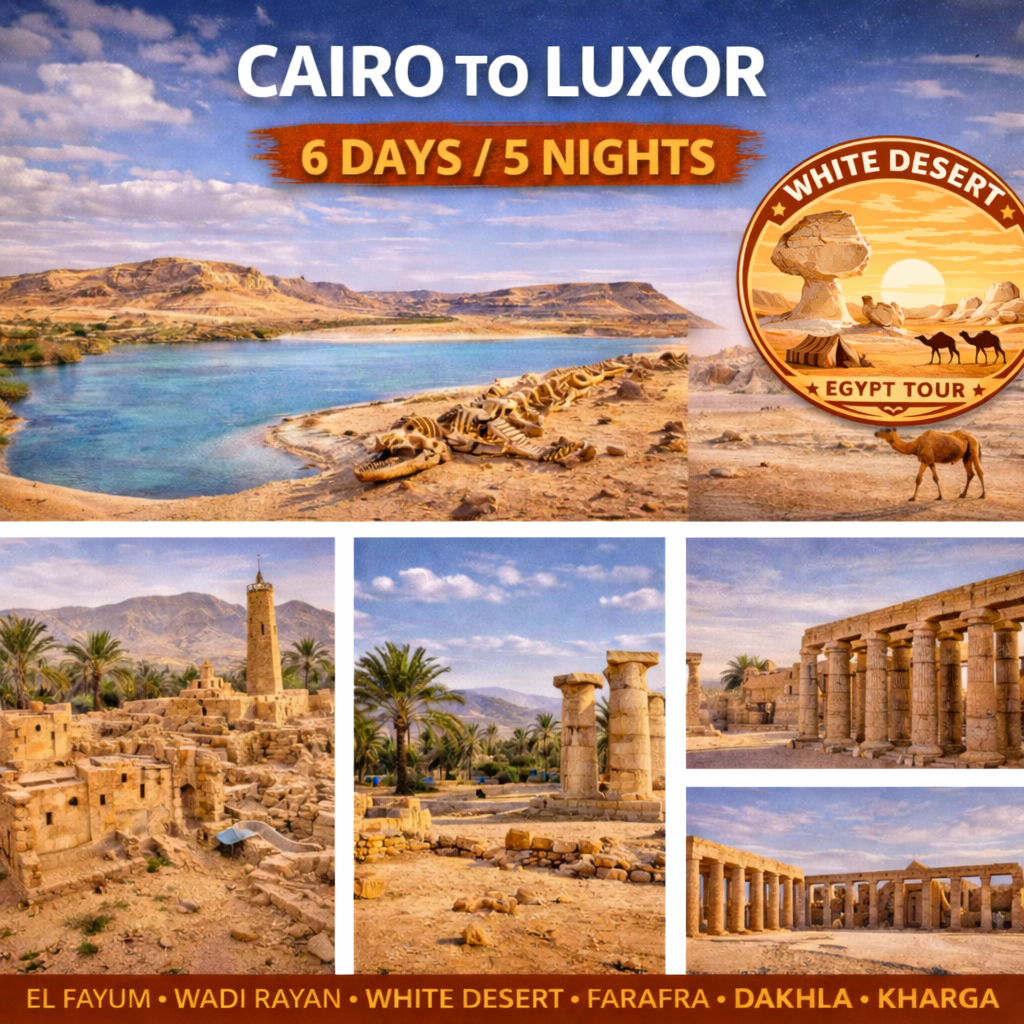
If you want the shortest classic stargazing and camping experience, the 2-Day White Desert Tour from Cairo includes one White Desert camping night, dinner, campfire and stargazing.

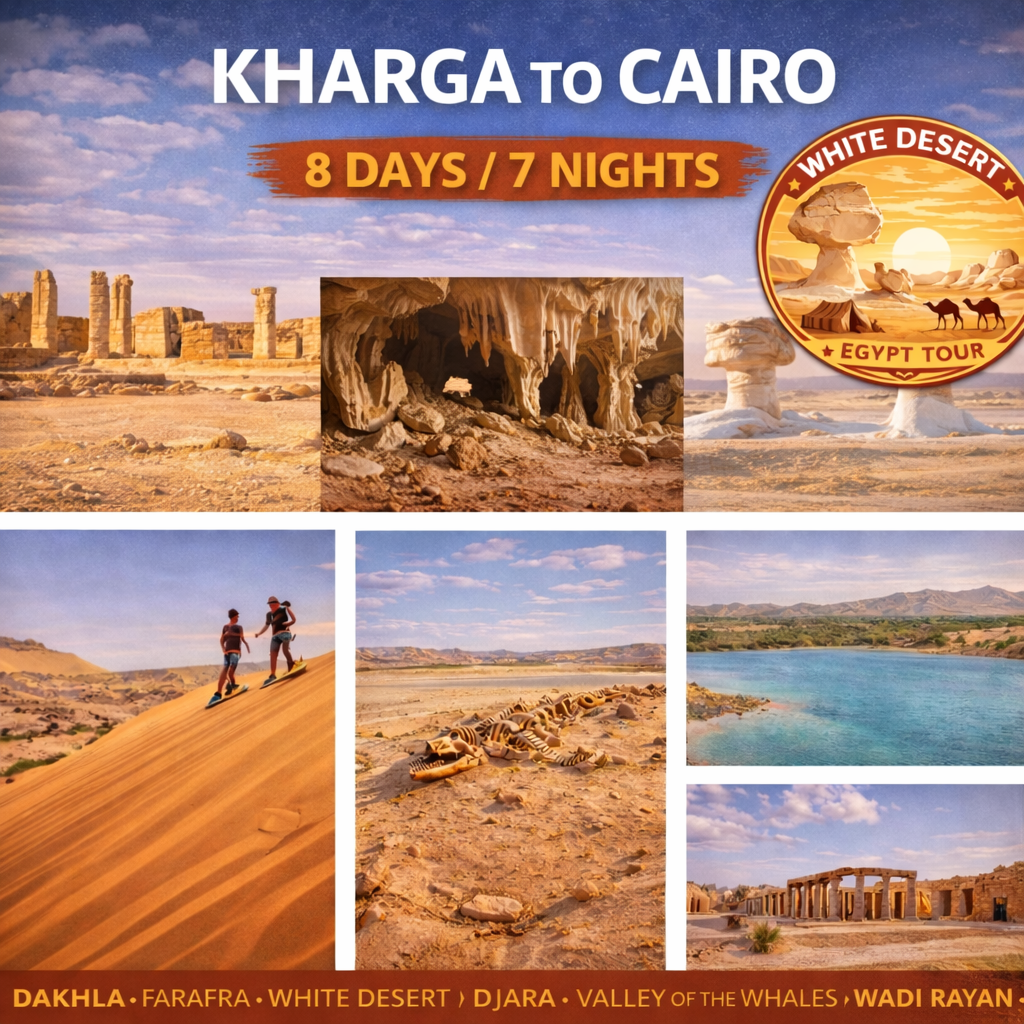
If the night sky is one of your biggest priorities, the 3-Day White Desert Safari from Cairo is even more interesting because the current itinerary includes two desert camping nights — one around Agabat and another in the White Desert.

White Desert Stargazing at a Glance

Question

Quick Answer

Is the White Desert good for stargazing?

Yes

Do you need to camp overnight?

Strongly recommended

Best moon phase for faint stars?

Around the new moon

Does a full moon ruin the trip?

No, but it reduces visibility of faint stars

Best season for camping comfort?

Generally October–April

Best short trip?

2 days / 1 night

Best for two stargazing nights?

3-day desert safari

Can you see the Milky Way?

Possible when season, moon, weather and timing align

Do you need a telescope?

No

Can beginners photograph stars?

Yes, with a tripod and suitable camera settings

Why Is the White Desert Good for Stargazing?

The main advantage is simple:

distance from major urban lighting.

Cairo is one of Africa’s largest urban areas.

Its artificial lighting makes faint stars much harder to see.

NASA explains that darker skies away from city lights generally reveal significantly more stars and improve the visibility of faint celestial objects.

The White Desert provides a very different environment.

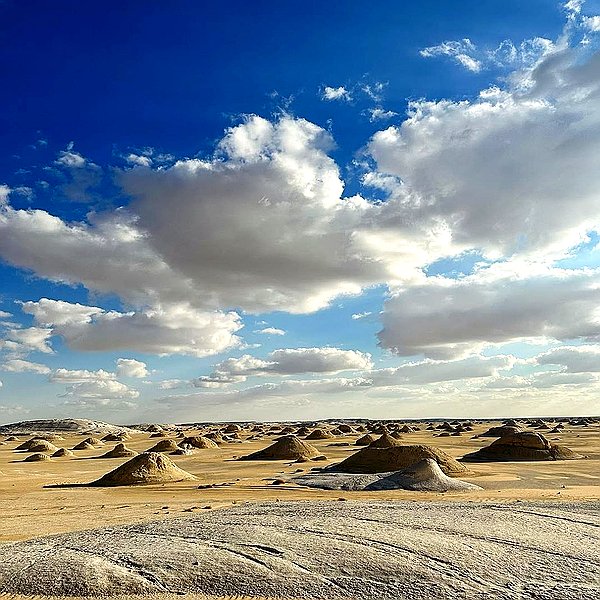
Once your safari moves beyond Bahariya Oasis and deeper into the Western Desert, large settlements disappear.

The horizon becomes wider.

Artificial lighting becomes limited to the camp itself and occasional vehicles.

That makes the transition from Cairo particularly noticeable.

You do not necessarily need technical astronomy knowledge to enjoy the difference.

Many travelers simply sit outside the tent after dinner and look upward.

Where Is the White Desert?

The White Desert lies within Egypt’s Western Desert, associated with the region between Bahariya and Farafra.

Short White Desert trips from Cairo normally approach the area through Bahariya Oasis.

Egypt’s official tourism platform describes Bahariya as roughly 370 km southwest of Cairo and the closest major Western Desert oasis to the capital.

A standard route can look like:

Cairo

Bahariya Oasis

Black Desert

El Haize

Crystal Mountain

Valley of Agabat

White Desert

Overnight Camp

This means stargazing is not an isolated activity.

It becomes the final experience after a full day of desert exploration.

If you want to understand the transport first, read How to Get to White Desert Egypt from Cairo.

What Happens Before Stargazing?

A White Desert night normally begins long before the stars appear.

The current 2-Day White Desert Tour from Cairo starts with the journey to Bahariya before continuing by 4×4 through several major desert landscapes.

The route includes:

  • Black Desert
  • El Haize
  • Crystal Mountain
  • Valley of the Watermelon
  • Sand dunes
  • Valley of Agabat
  • Old and New White Desert formations

By late afternoon, the safari reaches the camping area.

The timing matters because sunset itself is one of the highlights.

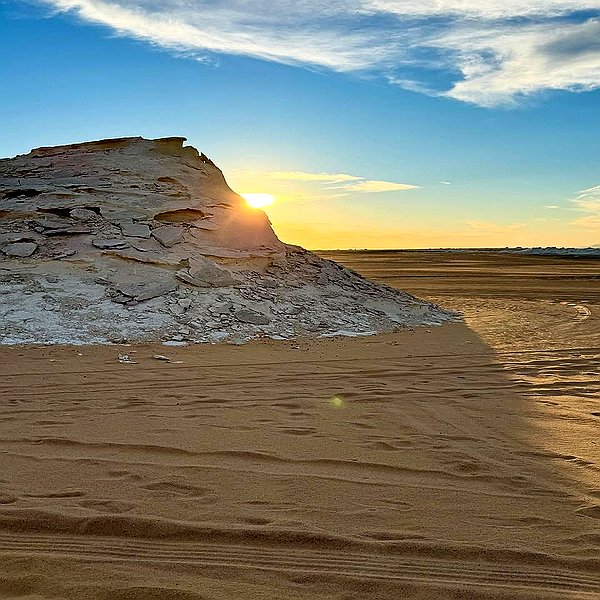
The White Desert formations gradually change color as direct sunlight disappears.

Long shadows stretch across the ground.

The landscape becomes softer.

Then the camp is prepared.

The daytime safari ends and the night experience begins.

What Is a White Desert Stargazing Night Actually Like?

Travelers sometimes imagine a formal astronomy tour with a large telescope and an astronomer explaining constellations.

A normal White Desert camping night is usually much simpler.

And for many travelers, that is exactly what makes it memorable.

After sunset:

Camp is arranged.

Dinner is prepared.

Tea is served.

Travelers gather near the fire.

Conversation slows down.

Phones become less important.

As camp lights are reduced, the surrounding desert becomes much darker.

You may sit outside the tent.

Walk a short distance from the brightest camp light where your guide says it is safe.

Take photographs.

Watch the Moon rise.

Look for recognizable constellations.

Or simply lie back and enjoy the sky.

For a full breakdown of tents, bedding, meals and overnight expectations, read our White Desert Camping Experience.

You can also use our more practical White Desert Camping Guide before booking.

Does the Moon Affect Stargazing in the White Desert?

Yes — significantly.

This is one of the most important things travelers should understand.

A bright Moon can make the desert beautiful, but it also brightens the sky.

That means fewer faint stars are visible.

NASA’s stargazing guidance specifically notes that bright moonlight creates skyglow and makes faint objects such as the Milky Way more difficult to see.

New Moon

A new-moon period is generally the best choice if your priority is:

  • Faint stars
  • Milky Way photography
  • Meteor watching
  • Deep night-sky photography
  • Maximum darkness

Full Moon

A full moon creates a completely different experience.

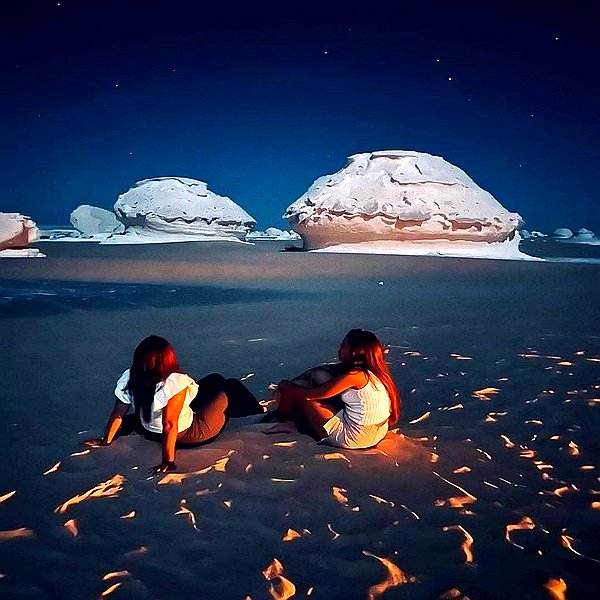
You may see fewer faint stars, but the moonlight can illuminate the White Desert formations and produce beautiful night landscapes.

For some photographers, that is actually desirable.

So the question is not:

“Is a full moon bad?”

The better question is:

“What type of night experience do I want?”

New Moon vs Full Moon: Which Should You Choose?

Choose a new moon or darker lunar period if you want the strongest possible star visibility.

Choose a brighter Moon if you are more interested in seeing and photographing the illuminated desert landscape at night.

Priority

Better Lunar Conditions

Faint stars

New Moon

Milky Way

Darker lunar period

Meteor shower

Darker lunar period

Moon photography

Brighter Moon

Illuminated formations

Brighter Moon

Romantic moonlit desert

Full or bright Moon

Deep-sky photography

Darker Moon

NASA recommends checking both the Moon phase and moonrise/moonset times, because a bright Moon may not necessarily remain above the horizon all night.

That means even a trip outside the exact new-moon date can still provide useful dark-sky hours.

Can You See the Milky Way in the White Desert Egypt?

It can be possible, but no responsible operator should promise that every traveler will see the Milky Way exactly as it appears in edited astrophotography.

Its visibility depends on several factors:

  • Time of year
  • Time of night
  • Moon phase
  • Moonrise and moonset
  • Weather
  • Clouds
  • Dust
  • Atmospheric clarity
  • Your eyesight
  • Artificial lighting
  • Location of the camp

The Milky Way is also not positioned identically in the sky throughout the year.

If seeing or photographing it is a major reason for booking your trip, check an astronomy or sky-map app for your exact dates before choosing your departure.

A darker night around new moon generally gives you a better chance of seeing faint features than a bright full-moon night.

NASA likewise emphasizes both dark locations and lunar conditions when planning Milky Way observation.

What Is the Best Time of Year for White Desert Stargazing?

Stargazing itself is possible whenever skies and conditions cooperate.

But comfort matters.

For most travelers, the more comfortable overall season for a White Desert safari is generally October through April.

During this period:

  • Daytime desert exploration is usually more comfortable.
  • Overnight camping is easier than during peak summer heat.
  • Travelers can spend longer outside.
  • Photography and walking are more pleasant.

Our detailed Best Time to Visit White Desert Egypt guide recommends roughly October–April for most travelers and specifically notes camping and stargazing as major reasons the cooler season works well.

However, there is an important distinction:

The best season for comfortable desert camping is not automatically the perfect astronomical night for every target.

If your goal is simply “beautiful stars and a desert night,” choose dates based primarily on comfortable travel conditions.

If your goal is specifically “photograph the Milky Way core,” also check astronomical visibility for your exact date.

Is Winter Good for Stargazing in the White Desert?

Yes, but pack properly.

Winter provides comfortable daytime sightseeing for many travelers, while nights can become cold.

That is easy to underestimate.

People arrive in Egypt expecting heat.

Then they spend hours outside after sunset and discover that a desert night feels completely different.

Winter stargazing is much more enjoyable when you have:

  • Warm jacket
  • Layers
  • Long trousers
  • Closed shoes
  • Hat or warm head covering when needed
  • Proper sleeping equipment

The current site’s two and three-day White Desert tours include tents, mattresses and blankets, but personal warm clothing remains important.

For a full checklist, read What to Pack for White Desert Egypt.

Is Summer Good for White Desert Stargazing?

A summer night can still have stars.

The larger issue is the overall safari experience.

Daytime temperatures can make:

  • 4×4 stops
  • Walking
  • Photography
  • Camp setup
  • Outdoor exploration

less comfortable.

This is why most first-time visitors prefer the cooler part of the year.

If your schedule only allows summer, speak with the operator about current conditions and route timing rather than assuming the same itinerary feels identical year-round.

What Weather Is Best for Stargazing?

The ideal night is:

  • Clear
  • Dry
  • Relatively low in airborne dust
  • Comfortable enough to stay outside
  • Dark during the hours you want to observe

Clouds obviously block stars.

But desert dust and haze can also reduce clarity.

Wind matters too.

A windy night may still have excellent stars, but photography and comfort can become more difficult.

NASA recommends checking weather, wind and atmospheric conditions before planning a dedicated stargazing session.

Weather cannot be guaranteed months in advance, so treat stargazing as a natural experience rather than a scheduled performance.

Is a 2-Day White Desert Tour Enough for Stargazing?

Yes.

For most travelers, two days and one night is enough to experience the classic White Desert stargazing night.

The 2-Day White Desert Tour from Cairo includes:

Cairo pickup
→ Bahariya
→ 4×4 safari
→ Black Desert
→ El Haize
→ Crystal Mountain
→ Valley of Agabat
→ White Desert sunset
→ Dinner
→ Campfire
→ Stargazing
→ Overnight camp
→ Sunrise
→ Cairo

This is the best option if you have limited time.

You still receive the complete day-to-night transition.

And you avoid trying to turn the White Desert into a rushed day trip.

Is a 3-Day Trip Better for Stargazing?

It can be — especially if night photography is important.

There are two different three-day products on the site.

3-Day White Desert Tour

The 3-Day White Desert Tour from Cairo includes:

  • One Bahariya hotel night
  • One White Desert camping night
  • Bahariya Oasis sightseeing
  • Black Desert
  • Crystal Mountain
  • Agabat
  • White Desert

This is best if you want a slower overall trip with one stargazing night.

3-Day White Desert Safari

The 3-Day White Desert Safari from Cairo is stronger if camping and night skies are the priority.

Its current itinerary includes:

  • Night 1 camping around Agabat
  • Night 2 camping in the White Desert
  • Two sunsets
  • Two desert nights
  • Two opportunities for stargazing conditions

That matters because astronomy is weather-dependent.

Two nights give you two opportunities instead of one.

They also give photographers two different foreground environments.

For dedicated stargazing travelers, this is one of the strongest options on the site.

2-Day vs 3-Day Safari for Stargazing

Feature

2-Day Tour

3-Day Safari

Desert camping nights

1

2

Stargazing nights

1

2

Agabat camp

No

Yes

White Desert camp

Yes

Yes

Best for short schedules

Excellent

Good

Best for night photographers

Good

Excellent

Weather backup opportunity

Limited

Better

Adventure level

Moderate

Higher

Travelers comparing the wider trip rather than only the night sky should read White Desert Itinerary: 2 Days vs 3 Days vs 4 Days.

Stargazing vs White Desert Camping: Are They the Same Search Intent?

Not exactly.

Camping describes where and how you spend the night.

Stargazing describes what you want to experience during that night.

That is why these pages should support each other rather than compete.

If your questions are about:

  • Tent
  • Mattress
  • Food
  • Toilets
  • Sleeping setup
  • Camp comfort

read White Desert Camping.

If your questions are about:

  • Stars
  • Moon phase
  • Night photography
  • Milky Way
  • Dark sky
  • Best conditions

stay on this stargazing guide.

This separation keeps each page focused on a clear search intent.

How to Get the Best Stargazing Experience

You do not need to be an astronomer.

A few small decisions make a large difference.

  1. Check the Moon Phase

If faint stars are your priority, travel closer to a new moon.

  1. Check Moonrise and Moonset

A Moon may rise late or set early, giving you darker hours even when it is not a new moon.

NASA’s current Moon Phase resources explain how lunar phases change throughout the roughly 29.5-day lunar cycle.

  1. Reduce Bright Light

Avoid shining powerful white lights unnecessarily.

  1. Give Your Eyes Time

Do not expect to step away from a bright campfire or phone screen and immediately see the faintest stars.

  1. Put the Phone Down

Your phone screen damages dark adaptation.

NASA’s beginner skywatching guidance notes that human eyes can require around 30 minutes to adapt well to darkness and recommends avoiding bright white light during observation.

  1. Stay Outside

The best observation is often not immediately after sunset.

Allow the sky to become fully dark.

Should You Use a Red Headlamp?

If astronomy or astrophotography is important to you, a red-light headlamp can be useful.

Red light is less disruptive to night vision than bright white light.

That allows you to:

  • Check camera settings
  • Find equipment
  • Move around camp carefully
  • Preserve better dark adaptation

NASA similarly recommends red light when stargazing to reduce the effect of bright screens and flashlights on night vision.

You do not need specialized equipment for a casual White Desert trip, but photographers may appreciate it.

Do You Need a Telescope?

No.

A telescope can be fun, but it is not necessary to enjoy the White Desert night sky.

For many travelers, the attraction is the wide view.

You want to see:

  • Stars above the formations
  • Moonlight on the desert
  • The horizon
  • Constellations
  • Campfire below the sky
  • Wide celestial landscapes

Binoculars can be useful for casual skywatching, but even they are optional.

Your eyes are enough to enjoy the basic experience.

White Desert Stargazing for Beginners

If you have never looked seriously at a night sky before, start simply.

Do not immediately worry about identifying every star.

First, give your eyes time to adapt.

Then look for:

  • The brightest stars
  • The Moon when visible
  • Familiar constellation patterns
  • Planets when present
  • Changes in star density across different parts of the sky

A sky-map application can help identify objects based on your exact location and date.

If you use your phone, reduce screen brightness or use a red-night setting so you do not repeatedly destroy your dark adaptation.

White Desert Astrophotography Tips

The White Desert is particularly strong for night photography because the landscape provides foreground subjects.

Instead of photographing an empty sky, you can use:

  • Chalk formations
  • Tent
  • 4×4 vehicle
  • Campfire
  • Human silhouette
  • Rock arch or mushroom formation
  • Desert horizon

For more detailed camera planning, read our White Desert Photography Tips.

That article covers daylight, sunset, sunrise and night photography so this guide can stay focused on astronomy.

Beginner Camera Settings for Stars

Camera settings depend on your equipment and conditions, but a useful starting point for a modern interchangeable-lens camera is:

  • Manual exposure
  • Wide aperture
  • High ISO
  • Long but not excessively long shutter speed
  • Manual focus near infinity
  • RAW format
  • Tripod

A starting experiment might be:

Aperture: f/1.8–f/2.8
ISO: 1600–6400
Shutter: roughly 10–20 seconds

Then review the image and adjust.

Do not treat these numbers as fixed rules.

A 14 mm lens behaves differently from a 35 mm lens.

Moonlight changes exposure.

Modern cameras vary enormously in high-ISO performance.

The goal is to experiment once the camp becomes dark.

How to Photograph the Milky Way

If the Milky Way is visible during your trip:

  1. Use a tripod.
  2. Use your widest practical lens.
  3. Focus manually on a bright star.
  4. Use a wide aperture.
  5. Begin with a high ISO.
  6. Use a shutter speed short enough to limit obvious star trails.
  7. Shoot RAW.
  8. Include a White Desert formation in the foreground.

The foreground is what gives your photo a sense of place.

Otherwise, your image could have been taken in many dark-sky destinations around the world.

A chalk formation immediately tells the story:

this is the White Desert.

Campfire and Star Photography

Campfires look beautiful beneath stars, but they create a technical challenge.

The fire is extremely bright compared with the sky.

If you expose perfectly for the stars, the fire may become overexposed.

Try:

  • Moving farther from the fire
  • Using the fire at the edge of the composition
  • Taking separate exposures
  • Photographing silhouettes
  • Waiting until the fire becomes smaller
  • Using the warm camp light as a deliberate contrast

Do not ask the camp team to create excessive fire or lighting purely for a photograph.

Keep the experience natural and responsible.

Sunrise After Stargazing

Do not stay awake until sunrise unless that is genuinely what you want.

One of the benefits of camping is that you can sleep and still wake just before first light.

The morning experience is worth preserving energy for.

Sunrise creates:

  • Long shadows
  • Soft light
  • Empty-looking landscapes
  • Strong formation silhouettes
  • Quiet campsite scenes

Our existing White Desert Photography Tips specifically identifies sunrise, late afternoon, sunset, blue hour and night as the strongest photographic periods.

A good overnight trip gives you all of them.

What Should You Pack for Stargazing?

The main difference between daytime sightseeing and stargazing is that you spend more time sitting still after temperatures have dropped.

Useful items include:

  • Warm jacket
  • Layers
  • Long trousers
  • Comfortable closed shoes
  • Hat
  • Small flashlight or headlamp
  • Red headlamp if you have one
  • Camera
  • Tripod
  • Spare batteries
  • Power bank
  • Lens cloth
  • Personal medication
  • Water
  • Small day bag

Camera batteries may also perform worse in colder conditions, so a spare is useful.

For the full safari checklist, read What to Pack for White Desert Egypt.

Is White Desert Stargazing Safe?

Stargazing itself is simple.

The important factor is the remote desert environment around you.

Travel with an organized desert team that understands:

  • Routes
  • Camping locations
  • Vehicle requirements
  • Current access conditions
  • Navigation
  • Weather
  • Local regulations

Egypt’s official tourism platform recommends arranging excursions from Bahariya with experienced licensed guides and suitable 4×4 vehicles, and checking current permit and logistics requirements before heading out.

Read our dedicated White Desert Egypt Safety Guide for broader safety planning.

At night, do not wander far from camp without informing your guide.

The darkness that makes the sky beautiful also makes desert navigation more difficult.

Where Can You Camp in the White Desert?

Camping should be arranged according to current protected-area access rules and designated operating practices.

Do not assume that every scenic formation is automatically an acceptable campsite.

The White Desert is a protected natural area with different management zones and environmental restrictions.

The official White Desert management plan includes zones with different levels of access and explicitly prohibits camping in certain strictly protected areas.

This is another reason to use an experienced local operator rather than attempt to select your own random campsite.

Responsible Stargazing and Camping

The goal is to enjoy darkness without damaging the environment.

Good practices include:

  • Keep artificial lighting limited.
  • Do not leave rubbish.
  • Do not damage chalk formations.
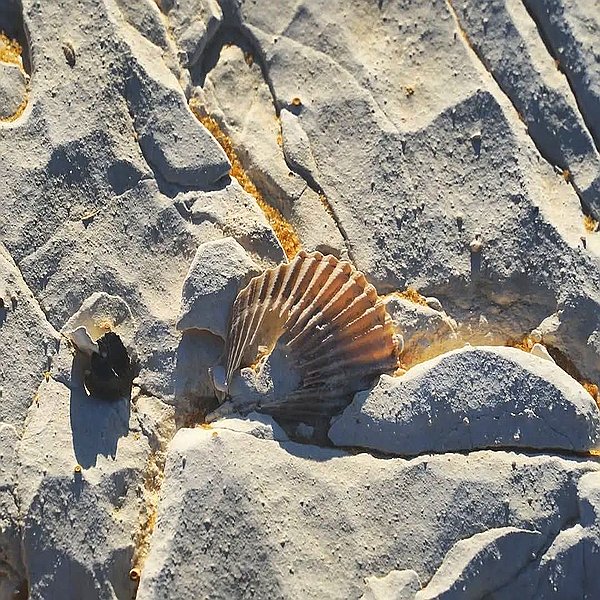
  • Do not remove rocks or fossils.
  • Follow camp-location rules.
  • Avoid unnecessary vehicle movement at night.
  • Follow your guide’s instructions.
  • Keep noise reasonable.
  • Leave the area as you found it.

The White Desert’s silence is part of what makes the stargazing experience special.

Do not recreate the noise and light of the city in the middle of the desert.

Is White Desert Stargazing Good for Couples?

Yes.

It is one of the strongest short romantic adventure experiences from Cairo.

A couple can combine:

  • 4×4 safari
  • Sunset
  • Private desert scenery
  • Dinner
  • Campfire
  • Stargazing
  • Overnight camping
  • Sunrise

A private tour provides more flexibility and privacy than a shared departure.

For couple-specific planning, read White Desert Egypt for Couples.

If privacy and customization are major priorities, also see Private White Desert Egypt Tours.

Is Stargazing Suitable for Families?

Yes, especially for children old enough to enjoy staying outside after dark.

A desert night can become educational without feeling like a lesson.

Children can:

  • Identify stars
  • Look for constellations
  • Watch the Moon
  • Experience darkness away from cities
  • Learn about the desert
  • Wake for sunrise

Parents should still consider:

  • Cold nighttime temperatures
  • Sleeping arrangements
  • Driving time from Cairo
  • Children’s normal bedtime
  • Appropriate warm clothing

For a full family-focused guide, read White Desert Tour for Families.

What About Solo Travelers?

Solo travelers can enjoy stargazing just as much as couples or groups.

A shared trip may provide a more social camp environment.

A private tour offers greater flexibility.

If photography is your main reason for visiting, private travel may be useful because you can discuss timing and photo stops more easily with your guide.

For solo-specific planning, see White Desert Tour for Solo Travelers.

How Much Does a White Desert Stargazing Trip Cost?

There is no useful universal price for a White Desert stargazing trip because stargazing is normally included as part of a wider overnight safari rather than sold as a separate ticketed activity.

Cost depends on factors such as:

  • Number of days
  • Number of travelers
  • Private or shared tour
  • Number of camping nights
  • Transport
  • 4×4 requirements
  • Accommodation
  • Route
  • Customization

We intentionally do not duplicate changing prices here.

For detailed pricing intent, use our dedicated:

White Desert Egypt Cost Guide

Then compare the actual itinerary you want.

For one camping night, see the 2-Day White Desert Tour.

For two camping nights, see the 3-Day White Desert Safari.

White Desert vs Fayoum for Stargazing

Fayoum is closer to Cairo and can offer enjoyable desert camping.

But the White Desert is the stronger choice when you want stargazing to be part of a deeper safari experience.

Fayoum

Best for:

  • Shorter travel time
  • One-night escape
  • Wadi El Hitan
  • Lakes and dunes
  • Nature-focused weekends

White Desert

Best for:

  • Remote desert atmosphere
  • Chalk formations
  • 4×4 safari
  • Agabat
  • Camping under the stars
  • Sunrise among formations

If you are choosing the best overall desert trip rather than only night-sky conditions, read Best Desert Safari from Cairo.

White Desert vs Siwa for Stargazing

Siwa also offers remote desert experiences through the Great Sand Sea.

However, it requires more time from Cairo.

Choose White Desert when you have:

  • 2–3 days
  • Camping as a major priority
  • Interest in chalk landscapes
  • Limited time from Cairo

Choose Siwa when you have:

  • 3–5+ days
  • Interest in salt lakes
  • Oasis culture
  • Great Sand Sea safari
  • Historical attractions

For a broader comparison of the two destinations, explore our Siwa Oasis and White Desert Tour.

Can You Stargaze Without Camping?

Technically, yes.

But from a travel-planning perspective, overnight camping is by far the better option.

If you enter the White Desert and then rush out before night, you lose:

  • Full darkness
  • Camp atmosphere
  • Late-night stars
  • Sunrise
  • The transition from day to night

This is one reason we do not generally recommend trying to force the destination into a highly compressed same-day visit from Cairo.

Read White Desert Day Trip from Cairo if you are deciding whether staying overnight is worth the extra time.

Common White Desert Stargazing Mistakes

  1. Expecting Every Night to Look Like an Astrophotography Image

Cameras can capture more faint detail than the human eye.

Enjoy the real sky rather than comparing it with processed long-exposure photographs.

  1. Ignoring the Moon

A bright full moon changes the sky dramatically.

Check the lunar phase.

  1. Looking at Your Phone Constantly

Bright screens reduce your dark adaptation.

  1. Packing Only for Daytime Heat

Desert nights can be cold.

  1. Forgetting a Tripod

If you want serious star photography, bring one.

  1. Expecting Guaranteed Milky Way Visibility

Season, weather, Moon and timing all matter.

  1. Wandering Far From Camp at Night

Always follow your guide’s advice.

  1. Using Bright Lights Everywhere

Reduce unnecessary white light around the campsite.

  1. Booking Only by Price

Compare the route, camping nights and overall experience using our White Desert Egypt Cost Guide.

Best White Desert Stargazing Itinerary for First-Time Visitors

If you have limited time, use this structure:

Day 1

Cairo
→ Bahariya Oasis
→ Black Desert
→ El Haize
→ Crystal Mountain
→ Valley of Agabat
→ White Desert
→ Sunset
→ Dinner
→ Campfire
→ Stargazing
→ Overnight camp

Day 2

Sunrise
→ Breakfast
→ White Desert formations
→ Bahariya
→ Cairo

That is the simplest way to combine the major desert sights with one complete night experience.

Explore the 2-Day White Desert Tour from Cairo.

Best Itinerary for Serious Stargazing and Night Photography

If you can add one day, choose a safari with two camping nights.

The current 3-Day White Desert Safari includes:

Night 1

Agabat area.

Night 2

White Desert.

This gives you:

  • Two night-sky sessions
  • Two foreground environments
  • Two sunset opportunities
  • Better flexibility if one night has less favorable conditions
  • More time for astrophotography
  • Less pressure to capture everything in one evening

For photographers, that extra night can have more value than adding another daytime attraction.

Why White Desert Stargazing Is Worth the Trip

The White Desert night is not memorable because someone guarantees that you will see a specific constellation or photograph.

It is memorable because of the contrast.

You begin in Cairo.

You spend the day moving deeper into the Western Desert.

The roads disappear.

The horizon expands.

The White Desert formations appear.

The sun goes down.

The last daylight leaves the rocks.

Dinner is served in a place with no city around it.

Then you look upward.

Even travelers who know nothing about astronomy often remember that moment.

The stars are only one part of it.

The silence, darkness, open horizon, cool air and unusual landscape all work together.

That is what turns stargazing from an activity into an experience.

White Desert Egypt Stargazing: Final Verdict

If stargazing is one of the reasons you want to visit Egypt’s desert, the White Desert deserves a place near the top of your list.

It combines a remote night-sky environment with one of Egypt’s most recognizable natural landscapes.

For most travelers, the best approach is simple:

Choose an overnight safari rather than a day trip.

If you have only two days, one White Desert camping night gives you the classic experience.

If astronomy, camping or night photography is a major priority, choose a three-day safari with two desert nights.

For darker conditions, plan closer to the new moon and check moonrise and moonset.

If you love moonlit landscapes, a brighter Moon can create a completely different but equally memorable White Desert night.

Check the weather close to departure.

Bring warm layers.

Bring a tripod if you photograph stars.

Reduce bright light after dinner.

And give your eyes time to adjust.

Then stop worrying about whether the sky looks exactly like Instagram.

Sit outside.

Look up.

And enjoy being somewhere that feels very far from Cairo.

Ready to Go Stargazing in the White Desert?

If you have 2 days and want one classic camping night:

Explore the 2-Day White Desert Tour from Cairo

If you want two desert camping nights and stronger stargazing opportunities:

Explore the 3-Day White Desert Safari from Cairo

If you prefer one Bahariya hotel night + one White Desert camp night:

Explore the 3-Day White Desert Tour from Cairo

If your main question is budget:

Read the White Desert Egypt Cost Guide

If you want to compare multiple desert experiences:

Explore Egypt Desert Safari Packages

White Desert Egypt Tour TripAdvisor reviews

star ratingUnforgettable experience  - My wife and I went on a safari with Western Desert travel and it was an amazing experience. The White Desert was enchanting, Crystal Mountain was breathtaking, and the Black... read more

avatar thumb Nicholas8B
January 24, 2026

star ratingA great experience in the White Desert  - Mohamed is an exceptional tour guide, polite, knowledgeable, and fluent in English. He is calm, well-educated, and makes the experience truly enjoyable. Our trip with him was nothing short of... read more

avatar thumb JustinL9m
February 23, 2025

star ratingExcellent service  - The White Desert tour with Western Desert travel Company was an unforgettable experience. Excellent organization and great service. Thank you!

avatar thumb Gary4S
January 24, 2026
White Desert Egypt Stargazing FAQ

Frequently Asked Questions

Everything you need to know about White Desert Egypt stargazing, overnight camping, Milky Way viewing and night-sky photography.

Yes. The White Desert's remote location away from major city lighting makes overnight camping attractive for stargazing. Actual visibility depends on cloud cover, dust, Moon phase and other atmospheric conditions.

It can be visible when the season, time of night, weather and Moon phase are favorable. Travelers specifically hoping to see or photograph it should check astronomical conditions for their exact travel dates.

A new-moon period is generally best for observing faint stars and the Milky Way because there is less moonlight brightening the sky.

A full moon reduces the visibility of faint stars, but it can beautifully illuminate White Desert formations. It is better for moonlit landscapes than deep-sky viewing.

For most travelers, October through April provides the most comfortable combination of desert sightseeing and overnight camping conditions. Astronomical visibility still varies by date.

Camping is strongly recommended because it allows you to stay after full darkness, enjoy several hours of night sky and wake for sunrise without leaving the desert.

Yes. A two-day tour with one camping night provides the classic White Desert sunset, dinner, campfire, stargazing and sunrise experience.

It can be. The current three-day safari includes two desert camping nights, giving travelers two opportunities for stargazing and night photography.

No. The night sky can be enjoyed with the naked eye. A telescope or binoculars are optional rather than necessary.

Yes. A camera with manual controls, a wide lens and a tripod is enough to begin experimenting with night-sky photography.

A common starting point is a wide aperture, high ISO and exposure of roughly 10–20 seconds, but the ideal settings depend on the lens, camera, Moon and available light.

Bring warm layers, comfortable shoes, a flashlight or headlamp, personal medication and a power bank. Photographers should add a tripod, spare batteries and camera equipment.

It can be enjoyed as part of an organized safari with experienced desert guides and suitable vehicles. Travelers should stay near camp at night and follow their guide's instructions.

Yes. Private White Desert tours are particularly suitable for couples who want greater privacy, flexible stops and a personalized camping experience.

The White Desert is generally the stronger choice for travelers wanting a remote overnight safari combined with dramatic chalk formations. Fayoum is more convenient for a shorter trip from Cairo.

Yes, provided families prepare for the road journey, nighttime temperatures and camping conditions. A private tour offers greater flexibility for children.

Stargazing is normally part of an overnight White Desert safari rather than a separate activity. Costs depend on duration, travelers, private or shared format, camping nights and itinerary.

Leave a Comment

Your email address will not be published. Required fields are marked *