White Desert Egypt Plants: Desert Vegetation, Springs & Oasis Ecology

White Desert Egypt Plants: Desert Vegetation, Springs & Oasis Ecology

At first glance, Egypt’s White Desert seems almost completely lifeless.

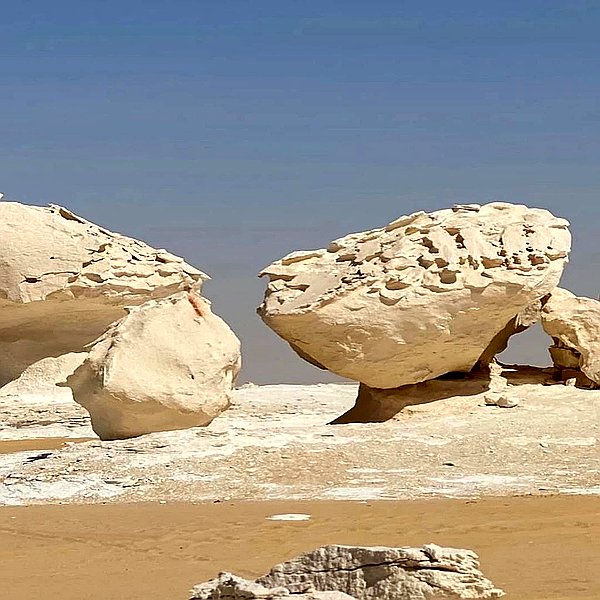
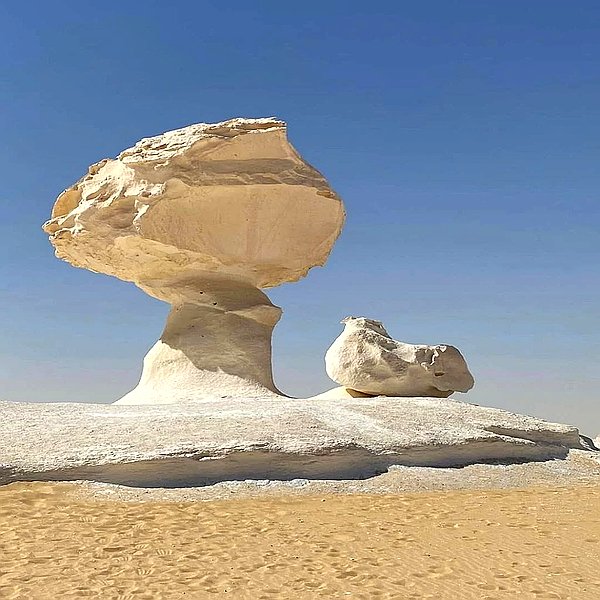
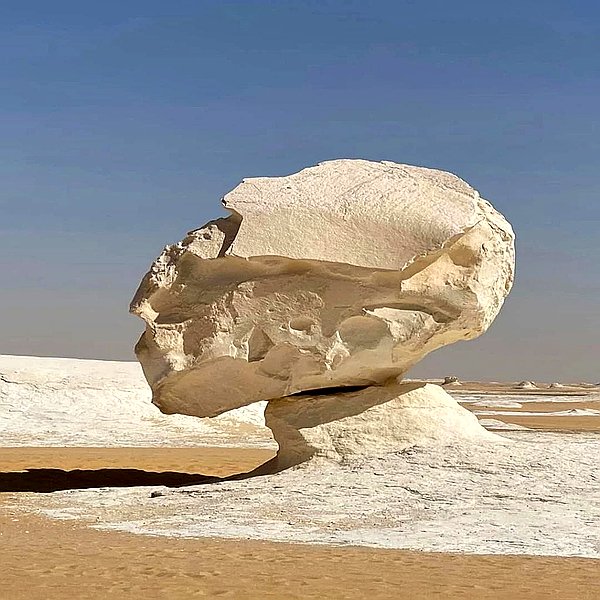
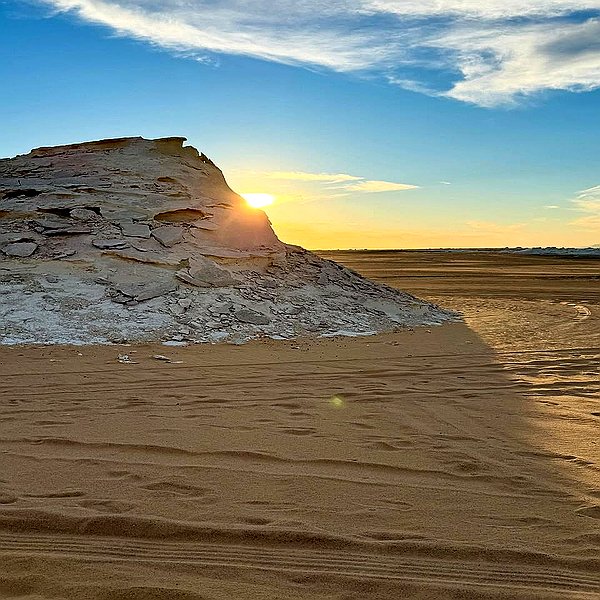
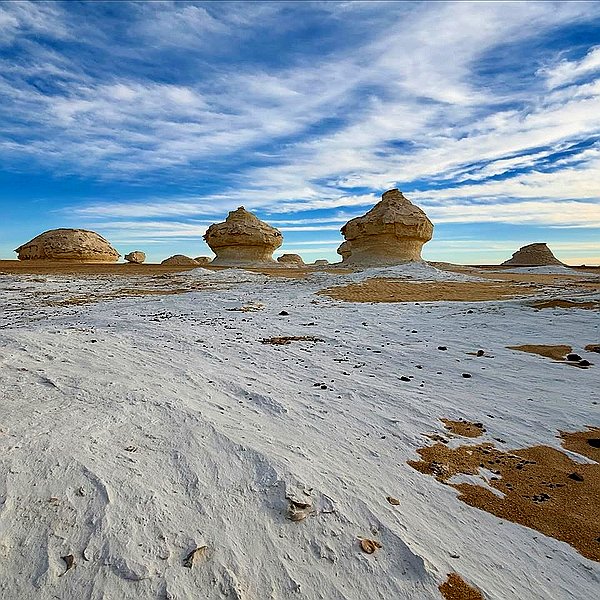
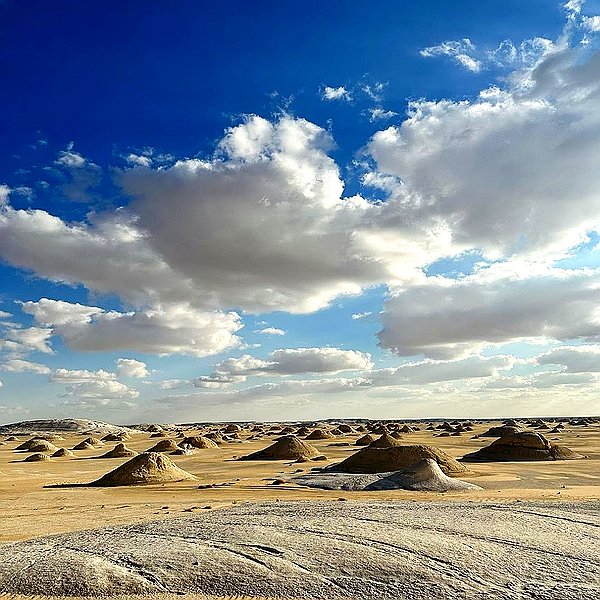
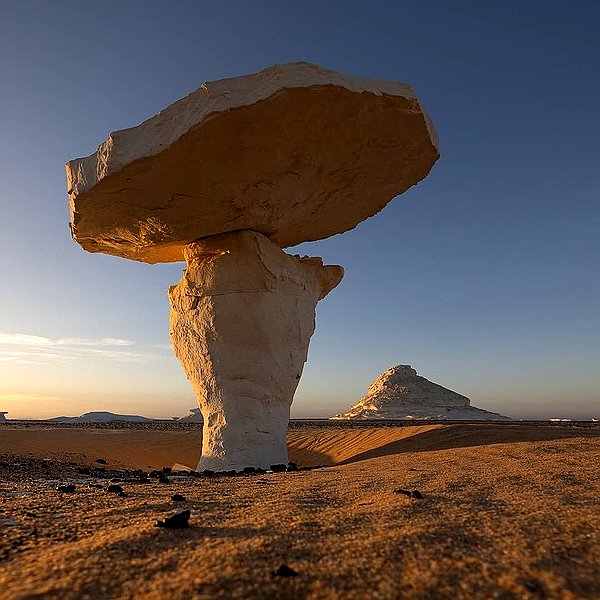
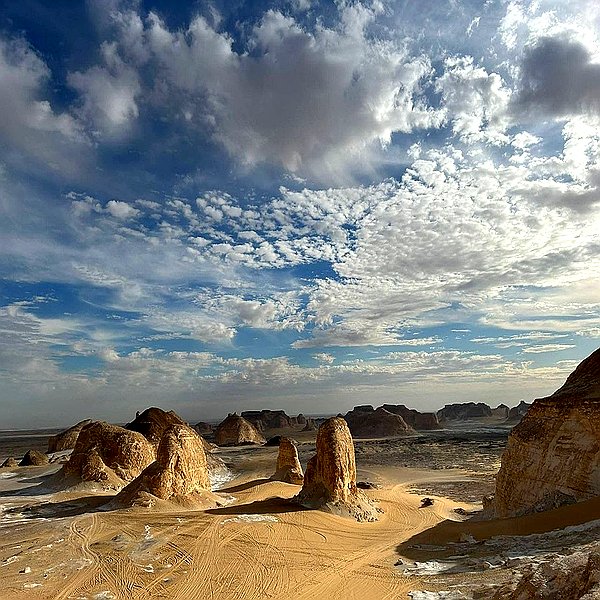
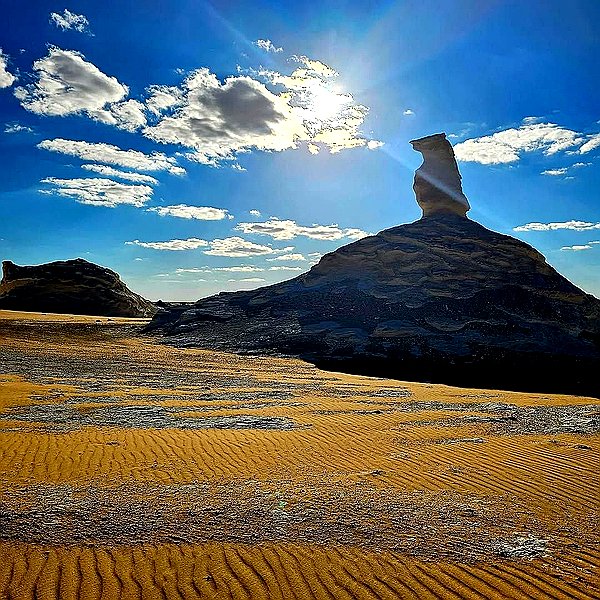
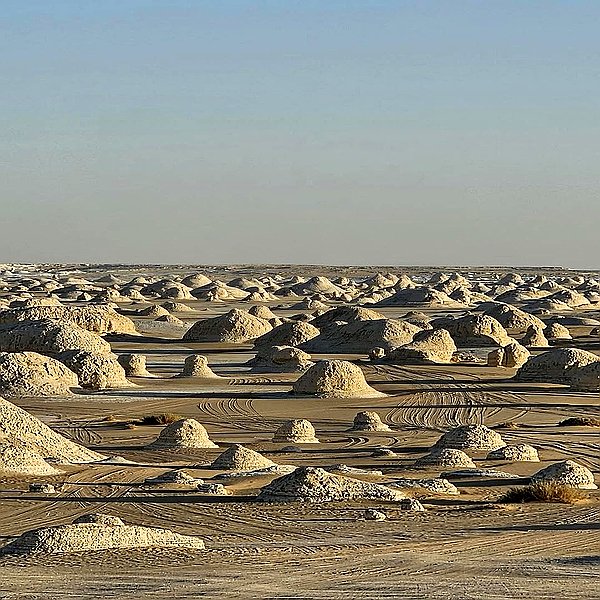
White chalk covers the ground.

Golden sand fills the spaces between strange rock formations.

Rain is extremely rare.

Temperatures can climb sharply during the day.

And in many areas, you can travel for long distances without seeing anything that looks remotely green.

Yet plants survive here.

Not everywhere.

Not densely.

But in precisely the places where geology and water make life possible.

Around desert springs, palms rise above the sand.

Tamarisk and acacia survive in isolated pockets.

Reeds grow where groundwater reaches the surface.

Salt-tolerant shrubs occupy soils where many other plants could not survive.

Grasses appear in wadis and depressions where moisture remains available longer than on exposed desert plains.

The official management plan for the White Desert Protected Area explains that vegetation depends primarily on groundwater and is concentrated around springs and within wadis. It records palms, acacias, tamarisk, reeds, desert grasses and several specialized shrubs among the plants of the protected landscape.

This vegetation may occupy only a tiny fraction of the desert.

Ecologically, however, it matters enormously.

A single green spring can provide:

  • Shade
  • Water
  • Seeds
  • Insects
  • Nesting sites
  • Shelter
  • Food for herbivores
  • Hunting opportunities for predators

In a hyper-arid environment, small patches of vegetation become biological islands.

This guide explores the plants and vegetation of Egypt’s White Desert, how they survive, why springs and groundwater are so important, which species have been recorded, how plants support wildlife, and why apparently insignificant desert shrubs deserve protection.

For the wider environmental story, read our White Desert Egypt Wildlife, White Desert Egypt Geology and Farafra Oasis Egypt guides.

Are There Plants in the White Desert Egypt?

Yes.

The White Desert Protected Area contains natural vegetation despite its extremely dry climate.

The official protected-area management plan lists plants including:

  • Stipagrostis spinosa
  • Tamarix nilotica
  • Cornulaca monacantha
  • Nitraria retusa
  • Date palm (Phoenix dactylifera)
  • Common reed (Phragmites australis)
  • Calligonum comosum
  • Desmostachya bipinnata
  • Cocculus pendulus
  • Acacia nilotica
  • Acacia raddiana
  • Salsola species
  • Alhagi species

The same document states that vegetation is concentrated primarily around springs and wadis because groundwater is the main source sustaining plant life.

So the White Desert is not vegetation-free.

It is vegetation-limited.

That distinction matters.

Why Is Vegetation So Sparse?

The White Desert receives extremely little rainfall.

The protected-area management plan characterizes the region as arid, with annual rainfall generally ranging from almost nothing to around 15 millimeters.

That creates several problems for plants:

  • Very little direct rainfall
  • Strong evaporation
  • Intense sunlight
  • Dry winds
  • Saline soils in some locations
  • Large temperature changes
  • Limited organic soil

In most ecosystems, plants depend heavily on regular rainfall.

Here, that strategy would fail.

Successful desert plants instead exploit:

  • Groundwater
  • Deep roots
  • Temporary moisture
  • Wadi runoff
  • Salt tolerance
  • Small or reduced leaves
  • Efficient water conservation

Survival depends on using every available drop.

Groundwater: The Secret Behind White Desert Vegetation

If you want to understand plants in the White Desert, start underground.

The landscape may look dry on the surface, but groundwater exists beneath parts of the Farafra Depression.

Where geological conditions allow groundwater to reach or approach the surface, springs can develop.

Suddenly the landscape changes.

Instead of bare chalk and sand, you may see:

  • Palms
  • Reeds
  • Grasses
  • Shrubs
  • Tamarisk
  • Other moisture-dependent vegetation

The White Desert management plan explicitly says that the park’s vegetation depends primarily on groundwater.

This is why one area can appear almost completely barren while another only a short distance away supports dense vegetation.

The difference is often water.

Why Are Springs So Important?

In a hyper-arid desert, a spring functions like an ecological magnet.

Water allows plants to grow.

Plants attract insects.

Insects attract birds and reptiles.

Seeds and vegetation provide food for rodents and herbivores.

Animals then attract predators.

One water source can therefore influence an entire local food web.

Egypt’s Environmental Affairs Agency has described White Desert wells and springs as important biodiversity habitats visited by animals and birds.

That means a spring is not simply a convenient place for travelers to stop.

It may be one of the most ecologically important locations in the surrounding desert.

Springs Inside the White Desert Protected Area

The protected-area management plan identifies several water-associated habitats, including small uninhabited oasis environments around Ain El Maqfi and Ain El Wadi, together with vegetated wadis.

It specifically describes these locations as important for biodiversity conservation.

Other protected-area records also refer to Ain El Sero and water sources associated with archaeological and ecological resources.

These spring environments show the relationship between:

geology → groundwater → vegetation → wildlife → human history

The same water that sustains plants today also helped make parts of the region attractive to people in earlier historical periods.

What Is a Wadi?

A wadi is a desert valley or drainage channel.

It may remain dry for years.

But when rainfall occurs, water can temporarily flow through the landscape and concentrate in lower ground.

Wadis can also collect:

  • Sediment
  • Seeds
  • Organic material
  • Moisture

That makes them much better environments for vegetation than completely exposed desert surfaces.

The White Desert management plan identifies vegetated Wadi Hennis as one of the park’s important landscape and biodiversity features.

To a traveler, it might simply look like a greener valley.

To a plant, it represents opportunity.

Date Palms in the White Desert and Farafra

Few plants symbolize Egyptian oases more strongly than the date palm.

The official White Desert plant list records Phoenix dactylifera, the date palm.

Date palms are particularly associated with places where groundwater or human-managed irrigation provides reliable moisture.

They are much more abundant around settled oases such as Farafra than across the open chalk desert.

A mature palm creates several ecological benefits.

Its canopy provides shade.

Organic material accumulates beneath it.

Birds can perch or nest.

Insects use the tree.

Other plants may benefit from the local microclimate.

A cluster of palms therefore becomes much more than a group of trees.

It creates vertical habitat in a landscape where vegetation is usually extremely low.

Date Palms and Human History

Not every plant in an oasis landscape should automatically be interpreted as completely wild.

Humans have cultivated and transported useful plants through desert environments for thousands of years.

The White Desert management plan itself notes that some plant populations may represent either isolated remnants of vegetation that was once more widespread or plants introduced historically through human activity.

Date palms are especially connected with oasis agriculture and settlement.

They provide:

  • Dates
  • Shade
  • Building material
  • Palm fronds
  • Protection for crops beneath their canopy

This is one reason palms became central to life in Egypt’s Western Desert oases.

Farafra Oasis Vegetation vs White Desert Vegetation

This distinction is important.

Farafra Oasis contains cultivated palm groves, agriculture, irrigation and much denser vegetation.

The White Desert Protected Area is dominated by natural desert habitat with vegetation concentrated around springs, wadis and a few small oasis environments.

So when travelers see dense date palms near Farafra town, they should not assume the entire White Desert once looked like that.

Different water conditions create radically different landscapes.

Read our Farafra Oasis Egypt guide for the oasis itself.

Tamarisk in the White Desert

Tamarix nilotica, commonly known as Nile tamarisk or simply tamarisk, appears on the official White Desert plant list.

Tamarisk is well suited to difficult environments.

Species in this genus are commonly associated with desert drainage systems, saline soils and water sources.

Their ability to survive where soil conditions are difficult makes them especially useful in oasis and wadi environments.

A tamarisk shrub may look unimpressive compared with a giant palm.

Ecologically, however, it can provide:

  • Shade
  • Shelter
  • Nesting structure
  • Insect habitat
  • Protection from wind

In open desert, even modest vegetation matters.

Acacia Trees in the White Desert

The White Desert management plan records both Acacia nilotica and Acacia raddiana among plants found in the protected landscape.

Acacias are among the most iconic trees of African and Middle Eastern drylands.

Their ability to survive extreme environmental conditions makes them important ecological structures.

One isolated acacia can provide:

  • Shade
  • Perches for birds
  • Protection for smaller plants
  • Food for insects
  • Shelter for reptiles and mammals

Because trees are so scarce in this landscape, a single mature specimen can function almost like a miniature ecosystem.

Why Acacia Trees Matter So Much

Imagine an open desert plain at midday.

Surface temperatures are high.

There is almost no shade.

Then one acacia appears.

Underneath it, the environment changes.

The ground receives less direct sunlight.

Wind is reduced.

Organic matter collects.

Animals can rest.

Birds can perch.

Insects concentrate.

A plant does not need to cover hectares of land to change an ecosystem.

Sometimes one tree is enough.

Reeds Around Desert Water

The official White Desert plant list includes common reed, Phragmites australis.

Reeds are closely associated with available moisture.

You would not expect them across dry chalk plains.

Instead, they appear around places where water remains sufficiently close to the surface.

Reed beds can provide:

  • Bird habitat
  • Insect habitat
  • Cover for small animals
  • Stabilization of wet soils

When you see reeds in a desert, they are effectively announcing:

there is water here.

Desert Grasses

Several grass species or grass-like plants occur in the protected area, including Stipagrostis spinosa and Desmostachya bipinnata.

Desert grasses play an important role because their roots can help stabilize sand and soil.

They also provide:

  • Seeds
  • Grazing material
  • Cover for small animals
  • Habitat for insects

Grass may seem unimportant compared with trees.

But across drylands, grasses often support the base of terrestrial food webs.

Stipagrostis and Desert Survival

Species of Stipagrostis are characteristic plants of extremely dry environments.

They can survive conditions where many conventional grasses would fail.

Their presence around suitable desert habitat reflects one of the most important principles of desert ecology:

survival does not require abundant water.

It requires efficient use of scarce water.

Plants adapted to arid regions often grow slowly and invest heavily in root systems rather than lush foliage.

This reduces water loss.

Nitraria retusa

Nitraria retusa is another shrub recorded in the White Desert management plan.

It is associated with dry and often saline environments.

Plants capable of tolerating salt are especially important in oasis landscapes because groundwater and evaporation can concentrate minerals near the soil surface.

For many plants, high salinity creates severe physiological stress.

Salt-tolerant shrubs occupy ecological spaces that less specialized species cannot.

Why Is Desert Soil Sometimes Salty?

Groundwater often contains dissolved minerals.

When water reaches the surface and evaporates, the water disappears but much of the salt remains.

Repeated evaporation can gradually increase soil salinity.

This process is especially common around:

  • Springs
  • Shallow groundwater
  • Closed desert depressions
  • Oasis margins

That means plants living near water sometimes face a strange problem:

there may be more moisture than elsewhere, but the soil can also be much saltier.

Successful species must tolerate both drought and salt.

Salsola: Plants Built for Harsh Ground

The official park list includes Salsola species.

Plants in this broad group are often associated with saline or highly arid environments.

They typically have features that reduce water loss and allow them to survive in soils unsuitable for many conventional plants.

These shrubs rarely become tourist attractions.

Yet they represent some of the most highly specialized life in the protected area.

Cornulaca monacantha

Cornulaca monacantha is another desert shrub recorded in the White Desert Protected Area.

Plants like this survive in open desert conditions where water may be extremely limited.

They contribute to the sparse vegetation mosaic that supports:

  • Insects
  • Rodents
  • Reptiles
  • Grazing animals

The landscape may appear almost empty between individual plants, but those scattered shrubs can still influence animal movement and feeding.

Calligonum comosum

The White Desert management plan also lists Calligonum comosum.

This type of desert shrub is associated with sandy and dune environments.

Plants growing on moving sand face an unusual challenge.

Their roots may become exposed.

Or the plant may be partly buried.

Species adapted to dune landscapes must cope with both conditions.

Vegetation can also slow wind near the ground and help stabilize small areas of sand.

Alhagi in Desert Habitats

Alhagi is included among the plants recorded by the protected-area management plan.

Plants in this group are known for their ability to survive dry environments using extensive root systems.

Deep-rooted plants can access moisture unavailable to shallow-rooted species.

This creates a huge advantage in desert regions where surface soil can remain dry for long periods.

Cocculus pendulus

The protected-area document specifically mentions Cocculus pendulus among the rarer or noteworthy plant resources of the White Desert.

The management plan emphasizes that some plant resources are scarce and should be preserved carefully.

This is an important conservation point.

A rare plant may not look spectacular.

But rarity is exactly what makes its survival significant.

How Do White Desert Plants Survive Without Rain?

There is no single strategy.

Different species use different combinations of adaptations.

Deep Roots

Some plants access underground moisture far below the dry surface.

Reduced Leaves

Small leaves reduce the area through which water can evaporate.

Salt Tolerance

Some plants survive soils where mineral concentrations are too high for other species.

Slow Growth

Growing slowly reduces water demand.

Dormancy

Seeds can remain inactive until environmental conditions improve.

Wadi Position

Plants in drainage systems benefit from occasional runoff.

Groundwater Access

Some communities survive primarily because underground water is available.

The successful strategy depends on habitat.

Do Desert Plants Store Water Like Cacti?

Some desert plants store water, but not all desert vegetation follows the cactus model.

The Sahara’s vegetation includes many shrubs, grasses and trees adapted through:

  • Roots
  • Leaf reduction
  • Salt regulation
  • Seasonal growth
  • Dormancy

rather than large water-storage tissues.

The classic cactus image is also strongly associated with the Americas.

Egyptian desert ecology looks different.

Why Don't More Trees Grow in the White Desert?

Water availability limits tree growth.

Large trees require substantial resources.

Across open White Desert terrain, groundwater may be too deep or inaccessible.

So trees tend to concentrate where water conditions are favorable.

This is why you may travel through kilometers of bare terrain and suddenly encounter palms or acacia around a spring.

Tree distribution maps water availability remarkably well.

How Plants Create Microclimates

A plant changes the environment immediately around itself.

Shade reduces soil temperature.

Roots influence soil structure.

Leaves slow wind.

Dead plant material adds organic matter.

Moisture may last longer beneath vegetation.

These changes create a microclimate.

In a humid forest, that effect may be hard to notice because plants are everywhere.

In a desert, it becomes dramatic.

The difference between bare ground and shade beneath one tree can be significant.

Plants and White Desert Wildlife

Vegetation forms the foundation of the White Desert food web.

Plants provide:

  • Seeds for rodents and birds
  • Leaves for herbivores
  • Nectar or plant material for insects
  • Shade for reptiles
  • Nesting locations
  • Shelter from predators

Animals then support predators such as foxes, owls and snakes.

This is why our White Desert Egypt Wildlife guide and this plant guide are closely connected.

Without plants, most terrestrial wildlife would struggle to survive.

Vegetation and Gazelles

Gazelles are among the mammals recorded in the White Desert Protected Area.

They depend on scattered vegetation across large territories.

In hyper-arid environments, herbivores often move considerable distances to find usable plants.

This makes habitat connectivity extremely important.

A shrub here.

A wadi there.

Vegetation around a water source.

Each patch may be part of a much larger survival network.

Plants and Desert Birds

Birds benefit from vegetation in several ways.

Trees and shrubs provide:

  • Perching sites
  • Nesting opportunities
  • Shade
  • Insects
  • Seeds

Vegetated springs may be particularly valuable to migratory birds crossing arid terrain.

A tiny green area that seems insignificant from a vehicle can represent one of the few available resting habitats across a huge desert.

Plants and Insects

Insects are another major reason desert plants matter.

Flowering vegetation can support pollinators.

Leaves support herbivorous insects.

Wood and roots provide microhabitats.

Predatory insects then feed on other invertebrates.

Birds and reptiles feed on insects.

The food web continues upward.

So even a small flowering shrub can influence much more of the ecosystem than its size suggests.

The Green Sahara and Ancient Vegetation

Today’s sparse vegetation should not be used to imagine how the Western Desert always looked.

During wetter prehistoric periods, parts of the Sahara supported significantly more vegetation.

Lakes and seasonal rainfall created habitats capable of supporting humans and larger wildlife.

Our White Desert Egypt Archaeology article explains how prehistoric settlements developed around ancient water sources.

Plant remains and evidence of plant processing from the wider Farafra region also show that prehistoric people depended on vegetation that was more widely available during wetter climatic phases.

The plants surviving today represent only the modern chapter of a much longer ecological story.

Plants, Geology and Groundwater

Why does a spring appear in one place rather than another?

Geology.

Rock layers influence groundwater movement.

Depressions influence drainage.

Fractures can allow water to rise.

Sediment controls how moisture is stored.

That means vegetation distribution is partly a geological phenomenon.

Our White Desert Egypt Geology guide explains the physical landscape.

This article explains what grows on top of it.

The two cannot really be separated.

Plants Around Chalk Formations

Most classic chalk formations appear within extremely sparse terrain.

You may see only occasional shrubs or grasses between white rocks.

This scarcity makes individual plants visually striking.

A green shrub beside a brilliant white formation creates an almost surreal contrast.

But visitors should resist the temptation to walk over plants simply to improve a photograph.

In hyper-arid landscapes, vegetation may take much longer to recover from damage than expected.

Why Native Plants Need Protection

White Desert vegetation is naturally scarce.

That means damage has a disproportionate impact.

If a forest loses one shrub, thousands remain nearby.

If a desert habitat loses one mature acacia, the nearest comparable tree may be far away.

The protected-area management plan explicitly identifies the conservation of native vegetation as part of the park’s objectives.

It also describes plant resources as scarce and potentially threatened.

Conservation in a desert is partly about protecting what little vegetation exists.

Never Cut Wild Plants for Campfires

One of the most important practical rules for White Desert camping is simple:

Do not collect native desert plants for firewood.

The White Desert management plan specifically identifies collecting wild plants for fuel as a management problem.

It instructs tour operators and visitors to use alternatives brought from outside the protected area instead of cutting native vegetation.

This matters because shrubs and trees grow slowly.

A plant that burns in twenty minutes may have taken years to develop.

Why Firewood Collection Is So Damaging

Removing vegetation affects more than the plant itself.

You may also remove:

  • Insect habitat
  • Bird perches
  • Shade
  • Seeds
  • Soil stabilization
  • Shelter for reptiles
  • Food for herbivores

Repeated firewood collection around popular camp locations can gradually turn a partially vegetated area into a barren one.

Responsible safari operators bring suitable fuel rather than harvesting the desert.

For more on overnight travel, read our White Desert Camping guide.

Off-Road Driving and Desert Plants

4×4 vehicles are essential for reaching many White Desert attractions.

But where they are driven matters.

The protected-area management plan identifies uncontrolled off-road tracks as an environmental issue and recommends limiting vehicles in sensitive habitats and guiding safari operators onto appropriate routes.

Vehicle tires can damage:

  • Shrubs
  • Grasses
  • Root systems
  • Soil crusts
  • Wadi vegetation

A track through open sand may recover.

A vehicle driven directly over a rare shrub cannot undo the damage.

Experienced desert drivers understand this difference.

Do Not Drive Through Green Areas for Photos

The temptation is obvious.

A 4×4 beside a lone desert tree makes a great picture.

That does not mean the vehicle needs to be parked directly beneath the tree.

Walk the final distance.

Use a longer lens.

Protect root zones.

Photography should document the landscape, not alter it.

Camping Near Springs

Springs are attractive camping locations because they offer:

  • Vegetation
  • Shade
  • Water
  • Wildlife activity

But precisely because they are attractive, they can become vulnerable to overuse.

Egyptian environmental authorities have previously noted the ecological pressure created by visitors around limited green areas and water sources in the White Desert.

Responsible camps should avoid:

  • Damaging reeds
  • Cutting trees
  • Leaving rubbish
  • Contaminating water
  • Blocking wildlife access

A spring is shared habitat.

Tourists are temporary visitors.

Can You Drink Water From White Desert Springs?

Do not assume that visible spring water is safe to drink untreated.

Water quality varies.

Mineral content can be high.

Some sources may be suitable for specific local uses but not ideal for unfiltered drinking.

Your desert team should carry appropriate drinking water.

Do not rely on finding safe natural water once you enter the desert.

Are White Desert Plants Medicinal?

Some desert plants have long histories of traditional use across Egypt and North Africa.

However, this article should not be treated as a guide to herbal medicine.

Plant identification can be difficult.

Traditional uses do not automatically mean a plant is safe.

Some desert plants can be toxic or harmful in certain amounts.

Do not pick or consume wild plants based on internet descriptions.

Leave them where they grow.

Can Visitors Pick Flowers or Plants?

They should not.

Within a protected ecosystem, natural vegetation should remain undisturbed.

Do not:

  • Pull plants
  • Cut branches
  • Collect seeds
  • Dig roots
  • Take flowers
  • Harvest shrubs for fuel

The best souvenir is a photograph.

Can Desert Plants Grow After Rain?

Yes.

Desert rainfall can trigger surprisingly rapid biological responses.

Seeds may remain dormant in the soil until moisture conditions become favorable.

Following rare rain events, temporary vegetation can appear in areas that normally seem completely barren.

The exact response depends on:

  • Rainfall amount
  • Timing
  • Soil
  • Temperature
  • Seed availability

This temporary growth may last only a short time.

Do Plants Help Stop Moving Sand?

Yes, locally.

Roots help hold sediment.

Stems and leaves reduce wind speed close to the ground.

Sand can accumulate around vegetation.

This helps stabilize small dune surfaces.

Species adapted to sandy environments are therefore part of the physical landscape as well as the ecosystem.

Vegetation may be sparse, but it interacts constantly with wind and sand.

Can Plants Damage Rock Formations?

Over very long periods, roots and organic processes can contribute to weathering where vegetation occurs.

But in today’s exposed chalk fields, the protected-area management plan notes that vegetation has a relatively minor role in shaping the present landforms compared with processes such as wind, temperature variation and occasional rainfall.

The famous White Desert formations are fundamentally geological features.

Plants occupy opportunities created within that geology.

Ain El Sero and Green Desert Pockets

Ain El Sero is one of the water-associated locations connected with the White Desert environment.

Egyptian environmental authorities have described springs and wells in the protected area as important sources of water and biodiversity.

These places often create dramatic visual contrasts.

White desert.

Bare sand.

Then suddenly:

water.

Reeds.

Palms.

Shade.

It is one of the best demonstrations of how quickly life responds when water becomes available.

Why Oasis Vegetation Looks So Dense

Travel from open desert into Farafra and the change can feel extreme.

Suddenly you encounter:

  • Palm groves
  • Cultivated land
  • Irrigation
  • Gardens
  • Denser vegetation

The reason is not a dramatic increase in rainfall.

It is access to groundwater combined with human management.

For centuries, oasis communities have organized life around wells and springs.

Water turns desert into agriculture.

Plants and Local Oasis Culture

Vegetation is also part of human culture.

Date palms provide food and construction materials.

Agricultural crops support settlement.

Palm fronds have traditional practical uses.

Trees create shaded spaces where people can work and gather.

So the plant history of Farafra is not merely ecological.

It is social and economic.

The relationship between water, plants and people defines what an oasis is.

White Desert Plants vs Siwa Oasis Plants

Siwa and Farafra are both Western Desert oases, but they should not be treated as ecologically identical.

Each has different:

  • Groundwater conditions
  • Soil chemistry
  • Salt concentrations
  • Agricultural patterns
  • Surrounding landscapes

Siwa contains extensive palm and olive cultivation and numerous saline environments.

Farafra and the White Desert have their own combination of natural springs, cultivated oasis vegetation and extremely sparse protected desert.

Different oases create different ecological mosaics.

White Desert Plants vs Bahariya Oasis

Bahariya also combines dense oasis vegetation with extremely dry surrounding desert.

Visitors traveling from Cairo commonly pass through Bahariya before entering deeper Western Desert landscapes.

This makes a White Desert tour an interesting ecological transition:

settled oasis → palm groves → springs → increasingly sparse desert → chalk wilderness

Read our Bahariya Oasis Egypt guide for the northern gateway to the White Desert.

What Plants Will Tourists Actually Notice?

Most travelers will not spend their trip identifying Latin plant names.

Realistically, the easiest vegetation to notice includes:

  • Date palms
  • Acacia-like desert trees
  • Tamarisk
  • Reeds
  • Grasses
  • Low desert shrubs

The best places to notice vegetation are around:

  • Springs
  • Wadis
  • Oasis margins
  • Water channels
  • Depressions

Across the classic chalk formations, vegetation may be extremely sparse.

Do You Need a Botanical Guide?

Not for a normal White Desert trip.

But if botany or ecology is one of your main interests, tell your guide before departure.

An experienced local guide may help point out:

  • Water-associated vegetation
  • Important trees
  • Desert shrubs
  • Wildlife tracks near vegetation
  • Differences between natural and cultivated areas

Plant identification at species level can be difficult, so avoid relying on guesses.

Best Time to See White Desert Vegetation

The permanent vegetation around groundwater sources can be seen year-round.

However, temperature strongly affects how enjoyable it is to explore.

The cooler travel season makes walking around springs and wadis much more comfortable.

After unusual rainfall, temporary plant growth may also become more visible.

For general seasonal advice, see our Best Time to Visit White Desert Egypt.

Plants and Photography

Vegetation creates some of the most striking compositions in the White Desert.

Look for contrasts:

green palm + white chalk

acacia + empty horizon

reeds + blue spring water

small shrub + giant rock formation

The plant becomes a scale reference.

It also gives the image a living element.

Just do not damage vegetation to get the composition.

White Desert Plants for Families

Plants can turn a family desert trip into a simple ecology lesson.

Ask children:

Why does that palm grow there?

Why aren’t trees everywhere?

Where is the water?

Why do some plants grow beside salt?

What animals might use that tree?

These questions connect geology, biology and water.

Suddenly a small bush becomes evidence of how an entire ecosystem works.

You can also read our White Desert Tour for Families before planning the trip.

Plants and Prehistoric People

Vegetation once mattered to humans for the same reasons it matters to wildlife.

During wetter Saharan periods, plants provided:

  • Food
  • Fuel
  • Building material
  • Grazing for animals
  • Clues to water

Archaeological research in the wider Farafra region has found evidence of prehistoric plant processing.

This connects modern ecology with human history.

Read our White Desert Egypt Archaeology guide for that story.

Is the White Desert Becoming Greener or Drier?

Short-term vegetation can change after unusual rainfall or changes in groundwater.

Long-term ecological change is more complex.

What matters for visitors is that today’s White Desert is naturally an extremely arid system.

Green areas are limited.

That makes them especially sensitive.

Tourism should not attempt to turn the protected landscape into a greener artificial environment.

The goal is to preserve the natural desert ecosystem, not redesign it.

Should Trees Be Planted in the White Desert?

Not automatically.

Planting trees sounds environmentally positive, but introducing vegetation into a natural desert ecosystem can create problems.

The White Desert management plan specifically identifies exotic or inappropriate agricultural plant introduction as a management concern because it can alter sensitive wildlife habitat.

Conservation means protecting the ecosystem that belongs there.

Not making every ecosystem look like a garden.

Native Desert Does Not Mean Damaged Land

This is a really important ecological idea.

A landscape with almost no trees may look degraded to someone from a wetter country.

But sparse vegetation is normal in hyper-arid environments.

The White Desert does not need a forest to be healthy.

Its natural state includes huge expanses of open land.

Healthy desert conservation means maintaining:

  • Native plants
  • Natural water sources
  • Wildlife
  • Soil
  • Geology
  • Ecological processes

Sometimes “doing nothing” to the landscape is exactly the right conservation strategy.

How Tourists Can Protect White Desert Plants

Keep it simple:

  1. Never cut vegetation for firewood.
  2. Do not pick plants or seeds.
  3. Avoid driving over shrubs.
  4. Keep camps away from fragile vegetation.
  5. Do not contaminate springs.
  6. Remove all rubbish.
  7. Stay on appropriate vehicle routes.
  8. Follow protected-area guidance.
  9. Do not introduce plants.
  10. Photograph vegetation instead of collecting it.

These actions cost almost nothing.

Their cumulative effect matters enormously.

Responsible White Desert Camping

Camping is one of the best ways to experience the White Desert, but good camp practices are essential.

Your desert team should manage:

  • Fuel
  • Food waste
  • Plastic
  • Camp location
  • Vehicle routes

without damaging native vegetation.

The protected-area management plan explicitly calls for alternatives to using wild desert plants as fuel.

Explore our White Desert Camping and White Desert Camping Experience guides for the full overnight experience.

Best White Desert Tour for Nature Lovers

If natural history interests you, more time is valuable.

A classic White Desert Tour From Cairo introduces the main landscapes.

A 3 Days White Desert Tour From Cairo gives you more time to notice transitions between oasis, springs, wadis and open desert.

A 4 Days White Desert Tour From Cairo gives the landscape even more room to breathe.

And if you want to experience the ecosystem slowly, walking is hard to beat.

Explore the 4 Days White Desert Trekking Expedition.

From a vehicle, vegetation appears as green patches.

On foot, you notice individual plants.

A Natural History Route Through the White Desert

If you want to experience more than the headline rock formations, think of the trip as a natural-history journey.

Bahariya Oasis

See how groundwater and agriculture create concentrated vegetation.

Black Desert

Notice how vegetation becomes sparse once you leave settled oasis landscapes.

Springs and Wadis

Observe where water allows palms, reeds, shrubs and grasses to survive.

Valley of Agabat

See increasingly open desert landscapes dominated by geology.

White Desert

Notice how extremely sparse vegetation contrasts with chalk formations.

Overnight Camp

Watch birds and insects become active around dusk and listen for nocturnal wildlife.

This sequence shows how water controls life across the Western Desert.

The White Desert Natural History Cluster

To really understand the White Desert, read the landscape through five connected stories.

  1. Geology

How did ancient seas and erosion create the landscape?

White Desert Egypt Geology

  1. Fossils

What evidence remains from ancient marine life?

White Desert Egypt Fossils

  1. Wildlife

Which animals survive in today’s ecosystem?

White Desert Egypt Wildlife

  1. Archaeology

How did prehistoric people survive here during wetter Saharan periods?

White Desert Egypt Archaeology

  1. Plants

How does vegetation survive in an environment with almost no rain?

This guide.

Together, these five topics explain the White Desert as an ecosystem and historical landscape rather than merely a collection of photogenic rocks.

Book a White Desert Tour From Cairo

The easiest way to experience the White Desert’s changing environments is with an experienced local desert team.

For a classic introduction, explore the White Desert Tour From Cairo.

If you want more time for photography, walking and natural history, see the 3 Days White Desert Tour From Cairo or 4 Days White Desert Tour From Cairo.

You can compare all the main options in our Best White Desert Egypt Tours guide.

Final Thoughts: How Can Plants Survive in Egypt's White Desert?

The White Desert appears empty because life is concentrated rather than evenly distributed.

Rain is extremely rare.

Surface water disappears quickly.

Much of the landscape is too dry to support anything beyond occasional shrubs.

But underground, groundwater changes the equation.

Where water approaches the surface, plants establish themselves.

Wadis collect moisture.

Springs support palms and reeds.

Acacias create islands of shade.

Tamarisk survives difficult soils.

Salt-tolerant shrubs occupy ground that would kill less specialized plants.

Desert grasses hold patches of sand.

The White Desert management plan records this dependence clearly: vegetation is concentrated primarily around groundwater, springs and wadis, with species including palms, tamarisk, acacias, reeds, grasses and specialized desert shrubs.

These plants may look insignificant beside giant chalk formations.

They are not.

They provide the biological foundation for much of the ecosystem.

Without vegetation there would be fewer insects.

Fewer rodents.

Fewer birds.

Less food for gazelles.

Less prey for foxes.

Less shelter.

Less life.

And because vegetation is so limited, every green area carries more ecological importance than its size suggests.

That is why responsible travelers should resist one of the easiest mistakes to make in a desert:

assuming that because there is very little life, the life that remains does not matter.

It matters more.

Do not cut the shrubs for a fire.

Do not drive across the lone tree.

Do not leave plastic beside the spring.

Do not pick plants because they look unusual.

Instead, notice where vegetation grows.

Ask why.

Look for water.

Look for animal tracks.

Look at the shade beneath a single acacia.

And you begin to understand the White Desert differently.

The chalk formations tell you how the landscape was created.

The fossils tell you what lived here millions of years ago.

The archaeology tells you how humans adapted when the Sahara was wetter.

The wildlife tells you what survives today.

And the plants explain how that survival is still possible.

For the complete natural-history picture, continue with our White Desert Egypt Geology, White Desert Egypt Fossils, White Desert Egypt Wildlife and White Desert Egypt Archaeology guides.

White Desert Egypt Tour TripAdvisor reviews

star ratingNice and Relax - Nice and relaxed desert trip, mohammed is a great tours guide and knows a lot, the private tours is something i recommend, because it gives a good and relax experience,... read more

avatar thumb Laurens G
October 13, 2026

star ratingWhite Desert Tours - We would highly recommend Mohammad’s company for a trip to the White Desert. Very communicative and responsive throughout. The teams priority was to ensure clients had the best experience and... read more

avatar thumb nicksO5980PI
October 22, 2026

star ratingWhere Silence Speaks: Six days as a solo traveller - Surrounded by endless dunes, fascinating rock formations and a sky full of stars, my trip to the Black and White Desert was the perfect escape from everyday life.
I... read more

avatar thumb Meret G
October 26, 2026
White Desert Egypt Plants FAQ

Frequently Asked Questions About White Desert Egypt Plants

Discover the plants and vegetation of Egypt’s White Desert, including palms, acacia, tamarisk, desert grasses, salt-tolerant shrubs, springs, wadis, groundwater and the adaptations that allow plants to survive in this extreme desert ecosystem.

Yes. Although vegetation is sparse, the White Desert Protected Area supports palms, acacia, tamarisk, reeds, grasses, salt-tolerant shrubs, and other desert-adapted plants.

Rainfall is extremely low, evaporation is high, and much of the landscape has very dry or saline soils. Plants therefore survive mainly where groundwater, springs, wadis, or temporary moisture are available.

Vegetation is concentrated mainly around springs, groundwater sources, wadis, depressions, and small oasis environments.

Different species use adaptations such as deep roots, reduced leaves, slow growth, salt tolerance, dormancy, and efficient water use.

Yes. Groundwater is one of the most important factors controlling where vegetation can survive in the White Desert.

Springs bring groundwater close to the surface, allowing palms, reeds, grasses, shrubs, insects, birds, and other wildlife to survive.

Recorded vegetation includes date palms, acacia, tamarisk, common reeds, desert grasses, Nitraria, Calligonum, Cornulaca, Alhagi, Salsola, and other desert shrubs.

Yes. Date palms occur around suitable water sources and oasis environments, although they are far more common around settled areas such as Farafra Oasis.

Some palms may be naturally established around water sources, while others are influenced by long histories of human cultivation and oasis settlement.

Date palms provide shade, food, nesting opportunities, organic material, and habitat for birds, insects, and smaller animals.

Yes. Acacia species have been recorded within the protected landscape, especially where environmental conditions are suitable.

A single acacia can provide shade, food, bird perches, insect habitat, and shelter for reptiles and small mammals.

Tamarisk is a hardy desert shrub or small tree adapted to dry and often saline conditions. It is commonly associated with wadis, springs, and oasis environments.

Yes. Tamarisk is among the plants recorded in the White Desert Protected Area.

Yes. Common reeds can grow around springs and shallow groundwater where moisture remains available.

Reeds usually indicate the presence of water or very shallow groundwater.

Yes. Several desert grasses survive in suitable habitats and help stabilize soil and sand while providing food and shelter for wildlife.

Stipagrostis is a group of desert grasses adapted to extremely dry environments. Species from this group have been recorded in the White Desert region.

Nitraria retusa is a salt-tolerant desert shrub capable of surviving in arid and saline environments.

They can survive in soils where evaporation has concentrated salts to levels that many ordinary plants cannot tolerate.

Groundwater contains dissolved minerals. When water evaporates at the surface, much of the salt remains behind and gradually accumulates in the soil.

Salsola refers to a group of plants adapted to dry and often saline environments. These shrubs are well suited to harsh desert soils.

Calligonum comosum is a desert shrub adapted to sandy and dune environments. It can help stabilize loose sand and provide habitat for small animals.

Cornulaca monacantha is a hardy desert shrub adapted to very dry conditions and is part of the sparse vegetation recorded in the White Desert.

Alhagi is a drought-tolerant plant with extensive root systems that can access deeper moisture in arid environments.

Cocculus pendulus is one of the less common plant species noted in the White Desert protected-area vegetation record.

Temporary flowering plants may appear after rare rainfall, but flowering events are highly dependent on moisture, season, and seed availability.

Parts of the desert can temporarily become greener after unusual rainfall because dormant seeds germinate when enough moisture becomes available.

Yes. During wetter Saharan periods, parts of the Western Desert supported more vegetation, lakes, wildlife, and human communities.

Read our White Desert Egypt Archaeology guide for more about prehistoric life in the region.

Yes. The Green Sahara refers to wetter periods when parts of today's desert supported much more vegetation and water than they do now.

A wadi is a desert valley or drainage channel that may collect water, sediment, seeds, and moisture after rainfall.

Wadis can concentrate runoff and moisture, creating better growing conditions than exposed desert plains.

Yes. Vegetated wadis are recognized as important habitat types within the protected area.

Wadi Hennis is one of the vegetated wadi environments identified in White Desert conservation documents and is important for biodiversity.

Protected-area documents mention several water-associated locations, including Ain El Maqfi, Ain El Wadi, and other wells and springs.

Ain El Sero is one of the water-associated locations connected with the wider White Desert landscape and is known for its desert vegetation and ecological importance.

Do not assume natural spring water is safe for drinking. Water quality and mineral content vary, so travelers should carry safe drinking water provided by their desert team.

It depends on the specific spring and current local conditions. Always follow your guide and protected-area rules.

Springs provide water, vegetation, shade, insects, and food, making them important gathering points for birds, reptiles, rodents, and other desert animals.

Plants form the base of the food web by providing seeds, leaves, shelter, shade, insects, nesting sites, and habitat.

Read our White Desert Egypt Wildlife guide for the animal side of the ecosystem.

Yes. Gazelles and other herbivores depend on scattered vegetation and may travel long distances between suitable feeding areas.

Yes. Trees, reeds, shrubs, and grasses provide food, insects, perches, nesting sites, and shade for resident and migratory birds.

Yes. Plants support pollinators, herbivorous insects, and other invertebrates that form an important part of the desert food web.

Some can survive long dry periods by accessing groundwater or deep soil moisture, while others remain dormant until rain returns.

Many desert plants use deep or extensive root systems to reach moisture unavailable near the surface.

Small or reduced leaves help limit water loss through evaporation.

Many do. Slow growth reduces water and energy requirements and is a common adaptation to harsh environments.

Some desert plants can store water, but many White Desert species survive through deep roots, small leaves, dormancy, or salt tolerance rather than cactus-like water storage.

Cacti are not characteristic native plants of Egypt’s Western Desert. Most true cactus species are native to the Americas.

Large trees require reliable water. Because groundwater is inaccessible across much of the open desert, trees are concentrated around springs, wadis, and oasis environments.

Yes. A single tree can create shade, cooler soil, shelter, bird perches, insect habitat, and a small local microclimate.

A microclimate is a small area with environmental conditions different from the surrounding landscape, such as cooler temperatures beneath a tree.

Yes. Roots can hold sediment in place, while stems and leaves slow wind near the surface and reduce sand movement locally.

Vegetation is generally sparse across exposed chalk surfaces, but some shrubs and grasses can grow where soil, moisture, and groundwater conditions allow.

Vegetation plays only a minor role compared with wind, water, temperature changes, and geological erosion, although roots can contribute to local weathering.

Read our White Desert Egypt Geology guide for more about how the formations developed.

No. Visitors should leave native vegetation undisturbed within the protected area.

You should not remove seeds, flowers, branches, or other natural materials from the protected landscape.

No. Native vegetation should not be collected for fuel.

Desert plants grow slowly and provide important wildlife habitat. Removing a shrub can destroy years of growth and affect insects, birds, reptiles, and other animals.

Responsible desert operators should bring suitable fuel from outside sensitive natural areas rather than collecting native vegetation.

Poorly managed camping can damage plants through firewood collection, vehicle movement, waste, and trampling. Responsible camping minimizes these impacts.

Read our White Desert Camping guide for more advice.

Yes. Driving over shrubs or sensitive vegetation can destroy plants and root systems that may take years to recover.

Vegetation is naturally scarce, so damage to even a small green area can have a disproportionately large ecological impact.

It is better to stop at a safe distance and walk the final section to avoid damaging roots or surrounding vegetation.

Yes. Springs can be damaged by rubbish, heavy vehicle use, vegetation loss, water contamination, and excessive visitor pressure.

Avoid contaminating water, damaging reeds, leaving rubbish, cutting plants, or blocking wildlife access.

Some desert plants have traditional uses, but travelers should not pick or consume wild plants without expert identification and appropriate medical knowledge.

Some desert plants can be harmful or toxic. Visitors should never eat wild vegetation based only on appearance or an online description.

Yes. Farafra has groundwater-fed agriculture, palm groves, gardens, and cultivated land, making it much greener than the open White Desert.

Read our Farafra Oasis Egypt guide.

Its vegetation depends largely on groundwater and irrigation rather than regular rainfall.

There is some overlap in desert-adapted vegetation, but each oasis has different groundwater, soil, salinity, agriculture, and surrounding ecological conditions.

Yes. Bahariya contains denser cultivated oasis vegetation, while the White Desert has much sparser natural vegetation concentrated around limited water sources.

Travelers are most likely to notice date palms, acacia-like trees, tamarisk, reeds, grasses, and low desert shrubs.

Springs, wadis, oasis margins, and water-associated depressions provide the best opportunities.

Permanent spring-fed vegetation can be seen year-round, but the cooler months are generally more comfortable for exploring the desert.

See our Best Time to Visit White Desert Egypt guide.

Yes. Sparse green vegetation can create striking contrasts with white chalk, golden sand, and blue sky.

Yes. Children can learn how groundwater, plants, insects, birds, and animals depend on one another in an extreme desert environment.

See our White Desert Tour for Families .

During wetter periods, prehistoric communities gathered and processed wild plants and used vegetation for food, fuel, shelter, and livestock grazing.

Not automatically. Natural desert ecosystems should not be transformed simply because they have few trees. Introducing inappropriate plants can disrupt native habitats.

No. Sparse vegetation is normal in hyper-arid ecosystems. A healthy White Desert should remain a natural desert rather than being artificially converted into a greener landscape.

Vegetation can temporarily increase after rain or local groundwater changes, but the modern White Desert remains a naturally hyper-arid ecosystem.

They support wildlife, stabilize soil, provide shade and habitat, and represent a naturally scarce part of the protected ecosystem.

Avoid picking plants, collecting firewood, driving over vegetation, contaminating springs, leaving rubbish, or camping directly on sensitive green areas.

Yes. Standard White Desert trips commonly pass through different environments, including oasis vegetation, springs, wadis, and extremely sparse chalk-desert habitats.

Yes. More time allows travelers to notice transitions between oasis, springs, wadis, wildlife habitats, and open desert.

Explore the 3 Days White Desert Tour From Cairo .

Yes. Walking makes it much easier to notice small shrubs, grasses, plant distribution, wildlife tracks, and changes in soil and water availability.

Explore the 4 Days White Desert Trekking Expedition .

Vegetation in the White Desert survives because of specialized adaptations and access to limited water. Springs, groundwater, and wadis create small ecological islands that support much of the desert’s wildlife.

Their scarcity makes them even more important. A single tree, shrub, reed bed, or spring-fed patch can provide food, shade, shelter, and habitat for many other organisms.

Leave a Comment

Your email address will not be published. Required fields are marked *