Egypt Desert Camping Guide: What to Expect on Your First Night

Egypt Desert Camping Guide: What to Expect on Your First Night

Your first night desert camping in Egypt can feel slightly intimidating before you actually do it.

Where do you sleep?

Is there a toilet?

Will it be freezing at night?

What happens if your phone dies?

Do you need to bring a sleeping bag?

Is dinner just a sandwich in the sand?

And perhaps the biggest question:

Will I actually sleep?

The reality is usually much easier than first-time campers imagine.

On an organized Egypt desert safari, the complicated part is normally handled by the local team.

Your guides transport the camping equipment, prepare the camp, carry water, cook meals, navigate the desert and organize the next morning.

You mainly need realistic expectations.

A desert camp is not a hotel.

But it also does not have to mean sleeping directly on the ground with no food, no shelter and no idea what you are doing.

Egypt’s official tourism platform describes camping as an established way to experience the country’s protected areas and deserts, while advising travelers to arrange necessary permits and use hotels, tour operators, authorized travel agencies or licensed guides where required.

In Western Desert destinations such as Bahariya and the White Desert, official tourism guidance also recommends experienced licensed guides and appropriate 4×4 vehicles for desert excursions. It notes that local operators can provide tents, food and other camping equipment.

So your first desert night is usually less about “survival camping” and more about adjusting to an unfamiliar environment:

No hotel room.

No normal bathroom down the corridor.

Limited electricity.

Possibly no mobile signal.

A much darker sky.

A much quieter night.

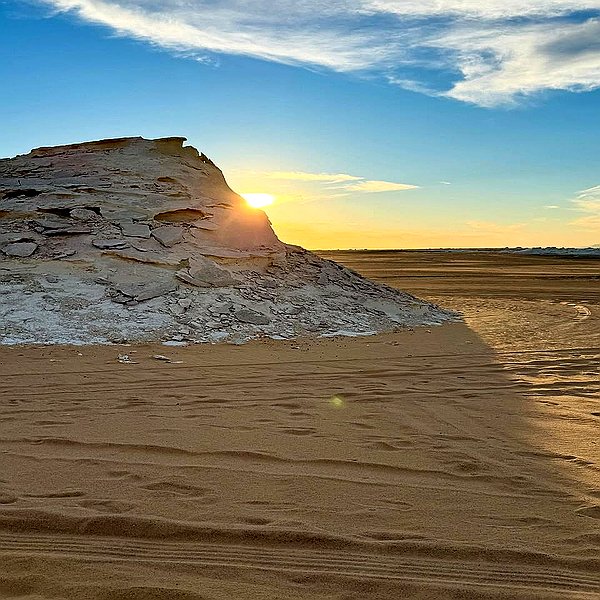
And a sunrise outside your tent instead of outside a hotel window.

This guide explains exactly what to expect from desert camping in Egypt, including tents, mattresses, food, bathrooms, washing, temperatures, safety, charging, internet, packing, sleep, campsites and how White Desert camping compares with Fayoum, Siwa and other Egyptian desert experiences.

If you’re mainly considering the Western Desert, you may also want our dedicated White Desert Camping Guide and White Desert Camping Experience.

Quick Answer: What Is Desert Camping in Egypt Really Like?

On a typical organized desert camping trip, expect some combination of:

  • 4×4 desert transport
  • A temporary camp in a permitted area
  • Tent or sheltered sleeping setup
  • Mattress
  • Blankets or sleeping gear
  • Dinner prepared in the desert
  • Tea
  • Bottled water
  • Campfire where permitted
  • Stargazing
  • Basic toilet arrangements
  • Limited or no electricity
  • Limited or no phone signal
  • Early sunrise
  • Breakfast before continuing the safari

The exact setup varies dramatically between:

  • Standard camping
  • Private camps
  • Fixed desert camps
  • Eco-lodges
  • Luxury glamping
  • Multi-day expeditions

Never assume one operator’s setup represents every desert camp in Egypt.

Ask before booking.

Is Desert Camping in Egypt Comfortable?

It can be surprisingly comfortable.

But you need to define “comfortable.”

If your definition is:

Private air-conditioned room + hot shower + ensuite bathroom + Wi-Fi + mattress like a five-star hotel, then standard desert camping will not feel luxurious.

If your definition is:

A proper tent, mattress, warm bedding, good meal, clean setup, experienced guides and an unforgettable location, then an organized camp can be very comfortable.

Your current 2-Day White Desert Tour From Cairo lists tents, mattresses, blankets, meals, mineral water and camping equipment as part of the experience.

The key is matching the camp style to your expectations.

Standard Camping vs Glamping in Egypt

These are not the same experience.

Standard Desert Camping

Typically means:

  • Temporary tent
  • Mattress
  • Blankets or sleeping bag
  • Simple camp seating
  • Meals cooked on-site
  • Basic bathroom arrangement
  • No permanent electricity
  • No permanent shower

This is common in remote White Desert trips.

Fixed Desert Camp

May include:

  • Larger tents
  • Permanent or semi-permanent structures
  • More established toilets
  • Better washing facilities
  • Electricity or solar power
  • Common dining spaces

These are more common around established desert tourism areas.

Glamping

Egypt’s official tourism platform notes that glamping options exist in destinations including Fayoum and Siwa and may include upgraded huts or tents, proper beds and even private bathroom facilities depending on the property.

So if you like the desert but hate the idea of basic camping, you still have options.

Read our Luxury Desert Camping Egypt guide for the upgraded end of the spectrum.

What Happens Before You Reach Camp?

On a real desert safari, camping is usually only one part of the journey.

Take the White Desert as an example.

A typical route may begin in Cairo.

You drive to Bahariya Oasis.

Then you change to a 4×4 vehicle and explore places such as:

  • Black Desert
  • El Haize
  • Crystal Mountain
  • Valley of Agabat
  • Sand dunes
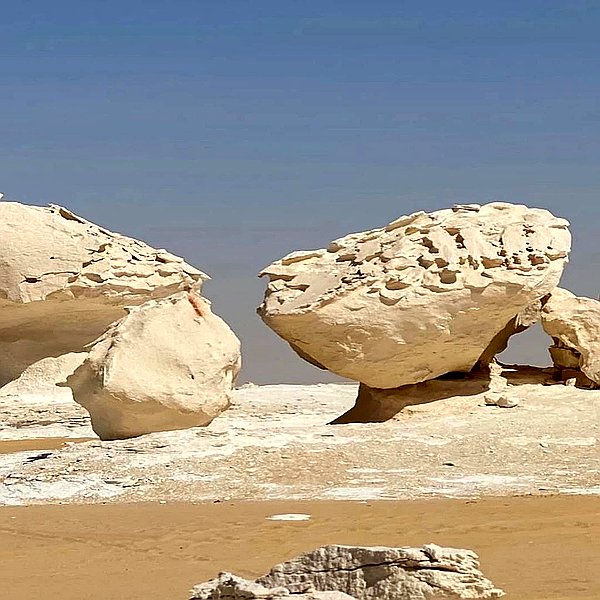
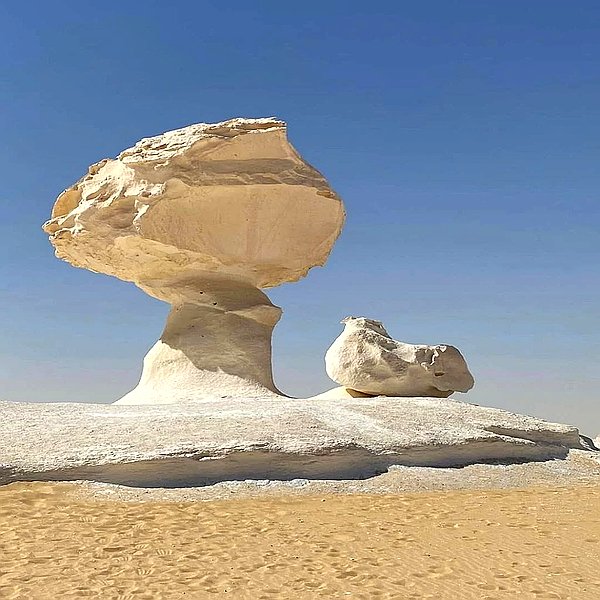
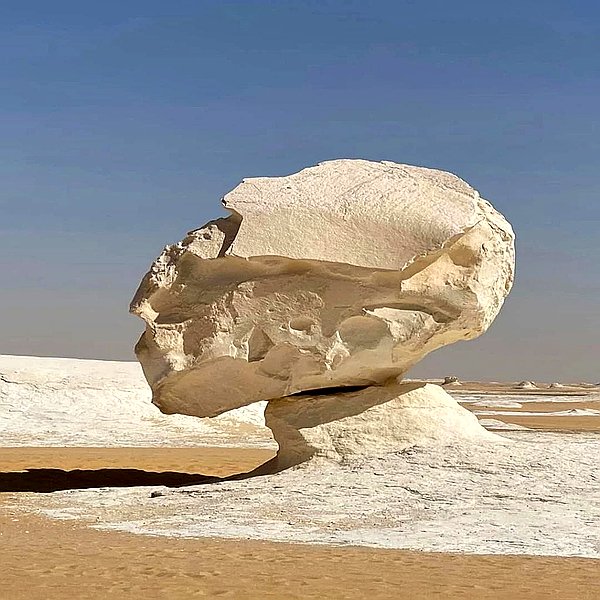
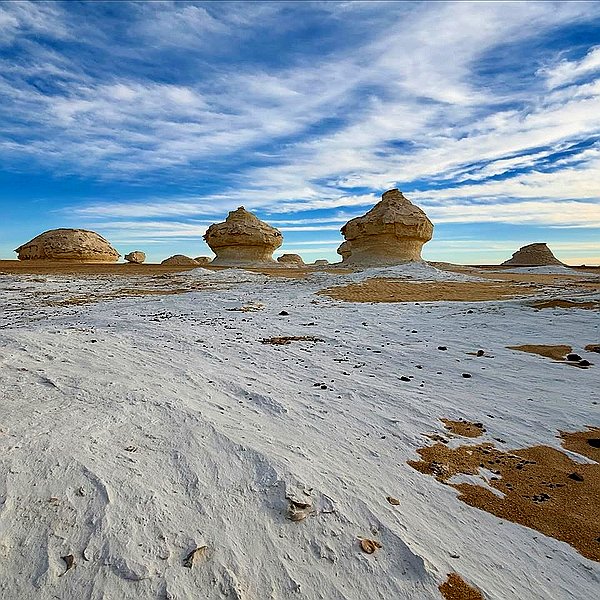
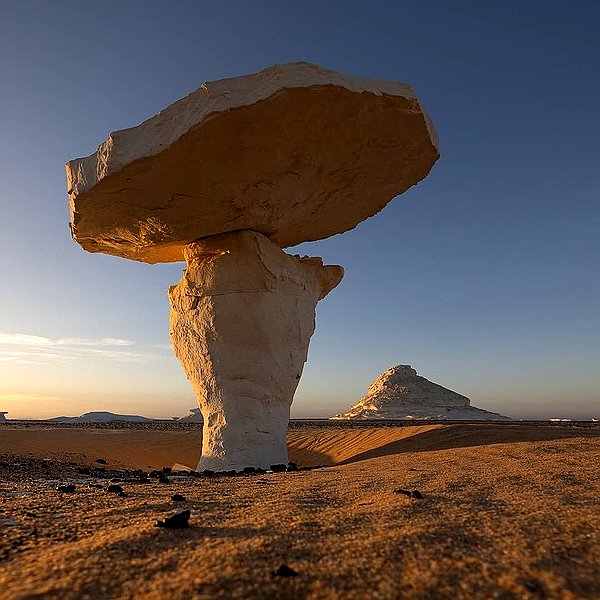
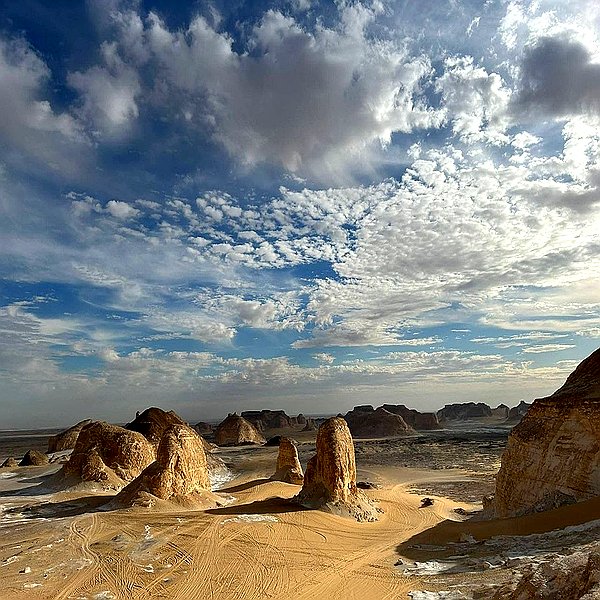
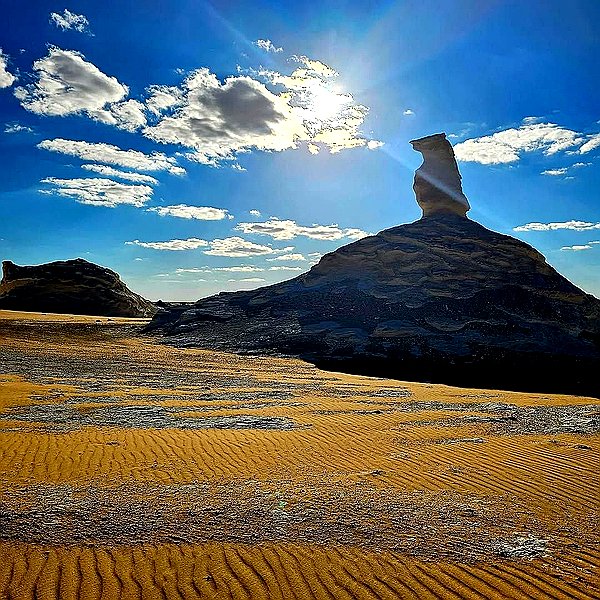
  • White Desert formations

The camp is usually set up later in the day near sunset.

Your current 2-day itinerary follows exactly this structure, reaching the camping area after the main safari route.

This matters psychologically.

You do not simply arrive at a tent and wait until morning.

By the time camp is ready, you have normally spent the day sightseeing, walking, driving and photographing the desert.

Dinner feels earned.

What Does a Desert Camp Look Like?

A standard temporary camp is relatively simple.

You may see:

  • One or several sleeping tents
  • Rugs or mats
  • Cushions
  • Cooking equipment
  • Water containers
  • Camp lighting
  • Vehicle nearby
  • Fire area where permitted
  • Small dining or sitting space

Temporary camps can be packed away the next morning.

That is part of the appeal.

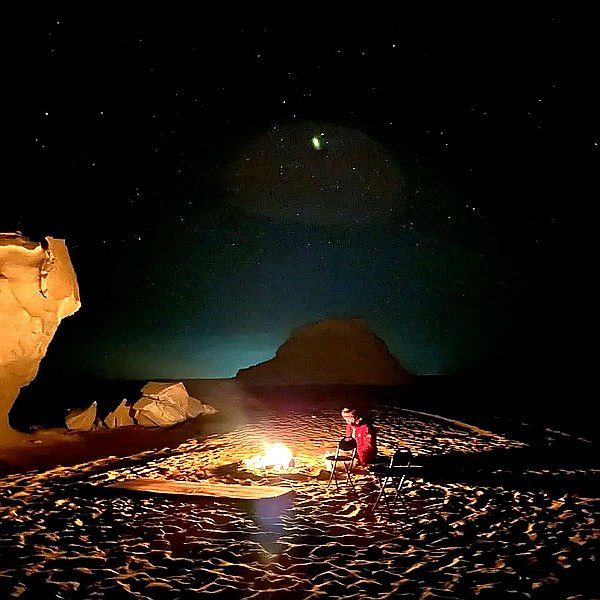
At night it feels like a tiny settlement in the middle of nowhere.

By morning, the equipment disappears and the desert returns.

Do You Sleep in a Tent?

Usually, yes.

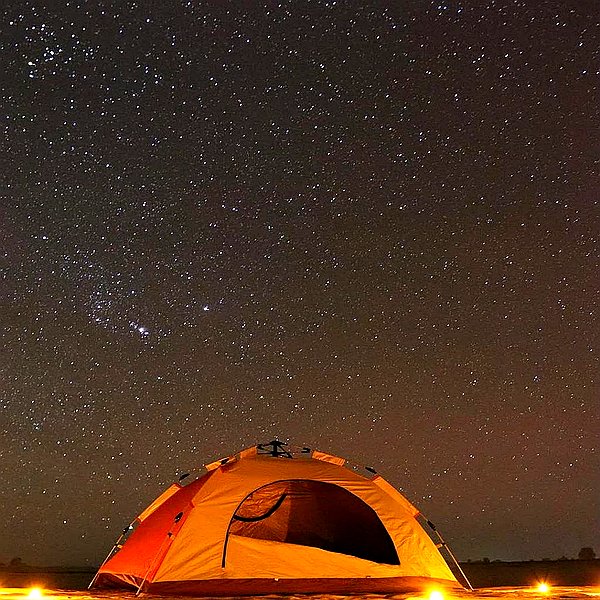
For most first-time travelers, a tent is the best option because it provides:

  • Wind protection
  • Privacy
  • Warmth
  • Protection from sand
  • Psychological comfort

Your current White Desert tour packages list comfortable tents with sleeping mattresses and blankets.

Depending on the booking, tents may be:

  • Private
  • Shared
  • Single-person
  • Double
  • Larger group tents

Do not assume.

Ask when booking.

Can You Sleep Outside Under the Stars?

Sometimes travelers love the idea of sleeping completely outside.

It can be beautiful.

But conditions matter.

Wind can increase.

Temperatures can drop.

Sand can move.

Insects or small animals may occasionally appear.

A tent gives you a reliable fallback.

If your guide considers open-air sleeping appropriate and you want to try it, you may spend part of the night outside and move into the tent later.

But for a first desert night, having a tent available is the smart choice.

What Do You Sleep On?

You normally do not sleep directly on the sand.

Organized camps may provide:

  • Foam mattress
  • Camping mattress
  • Sleeping mat
  • Blankets
  • Sleeping bag
  • Pillow

Your site’s overnight White Desert tours currently list mattresses and blankets as standard inclusions, while the company equipment information also mentions sleeping bags and pillows for overnight trips.

If you have back problems or specific sleeping requirements, ask before booking.

Not every mattress has the same thickness.

Do You Need to Bring Your Own Sleeping Bag?

Usually not on your own tours.

Your current published camping packages include the main camping equipment, and the company’s equipment description includes tents, mattresses, sleeping bags, blankets and pillows.

But travelers should still confirm the exact trip.

This is especially important when comparing different operators in Egypt.

Never assume “camping included” automatically means:

  • Sleeping bag
  • Pillow
  • Blanket
  • Private tent
  • Mattress

Ask for the exact list.

Is the Tent Warm at Night?

A tent helps, but it is not a heated hotel room.

Warmth comes from:

  • Your clothing
  • Sleeping bag
  • Blankets
  • Mattress insulation
  • Wind protection

Winter nights can feel cold, especially after a warm afternoon.

The temperature change surprises many first-time desert campers more than the absolute temperature itself.

One moment you are wearing a T-shirt at sunset.

A few hours later you are looking for your jacket.

How Cold Does the Egyptian Desert Get at Night?

It depends heavily on:

  • Destination
  • Season
  • Elevation
  • Wind
  • Weather

Winter is the period when warm layers matter most.

Your current White Desert guidance recommends a light or warm jacket for desert nights and identifies October through April as the most comfortable season for camping.

Do not look only at the daytime weather forecast.

Check nighttime temperatures too.

What Should You Wear to Sleep?

For cooler nights, a practical combination is:

  • Long trousers
  • Comfortable sleeping shirt
  • Warm layer
  • Socks

In winter, you may want:

  • Fleece
  • Light insulated jacket
  • Thermal base layer

You do not need to dress like an Arctic expedition for every trip.

But warm socks become surprisingly valuable at 2 AM.

Are There Bathrooms in the Desert?

This is probably the biggest first-time camping question.

The answer depends on the camp.

In remote areas such as the White Desert, do not assume there are permanent bathrooms.

Your existing White Desert camping guide states that remote parts of the park do not have normal permanent bathroom facilities and that travelers should ask about the arrangement before booking.

Depending on the operator, the arrangement may involve:

  • Portable camping toilet
  • Privacy tent
  • Designated private area
  • Facilities before entering the desert
  • Fixed facilities at some established camps

Ask directly:

“What exactly is the toilet setup at night?”

That is a completely normal question.

Is There a Shower?

Usually not in a standard one-night remote camp.

Some upgraded camps or glamping properties may have showers.

A temporary White Desert camp normally should not be treated like a hotel.

For one night, most travelers use:

  • Wet wipes
  • Small towel
  • Hand sanitizer
  • Bottled or limited washing water

Then shower after returning to the oasis or hotel.

If a shower is essential to you every evening, choose a fixed camp or glamping experience rather than basic wilderness camping.

What Toiletries Should You Bring?

Keep it small.

Useful items include:

  • Toothbrush
  • Toothpaste
  • Tissues
  • Toilet paper
  • Wet wipes
  • Hand sanitizer
  • Small towel
  • Lip balm
  • Moisturizer
  • Personal hygiene products
  • Medication

Our What to Pack for White Desert Egypt guide includes a complete overnight packing checklist.

Where Do You Wash Your Hands?

A professional camp normally carries water for drinking and camp use.

But water is a resource in the desert.

Do not expect unlimited tap water.

Hand sanitizer and wet wipes reduce unnecessary water use.

If your operator provides a small washing station, use water sensibly.

Remote camping teaches you very quickly how casually people waste water in cities.

What Is the Food Like?

Food is often one of the nicest surprises.

You might imagine:

dry crackers.

Canned beans.

Emergency rations.

Instead, organized desert teams can prepare proper meals.

Your current White Desert packages include freshly prepared dinner, breakfast, lunch, mineral water and tea.

Depending on the trip, meals may include:

  • Chicken
  • Meat
  • Rice
  • Pasta
  • Vegetables
  • Salad
  • Bread
  • Cheese
  • Eggs
  • Fruit
  • Tea
  • Coffee

Menus vary.

Is Dinner Cooked at Camp?

Often, yes.

On many desert safaris, part of the atmosphere comes from watching dinner prepared after sunset.

The process slows the evening down.

Instead of:

restaurant → eat → leave,

you sit around camp while food is prepared.

Tea appears.

The stars get brighter.

Someone adds another layer of clothing.

Dinner becomes part of the experience rather than simply a meal.

Can Vegetarians Camp in Egypt?

Yes.

Vegetarian food is normally relatively easy to arrange when requested in advance.

Vegan, gluten-related, allergy-safe or medical dietary requirements need more planning.

Tell the operator before entering the desert.

You cannot assume the guide can suddenly buy specialized food once you are already hours away from the oasis.

Your site already advises travelers to communicate dietary requirements in advance for remote camping.

What About Food Allergies?

Treat allergies seriously.

Send the operator:

  • Exact allergen
  • Severity
  • Cross-contamination concerns
  • Emergency medication requirements

Bring your medication with you.

Remote travel means medical help is farther away than in Cairo.

Clear communication before the trip is far better than improvising at dinner.

Is Drinking Water Provided?

On organized tours, it normally should be.

Your White Desert itineraries specifically list mineral water among their inclusions.

Do not plan to rely on desert springs for safe drinking water.

The team should carry sufficient bottled or appropriate drinking water.

Can You Drink Alcohol at Camp?

Do not assume alcohol is included or available.

Your current standard White Desert packages list alcoholic beverages among the exclusions.

If this matters to you, ask beforehand about:

  • Operator policy
  • Local rules
  • Transport
  • Appropriate behavior

You will not find a convenience store beside a remote camp at 10 PM.

Is There Electricity?

Usually not in a simple temporary desert camp.

This means no normal wall socket beside your mattress.

Bring:

  • Fully charged phone
  • Power bank
  • Spare camera battery
  • Headlamp
  • Charging cable

Your current camping guidance advises travelers to assume easy electricity access will not be available and to carry their own charging backup.

For a one-night trip, this is easy to manage.

How Big a Power Bank Do You Need?

For one night, a reliable fully charged power bank is usually enough for a normal phone user.

Photographers should think differently.

You may need to charge or power:

  • Camera
  • Phone
  • Headlamp
  • Action camera
  • Drone where legally permitted
  • Watch

Bring spare camera batteries if possible.

Battery management is easier than searching the desert for a socket.

Is There Wi-Fi?

Almost certainly not at a remote temporary camp.

And that is a feature, not a technical failure.

Some fixed camps or eco-lodges may offer internet.

But wilderness camping can have:

  • Weak signal
  • Intermittent signal
  • No signal

Official Egyptian tourism material even describes some desert experiences as having no electricity, no phone signal and few distractions.

Tell anyone important that you may be offline.

Then enjoy being offline.

Will My Mobile Phone Work?

Possibly near towns or major roads.

Less reliably deep in the desert.

Do not plan around having data access all night.

Download before leaving:

  • Important booking information
  • Offline maps if useful
  • Passport copies
  • Music
  • Books
  • Emergency details

Your guide should be handling navigation.

Your phone should not be your desert survival system.

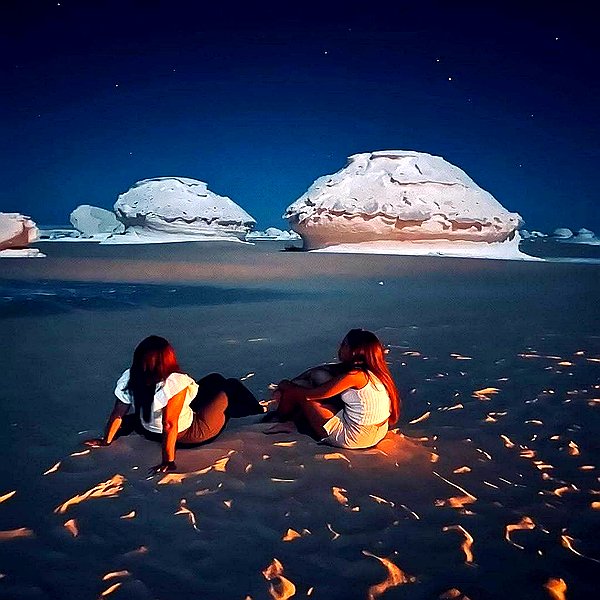
What Is Stargazing Like?

This is often the moment people remember most.

Once artificial light disappears, the sky becomes dramatically different from Cairo.

How many stars you actually see depends on:

  • Moon phase
  • Cloud
  • Dust
  • Humidity
  • Camp lighting

On a clear dark night, the difference can be spectacular.

For travelers who specifically care about the night sky, read our White Desert Egypt Stargazing guide.

Can You See the Milky Way?

Potentially, yes.

But do not promise yourself a perfect Milky Way photo every night.

Visibility depends on:

  • Time of year
  • Moon brightness
  • Hour of night
  • Atmospheric conditions

A bright full moon can make the desert beautiful while reducing visibility of faint stars.

If astrophotography is a major goal, check the moon phase before choosing dates.

Is There a Campfire?

Often, but campfire use should depend on current rules, location and environmental conditions.

A fire should never mean cutting native desert vegetation.

The White Desert management framework emphasizes protecting vegetation and controlling activities by zone, and some strictly protected sectors prohibit camping entirely.

Use the camp arranged by the authorized team and follow current protected-area rules.

Can You Camp Anywhere You Want?

No.

This is important.

Egypt’s protected deserts are not an unlimited free-camping zone.

Official tourism guidance says protected areas may require permits and licensed guides, while the White Desert management plan divides the park into zones with different access levels. Some strict nature areas prohibit vehicle access and camping.

That is why experienced operators matter.

They should know:

  • Current route
  • Permitted camping areas
  • Access restrictions
  • Entrance procedures
  • Permit requirements

Do You Need a Camping Permit?

It depends on destination and current regulations.

Experience Egypt advises travelers to check special camping permits through a hotel, tour operator or authorized travel agency when visiting protected areas.

The Egyptian Environmental Affairs Agency also publishes protected-area permit procedures and camping requirements.

For a normal organized safari, your operator should handle or explain the necessary arrangements.

Ask before booking:

“Are all current entrance and camping permissions arranged?”

Are There Camping Fees?

Protected areas can have official entrance, vehicle and camping charges.

Egypt’s Environmental Affairs Agency publishes current fee schedules for protected areas, including the White Desert.

Because rates and implementation can change, confirm the current amount with your tour operator rather than relying on an old travel article.

Also check whether the fee is:

  • Included in your tour
  • Paid separately
  • Included only for certain nationalities

Is Desert Camping in Egypt Safe?

Organized camping is generally a well-established tourism activity in places such as the Western Desert when done with suitable local teams and current access arrangements.

Official tourism guidance recommends licensed, experienced guides and proper 4×4 vehicles for desert excursions.

Safety depends far more on organization than on whether the tent itself is safe.

A reliable tour should consider:

  • Vehicle condition
  • Desert navigation
  • Water
  • Food
  • Fuel
  • Communications
  • Weather
  • Camp location
  • Current route rules

The desert should not be approached as a casual self-drive road trip.

Do You Need Camping Experience?

No.

A professionally organized overnight safari is actually one of the easiest ways to try camping for the first time.

The guides handle most technical tasks.

Your current 2-day White Desert tour explicitly states that prior camping experience is not necessary because camping equipment and meals are provided.

You mainly need:

  • Sensible clothing
  • Personal items
  • Flexible expectations
  • Willingness to live without hotel facilities for one night

Will Animals Come Into Camp?

Usually, animals avoid people.

In remote desert areas you may encounter:

  • Foxes
  • Birds
  • Insects
  • Small reptiles
  • Rodents

Do not deliberately feed wildlife.

Keep food controlled and follow your guide.

If you want to understand what lives in the White Desert, read our White Desert Egypt Wildlife guide.

Are There Snakes or Scorpions?

They exist in Egyptian desert ecosystems.

That does not mean you will spend the night fighting them.

Simple precautions work well:

  • Keep tent zipped.
  • Wear shoes outside at night.
  • Use a flashlight.
  • Shake out footwear if left outside.
  • Do not put hands beneath rocks.
  • Follow your guide.

Most travelers never have a significant wildlife issue.

Do You Need Special Shoes at Camp?

No heavy expedition boots are required for a standard overnight safari.

Comfortable:

  • Trainers
  • Walking shoes
  • Lightweight hiking shoes

are usually enough.

Around camp, closed shoes are useful after dark.

Sandals can be convenient during the day, but they provide less protection on rocky ground.

Why You Need a Headlamp

A headlamp is one of those boring items that becomes extremely valuable once the sun disappears.

You need your hands free when:

  • Entering the tent
  • Organizing your bag
  • Walking to the toilet area
  • Taking photographs
  • Finding your shoes

A phone flashlight works.

A headlamp works better.

What Should You Keep Inside the Tent?

Keep essentials together:

  • Phone
  • Power bank
  • Water
  • Headlamp
  • Warm layer
  • Medication
  • Glasses
  • Tissues
  • Camera batteries

Do not unpack your entire suitcase into the sand.

A small overnight bag is easier than large luggage.

Leave unnecessary baggage in Cairo or at the oasis when possible.

Will Sand Get Everywhere?

Yes.

Accept this early.

Sand may appear in:

  • Shoes
  • Bag
  • Camera case
  • Socks
  • Tent entrance
  • Hair

A scarf or buff helps in windy conditions.

Zip important electronics inside bags when you are not using them.

Trying to keep every grain of sand away is an unwinnable war.

How Quiet Is the Desert at Night?

Very.

This surprises people who live in cities.

Once:

  • Vehicles stop
  • Dinner ends
  • People become quiet

you may hear almost nothing.

No traffic.

No elevators.

No air conditioning.

No motorcycles.

No hotel corridor.

Sometimes you hear wind.

Sometimes an animal.

Sometimes another guest moving around camp.

The absence of noise can initially feel strange.

Then it becomes one of the best parts.

Will I Be Able to Sleep?

Most people do.

But your first night may feel different because of:

  • New mattress
  • Cooler temperature
  • Silence
  • Wind
  • Excitement
  • Early sunrise

If you are a light sleeper, bring:

  • Earplugs
  • Eye mask
  • Familiar sleepwear

Do not obsess over getting eight perfect hours.

Even if you sleep less than normal, one unusual night is part of the adventure.

What Happens in the Morning?

Sunrise is one of the best reasons to camp.

You wake up already inside the landscape.

No transport required.

No hotel checkout.

No two-hour drive to a viewpoint.

You unzip the tent and the desert is there.

Typical morning routine:

  1. Sunrise
  2. Tea or coffee
  3. Breakfast
  4. Pack camp
  5. Continue sightseeing or return toward the oasis

Your current White Desert itineraries include breakfast followed by the return toward Bahariya and Cairo.

What Is Breakfast Like?

Expect something practical rather than an enormous hotel buffet.

Typical breakfast may include:

  • Bread
  • Eggs
  • Cheese
  • Jam
  • Fruit
  • Tea
  • Coffee

Exact menus vary by operator.

Breakfast feels particularly good after waking in cool desert air.

Should You Wake Up for Sunrise?

Yes.

Even if you hate mornings.

You can sleep at home.

You cannot easily reproduce White Desert sunrise at home.

Low-angle morning light transforms:

  • Dunes
  • Chalk rocks
  • Mountains
  • Camp silhouettes

Photographers especially should be outside before the sun actually clears the horizon.

Is One Night Enough?

For most first-time travelers, yes.

One night gives you the full rhythm:

sunset → dinner → stars → sleep → sunrise

This is why a 2-Day White Desert Tour From Cairo works well as an introduction.

But people who enjoy the first night often want more.

When Are Two Camping Nights Better?

Two nights make sense when you want:

  • Less rushing
  • More remote routes
  • Different camps
  • Longer 4×4 adventure
  • Trekking
  • Djara Cave
  • More photography
  • Deeper desert immersion

Your 3 Days White Desert Safari From Cairo currently includes two desert camping nights—one around Agabat and one in the White Desert.

That feels much more like an expedition.

White Desert Camping

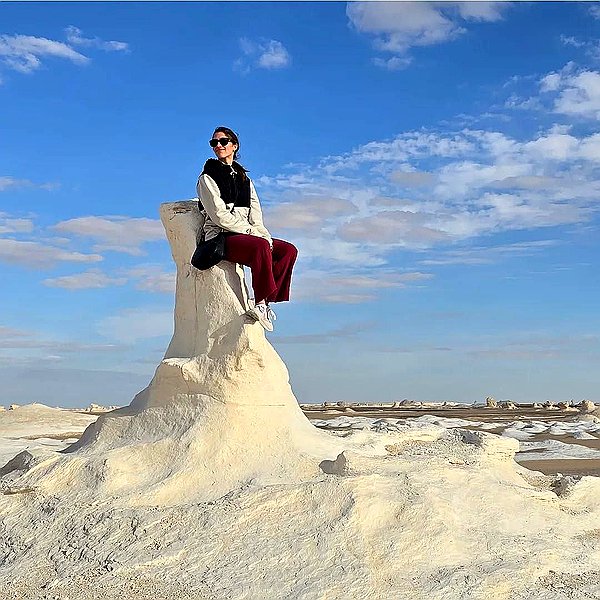
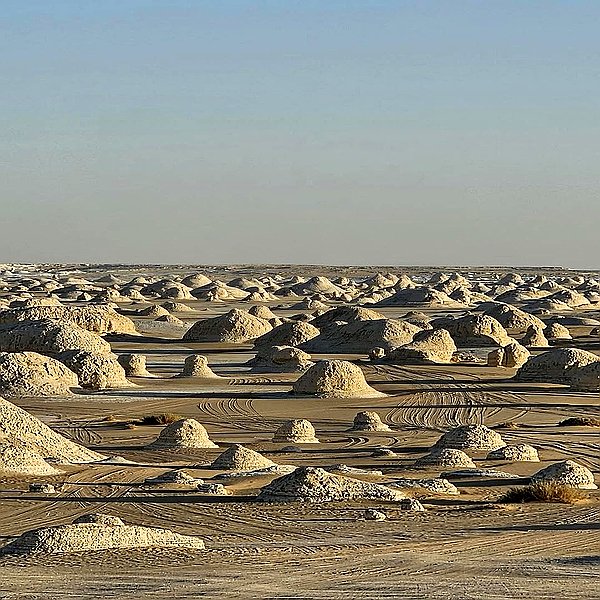
The White Desert is arguably Egypt’s signature remote camping experience.

Best for travelers who want:

  • Chalk formations
  • 4×4 safari
  • Black Desert
  • Crystal Mountain
  • Agabat
  • Stargazing
  • Wilderness camping

It works especially well because the night experience adds something that a day visit cannot reproduce.

Fayoum Desert Camping

Fayoum provides a different style of desert trip.

Depending on the itinerary, you may combine camping with:

  • Wadi El Hitan
  • Wadi El Rayan
  • Magic Lake
  • Dunes
  • Lake landscapes

It is particularly attractive for travelers looking for desert camping near Cairo without committing to the longer White Desert route.

Siwa Desert Camping

Siwa is different again.

Many visitors stay in:

  • Hotels
  • Eco-lodges
  • Guesthouses

and use desert camping only for part of the trip.

The surrounding Great Sand Sea provides the adventure element.

Read our Siwa Oasis Desert Safari guide if you want dunes, springs, sandboarding and Great Sand Sea experiences rather than the chalk landscapes of the White Desert.

Sinai Desert Camping

Sinai offers a very different desert environment dominated by:

  • Mountains
  • Canyons
  • Bedouin culture
  • Hiking
  • Coastal desert

Official tourism guidance highlights multi-day mountain trails and overnight camping with expert local guidance.

So “Egypt desert camping” is not one single product.

You need to choose the landscape first.

Which Egyptian Desert Is Best for First-Time Campers?

For someone coming from Cairo who wants the classic remote safari experience, the White Desert is extremely hard to beat.

Why?

Because one trip combines:

  • Accessible departure from Cairo
  • Bahariya Oasis
  • 4×4 adventure
  • Multiple landscapes
  • Comfortable organized camping
  • Stargazing
  • Sunrise

If one wilderness night feels too basic, choose glamping in Fayoum or Siwa.

If you want mountain hiking, consider Sinai.

Desert Camping for Couples

Camping can work very well for couples.

The experience naturally creates moments you cannot get in a city hotel:

  • Sunset
  • Quiet dinner
  • Stars
  • Sunrise
  • No distractions

For more comfort, confirm:

  • Private tent
  • Bedding setup
  • Toilet arrangement
  • Camp privacy

Couples looking for upgraded facilities may prefer a private or luxury camp.

Desert Camping for Families

Families can enjoy camping enormously, particularly children old enough to understand the adventure.

Ask before booking about:

  • Toilet arrangements
  • Mattress comfort
  • Food preferences
  • Driving intensity
  • Night temperatures
  • Private tent
  • Emergency planning

Children often love:

  • Sandboarding
  • Campfire
  • Stars
  • Sleeping bags
  • Sunrise

But parents should judge the comfort level their own children need.

Desert Camping for Solo Travelers

Solo travelers can choose:

  • Private safari
  • Shared departure
  • Small group

A shared trip can make camping more social.

A private trip gives you more control over itinerary and camp style.

Do not assume shared vehicle automatically means shared sleeping tent.

Ask.

Read our White Desert Tour for Solo Travelers for solo-specific planning.

Is Desert Camping Suitable for Older Travelers?

Often, yes.

Age itself is less important than:

  • Mobility
  • Back comfort
  • Toilet needs
  • Ability to enter/exit 4×4
  • Temperature tolerance

Ask about mattress height and bathroom setup.

A traveler in their seventies who enjoys outdoor travel may love it.

A thirty-year-old who refuses basic toilets may hate it.

Comfort expectations matter more than birth year.

What If You Hate Camping?

Then do not force yourself simply because Instagram says you should.

Alternatives include:

  • Bahariya hotel + day safari
  • Eco-lodge
  • Fixed desert camp
  • Siwa eco-lodge
  • Fayoum glamping
  • Luxury desert camp

The desert does not become less beautiful because you sleep in a proper bed.

Choose the version you will actually enjoy.

What Should You Ask Before Booking?

This is the most useful checklist in the article.

Ask:

  1. Is the tent private or shared?
  2. What mattress is provided?
  3. Are blankets or sleeping bags included?
  4. What is the toilet setup?
  5. Is there a privacy tent?
  6. Is there a shower?
  7. Is washing water available?
  8. Are meals included?
  9. Can dietary requirements be accommodated?
  10. Is drinking water included?
  11. Is electricity available?
  12. Should I bring a power bank?
  13. Is phone signal normally available?
  14. Are entrance and camping permits handled?
  15. Is the operator using licensed local guides?
  16. Can the camp be upgraded?

A good operator should be able to answer these clearly.

What Should You Pack for Your First Desert Night?

For most standard trips, bring:

  • Comfortable closed shoes
  • Lightweight daytime clothing
  • Warm night layer
  • Socks
  • Hat
  • Sunglasses
  • Sunscreen
  • Scarf or buff
  • Toiletries
  • Wet wipes
  • Tissues
  • Hand sanitizer
  • Headlamp
  • Power bank
  • Camera
  • Spare batteries
  • Personal medication
  • Small overnight bag

Do not automatically bring a tent or sleeping bag if your tour already provides them.

Common First-Time Camping Mistakes

Expecting a Hotel

This creates disappointment immediately.

Packing Too Much

You do not need your entire Cairo suitcase beside your mattress.

Bringing No Warm Layer

The desert cools quickly.

Forgetting a Headlamp

Your phone is less convenient.

Assuming There Is a Shower

Ask first.

Assuming There Is Electricity

Bring a power bank.

Keeping Food Inside the Tent

Follow your guide’s food storage system.

Staying Up Too Late and Missing Sunrise

Painful mistake.

Spending the Whole Evening on Your Phone

You came all the way to the desert.

Look up.

Is Desert Camping in Egypt Worth It?

For travelers who enjoy nature and can handle one night without normal hotel facilities, absolutely.

Camping changes the trip.

Without camping, the desert can feel like a sightseeing destination.

With camping, you experience the full daily cycle.

Afternoon heat.

Sunset.

Darkness.

Stars.

Cold night air.

Silence.

Sunrise.

That sequence is why many travelers remember the overnight more clearly than individual sightseeing stops.

Best First Desert Camping Trip From Cairo

For most first-time visitors, our strongest recommendation is the 2-Day White Desert Tour From Cairo.

The current itinerary includes:

  • Cairo pickup
  • Bahariya Oasis
  • 4×4 safari
  • Black Desert
  • Crystal Mountain
  • Valley of Agabat
  • White Desert
  • Overnight tent
  • Mattress and blankets
  • Dinner
  • Breakfast
  • Water
  • Tea
  • Stargazing
  • Sunrise

making it an easy introduction to camping without requiring previous experience.

Travelers wanting more time can choose the 3 Days White Desert Tour From Cairo or a deeper two-night safari.

Final Thoughts: What Is Your First Night Desert Camping in Egypt Really Like?

Your first desert night probably will not feel like your normal travel routine.

That is exactly the point.

You will not have a hotel lobby.

You may not have a permanent bathroom.

Your phone may have no signal.

You may need wet wipes instead of a shower.

You will probably use a flashlight to find your shoes.

Sand will appear somewhere it should not.

And at some point after dinner, you may realize something else is missing:

noise.

The engines have stopped.

There is no traffic.

No city.

No building beside you.

No illuminated skyline.

Just camp.

Desert.

And sky.

Egypt’s official tourism guidance presents camping as one of the country’s established outdoor experiences, while emphasizing permits, licensed guides and appropriate planning in protected and remote areas.

That planning is what makes the experience easy for beginners.

You do not need years of camping experience.

You need the right operator.

The right clothing.

A power bank.

A realistic understanding of the bathroom situation.

And enough curiosity to trade one hotel night for something completely different.

For many travelers, that trade becomes one of the best decisions of the trip.

If you’re ready to try it, start with the White Desert Tour From Cairo, compare longer options in our Best White Desert Egypt Tours, or read our dedicated White Desert Camping Experience before booking.

White Desert Egypt Tour TripAdvisor reviews

star rating3 Day and 2 Nights of Fun and Knowledge - This was one of the best experiences of my life. Our guides, Anas and Kareem, were so kind, helpful, and fun. From the food, sites, and experience everything was ABSOLUTELY... read more

avatar thumb jakewP7022KT
October 15, 2026

star ratingHighly recommended! - We had a great time with Mohammed and his compagnon. The welcome was very warm and we had a great lunch at the house before going to the desert. Nothing... read more

avatar thumb 136michellez
October 14, 2026

star ratingA Journey into the Heart of the Desert… and a Memory That Will Stay in My Heart for a Long Time. - There are places that you do not simply visit; they leave something of themselves inside you and the White and Black Deserts were one of the most beautiful places... read more

avatar thumb zoey7569
August 13, 2026
Egypt Desert Camping FAQ

Frequently Asked Questions About Egypt Desert Camping

Everything you need to know about desert camping in Egypt, including tents, toilets, food, safety, weather, packing, stargazing, wildlife, White Desert camping, Siwa, Fayoum and choosing the right desert experience.

Yes, when arranged with an experienced local operator using suitable vehicles, current route information, adequate water, proper camping equipment, and the required access arrangements.

No. Most organized desert camping trips are suitable for beginners because the guide team normally handles the tents, meals, transport, water, and camp setup.

Expect a simple but memorable experience with a tent, mattress, blankets or sleeping gear, dinner, tea, basic toilet arrangements, limited electricity, little or no phone signal, stargazing, and an early desert sunrise.

Usually, yes. Most organized overnight desert safaris provide tents, although some fixed camps and glamping properties use larger permanent or semi-permanent structures.

They can be, but this depends on the operator and booking. Always ask whether your tent will be private, shared, single, double, or family-sized.

Normally no. Organized desert camps usually provide a mattress, sleeping mat, blankets, sleeping bag, or similar bedding.

Usually not if your tour includes full camping equipment, but always check the inclusions before booking.

It can be very comfortable if you have realistic expectations. A proper tent, mattress, warm bedding, good food, and experienced guides can make one night in the desert surprisingly easy.

No. Standard camping is more basic, while glamping may include proper beds, larger tents, electricity, bathrooms, and sometimes private showers.

A desert camp offers a wilderness experience with limited facilities, while a hotel provides permanent rooms, bathrooms, electricity, showers, and more predictable comfort.

Sometimes, but the setup varies. Remote camps may use a portable camping toilet, privacy tent, or designated private area rather than permanent bathrooms.

Do not assume there is a permanent bathroom in a remote White Desert camp. Ask your operator exactly what toilet arrangement is provided.

Usually not at a basic temporary desert camp. Fixed camps and glamping properties may offer showers.

Most travelers use wet wipes, hand sanitizer, a small towel, and limited washing water. Proper showers are normally taken before or after the desert night.

Yes. It is a good idea to carry tissues or toilet paper even if the operator provides some.

Basic temporary camps usually do not have normal electricity. Bring a fully charged phone, power bank, and spare batteries.

Not reliably. Some vehicles or fixed camps may offer charging, but you should bring your own power bank.

Usually not at remote camps. Fixed camps and eco-lodges may sometimes offer internet.

Possibly near towns or roads, but signal can become weak or disappear completely in remote desert areas.

Yes. Download booking details, maps, entertainment, important documents, and anything else you may need before entering the desert.

On organized tours, drinking water should normally be included. Confirm this before departure.

Do not rely on natural springs for safe drinking water unless your guide confirms that a source is suitable. Organized tours should carry proper drinking water.

Meals vary, but they may include rice, pasta, chicken, meat, vegetables, bread, salad, eggs, cheese, fruit, tea, and coffee.

Often, yes. Cooking dinner in the desert is part of the experience on many safari trips.

Yes. Vegetarian meals are usually easy to arrange when requested in advance.

Often yes, but tell the operator before the trip so suitable ingredients can be prepared.

Usually, but serious allergies must be clearly communicated in advance. Bring any required medication with you.

Do not assume alcohol is available or included. Ask the operator about current policy if it matters to you.

Night temperatures can be much cooler than daytime temperatures, especially in winter. A warm layer is important.

Yes, particularly from autumn through spring. Even if the day feels warm, the temperature can drop quickly after sunset.

Wear comfortable long trousers, a warm top, and socks during cooler periods. Thermal layers can be useful on colder winter nights.

Yes. Cooler months are generally among the most comfortable times for desert camping, although nights can feel cold.

Yes in some areas, but extreme daytime heat can make summer camping much less comfortable. Timing and hydration become especially important.

Often there is, where current rules and conditions allow. Native vegetation should never be cut for firewood.

No. Responsible camps bring suitable fuel rather than damaging native vegetation.

No. Protected areas may have specific zones, permits, entrance rules, and camping restrictions.

Sometimes. Permit requirements depend on the destination and current regulations. Your tour operator should confirm and arrange what is required.

Sometimes yes and sometimes no. Always check whether protected-area entrance fees, vehicle fees, and camping fees are included in the tour price.

Yes. Solo travelers can join a group or book a private trip.

Not necessarily. Ask whether the booking includes a private or shared tent.

Yes. Couples often enjoy the privacy, sunset, stars, and quiet desert atmosphere. Ask for a private tent if that matters to you.

Yes, depending on the children's ages and comfort needs. Ask about toilets, mattresses, driving time, food, and night temperatures before booking.

Often, yes. Comfort with uneven ground, 4x4 transport, basic toilets, and low mattresses matters more than age itself.

It depends on the severity. Ask about mattress thickness, seating, vehicle ride quality, and whether upgraded camp arrangements are possible.

Snakes exist in Egyptian desert ecosystems, but most travelers do not encounter them. Keep your tent closed, wear shoes at night, and follow your guide.

Yes, but simple precautions such as keeping footwear inside, using a flashlight, and avoiding handling rocks reduce risk.

Foxes may occasionally approach camps, especially if food is accessible. Do not feed them.

It is uncommon if the tent is properly closed and food is stored correctly.

Usually no. Follow your guide's instructions for food storage to avoid attracting wildlife.

Wildlife is usually not the main risk. Heat, dehydration, transport, route planning, and weather are generally more important safety considerations.

Comfortable closed walking shoes or lightweight hiking shoes are ideal. Sandals can be useful during the day but offer less protection at night.

Not for a standard overnight safari unless the itinerary includes substantial trekking.

Yes. A headlamp is extremely useful for walking around camp, finding items in your tent, and using toilet areas after dark.

Yes. It is one of the most useful items for a remote overnight trip.

Bring a small overnight bag with essentials rather than your full suitcase whenever possible.

Some sand is almost inevitable. Keep bags zipped and electronics protected when not in use.

Very quiet. Many travelers find the lack of traffic, city noise, and artificial sound one of the most memorable parts of the experience.

Most travelers do, although the unfamiliar mattress, silence, wind, and temperature can make the first night feel different.

Relax and enjoy the experience. One imperfect night's sleep is usually manageable, especially when the next morning begins with desert sunrise.

Yes. Sunrise is one of the highlights of desert camping and often provides the best light for photography.

Most camps serve breakfast, pack the equipment, and continue the safari or return toward the nearest oasis.

Usually on organized overnight tours, but always check the specific itinerary.

Yes. One night is enough to experience sunset, dinner, stars, sleep, and sunrise.

Two nights are better for travelers who want slower exploration, more remote routes, trekking, Djara Cave, photography, or a deeper expedition experience.

The White Desert Tour From Cairo is one of the most popular options because it combines Bahariya Oasis, 4x4 safari, major geological attractions, overnight camping, dinner, stars, and sunrise.

Yes. It combines adventure with an organized camp setup, making it suitable for people who have never camped before.

Yes. Fayoum can be a good choice for travelers looking for a shorter desert experience closer to Cairo.

Read our Desert Camping Near Cairo guide for more options.

Yes. Siwa offers Great Sand Sea adventures and desert camping, although many travelers combine the safari with hotel or eco-lodge accommodation.

Read our Siwa Oasis Desert Safari guide.

Choose the White Desert for chalk formations, Black Desert, Crystal Mountain, Agabat, and classic wilderness camping. Choose Siwa for dunes, springs, salt lakes, and oasis culture.

Choose camping for a more authentic wilderness experience and glamping for greater comfort, permanent facilities, and better bathrooms.

Choose a fixed desert camp, eco-lodge, or glamping option instead. You can still enjoy the desert without giving up all hotel-style comfort.

Yes. Camping gives photographers access to sunset, stars, moonlight, blue hour, and sunrise without needing to travel back and forth.

Potentially, yes. Visibility depends on the season, moon phase, dust, cloud, and atmospheric conditions.

Dark, clear nights with a favorable moon phase are more important than one specific month. Cooler months are generally more comfortable for staying outside at night.

Read our White Desert Egypt Stargazing guide.

Bring comfortable clothes, a warm layer, closed shoes, hat, sunscreen, scarf, toiletries, wet wipes, tissues, headlamp, power bank, medication, and a small overnight bag.

Usually not on an organized trip where camping equipment is included.

Not usually if your operator provides full bedding, but confirm before departure.

Yes. Wet wipes are especially useful when a proper shower is not available.

Yes. It is useful for basic hygiene and helps conserve water.

Ask about the tent, mattress, blankets, toilet setup, shower, meals, drinking water, electricity, permits, camp privacy, dietary requirements, and whether the camp is private or shared.

Expecting hotel facilities. Desert camping is much easier when you understand in advance that bathrooms, electricity, phone signal, and showers may be basic or unavailable.

Yes, especially for travelers who enjoy nature and can handle one night with fewer facilities. Sunset, silence, stars, and sunrise create a very different experience from staying in a hotel.

For many travelers, it is the combination of complete silence, dark skies, a simple outdoor dinner, and waking up directly inside the desert landscape.

Leave a Comment

Your email address will not be published. Required fields are marked *