White Desert Egypt Wildlife: Animals, Birds & Desert Life
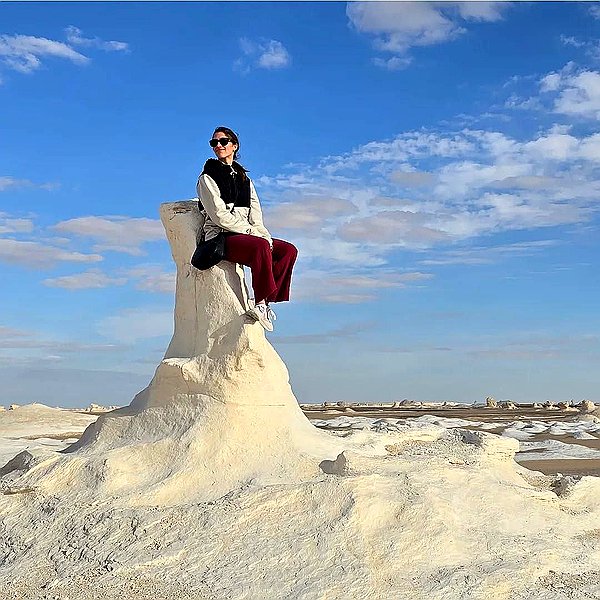
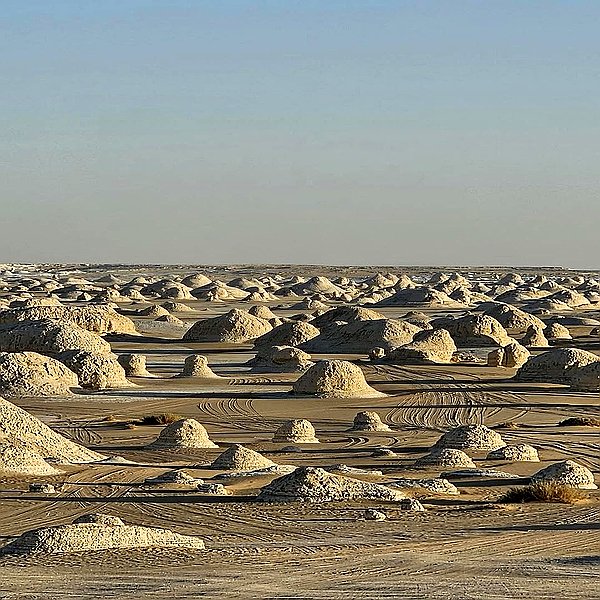
When most travelers imagine the White Desert in Egypt, they picture enormous chalk formations glowing beneath the sun.
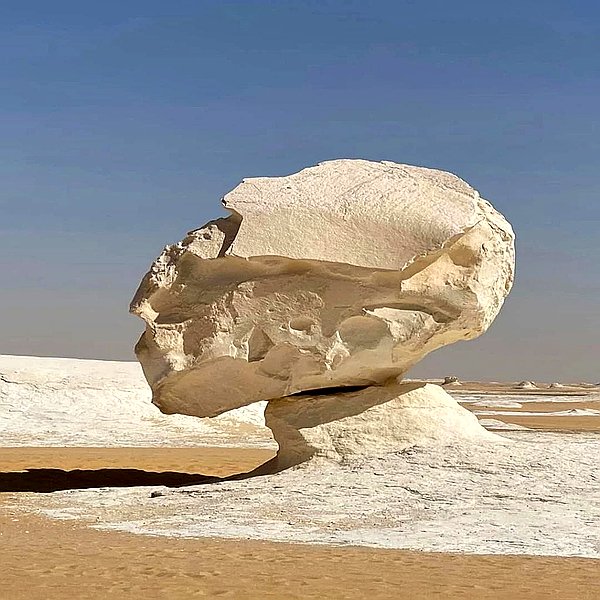
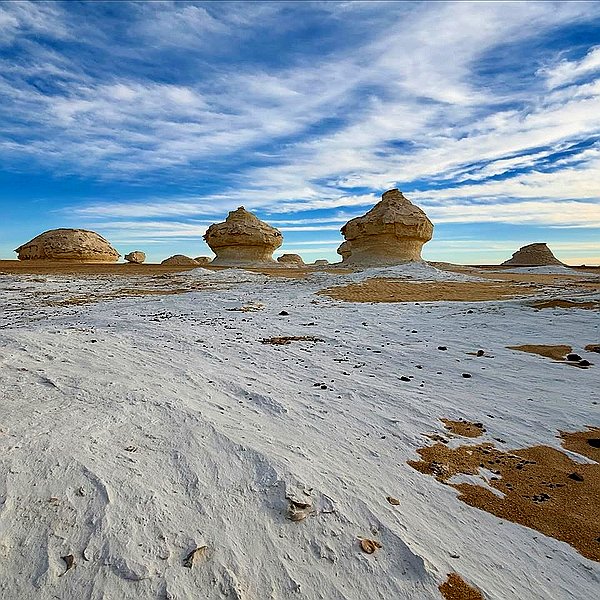
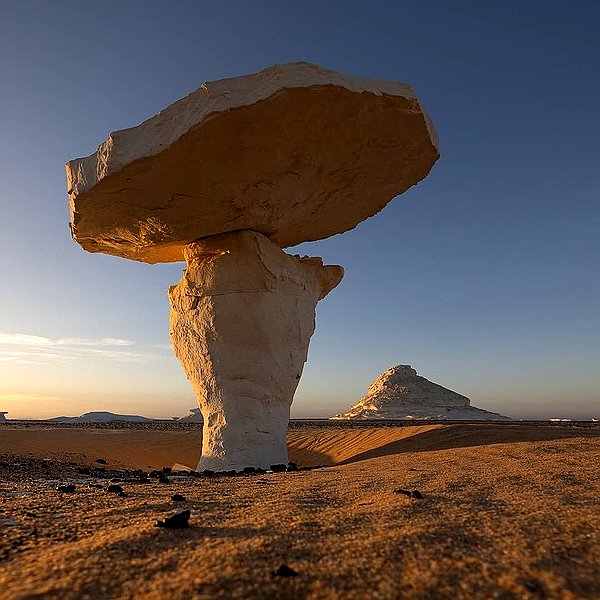
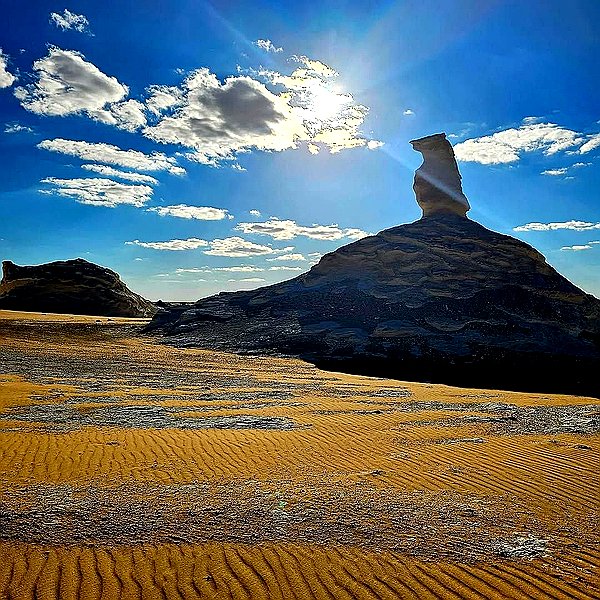
Mushroom rocks.
White pillars.
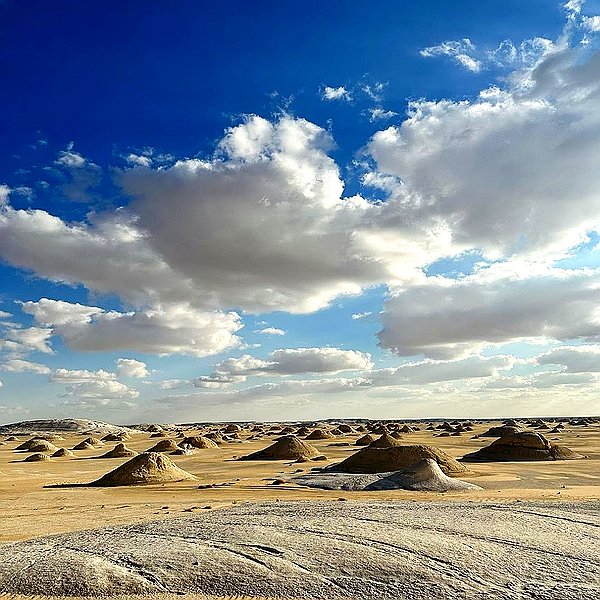
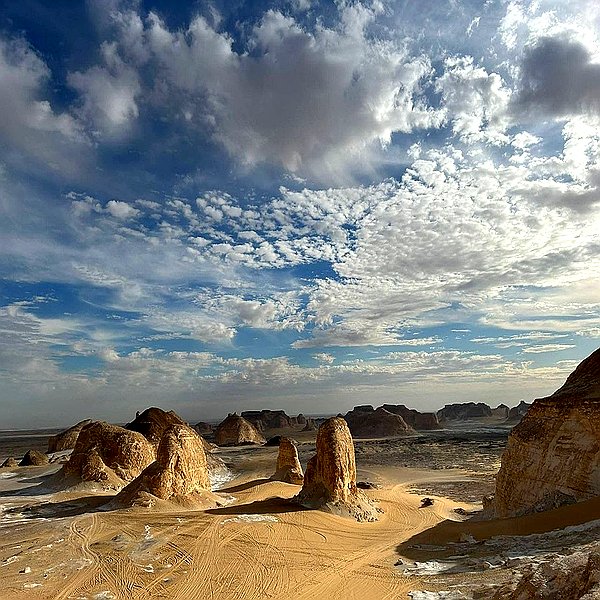
Golden dunes.
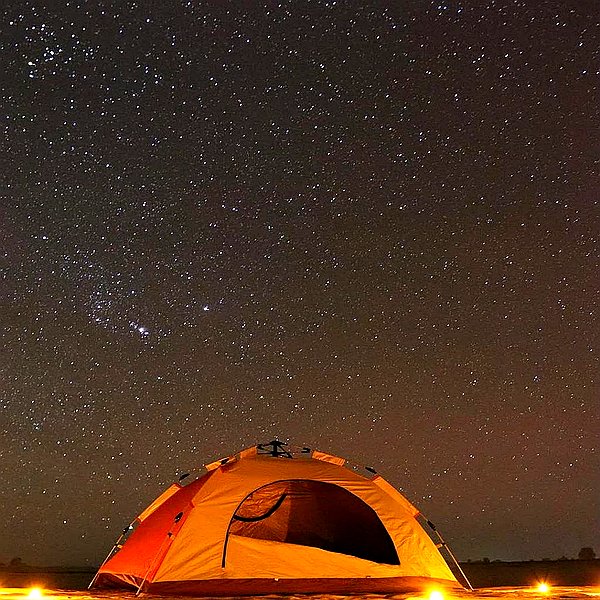
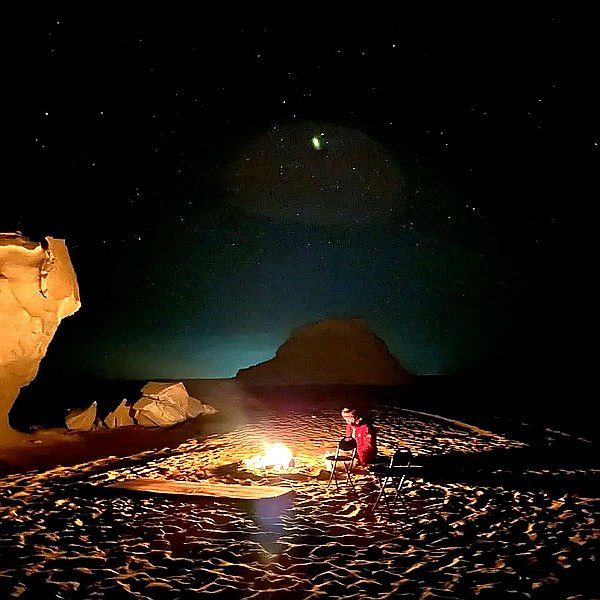
Stars above a desert camp.
Wildlife is rarely the first thing that comes to mind.
That is understandable.
At first glance, the landscape can look almost empty.
But Egypt’s White Desert is not lifeless.
It contains an ecosystem adapted to one of the harshest environments in North Africa.
Foxes move through the desert after dark.
Small rodents disappear beneath sand.
Lizards cross hot ground during the day.
Raptors circle above cliffs and wadis.
Migratory birds use the region during seasonal journeys.
And around springs and vegetated valleys, plants create small but extremely important pockets of habitat.
Official Egyptian protected-area documents describe the White Desert as containing a surprising variety of habitats, including sand sheets, dunes, wadis, vegetated wadis, uninhabited oasis habitats, hills, and steep cliffs. Park surveys have recorded mammals, birds, reptiles, amphibians, insects, and specialized desert vegetation across those environments.
The animals are not always easy to see.
That is part of what makes desert wildlife different from a safari in East Africa.
You are unlikely to drive into the White Desert and immediately find large herds standing beside the road.
Many species are:
- Nocturnal
- Secretive
- Widely dispersed
- Camouflaged
- Active during cooler hours
- Concentrated around water or vegetation
So discovering White Desert wildlife often means learning to notice signs rather than expecting constant sightings.
Tracks in the sand.
A fox appearing near camp after dark.
A bird flying between cliffs.
Tiny footprints around a spring.
A lizard disappearing under a rock.
Once you start looking, the desert feels much less empty.
This guide explains the wildlife found in Egypt’s White Desert Protected Area, which animals travelers may realistically encounter, why foxes are associated with desert camps, which birds and reptiles live here, how plants survive, and how to experience the ecosystem responsibly.
For the bigger picture of the destination, start with our White Desert Egypt Travel Guide and our guide to White Desert Egypt Geology.
3 Days Siwa Oasis Tour from Cairo – Great Sand Sea Safari & Oasis Experience
3 Days / 2 Nights Siwa Oasis Tour from Cairo This 3-day Siwa Oasis tour from Cairo is perfect for…
5 Days Siwa Oasis Tour from Cairo – Marsa Matrouh & Great Sand Sea Safari
🏜️ Cairo – Marsa Matrouh – Siwa – Cairo 5 Days / 4 Nights Siwa Oasis Tour from Cairo This…
7 Days Siwa & White Desert Tour from Cairo – Ultimate Western Desert Expedition
🏜️ 7 Days Siwa & White Desert Tour from Cairo North Coast – Siwa – Bahariya – White Desert (7…
White Desert & Whale Valley Tour from Cairo – 3 Day Desert & Fossil Adventure
🏜️ White Desert & Whale Valley Tour from Cairo Cairo – Bahariya – White Desert – Wadi El Hitan –…
Western Desert Tour from Cairo to Luxor – 5 Day Multi-Oasis Desert Expedition
5 Days / 4 Nights Multi-Oasis Expedition This Western Desert Tour from Cairo to Luxor is a full desert expedition…
6 Days Western Desert Expedition – Cairo to Luxor Oasis & Desert Safari
🏜️ 6 Days Western Desert Expedition Cairo → Fayoum → White Desert → Dakhla → Kharga → Luxor This 6-day…
8 Days Western Desert Expedition – Kharga to Cairo Oasis & Desert Adventure
🏜️ 8 Days Western Desert Expedition (Kharga to Cairo) Kharga → Dakhla → Farafra → White Desert → Djara Cave…
Quick Guide: What Animals Live in the White Desert?
Egyptian protected-area surveys have recorded a variety of mammals in the White Desert region, including:
- Fennec fox
- Rüppell’s fox
- Red fox
- Dorcas gazelle
- Slender-horned gazelle
- Sand cat
- Barbary sheep
- Jackal
- Lesser gerbil
- Lesser jerboa
- Bats
The White Desert management plan reports at least a dozen mammal species from the protected area and lists these among the recorded fauna.
The park also supports desert birds, reptiles, insects, and vegetation concentrated particularly around wadis and springs.
But remember one important distinction:
Recorded in the protected area does not mean commonly seen by tourists.
Gazelles, sand cats, and some other mammals can be extremely difficult to observe.
Foxes, birds, tracks, lizards, and other smaller signs of wildlife are more realistic encounters.
Is There Really Wildlife in the White Desert?
Yes.
The apparent emptiness of the White Desert is partly an illusion created by the scale of the landscape.
Animals living in extreme desert conditions cannot normally exist at the same densities seen in wetter ecosystems.
Food is limited.
Water is limited.
Vegetation is scattered.
Temperatures can vary dramatically between day and night.
As a result, animals may need large territories and may spend much of the day hidden from heat.
Official park planning documents emphasize that the White Desert includes considerably more habitat diversity than the famous chalk fields alone.
Sand dunes, wadis, springs, cliffs, vegetated valleys, and oasis remnants all provide different opportunities for wildlife.
This is why a traveler crossing the most exposed chalk landscape might see almost nothing, while a nearby vegetated wadi or water source can show obvious signs of life.
Why Is Desert Wildlife Hard to See?
At first glance, the White Desert in Egypt looks almost impossible.
Bright white rock towers rise from golden sand. Some formations
Quick Answer: How Was the White Desert Formed?
The best adaptation to being eaten in an open desert is often to avoid being seen.
Many White Desert animals use three strategies:
Camouflage
Sand-colored fur or scales help animals disappear into the landscape.
Nocturnal Activity
Animals avoid extreme daytime heat by becoming active after sunset or before sunrise.
Burrows and Shelter
Small mammals, reptiles, and insects use burrows, cracks, vegetation, and rocks to escape temperature extremes.
This means your chances of seeing wildlife can improve during:
- Dawn
- Dusk
- Night
- Quiet walks
- Camp evenings
- Visits near vegetated areas
A fast midday 4×4 journey is excellent for seeing geological formations.
It is less ideal for quietly noticing animals.
Fennec Foxes in the White Desert
Few animals are more strongly associated with the Sahara than the fennec fox.
With enormous ears, pale fur, and a small body, the fennec looks almost designed by someone trying to create the perfect desert animal.
The White Desert management plan records the fennec fox, Vulpes zerda, among mammals found within the protected area.
Its famous ears are not simply adorable.
They are useful adaptations.
Large ears help with:
- Detecting prey
- Hearing small animals beneath sand
- Releasing body heat
Its pale coat also provides camouflage and helps reflect intense sunlight.
Fennecs are primarily nocturnal, which is one reason tourists rarely encounter them during daytime sightseeing.
If you do see one, it will most likely be during the evening or early morning rather than standing beside a famous mushroom formation at noon.
Will You Definitely See a Fennec Fox?
No.
This is important for managing expectations.
The White Desert is not a zoo and wildlife sightings are never guaranteed.
A fennec may live somewhere within the landscape without appearing anywhere near your route.
Visitors should therefore treat a sighting as a bonus rather than something the tour operator can promise.
Even experienced desert guides can spend long periods without encountering particular species.
That unpredictability is what makes real wildlife different from staged animal attractions.
Rüppell’s Fox
Another important desert fox recorded in the White Desert is Rüppell’s fox, Vulpes rueppellii.
It is particularly well adapted to arid environments.
Compared with some other foxes, its coloration blends effectively with pale sand and rocky terrain.
Like the fennec, it is largely active during cooler periods and can be difficult to observe during the day.
Historically, White Desert park documents noted fox activity around tourist camps at night, where some animals became attracted to food and water associated with visitors.
This creates an interesting opportunity for wildlife observation—but also a responsibility.
Should You Feed Foxes in the White Desert?
No.
Even if a fox approaches your camp, do not intentionally feed it.
Feeding wildlife can:
- Change natural behavior
- Encourage animals to associate humans with food
- Increase dependence on camps
- Increase conflict
- Alter natural feeding patterns
- Create health risks for animals
Egyptian regulations protecting the White Desert prohibit activities that damage the ecosystem or disturb wildlife.
Your guide should manage camp food and waste carefully so wildlife does not learn to raid camps.
The best wildlife encounter is one where the animal remains wild after you leave.
Red Foxes in the White Desert
The red fox, Vulpes vulpes, is also listed among mammals recorded by White Desert protected-area surveys.
Red foxes are remarkably adaptable animals and occur across an enormous global range.
In desert environments, their behavior changes around:
- Temperature
- Water availability
- Prey
- Human activity
Foxes may hunt small rodents, insects, reptiles, and other available food.
At night around a quiet desert camp, you may occasionally notice a fox moving through the darkness or see tracks the following morning.
How Can You Tell Which Fox You Saw?
Unless you have a clear view, don’t be too confident.
At night, under camp lighting or moonlight, identification can be difficult.
General differences can include:
Fennec fox: very small body and extremely large ears.
Rüppell’s fox: pale desert coloration, relatively large ears, medium-small build.
Red fox: generally larger and may appear darker or more reddish depending on individual and light.
Photographs can help your guide identify what you saw afterward.
Avoid chasing wildlife for a better picture.
Sand Cats in the White Desert
One of the most fascinating mammals recorded in the White Desert is the sand cat, Felis margarita.
Sand cats are remarkably specialized desert predators.
Their pale coats provide camouflage.
Their paws are adapted for moving across sandy terrain.
And they can survive extremely dry environments.
They mainly hunt smaller prey such as:
- Rodents
- Lizards
- Insects
- Other small desert animals
But do not arrive expecting a sand-cat photo.
They are secretive, nocturnal, and difficult to find.
Even many people who regularly work in desert environments rarely see them.
Knowing that animals like sand cats may be living somewhere beyond the campfire makes the White Desert feel very different after dark.
Gazelles in the White Desert
White Desert protected-area documents record both Dorcas gazelle and slender-horned gazelle within the wider protected region.
Egyptian biodiversity reporting has also listed the White Desert among protected areas associated with gazelle conservation.
Gazelles are among the animals most dramatically adapted to desert life.
They can travel long distances between scattered food resources and are capable of coping with limited direct access to water by obtaining moisture through vegetation and efficient physiology.
However, gazelle populations in Egypt’s deserts have faced serious historical pressures.
Habitat disturbance and hunting have reduced their distribution in many regions.
So although they are part of the White Desert’s ecological story, a tourist should not expect a guaranteed gazelle sighting.
Seeing fresh tracks may sometimes be more realistic than seeing the animal itself.
Dorcas Gazelle
The Dorcas gazelle, Gazella dorcas, is one of North Africa’s characteristic desert antelopes.
It is relatively small and agile.
Its pale coloration works extremely well in open sandy and rocky environments.
Dorcas gazelles tend to be alert and can move quickly when disturbed.
If encountered, give them space.
Do not ask a driver to pursue them across the desert for photographs.
Wildlife photography should never become wildlife harassment.
Slender-Horned Gazelle
The slender-horned gazelle, Gazella leptoceros, is another desert specialist historically recorded within the White Desert region.
Its pale coloration and lightly built body make it especially suited to sandy Saharan environments.
The species is conservation-sensitive and sightings in Egypt are not something travelers should take for granted.
This makes protected desert landscapes especially important.
Even if visitors never see the animal, preserving large undisturbed habitats can help keep future conservation options open.
Barbary Sheep
The White Desert management plan also records Barbary sheep, Ammotragus lervia.
Despite the name, Barbary sheep are not domestic sheep.
They are wild mountain-dwelling ungulates adapted to rugged desert terrain.
Their preferred habitat is often more associated with rocky cliffs and steep landscapes than open chalk plains.
As with rare gazelles, actual tourist encounters can be uncommon.
The important point is that the White Desert protected region contains far more ecological variation than a flat field of white rocks.
Cliffs and escarpments create habitats very different from dunes.
Jackals in the White Desert
The management plan also records jackals among the area’s mammals.
These adaptable canids can travel considerable distances and feed on a wide variety of food.
Like foxes, they are often more active during cooler periods.
A distant call or tracks may be more likely than a clear daytime sighting.
Again, the desert rewards patience.
Jerboas and Gerbils: The Small Mammals You Rarely See
Rodents are extremely important to desert ecosystems.
The White Desert management plan notes that rodents are among the more prevalent mammal groups and records animals such as the lesser gerbil and lesser jerboa.
They may not generate as much excitement as a fox, but ecologically they are essential.
Small rodents:
- Eat seeds and vegetation
- Move nutrients
- Dig burrows
- Disturb and aerate soil
- Provide prey for foxes, snakes, owls, and other predators
Remove the rodents and much of the food web collapses.
The animals tourists rarely notice may therefore be among the most important.
What Are Jerboas?
Jerboas are small desert rodents famous for their disproportionately long hind legs.
They move by hopping rather than running in the conventional four-legged style.
Think of a tiny desert animal built somewhere between a mouse and a miniature kangaroo.
Their movement helps them travel efficiently over open ground and escape predators.
They are primarily nocturnal, so footprints are often easier to find than the animals themselves.
Birds of the White Desert
The White Desert is surprisingly interesting for birdlife.
Official protected-area surveys recorded around 24 resident bird species, while the park management plan reports that more than one hundred migratory species may pass through the wider area, particularly during spring and autumn movements.
Recorded birds include:
- Long-legged buzzard
- Eurasian kestrel
- Sooty falcon
- Lanner falcon
- Barbary falcon
- Eurasian thick-knee
- Cream-colored courser
- Spotted sandgrouse
- Crowned sandgrouse
- Pharaoh eagle-owl
- Little owl
- Brown-necked raven
- White-tailed wheatear
- Desert lark
- Greater hoopoe-lark
- Trumpeter finch
That is a much richer bird list than most travelers expect from such an arid landscape.
Why Do Migratory Birds Cross the Desert?
For birds, the Sahara is an enormous obstacle separating breeding and wintering regions.
Some migratory species still cross or skirt desert landscapes during seasonal journeys.
Springs, vegetated wadis, and oasis habitats can therefore become extremely valuable stopover areas.
A small patch of vegetation that looks insignificant to a traveler can represent:
- Shade
- Insects
- Water
- Resting habitat
- Shelter
to a bird that has traveled hundreds or thousands of kilometers.
This is another reason desert vegetation matters.
The Sooty Falcon
The sooty falcon, Falco concolor, is one of the most interesting birds associated with the White Desert.
Egyptian protected-area material reports the species within the park, and environmental documentation has highlighted seasonal observations in the White Desert during its breeding period.
Sooty falcons are migratory raptors.
Their seasonal presence shows that the White Desert is not an isolated ecological island.
It connects with much larger migration systems linking different parts of Africa and beyond.
Brown-Necked Ravens
If you see a large dark bird around desert landscapes, there is a good chance it could be a brown-necked raven.
The species is recorded in the White Desert park management plan.
Ravens are intelligent and opportunistic.
They can survive in harsh environments by exploiting a wide range of food.
They may appear around human activity, roads, or camps more frequently than rarer desert species.
But, just as with foxes, visitors should avoid deliberately feeding them.
Desert Larks and Wheatears
Small desert birds can be easy to overlook.
White Desert records include species such as:
- Desert lark
- Bar-tailed lark
- Greater hoopoe-lark
- White-tailed wheatear
These birds are adapted to open rocky or sandy ground.
Their feathers often blend remarkably well with the surrounding landscape.
A bird may be standing only a short distance away and still disappear visually until it moves.
Are There Owls in the White Desert?
Yes.
The White Desert bird list includes both the Pharaoh eagle-owl and the little owl.
Owls benefit from the desert’s populations of rodents, reptiles, and insects.
They may use cliffs, rock cavities, or other suitable shelter.
Hearing an owl at night does not mean you will necessarily see one.
But it is another reminder that darkness is when much of the desert wakes up.
Reptiles of the White Desert
Reptiles are especially well suited to desert environments.
A White Desert park survey recorded roughly 19 reptile species and one amphibian.
Recorded reptiles include several:
- Geckos
- Desert lizards
- Skinks
- Sandfish
- Desert monitor
- Sand snakes
- Horned viper
- Sand viper
The exact animals you encounter depend strongly on:
- Season
- Temperature
- Habitat
- Time of day
Reptiles may be active during warm periods but shelter during temperature extremes.
Desert Monitor
The desert monitor, Varanus griseus, is one of the larger reptiles recorded within the protected area.
It is a powerful lizard capable of moving across open desert terrain.
Desert monitors can feed on:
- Small mammals
- Reptiles
- Eggs
- Invertebrates
Seeing one would be an excellent wildlife encounter, but again, sightings are never guaranteed.
Sandfish
The sandfish, Scincus scincus, is one of the desert’s wonderfully strange reptiles.
It is a skink adapted to moving through loose sand.
Rather than simply running across the surface, it can effectively “swim” beneath it.
The White Desert park management plan records sandfish among the protected area’s reptiles.
Adaptations like this show how specialized life becomes in extreme environments.
Are There Snakes in the White Desert?
Yes.
Official park surveys record several snake species, including the horned viper and sand viper.
That does not mean snakes are constantly surrounding camps.
Most desert snakes avoid people whenever possible.
Basic precautions are straightforward:
- Wear footwear around camp at night.
- Use a flashlight.
- Do not put your hands into holes or beneath rocks.
- Do not attempt to catch or handle snakes.
- Follow your guide’s instructions.
If you see a snake, give it space.
There is no reason to panic or chase it for a photograph.
Why Are Reptiles So Successful in the Desert?
Reptiles have several characteristics that work well in dry environments.
Many can:
- Function with limited water
- Regulate activity according to temperature
- Shelter underground
- Reduce water loss
- Survive on relatively small prey
Different species occupy different microhabitats.
Some prefer dunes.
Others use rocky ground.
Some remain close to vegetation.
The desert may look uniform from a vehicle, but to a lizard it contains many different worlds.
Insects and Other Small Life
Desert ecosystems depend heavily on insects and invertebrates.
The White Desert management plan notes the collection and study of both crawling and flying insects within the protected area.
Travelers may encounter:
- Beetles
- Ants
- Moths
- Flies
- Spiders
- Scorpions
- Other desert arthropods
These animals play essential roles in:
- Pollination
- Decomposition
- Predation
- Soil processes
- Food chains
A fox is exciting.
But without insects and tiny prey, the ecosystem would not function.
Are There Scorpions?
Scorpions occur across Egypt’s deserts.
Visitors should use standard camping precautions:
- Shake out footwear.
- Avoid leaving shoes open outside overnight.
- Use a light when walking around camp.
- Do not turn rocks over unnecessarily.
- Never handle a scorpion.
You are still far more likely to spend the evening watching stars than dealing with a scorpion.
Simple awareness is enough.
Plants of the White Desert
“Desert” does not mean “no plants.”
Vegetation is simply concentrated where survival is possible.
The White Desert management plan states that plant life depends heavily on groundwater and is especially concentrated in wadis and around springs.
Recorded plants include species and groups such as:
- Date palm
- Tamarisk
- Acacia
- Desert grasses
- Reeds
- Salt-tolerant shrubs
- Nitraria
- Calligonum
- Alhagi
These plants are much more than scenery.
They create habitat.
Why Are Springs So Important?
Water changes everything.
An exposed chalk plain may support little visible vegetation.
A spring can create:
- Trees
- Grasses
- Insects
- Shade
- Birds
- Rodents
- Reptiles
- Larger mammals visiting for water or food
The management plan specifically notes the concentration of palms and other vegetation around water sources and wadis.
This is why places such as Ain Khadra and other spring environments have ecological importance beyond their value as visitor stops.
Ain Khadra and Desert Life
Ain Khadra—often called the Green Spring—is one of the most recognizable vegetated stops on White Desert routes.
After hours of white rock, sand, and open desert, vegetation suddenly appears.
That contrast gives travelers a useful visual lesson in desert ecology.
Water creates habitat.
Habitat creates food.
Food attracts animals.
It is the same basic ecological process visible in much larger oases such as Bahariya and Farafra.
Why Are Wadis Important?
A wadi is a valley or drainage channel that may remain dry for long periods.
Even without permanent flowing water, wadis can concentrate:
- Moisture
- Sediment
- Seeds
- Vegetation
- Shelter
The White Desert management plan identifies vegetated wadis as one of the protected area’s important habitat types.
Animals may therefore use wadis more frequently than completely exposed desert plains.
To a wildlife observer, terrain matters.
How Do Animals Survive Without Much Water?
Desert animals use several strategies.
Some obtain much of their moisture from food.
Some produce highly concentrated urine and lose very little water.
Some avoid heat by remaining underground during the day.
Others travel long distances to reach water.
Nocturnal behavior also reduces water loss because temperatures are lower after sunset.
Desert survival is essentially an exercise in efficiency.
Every unnecessary movement costs energy and moisture.
Why Are So Many Desert Animals Nocturnal?
Try standing in exposed desert sun during the middle of a hot day.
Now imagine wearing fur.
Night offers:
- Lower temperatures
- Reduced evaporation
- Less heat stress
- Better hunting conditions for some predators
As a result, many mammals become active after sunset.
This makes overnight camping particularly interesting.
The daytime desert feels geological.
The nighttime desert feels biological.
Wildlife Around White Desert Camps
Camping gives travelers their best opportunity to notice nocturnal wildlife.
Historical park documents specifically mention foxes appearing around camps at night, attracted by human food and water.
You might also notice:
- Tracks
- Birds near dawn
- Rodent movement
- Insects around light
- Distant calls
But camp hygiene matters.
Food should be stored responsibly.
Waste should not be scattered around the desert.
And animals should never be encouraged to become dependent on visitors.
Read our White Desert Camping Experience guide if you want to know what an overnight stay is actually like.
How to Watch Wildlife Without Disturbing It
Good wildlife watching is quiet.
If you see an animal:
- Stop moving toward it.
- Keep your distance.
- Avoid sudden noise.
- Use a camera zoom rather than approaching.
- Never block its escape route.
- Do not offer food.
- Let the animal leave when it wants.
The goal is not to make wildlife react.
The best encounter is one where the animal behaves as though you were barely there.
Can You Photograph Wildlife in the White Desert?
Yes.
But wildlife photography here is opportunistic rather than guaranteed.
For foxes or birds, a longer lens is useful.
For tracks and environmental images, a normal or wide lens may be better.
Great wildlife photographs do not always require the animal to fill the frame.
A tiny fox surrounded by massive white formations can communicate more about the White Desert than a close portrait.
For broader desert photography advice, see our White Desert Photography Tips.
Best Time to See Wildlife
There is no guaranteed wildlife season, but your chances of activity often improve during cooler periods of the day.
Sunrise
Look for tracks, birds, and animals finishing their nocturnal activity.
Early Morning
Bird activity can be stronger before temperatures rise.
Sunset
Animals may begin emerging as the desert cools.
Night
Foxes, rodents, and other nocturnal species become more active.
For comfortable overall travel conditions, see our Best Time to Visit White Desert Egypt guide.
Is Spring or Autumn Better for Birds?
The White Desert management plan reports significant migratory bird passage, particularly during spring and autumn.
That makes migration seasons particularly interesting for travelers who enjoy birdwatching.
However, migration patterns vary from year to year depending on:
- Weather
- Winds
- Rainfall
- Migration timing
Never build an entire trip around seeing one species unless you have specialist current information.
Can You See Wildlife on a 2-Day White Desert Tour?
Yes.
An overnight trip is actually much better than a day excursion because it gives you:
- Sunset
- Night
- Camp
- Sunrise
Those are exactly the periods when many desert animals become more active.
The White Desert Tour From Cairo provides the classic introduction.
But wildlife sightings still cannot be guaranteed.
Think of wildlife as an extra layer of the trip rather than the sole objective.
Is a 3-Day Tour Better for Wildlife?
Usually, more time helps.
A 3 Days White Desert Tour From Cairo gives you more opportunities to experience different habitats and multiple dawn or dusk periods depending on the itinerary.
You are also less likely to spend the entire trip moving quickly between famous geological stops.
Slowing down creates more opportunities to notice:
- Tracks
- Birds
- Vegetation
- Reptiles
- Animal movement
What About a 4-Day Trekking Expedition?
For travelers genuinely interested in the living desert, trekking can be one of the strongest options.
Walking allows you to notice details that disappear from a moving 4×4.
You start seeing:
- Footprints
- Burrows
- Feathers
- Lizard tracks
- Beetle trails
- Plant distribution
Explore our 4 Days White Desert Trekking Expedition or read the White Desert Trekking Expedition Egypt Guide.
Wildlife Tracks in the Sand
One of the easiest ways to discover desert wildlife is to stop looking only for animals.
Look down.
Fresh sand records movement.
You may notice tracks from:
- Foxes
- Rodents
- Lizards
- Birds
- Insects
Early morning can be particularly useful because nighttime tracks may remain visible before wind or vehicles erase them.
An experienced guide can sometimes identify which animal created a trail.
This turns even an empty stretch of sand into a story.
Wildlife and the White Desert Geology
The landscape and wildlife are closely connected.
Chalk cliffs create shelter.
Rock cracks provide hiding places.
Dunes support specialized reptiles.
Wadis concentrate vegetation.
Springs provide water.
Large geological formations may even create local shade and cooler microhabitats.
Understanding the geology therefore helps explain where animals live.
Read our White Desert Egypt Geology Guide for the geological side of the story.
White Desert vs Bahariya Oasis Wildlife
The White Desert and Bahariya Oasis have very different ecological conditions.
White Desert
Expect:
- Sparse vegetation
- Open desert
- Wadis
- Chalk formations
- Desert-adapted mammals and reptiles
Bahariya Oasis
Water and agriculture create much denser plant life.
Palm groves and cultivated areas support different concentrations of:
- Birds
- Insects
- Small mammals
- Reptiles
Combining both gives you a much broader picture of Western Desert ecology.
Read our Bahariya Oasis Egypt Guide for more.
White Desert vs Black Desert Wildlife
The Black Desert looks completely different geologically, but animals do not recognize tourism labels.
Wildlife distribution depends more on:
- Food
- Water
- Shelter
- Terrain
- Disturbance
than whether humans call the landscape “white” or “black.”
A species may move across several different geological zones.
This is why conservation requires protecting large connected landscapes rather than isolated tourist landmarks.
Why the White Desert Became a Protected Area
Egypt officially protected the White Desert in 2002.
The protection covers more than geological scenery.
The area was designated to conserve its natural landscape, ecosystems, wildlife, fossils, archaeological material, and other environmental resources.
The legal framework prohibits activities that can damage the ecosystem or wildlife, including hunting, killing or disturbing animals, damaging plants, pollution, and other harmful activities.
That protection matters because desert ecosystems recover slowly.
Why Desert Ecosystems Are Fragile
A forest may regrow visible vegetation relatively quickly after small disturbances.
A hyper-arid ecosystem can take far longer.
Vehicle tracks can remain visible.
A shrub may have taken years to establish.
Animal populations may already exist at very low density.
Water sources may support entire local ecological communities.
“Empty desert” should therefore never be interpreted as “nothing here to damage.”
Responsible Camping in the White Desert
A responsible desert camp should:
- Remove all rubbish
- Avoid cutting wild vegetation for firewood
- Keep food controlled
- Avoid feeding animals
- Minimize noise
- Use established or appropriate camping areas
- Avoid fragile vegetation
- Respect protected-area rules
The White Desert management plan specifically addresses collecting wild plants for fuel and calls for alternatives rather than using native vegetation around camps.
That may seem like a small issue.
In a desert where plants are scarce, every bush matters.
Off-Road Driving and Wildlife
4×4 travel is an essential part of White Desert tourism.
But driving routes need to be handled responsibly.
Protected-area planning documents identify uncontrolled off-road tracks as a conservation issue and call for limiting driving in sensitive habitats.
Experienced desert operators know that the goal is not simply:
“drive anywhere because it is desert.”
Responsible routing helps protect:
- Plants
- Animal habitat
- Geological features
- Archaeological sites
- Landscape quality
Choose experienced local teams rather than treating the desert like an unlimited driving playground.
Never Chase Wildlife With a 4×4
If you see a gazelle or fox while driving, do not ask your driver to chase it.
The animal may already be dealing with:
- Heat
- Limited water
- Predators
- Food scarcity
Forcing it to run wastes valuable energy.
Stop.
Observe from a distance.
Take the photograph you can get.
Then let it continue.
A distant wild gazelle is much more meaningful than a frightened one running beside your vehicle.
Are Wild Animals Dangerous in the White Desert?
For normal travelers, wildlife is not a major threat.
Most animals actively avoid humans.
The main practical precautions are simple:
- Do not handle snakes or scorpions.
- Wear footwear after dark.
- Use a flashlight around camp.
- Do not feed foxes.
- Keep reasonable distance from wildlife.
- Follow your guide.
Heat, dehydration, navigation, and transport logistics are far more important safety concerns on a White Desert trip than animal attacks.
See our complete White Desert Egypt Safety Guide for broader advice.
Are There Dangerous Snakes?
Venomous snakes such as horned vipers and sand vipers have been recorded within the region.
But encounters are uncommon for most visitors.
Snakes do not hunt tourists.
They generally want to avoid contact.
Most problems are prevented simply by:
- Watching where you walk
- Using a light at night
- Wearing shoes
- Not putting hands into hidden spaces
A good desert guide understands these precautions instinctively.
White Desert Wildlife for Families
Wildlife can make the White Desert especially interesting for children.
Instead of simply saying:
“Look at another rock,”
turn the trip into a natural science adventure.
Ask children to look for:
- Footprints
- Bird feathers
- Beetle trails
- Lizard tracks
- Desert plants
- Fox prints
Then connect what they find to the environment.
Why are the ears of a fennec so large?
Why are desert animals pale?
Why do so many animals come out at night?
Why are plants concentrated around water?
This turns a safari into an outdoor classroom.
Read our White Desert Tour for Families for family-specific planning.
White Desert Wildlife for Photographers
If wildlife photography is important, bring realistic expectations.
You are much more likely to photograph:
- Ravens
- Larks
- Tracks
- Insects
- Lizards
- Possibly foxes
than a rare gazelle or sand cat.
A telephoto lens helps with birds and mammals.
But do not ignore environmental portraits.
A fox as a tiny figure crossing an enormous chalk landscape tells the story of desert survival beautifully.
Does Wildlife Come Out During a Full Moon?
Moonlight can change animal behavior, but the effect varies enormously between species.
Some prey animals may become more cautious under bright moonlight because predators can see them more easily.
Some predators adjust their hunting behavior.
For travelers, bright moonlight can make it easier to visually scan the landscape around camp.
But you should not plan a wildlife trip around moon phase alone.
For the night-sky side of the trip, read our White Desert Egypt Stargazing guide.
Can Wildlife Enter Your Tent?
It is not something travelers should expect.
Keeping your tent zipped and food stored properly dramatically reduces unwanted visitors.
Do not leave:
- Open food
- Sweet drinks
- Waste
- Food scraps
inside or immediately beside sleeping areas.
Most desert animals have no interest in humans.
They are interested in food.
Remove the attraction and the problem usually disappears.
What Should You Do If a Fox Approaches Camp?
Stay calm.
Enjoy the sighting.
Do not:
- Approach it
- Call it closer
- Offer food
- Try to touch it
- Surround it for photographs
Allow the fox to decide how close it wants to come and when it leaves.
If food is attracting it, your guide should secure the food.
What Wildlife Will I Most Likely See?
Realistically, your easiest observations may be:
- Birds
- Insects
- Lizards
- Tracks
- Possibly foxes
Large mammals are much less predictable.
A visitor who comes expecting constant gazelles may be disappointed.
A visitor who learns to read tracks, listen at night, and notice small life will discover far more.
That mindset is the key to desert wildlife watching.
Why the White Desert Is an Ecosystem, Not Just a Landscape
This is the biggest idea to take away from the article.
The White Desert is famous because its geology is spectacular.
But geology is only the foundation.
On top of it exists an entire ecological system.
Plants use groundwater.
Insects use plants.
Rodents eat seeds.
Snakes and owls eat rodents.
Foxes hunt smaller animals.
Birds cross the region during migration.
Gazelles move through large desert territories.
Every part is connected.
Remove water.
Vegetation changes.
Remove vegetation.
Prey changes.
Disturb prey populations.
Predators are affected.
That is why protecting the landscape requires thinking beyond the famous chalk formations.
Best Tour for Experiencing the Living White Desert
A standard overnight tour is enough to introduce you to the ecosystem.
Explore the White Desert Tour From Cairo if you want the classic experience.
For more time and a slower pace, the 3 Days White Desert Tour From Cairo gives you more opportunity to explore different landscapes.
Travelers who genuinely want to notice tracks, plants, and small wildlife should consider walking.
The 4 Days White Desert Trekking Expedition provides a completely different relationship with the terrain.
Instead of seeing the desert through a windshield, you move through it at the speed of the ecosystem around you.
Plan a White Desert Wildlife-Friendly Trip
A good White Desert itinerary should not promise wildlife sightings.
Instead, it should create opportunities to observe nature without disturbing it.
Look for a trip that includes:
- Experienced local desert guides
- Overnight camping
- Sunrise and sunset
- Time away from heavy vehicle activity
- Responsible camp management
- Respect for protected-area rules
Tell your guide if wildlife interests you.
A knowledgeable guide may help identify:
- Tracks
- Plants
- Birds
- Animal behavior
that you would otherwise completely miss.
Final Thoughts: What Wildlife Lives in Egypt's White Desert?
The White Desert may look empty.
It isn’t.
Official park records describe a protected landscape containing multiple desert habitats and wildlife including foxes, gazelles, sand cats, rodents, birds, reptiles, insects, and specialized vegetation. The park’s documented fauna includes fennec and Rüppell’s foxes, Dorcas and slender-horned gazelles, sand cats, Barbary sheep, jackals, desert birds, lizards, snakes, and many smaller species.
Most visitors will not see all of them.
You may not even see a large mammal.
And that is completely normal.
Desert wildlife does not advertise itself.
It survives by being quiet.
Hidden.
Efficient.
Patient.
The same White Desert that appears lifeless at noon can reveal tracks everywhere at sunrise.
A silent camp may have a fox watching from beyond the firelight.
A dry valley may support birds because one small spring allows vegetation to grow.
A patch of sand may contain lizards, beetles, rodents, and snakes that disappear before you notice them.
This is what makes understanding White Desert wildlife so rewarding.
The rocks are spectacular.
But the life between them is just as remarkable.
When you visit, slow down occasionally.
Stop the vehicle.
Look at the sand.
Listen around camp.
Watch the cliffs.
Notice where vegetation grows.
And remember that you are not traveling through empty land.
You are traveling through a protected desert ecosystem whose animals have spent thousands of years learning how not to be seen.
For more on the landscape itself, continue with our White Desert Egypt Geology, White Desert Rock Formations, White Desert Camping Experience, and Best White Desert Egypt Tours guides.
3 Days Siwa Oasis Tour from Cairo – Great Sand Sea Safari & Oasis Experience
3 Days / 2 Nights Siwa Oasis Tour from Cairo This 3-day Siwa Oasis tour from Cairo is perfect for…
5 Days Siwa Oasis Tour from Cairo – Marsa Matrouh & Great Sand Sea Safari
🏜️ Cairo – Marsa Matrouh – Siwa – Cairo 5 Days / 4 Nights Siwa Oasis Tour from Cairo This…
7 Days Siwa & White Desert Tour from Cairo – Ultimate Western Desert Expedition
🏜️ 7 Days Siwa & White Desert Tour from Cairo North Coast – Siwa – Bahariya – White Desert (7…
White Desert & Whale Valley Tour from Cairo – 3 Day Desert & Fossil Adventure
🏜️ White Desert & Whale Valley Tour from Cairo Cairo – Bahariya – White Desert – Wadi El Hitan –…
Western Desert Tour from Cairo to Luxor – 5 Day Multi-Oasis Desert Expedition
5 Days / 4 Nights Multi-Oasis Expedition This Western Desert Tour from Cairo to Luxor is a full desert expedition…
6 Days Western Desert Expedition – Cairo to Luxor Oasis & Desert Safari
🏜️ 6 Days Western Desert Expedition Cairo → Fayoum → White Desert → Dakhla → Kharga → Luxor This 6-day…
8 Days Western Desert Expedition – Kharga to Cairo Oasis & Desert Adventure
🏜️ 8 Days Western Desert Expedition (Kharga to Cairo) Kharga → Dakhla → Farafra → White Desert → Djara Cave…
White Desert Egypt Tour TripAdvisor reviews
3 Day and 2 Nights of Fun and Knowledge - This was one of the best experiences of my life. Our guides, Anas and Kareem, were so kind, helpful, and fun. From the food, sites, and experience everything was ABSOLUTELY... read more PERFECT. 100/10 would do again and recommend to any one.
jakewP7022KTOctober 15, 2026
An Unforgettable Experience in the White and Black Desert and the Bahariya Oasis. - I had an amazing and truly memorable tour with White Desert Egypt Tour. At first, I felt a little hesitant and worried because I was traveling alone. However, after booking... read more the trip, when I arrived at Bahariya Oasis and met Mohamed, the tour organizer, I immediately began to feel happy and comfortable. All my worries turned into hope and excitement for this beautiful experience.
From the very beginning of the trip, I felt as if I were surrounded by family, which made the experience even more comfortable and enjoyable for me. The White Desert, with its unique natural landscapes and stunning white rock formations, was an unforgettable experience. The Black Desert, with its beautiful geological formations, was also amazing. In addition, visiting Bahariya Oasis was a different and truly enjoyable experience.
My guide, Mohamed, was excellent and very helpful. He made sure that the trip was enjoyable and comfortable throughout. The transportation service was also very good and well organized, and the food was delicious and especially enjoyable after a long day full of adventure.
The service was excellent from the beginning until our return to Cairo, and the organization was outstanding. The driver was cooperative and respectful and always made sure that we were comfortable throughout the journey.
The tour was full of adventure and breathtaking natural scenery. I highly recommend it to anyone who wants to discover the beauty of the Egyptian desert in a unique way, especially solo travelers who may feel nervous about embarking on a new experience.
This is definitely an experience worth repeating!
Thank you to White Desert Egypt Tour and our guide Mohamed for the excellent organization and service, and for making this trip an unforgettable experience! 🙏
August 9, 2026
A Two-Day Trip . - We went on a two-day, one-night desert trip with White Desert Egypt Tour, and we were extremely happy with everything the company provided throughout the journey. The itinerary was wonderful,... read more and the food was delicious, prepared with great care and love. We really enjoyed talking with the tour team, as they were very cheerful and friendly.
They gave us an amazing experience in the desert and made us love Egypt even more. In addition to visiting the beautiful landscapes, we enjoyed listening to Bedouin songs in the evening and joining in with their traditional Bedouin dancing. The atmosphere was truly wonderful.
We were very happy to have them as our guides during the trip, and we highly recommend experiencing a tour with White Desert Egypt Tour for a wonderful experience in Egypt.
Advice: Book your trip and enjoy the experience. There is no need to worry about anything. just enjoy the journey and every moment of it.
August 6, 2026
Frequently Asked Questions About White Desert Egypt Wildlife
Discover the wildlife of Egypt’s White Desert, including desert foxes, gazelles, sand cats, birds, reptiles, plants, animal tracks and the specialized species that survive in this protected desert ecosystem.
Yes. The White Desert is a protected desert ecosystem with mammals, birds, reptiles, insects, and specialized desert plants. Wildlife recorded in the wider protected area includes foxes, gazelles, sand cats, rodents, jackals, birds of prey, lizards, and snakes.
Recorded mammals include fennec foxes, Rüppell’s foxes, red foxes, Dorcas gazelles, slender-horned gazelles, sand cats, Barbary sheep, jackals, gerbils, jerboas, and bats.
Fennec foxes live in the wider White Desert region, but sightings are not guaranteed. They are mainly nocturnal and often remain hidden during hot daytime hours.
The fennec is a small pale-colored desert fox famous for its exceptionally large ears. Its coloration helps it blend into sandy environments, while its ears assist with hearing and heat regulation.
Yes. Rüppell’s fox has been recorded within the White Desert Protected Area and is well adapted to extremely dry desert environments.
Foxes may occasionally approach camps at night, particularly if they detect food. Visitors should observe them from a distance and never intentionally feed them.
No. Feeding foxes or other wild animals can change their natural behavior, encourage dependence on camps, and create conservation problems.
Yes. Sand cats have been recorded within the wider White Desert Protected Area. However, they are nocturnal, secretive, and extremely difficult for visitors to see.
A sand cat sighting would be unusual. Even experienced desert travelers may spend years in suitable habitat without seeing one clearly.
Yes. Dorcas gazelles and slender-horned gazelles have been recorded in the wider protected landscape.
Possibly, but you should not expect a guaranteed sighting. Gazelles occur at relatively low densities and may stay far from commonly used tourist routes.
The Dorcas gazelle is a small desert antelope adapted to hot and arid environments. Its pale coloration helps it blend into sandy and rocky landscapes.
Yes. The slender-horned gazelle is a highly specialized Saharan species historically recorded in parts of Egypt's Western Desert, including the wider White Desert region.
Barbary sheep have been recorded within the protected area, particularly in suitable rocky and cliff environments. Tourist sightings are uncommon.
Yes. Jackals have been recorded in the wider protected region, although they are usually more active during cooler hours and may be difficult to observe.
The ecosystem includes small mammals such as gerbils, jerboas, and other desert rodents. These animals are important prey for foxes, owls, snakes, and other predators.
A jerboa is a small desert rodent with long hind legs that moves by hopping. It is mainly active at night and is highly adapted to sandy desert environments.
Many are. Nocturnal activity allows animals to avoid extreme daytime heat, reduce water loss, and hunt or forage under cooler conditions.
Depending on luck and location, travelers may notice foxes, rodents, insects, reptiles, owls, or animal tracks around camp. Sightings should never be guaranteed.
Birds, insects, lizards, animal tracks, and occasionally foxes are generally more realistic sightings than rare mammals such as sand cats or gazelles.
Birdlife recorded in the region includes falcons, kestrels, owls, ravens, sandgrouse, coursers, larks, wheatears, and other desert-adapted species.
Yes. Recorded species include the sooty falcon, lanner falcon, Barbary falcon, and Eurasian kestrel.
Yes. The Pharaoh eagle-owl and little owl are among the owl species recorded in the protected area.
Yes. Migratory birds pass through the wider region, especially during seasonal movements in spring and autumn.
It can be interesting for experienced birders, particularly around springs, wadis, cliffs, and migration periods. However, birds may be widely dispersed and sightings vary considerably.
Spring and autumn can be particularly interesting because migratory birds may pass through the region during their seasonal journeys.
Yes. The protected area supports several reptiles including geckos, lizards, skinks, desert monitors, sandfish, and snakes.
Yes. The desert monitor is among the larger reptiles recorded in the wider protected area.
A sandfish is a desert skink adapted to loose sand. It can move beneath the surface in a way that resembles swimming, giving the animal its unusual name.
Yes. Several snake species occur in the Western Desert, including horned vipers and sand vipers.
Snake encounters are uncommon for most visitors. Wear footwear after dark, use a flashlight around camp, avoid reaching beneath rocks, and never attempt to handle a snake.
Scorpions occur in Egypt’s desert environments. Basic precautions include keeping tents closed, shaking out shoes, using a flashlight at night, and avoiding unnecessary handling of rocks.
Wild animals are not usually the main safety concern for tourists. Most wildlife avoids humans. Heat, dehydration, navigation, and remote-desert travel logistics are generally more important risks.
Vegetation can include palms, acacia, tamarisk, reeds, grasses, salt-tolerant shrubs, and other desert plants, particularly around springs and wadis.
Plants survive by using deep roots, groundwater, efficient water storage, salt tolerance, reduced leaves, and growth patterns adapted to limited rainfall.
Springs provide water and support vegetation, insects, birds, reptiles, and mammals. Even a small water source can become an important ecological hotspot in a hyper-arid landscape.
A wadi is a desert valley or drainage channel that may remain dry for long periods. Wadīs can collect moisture and sediment, making them important areas for plants and wildlife.
Ain Khadra and similar spring environments support much more vegetation than surrounding open desert, creating valuable habitat for birds, insects, reptiles, and small mammals.
Depending on location and conditions, you may find tracks from foxes, rodents, birds, reptiles, and insects.
Dawn, early morning, sunset, and night usually offer better opportunities because many desert animals avoid the hottest part of the day.
Yes. Camping gives you access to sunset, nighttime, and sunrise—the periods when many desert animals become more active.
Read our White Desert Camping Experience guide for more about spending the night in the desert.
Yes. An overnight tour gives you opportunities to observe tracks, birds, reptiles, and possibly nocturnal mammals in addition to the main geological attractions.
Explore the White Desert Tour From Cairo .
More time generally gives you more chances to explore different habitats and experience several periods around sunrise, sunset, and night.
See the 3 Days White Desert Tour From Cairo .
Walking makes it easier to notice tracks, burrows, feathers, insects, plants, and small reptiles that are easily missed from a moving vehicle.
Travelers interested in slower exploration can consider the 4 Days White Desert Trekking Expedition .
Yes. Use a zoom or telephoto lens where possible and keep your distance. Never chase animals or disturb them simply to obtain a closer photograph.
No. Chasing wildlife wastes the animal’s energy, causes unnecessary stress, and is not responsible wildlife viewing.
Stay calm, keep your distance, secure food and rubbish, and allow the fox to leave naturally. Do not feed, touch, or surround it.
It is uncommon when tents are properly closed and food is stored responsibly. Keep your tent zipped and avoid leaving food or rubbish around sleeping areas.
Wildlife occurs at low densities because food, vegetation, and water are limited. Many animals are also nocturnal, highly camouflaged, or hidden in burrows during the day.
Many desert animals obtain moisture from food, minimize water loss, produce concentrated urine, remain underground during hot periods, and become active when temperatures are cooler.
Yes. Egypt declared the White Desert a protected area in 2002 to conserve its landscape, geological formations, fossils, wildlife, vegetation, and wider desert ecosystem.
Wildlife and natural resources within protected areas are legally protected. Visitors should never hunt, capture, kill, or intentionally disturb wild animals.
No. Visitors should leave wildlife, plants, fossils, rocks, and other natural resources where they find them.
Vegetation grows slowly in extremely dry environments and provides food and shelter for wildlife. Removing plants for fires can damage habitats that may take years to recover.
Do not feed animals, remove plants, leave rubbish, chase wildlife, drive unnecessarily through sensitive habitat, or disturb water sources. Follow your guide and protected-area rules.
Yes. Uncontrolled off-road driving can damage vegetation, disturb animals, create unnecessary tracks, and affect fragile desert habitats.
Yes. Families can look for footprints, birds, insects, lizard tracks, desert plants, and other signs of life while learning how animals survive extreme desert conditions.
See our White Desert Tour for Families for family travel advice.
Rock formations provide shelter, cliffs support birds, cracks hide reptiles and small mammals, wadis concentrate vegetation, and geological water features create habitats around springs.
Read our White Desert Egypt Geology guide to understand how the landscape itself was created.
Yes. Bahariya has more concentrated water, palm groves, agriculture, and vegetation, so its habitats can support different concentrations of birds, insects, reptiles, and small mammals than the open White Desert.
Read our Bahariya Oasis Egypt Guide .
No. Its chalk formations are the most famous feature, but the protected area also conserves wildlife, desert plants, fossils, springs, wadis, dunes, cliffs, and other ecological habitats.
No. The White Desert is a natural ecosystem rather than a wildlife park or zoo. Animal sightings depend on season, habitat, weather, time of day, and luck.
The White Desert may appear empty, but it supports a specialized ecosystem adapted to extreme heat, scarce water, and limited vegetation. The best way to appreciate it is to look beyond large animals and notice tracks, birds, reptiles, insects, plants, and the relationships between them.