Egypt Desert Safari Packing List: Complete Desert Camping Checklist

Egypt Desert Safari Packing List: Complete Desert Camping Checklist

Packing for an Egypt desert safari is surprisingly simple once you stop treating the desert like an expedition to another planet.

You probably do not need a giant trekking backpack.

You probably do not need survival equipment.

And if you are joining a properly organized safari, you usually do not need to bring your own tent, cooking equipment or a week’s supply of drinking water.

What you do need is a small collection of practical items that solve the things desert travel actually throws at you:

  • Strong sun
  • Dry air
  • Wind
  • Sand
  • Dust
  • Temperature changes
  • Long vehicle journeys
  • Limited electricity
  • Basic camping facilities
  • Time away from shops

The most common packing mistake is obvious:

people pack only for heat.

Then sunset arrives.

The temperature drops.

The wind starts.

And the traveler who packed six T-shirts but no fleece suddenly develops a passionate interest in stealing somebody else’s blanket.

Egypt’s official tourism guidance recommends light, loose clothing for the country’s warm climate, together with sunscreen, lip balm, a hat, sunglasses and comfortable shoes. It also recommends carrying a jacket or windbreaker during cooler seasons.

Desert travel adds a few more essentials:

a scarf.

A headlamp.

A power bank.

Warm nighttime layers.

Dust protection.

And, most importantly, the discipline not to bring far more luggage than you actually need.

This complete Egypt desert safari packing list covers everything you should pack for trips to the White Desert, Fayoum, Siwa, Bahariya and longer Western Desert routes.

It also explains what changes if you are:

  • Camping overnight
  • Visiting for one day
  • Traveling in winter
  • Traveling in hotter months
  • Sandboarding
  • Swimming in Siwa
  • Photographing the night sky
  • Trekking
  • Traveling with children

If your destination is already fixed, you can also use our dedicated What to Pack for White Desert Egypt and What to Pack for Siwa Oasis Egypt guides.

Quick Egypt Desert Safari Packing List

If you want the short version, pack these essentials:

Clothing

  • Lightweight breathable shirts
  • Comfortable long trousers
  • Underwear
  • Spare socks
  • Warm fleece or hoodie
  • Light jacket or windbreaker
  • Warmer jacket in cold periods
  • Comfortable sleeping clothes for camping

Footwear

  • Comfortable closed walking shoes
  • Lightweight hiking shoes if needed
  • Optional sandals for camp

Sun and Wind Protection

  • Hat or cap
  • Sunglasses
  • Sunscreen
  • Scarf or buff
  • Lip balm

Personal Essentials

  • Passport or required identification
  • Personal medication
  • Small amount of cash
  • Reusable water bottle
  • Familiar snacks
  • Tissues
  • Wet wipes
  • Hand sanitizer

Electronics

  • Phone
  • Charging cable
  • Power bank
  • Camera if wanted
  • Spare camera battery
  • Headlamp or flashlight

Bags

  • Small daypack
  • Soft overnight bag or backpack
  • Sealable bags for electronics and dirty clothing

That covers most standard 1–3 day organized safaris.

You usually do not need to bring camping equipment already provided by your operator.

First: Pack for Your Actual Desert Trip

There is no perfect packing list for every desert experience in Egypt.

Packing depends on what you are actually doing.

A Fayoum day trip and a five-night camel safari are both “desert trips.”

They require very different preparation.

Before packing, answer five questions:

  1. Which desert are you visiting?
  2. How many days are you going?
  3. Are you camping?
  4. What season are you traveling?
  5. What equipment does your operator provide?

Only then start filling the bag.

Packing for Fayoum vs White Desert vs Siwa

These three destinations illustrate why one generic checklist is not enough.

Fayoum

A typical Fayoum Desert Safari From Cairo may be a day trip.

You usually need:

  • Daytime clothes
  • Hat
  • Sunscreen
  • Sunglasses
  • Comfortable shoes
  • Scarf
  • Water bottle
  • Power bank
  • Small daypack

If you are returning to Cairo the same evening, there is no reason to pack like an overnight expedition.

Official Egyptian tourism information highlights Fayoum as a destination for 4×4 safaris and sandboarding around Magic Lake and Wadi El Rayan.

White Desert

A normal White Desert trip often includes overnight camping.

Add:

  • Warm layers
  • Sleeping clothes
  • Extra socks
  • Headlamp
  • Toiletries
  • Wet wipes
  • Power bank
  • Small overnight bag

For the complete destination-specific version, use our What to Pack for White Desert Egypt guide.

Siwa

Siwa often combines hotel accommodation with a Great Sand Sea safari.

Pack normal oasis-travel clothing plus:

  • Swimwear
  • Change of clothes
  • Sand-resistant bag
  • Extra footwear if visiting salt lakes
  • Modest clothing for town
  • Desert safari essentials

Official tourism information describes Siwa as combining springs, salt lakes, archaeological attractions and Great Sand Sea dunes.

Use our What to Pack for Siwa Oasis Egypt guide if Siwa is your main destination.

What to Wear on an Egypt Desert Safari

Your daytime clothing should solve four problems:

sun + heat + wind + sand

That usually means lightweight, loose and breathable clothing.

A good basic outfit is:

  • Lightweight shirt
  • Comfortable long trousers
  • Good socks
  • Closed shoes
  • Hat
  • Sunglasses

Egypt’s official tourism guidance recommends lightweight, loose clothing for warm weather and specifically lists sunscreen, lip balm, hats and sunglasses among useful essentials.

You do not need expensive technical safari clothing.

Normal travel clothes work perfectly if they are comfortable.

Are Shorts Good for the Desert?

They can be.

But trousers are often more practical.

Long lightweight trousers provide extra protection from:

  • Sun
  • Wind
  • Sand
  • Scratches
  • Cooler evenings

They are also more versatile if your trip includes oasis villages, archaeological sites or other places where you may prefer more coverage.

Shorts are not inherently wrong.

They are simply less flexible.

Long Sleeves vs T-Shirts

Both work.

A lightweight long-sleeve shirt has several advantages:

  • Protects arms from sun
  • Reduces direct wind exposure
  • Adds dust protection
  • Works well when temperatures fall slightly

A T-shirt is fine when conditions are comfortable.

Bring both if your itinerary lasts several days.

Why Loose Clothing Works Better

Tight clothing can become uncomfortable after several hours in heat and sand.

Loose clothing:

  • Allows easier airflow
  • Reduces rubbing
  • Gives better sun coverage
  • Makes long vehicle journeys more comfortable

Desert clothing does not need to look like an adventure catalogue.

The goal is comfort.

What to Wear at Night in the Egyptian Desert

This is where beginners make mistakes.

The desert can feel dramatically cooler after sunset.

Pack layers such as:

  • Long trousers
  • Long-sleeve top
  • Hoodie or fleece
  • Wind-resistant jacket
  • Warm socks

During colder periods, add:

  • Thermal base layer
  • Warmer jacket

You may not need every layer every night.

That is the point of layering.

You can remove clothing.

You cannot manufacture the fleece you left in Cairo.

Does the Egyptian Desert Get Cold?

Yes, relative to the daytime.

Desert climates often have noticeable differences between day and night.

Winter travel particularly requires better preparation for cool evenings.

Egypt’s official tourism information recommends carrying a light-to-medium jacket or windbreaker during fall and winter.

For overnight camping, go one step warmer than you would for city sightseeing.

What Shoes Should You Wear?

For most standard desert safaris:

comfortable closed trainers or lightweight walking shoes are sufficient.

You need footwear that handles:

  • Sand
  • Gravel
  • Rocky ground
  • Short climbs
  • Getting in and out of 4×4 vehicles

Heavy mountain boots are unnecessary for most sightseeing safaris.

When Do You Need Hiking Shoes?

Better hiking footwear becomes useful for:

  • White Desert trekking
  • Longer walks
  • Rocky mountain routes
  • Multi-day expeditions

If you are taking the 4 Days White Desert Trekking Expedition, footwear deserves more attention than it does for a standard 4×4 safari.

Are Sandals Useful?

Yes—as secondary footwear.

Sandals can be comfortable:

  • Around camp
  • At an oasis
  • During relaxed hotel time

But they offer less protection from:

  • Sharp stones
  • Cold ground
  • Insects
  • Night walking

Bring closed shoes as your primary pair.

Do You Need Special Desert Boots?

No.

There is no magical “desert boot” required for a normal tourist safari.

If your current walking shoes are comfortable and have reasonable grip, they are probably more useful than a brand-new pair of expensive boots that your feet have never worn before.

Breaking in new shoes in the Sahara is an ambitious way to discover blisters.

Pack a Scarf or Buff

This may be the most useful item relative to how little space it requires.

A scarf or buff can protect your:

  • Neck from sun
  • Face from wind
  • Mouth from dust
  • Head from strong sun

It can also add warmth after sunset.

Pack one.

You will probably use it.

Hat or Headscarf?

Either works.

A hat is easy and provides good shade.

A scarf offers more flexible coverage when wind and sand increase.

Some travelers carry both.

You do not need anything elaborate.

Sunglasses Are Essential

Desert light can be intense.

Bring proper sunglasses with UV protection.

They help with:

  • Direct sunlight
  • Reflected light
  • Wind
  • Blowing sand

Cheap fashion sunglasses that distort your vision are not the best choice for a full day outdoors.

Sunscreen: Pack It Even in Winter

Winter temperatures can feel comfortable.

UV exposure does not care.

You may spend many hours outdoors with little shade.

Pack sunscreen and actually use it.

Do not apply it once in Cairo and assume the matter has been resolved for the next 48 hours.

Reapply when necessary.

Lip Balm Matters More Than You Think

Desert air is dry.

Wind makes it worse.

Pack lip balm.

Preferably one with sun protection.

It occupies approximately zero meaningful luggage space and can make a surprisingly large difference.

Moisturizer

Not essential for everyone.

Very useful for people whose skin becomes dry quickly.

A small tube is enough.

The combination of:

  • Sun
  • Wind
  • Dry air

can make skin feel noticeably different after a full day outside.

What Bag Should You Bring?

For a short safari, the ideal setup is usually:

1 small daypack + 1 soft overnight bag

The daypack stays accessible.

The overnight bag holds everything else.

Hard-shell suitcases are possible in some vehicles but often less convenient.

Soft bags are easier to arrange around:

  • Camping gear
  • Water
  • Food
  • Other luggage

What Goes in Your Daypack?

Keep the things you may need during the day easily accessible:

  • Water bottle
  • Sunscreen
  • Sunglasses
  • Hat
  • Scarf
  • Phone
  • Camera
  • Medication
  • Tissues
  • Snack
  • Warm layer
  • Power bank

Do not place your sunscreen at the bottom of a bag buried beneath camping equipment.

The desert tends not to pause while you reorganize luggage.

What Goes in Your Overnight Bag?

For one night:

  • Spare shirt
  • Underwear
  • Socks
  • Sleeping clothes
  • Warm layers
  • Toiletries
  • Electronics
  • Personal items

That is usually enough.

You do not need a separate outfit for every six-hour period of the journey.

Can You Bring Your Large Suitcase?

Sometimes.

Should you?

Usually not.

If your desert safari is part of a longer Egypt itinerary, consider leaving large luggage securely at your Cairo accommodation and taking only what you need.

Confirm the arrangement with your hotel and operator beforehand.

Packing for Egypt Desert Camping

Camping requires a few extra personal items.

Add:

  • Sleeping clothes
  • Warm socks
  • Fleece
  • Jacket
  • Headlamp
  • Toothbrush
  • Toothpaste
  • Wet wipes
  • Tissues
  • Hand sanitizer
  • Small towel
  • Medication
  • Earplugs if needed
  • Power bank
  • Bag for dirty clothes

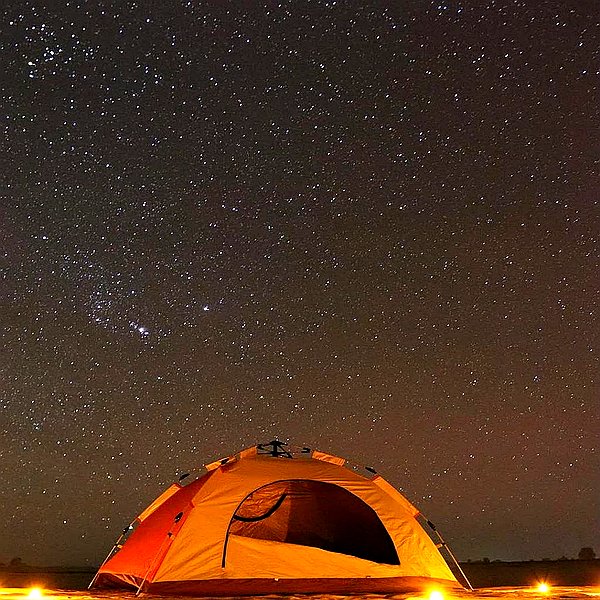
You generally do not need to turn up carrying your own tent if the tour already provides one.

Do You Need to Bring a Tent?

Usually not on an organized safari.

Official Egyptian tourism guidance notes that licensed guides and local operators around Bahariya can arrange or provide camping equipment, including tents and food.

But always check the specific booking.

“Camping included” should not be interpreted without asking what exactly is included.

Do You Need a Sleeping Bag?

Maybe not.

Many organized camping tours provide sleeping equipment.

Confirm:

  • Mattress
  • Sleeping bag
  • Blanket
  • Pillow
  • Tent

before packing.

If your operator supplies everything, carrying another sleeping bag around Egypt is unnecessary.

Do You Need a Pillow?

Again, check.

Some camps provide them.

Some travelers prefer bringing a small inflatable travel pillow regardless.

That is personal preference rather than a safari requirement.

Headlamp vs Phone Flashlight

Bring a headlamp.

Yes, your phone has a flashlight.

But a headlamp keeps both hands free when you are:

  • Finding clothes
  • Entering a tent
  • Walking after dark
  • Using the bathroom area
  • Organizing camera equipment

Once you use one at camp, the superiority becomes obvious.

Toiletries for Desert Camping

Keep them compact.

Bring:

  • Toothbrush
  • Toothpaste
  • Deodorant
  • Wet wipes
  • Tissues
  • Hand sanitizer
  • Lip balm
  • Moisturizer if needed
  • Menstrual products if needed
  • Contact-lens supplies
  • Medication
  • Small towel

You do not need your entire bathroom cabinet.

Is There a Shower?

Do not pack assuming a temporary wilderness camp has a hotel bathroom.

Remote camping often means basic washing arrangements rather than a proper shower.

Our Egypt Desert Camping Guide explains the difference between temporary camping, fixed camps and glamping.

Wet wipes become unusually exciting after one night in the desert.

Toilet Paper and Tissues

Bring your own small supply.

Even when the operator provides basic toilet facilities, carrying tissues gives you backup.

Also bring a sealable bag for personal waste when appropriate.

Follow your guide’s instructions for camp hygiene and disposal.

Hand Sanitizer

Small.

Light.

Useful.

Bring it.

No further philosophical discussion required.

Medication

Bring all medication you normally need.

For remote trips:

  • Carry enough for the entire journey.
  • Add a sensible reserve.
  • Keep important medication accessible.
  • Do not put essential medication in a bag you cannot reach.

If you have a medical condition that could affect the trip, inform the operator when appropriate.

A desert camp does not have a pharmacy around the corner.

Basic First-Aid Items

Your guide should have appropriate trip supplies, but personal items can include:

  • Adhesive bandages
  • Blister treatment
  • Pain relief you normally use
  • Any prescribed medication
  • Motion-sickness medication if relevant

You do not need to build a hospital inside your backpack.

Motion-Sickness Medication

Worth considering if you regularly get sick during:

  • Boats
  • Mountain roads
  • Roller coasters
  • Winding car journeys

4×4 travel over dunes and uneven ground can trigger motion sickness.

Use only medication appropriate for you and according to professional or product guidance.

Water: What Do You Need to Carry?

On an organized safari, the operator should handle the main drinking-water supply.

You should still keep your own bottle accessible during the day.

Do not hide your water inside inaccessible luggage.

Drink regularly.

Dry desert conditions can make dehydration less obvious than heavy sweating in humid weather.

Do You Need to Carry Liters of Water Yourself?

Not on a normal organized tour.

This is one advantage of traveling with an experienced local team.

The vehicle carries the expedition logistics.

You carry what you need for personal access.

For longer remote journeys, confirm the water arrangements before departure.

Snacks

Even when meals are included, snacks are useful.

Bring familiar items such as:

  • Cereal bars
  • Nuts
  • Crackers
  • Dried fruit
  • Biscuits

They are particularly helpful for:

  • Long Cairo transfers
  • Children
  • Travelers with specific eating schedules

Do not bring half a supermarket.

Packing Electronics for the Desert

Most travelers bring:

  • Smartphone
  • Power bank
  • Charging cable
  • Camera
  • Spare battery

That is enough.

Remote camps may not offer normal electrical outlets.

Power independence matters more than bringing large numbers of gadgets.

How Large Should Your Power Bank Be?

It depends on:

  • Number of days
  • Phone usage
  • Photography
  • Whether vehicle charging is available

For a normal overnight safari, one good fully charged power bank is often sufficient for ordinary phone use.

Longer trips and photographers should bring more capacity or additional batteries.

Download Everything Before Leaving Cairo

Before entering remote areas, download:

  • Booking details
  • Offline entertainment
  • Important documents
  • Maps if wanted
  • Music
  • Audiobooks
  • Emergency information

Mobile coverage may become limited in remote desert areas.

Treat connectivity as a bonus rather than a guarantee.

Camera Packing List

For most travelers:

  • Camera body
  • Main lens
  • Spare battery
  • Memory card
  • Lens cloth
  • Protective bag

Optional:

  • Tripod
  • Remote shutter
  • Additional lens

The biggest photography mistake is not bringing the wrong lens.

It is spending the entire safari changing lenses while sand blows into the camera.

Protecting Cameras From Sand

Simple habits are effective.

  • Keep equipment inside a bag when not using it.
  • Avoid changing lenses during strong wind.
  • Carry a lens cloth.
  • Store batteries and cards in sealed pouches.
  • Never place the camera directly on sand.
  • Zip your bag properly.

Sand has an almost supernatural ability to locate expensive electronics.

Do not help it.

Should You Bring a Tripod?

Bring one if you care about:

  • Night photography
  • Milky Way photography
  • Long exposures
  • Blue hour
  • Sunrise photography

Otherwise, it is optional.

A lightweight travel tripod is more practical than carrying a large studio tripod through a 4×4 safari.

Packing for Stargazing

For simple stargazing:

nothing special.

For astrophotography:

  • Camera
  • Wide lens
  • Tripod
  • Spare batteries
  • Headlamp
  • Warm clothes

Warm clothes matter because astrophotography involves standing still outside rather than walking around.

Read our White Desert Egypt Stargazing guide for detailed night-sky planning.

Protect Your Phone From Sand Too

Phones are not immune.

Use:

  • Protective case
  • Zip pocket
  • Small sealable pouch during sandboarding

Do not place your phone loose on a dune while helping somebody take a photograph.

The Sahara accepts donations.

Packing for Sandboarding

You normally do not need to bring your own board when the activity is included.

Wear:

  • Comfortable clothes
  • Shoes that stay secure
  • Sunglasses
  • Scarf if windy

Keep electronics protected.

You are going to get sandy.

This should not come as a surprise.

Official tourism information specifically promotes sandboarding in Fayoum and Siwa.

What to Pack for Siwa Salt Lakes

If your Siwa itinerary includes the salt lakes, add:

  • Swimwear
  • Towel
  • Change of clothes
  • Water-friendly footwear if preferred
  • Bag for wet clothing
  • Fresh water for rinsing when available

Avoid using your best leather shoes around salt water.

Salt and luxury footwear have incompatible life goals.

Siwa’s salt lakes are one of the destination’s signature experiences.

What to Wear in Siwa Town

Your desert safari outfit and oasis-town outfit can overlap.

Loose, comfortable clothing works well.

Siwa is a traditional local community, so modest clothing is a practical and respectful choice when exploring town and cultural sites.

If your wider Egypt trip includes mosques, churches or other religious sites, official tourism guidance recommends clothing that covers shoulders and legs, with additional head covering where appropriate.

Packing for Fayoum

A day-trip Fayoum checklist is easy:

  • Comfortable clothes
  • Walking shoes
  • Hat
  • Sunglasses
  • Sunscreen
  • Scarf
  • Water bottle
  • Phone
  • Power bank
  • Camera
  • Snacks
  • Small daypack

If you are staying overnight, add normal accommodation essentials and a warm evening layer.

Read our Fayoum Oasis Egypt Travel Guide before the trip.

Packing for the White Desert

The essential White Desert difference is camping + temperature variation.

Bring:

  • Lightweight daytime clothes
  • Warm nighttime layers
  • Closed shoes
  • Hat
  • Sunglasses
  • Sunscreen
  • Scarf
  • Toiletries
  • Headlamp
  • Power bank
  • Small overnight bag

Then check exactly which camping equipment your tour provides.

Our dedicated What to Pack for White Desert Egypt guide goes deeper into 2-day, 3-day, trekking and camping requirements.

Packing for a Longer Western Desert Expedition

Once your trip becomes four, six or eight days, packing changes.

Add:

  • More socks
  • Additional underwear
  • Extra clothing layers
  • More medication
  • Larger charging capacity
  • Additional camera batteries
  • More toiletries
  • Organized packing pouches

But avoid multiplying every item unnecessarily.

You still do not need seven completely different desert outfits.

For deeper journeys, explore our Egypt Western Desert Itinerary and Western Desert Egypt Tour guides.

Packing for White Desert Trekking

Trekking requires different priorities.

Focus on:

  • Proven comfortable walking shoes
  • Multiple good socks
  • Lightweight long clothing
  • Sun protection
  • Scarf
  • Daypack
  • Personal hydration bottle
  • Blister care
  • Warm evening clothing

Do not begin a multi-day walking trip wearing brand-new shoes.

This deserves repeating because humans continue doing it.

Packing for a Camel Safari

Camel expeditions require:

  • Comfortable loose trousers
  • Sun protection
  • Scarf
  • Warm night clothing
  • Minimal soft luggage
  • Personal hygiene items
  • Power backup
  • Comfortable camp clothing

Avoid bulky hard luggage.

The entire point of camel travel is slowing down.

Your suitcase does not need to travel with the emotional energy of an airport baggage carousel.

See our 5-Night Camel Safari in the White Desert guide for the specific experience.

Winter Egypt Desert Packing List

For cooler months, prioritize layers.

Add:

  • Fleece
  • Wind-resistant jacket
  • Warm socks
  • Long sleeping clothes
  • Thermal layer if you feel cold easily
  • Warmer outer jacket for colder nights

Daytime may still feel pleasant or warm.

Do not replace sun protection with winter clothing.

You need both.

Summer Desert Packing

Hot-weather travel requires more emphasis on:

  • Breathable clothing
  • Long lightweight sun coverage
  • Hat
  • Sunglasses
  • Sunscreen
  • Water access
  • Electrolytes if appropriate for you
  • Scarf
  • Rest and shade

Extreme heat can change the practicality of some desert activities.

Check destination-specific conditions and itinerary timing before booking.

Spring and Autumn Packing

These transition periods often reward flexible layering.

Bring:

  • Lightweight daytime clothing
  • Warm layer
  • Light jacket
  • Sun protection

Do not assume warm daytime conditions mean you will never need the jacket.

Packing for Women

Women do not need a fundamentally different safari wardrobe.

Useful basics remain:

  • Loose trousers
  • Breathable shirts
  • Comfortable shoes
  • Warm layers
  • Scarf
  • Sun protection

If the itinerary includes traditional communities or religious sites, having clothing with greater coverage gives you more flexibility.

Bring personal hygiene products you specifically prefer, especially when traveling into remote areas where brands and supplies may not be available.

Packing for Men

The same principles apply:

  • Lightweight loose clothing
  • Long trousers
  • Comfortable shoes
  • Warm layer
  • Hat
  • Sunscreen
  • Scarf

The classic beginner mistake for men is packing three shorts, four T-shirts and absolutely nothing warm because “Egypt is hot.”

The desert will provide feedback.

Packing for Children

Families should add:

  • Extra warm clothing
  • Spare outfit
  • Familiar snacks
  • Children’s medication
  • Wet wipes
  • Sun protection
  • Entertainment for road transfers
  • Headlamp
  • Comfortable sleepwear
  • Small comfort item if camping

Children can go from “best day ever” to “everything is terrible” astonishingly fast when cold, hungry or tired.

Pack accordingly.

See our Egypt Desert Safari With Kids guide for family-specific planning.

Packing for Solo Travelers

Solo travelers do not need different gear.

They do need good organization.

Personally keep control of:

  • ID
  • Phone
  • Medication
  • Money
  • Power bank
  • Warm layer
  • Water
  • Booking information

Do not assume another traveler has backup equipment for you.

Packing for Couples

Couples frequently share:

  • Sunscreen
  • Power banks
  • Camera gear
  • Toiletries

That’s fine.

Do not share the only warm jacket.

Romance has limits.

Documents to Bring

Carry whatever identification your operator confirms is required.

Useful items may include:

  • Passport
  • Copy or digital backup
  • Tour confirmation
  • Insurance details
  • Emergency contacts

Keep important documents protected from dust and water.

Do not leave your passport loose inside an open backpack full of sand.

Cash or Card?

Carry some Egyptian cash.

Remote desert environments should not be treated like central Cairo.

Cash may be useful for:

  • Tips
  • Small local purchases
  • Extra drinks
  • Oasis stops

Ask your operator which major costs are already included.

Do not carry unnecessary large amounts of cash.

Do You Need Travel Insurance Documents?

You do not need to carry a giant printed policy.

But having the key details accessible offline is sensible:

  • Policy number
  • Emergency contact
  • Coverage information

Check that your policy covers the activities you actually plan to do.

What Should Stay in Cairo?

Leave unnecessary valuables behind when possible.

Examples:

  • Expensive jewelry
  • Multiple unnecessary electronics
  • Large amounts of cash
  • Formal clothing
  • Large toiletry bottles
  • Bulky luggage
  • Shoes you will never wear

Traveling lighter improves almost every safari.

What Not to Pack

Avoid:

  • High heels
  • Delicate fashion shoes
  • Bulky hard luggage when avoidable
  • Several heavy jackets
  • Excessive toiletries
  • Unnecessary jewelry
  • Too many outfits
  • Equipment already supplied by the tour
  • Large numbers of books
  • Multiple laptops
  • Fragile items you cannot protect from sand

A desert safari is not a relocation.

Do You Need a Laptop?

Probably not.

If you are working during a longer trip, that changes things.

But for a short desert safari, leave it behind if you can.

Less:

  • Weight
  • Dust exposure
  • Charging anxiety
  • Valuable equipment

The desert will remain available without Excel.

Should You Pack a Drone?

Do not automatically bring one.

Drone use in Egypt is regulated, and protected areas may have additional rules.

Check current Egyptian requirements and destination-specific regulations before traveling.

Do not rely on footage you saw on social media as proof that your own drone use is permitted.

Should You Bring Binoculars?

Optional.

Useful for:

  • Birdwatching
  • Wildlife
  • Distant landscape features

Not necessary for most visitors.

If wildlife is a major interest, read our White Desert Egypt Wildlife guide.

Should You Bring Trekking Poles?

Not for a standard safari.

They can be helpful for dedicated trekking, depending on personal preference.

Do not bring them simply because the word “desert” sounds adventurous.

Do You Need a Compass or GPS?

Not for navigation on a normal guided safari.

Your experienced guide and driver are responsible for route planning.

Official tourism guidance recommends arranging desert adventures with experienced licensed guides and checking access and permit requirements beforehand.

Offline maps can still be fun for following the journey.

They are not a replacement for local desert navigation.

What Should the Tour Operator Provide?

Exact inclusions vary.

A safari operator may provide some combination of:

  • 4×4 transport
  • Driver
  • Guide
  • Drinking water
  • Meals
  • Tent
  • Mattress
  • Blankets
  • Sleeping bag
  • Camp seating
  • Cooking equipment

Official tourism guidance for Bahariya states that local licensed guides and tour companies can arrange camping requirements and supply equipment including tents and food.

Always check your individual package.

Ask These Questions Before Packing

Send your operator this list:

  1. Is a tent provided?
  2. Is the tent private or shared?
  3. Is a mattress included?
  4. Are blankets provided?
  5. Is a sleeping bag included?
  6. Is a pillow included?
  7. Is drinking water included?
  8. Which meals are provided?
  9. What is the toilet arrangement?
  10. Is there a shower?
  11. Is electricity available?
  12. Can phones be charged?
  13. Do I need to bring towels?
  14. Is sandboarding equipment supplied?
  15. Do I need any specific ID?
  16. Are there special clothing requirements?

Once they answer these questions, remove duplicate items from your bag.

Biggest Packing Mistake #1: Overpacking

Every traveler seems convinced they will suddenly require an outfit that has never appeared in their normal life.

You will not.

Pack less.

Biggest Packing Mistake #2: Bringing Only Hot-Weather Clothes

Bring the fleece.

We are serious.

Biggest Packing Mistake #3: Wearing New Shoes

The desert is not a shoe-testing laboratory.

Wear something proven.

Biggest Packing Mistake #4: Forgetting a Power Bank

A phone with 3% battery during sunset creates avoidable sadness.

Biggest Packing Mistake #5: Packing the Warm Layer Too Deep

Keep it accessible.

Temperatures can feel different quickly after sunset.

Biggest Packing Mistake #6: No Dust Protection for Cameras

A camera bag costs less than camera repair.

Biggest Packing Mistake #7: Carrying a Huge Suitcase

Your safari driver will enjoy the puzzle.

Nobody else will.

Biggest Packing Mistake #8: Forgetting Personal Medication

You can buy many things later.

Remote desert travel is not the place to discover you forgot the medicine you actually need.

Biggest Packing Mistake #9: Packing Too Many Toiletries

You are camping for one night.

The twelve-step skincare program can temporarily become a three-step program.

Civilization will survive.

Biggest Packing Mistake #10: Not Checking What the Tour Provides

This causes both overpacking and underpacking.

Ask first.

Pack second.

1-Day Egypt Desert Safari Packing List

For Fayoum or another day safari:

  • Breathable shirt
  • Comfortable trousers
  • Walking shoes
  • Hat
  • Sunglasses
  • Sunscreen
  • Scarf
  • Water bottle
  • Snacks
  • Phone
  • Power bank
  • Camera
  • Medication
  • Small daypack
  • Light layer depending on season

That’s it.

2-Day / 1-Night Desert Safari Packing List

Add:

  • Spare shirt
  • Underwear
  • Spare socks
  • Sleeping clothes
  • Warm fleece
  • Jacket
  • Headlamp
  • Wet wipes
  • Tissues
  • Hand sanitizer
  • Toothbrush
  • Toothpaste
  • Small towel
  • Power bank
  • Overnight bag

Confirm camp equipment before adding tent or bedding.

3-Day Desert Safari Packing List

Add one more set of:

  • Underwear
  • Socks
  • Shirt

Plus:

  • Additional charging capacity
  • Extra medication
  • Slightly larger toiletry supply

Still keep luggage compact.

4–7 Day Western Desert Packing List

Now organization matters.

Use packing cubes or pouches for:

  • Clothing
  • Electronics
  • Hygiene
  • Medication

Bring:

  • Multiple socks
  • Multiple base layers
  • Additional batteries
  • Larger power bank
  • Extra personal essentials

But continue using layers rather than several bulky outfits.

Ultimate Egypt Desert Safari Checklist

Before closing your bag, check everything once.

Clothing

  • Lightweight tops
  • Long trousers
  • Underwear
  • Socks
  • Sleeping clothes
  • Fleece or hoodie
  • Jacket
  • Optional thermal layer

Shoes

  • Closed walking shoes
  • Optional sandals
  • Hiking shoes for trekking

Sun Protection

  • Hat
  • Sunglasses
  • Sunscreen
  • Scarf/buff
  • Lip balm

Toiletries

  • Toothbrush
  • Toothpaste
  • Wet wipes
  • Tissues
  • Hand sanitizer
  • Deodorant
  • Moisturizer
  • Personal hygiene items
  • Small towel

Health

  • Prescription medication
  • Basic personal first aid
  • Motion-sickness medication if needed

Electronics

  • Phone
  • Charging cable
  • Power bank
  • Camera
  • Spare camera battery
  • Memory cards
  • Headlamp
  • Optional tripod

Documents

  • Required identification
  • Booking details
  • Insurance information
  • Emergency contacts

Useful Extras

  • Water bottle
  • Snacks
  • Daypack
  • Soft overnight bag
  • Sealable bags
  • Bag for dirty clothes

Destination Extras

Siwa: swimwear + change of clothes
White Desert: extra warm camping layers
Fayoum: light daypack
Trekking: proven footwear + blister care
Photography: tripod + spare batteries

Best Bag Setup for Most Travelers

For a normal 2-day White Desert safari:

Daypack

Carry:

  • Water
  • Sunscreen
  • Sunglasses
  • Camera
  • Phone
  • Medication
  • Snack
  • Scarf
  • Warm layer

Small Overnight Bag

Carry:

  • Spare clothes
  • Sleepwear
  • Toiletries
  • Extra socks
  • Jacket
  • Electronics

This setup is simple and works.

How to Pack Light Without Forgetting Essentials

Use the “wear, backup, layer” rule.

Wear: one daytime outfit.

Backup: one shirt + underwear + socks.

Layer: fleece + jacket.

Then add:

  • Hygiene
  • Electronics
  • Medication
  • Sun protection

Done.

Packing does not need a spreadsheet.

Although we know some of you will make one anyway.

Which Packing Guide Should You Read Next?

If you are visiting the White Desert, use:

What to Pack for White Desert Egypt

If you are visiting Siwa Oasis, use:

What to Pack for Siwa Oasis Egypt

If this is your first safari, use:

Egypt Desert Safari for Beginners

If you are camping overnight, use:

Egypt Desert Camping Guide

If you are traveling with children:

Egypt Desert Safari With Kids

That creates a clean packing and planning cluster without forcing one article to answer every destination-specific question.

Book an Egypt Desert Safari

Once your bag is sorted, the next decision is the trip itself.

For the classic beginner experience, explore the White Desert Tour From Cairo.

For a longer White Desert adventure, see the 3 Days White Desert Tour From Cairo.

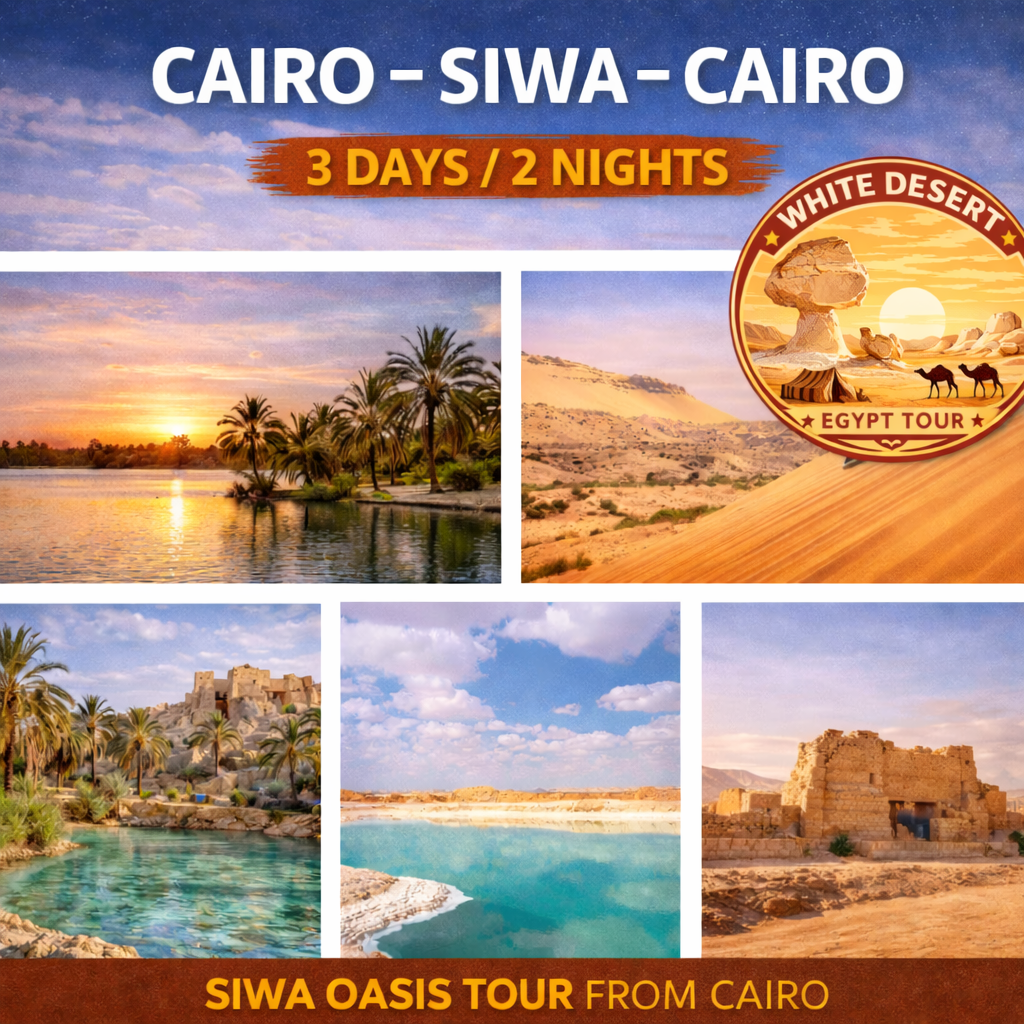
If you want oasis hotels, salt lakes and Great Sand Sea dunes, compare the 3 Days Siwa Oasis Tour From Cairo and 5 Days Siwa Oasis Tour From Cairo.

For a deeper cross-desert journey, start with our Western Desert Egypt Tour guide.

Final Thoughts: What Should You Pack for an Egypt Desert Safari?

Less than you think.

But the right things matter.

The ideal desert bag is not full.

It is useful.

You need lightweight clothing for the day.

Warm layers for the night.

Comfortable shoes.

A hat.

Sunglasses.

Sunscreen.

A scarf.

Medication.

A headlamp.

A power bank.

And enough personal hygiene equipment to make basic camping comfortable.

Egypt’s official tourism guidance recommends lightweight loose clothing, sun protection, comfortable footwear and cooler-weather layers for travelers generally, while its desert guidance emphasizes advance planning with experienced operators for transport, accommodation and any required access arrangements.

The rest depends on the destination.

In Fayoum, keep it light.

You may only be away from Cairo for the day.

In the White Desert, add camping essentials and warm nighttime layers.

In Siwa, add swimwear and clothing suitable for both oasis life and the Great Sand Sea.

For a trekking expedition, prioritize footwear.

For a camel safari, prioritize comfort and minimal luggage.

For photography, prioritize batteries and protection from sand.

The most important step happens before you even open your suitcase:

ask your tour operator what they already provide.

There is no reason to carry a sleeping bag across Egypt if one is waiting at camp.

There is no reason to bring a tent if your safari includes one.

And there is definitely no reason to arrive with a giant hard-shell suitcase containing seven outfits for a two-day trip.

Pack for the conditions.

Pack for your itinerary.

Pack for comfort.

Then stop packing.

The desert has a useful way of reminding travelers how little they actually need.

For your next step, compare trips in our Egypt Desert Safari Packages, choose your first adventure with the Egypt Desert Safari for Beginners guide, or start with the classic White Desert Tour From Cairo.

White Desert Egypt Tour TripAdvisor reviews

star ratingHighly recommended! - We had a great time with Mohammed and his compagnon. The welcome was very warm and we had a great lunch at the house before going to the desert. Nothing... read more

avatar thumb 136michellez
October 14, 2026

star ratingAn Unforgettable Desert Experience (Private Tour) - With my wife, we spent three days and two nights exploring the Egyptian desert with our wonderful guide Mohamed, visiting the White Desert, Black Desert, and Crystal Mountains.

Mohamed... read more

avatar thumb gi0vannimattiab
October 3, 2026

star ratingA Two-Day Trip . - We went on a two-day, one-night desert trip with White Desert Egypt Tour, and we were extremely happy with everything the company provided throughout the journey. The itinerary was wonderful,... read more

avatar thumb nadaf2551
August 6, 2026
Egypt Desert Safari Packing FAQ

Frequently Asked Questions About Egypt Desert Safari Packing

Everything you need to know about packing for an Egypt desert safari, including clothing, shoes, warm layers, camping gear, toiletries, electronics, White Desert trips, Fayoum safaris and Siwa adventures.

Pack lightweight clothes, comfortable closed shoes, a hat, sunglasses, sunscreen, a scarf, warm evening layers, toiletries, personal medication, a headlamp, a power bank, and a small daypack.

Wear lightweight, breathable clothing during the day and carry warmer layers for the evening. Long trousers and loose shirts are practical because they protect against sun, wind, sand, and cooler temperatures.

Yes, especially for overnight trips. Desert temperatures can drop noticeably after sunset, particularly during the cooler months.

Comfortable trainers or lightweight walking shoes are suitable for most 4x4 safaris. Proper hiking shoes are more useful for trekking itineraries.

Not for a standard sightseeing safari. Comfortable closed walking shoes are usually enough unless your itinerary includes long-distance trekking.

You can, but lightweight long trousers are usually more practical because they provide better protection from sun, wind, sand, and cooler evenings.

Yes. A lightweight scarf or buff is one of the most useful desert items because it protects your face and neck from sun, wind, dust, and blowing sand.

Usually not on an organized safari if camping equipment is included. Always confirm what your tour operator provides before packing.

Not usually if your desert tour provides full camping equipment. Ask whether the package includes a sleeping bag, blankets, mattress, pillow, and tent.

Yes. Remote desert camps may have limited or no electricity, so a fully charged power bank is highly recommended.

It is not mandatory, but it is extremely useful for walking around camp, finding belongings inside your tent, and using the toilet area after dark.

Bring a toothbrush, toothpaste, tissues, wet wipes, hand sanitizer, deodorant, lip balm, personal hygiene products, medication, and a small towel.

Yes. Desert sun exposure can remain strong even when the weather feels cool, so sunscreen, sunglasses, and a hat are useful year-round.

Pack as lightly as possible. A small daypack and a soft overnight bag are enough for most 1–3 day safaris.

Sometimes, but large hard-shell suitcases are inconvenient in 4x4 vehicles. If possible, leave unnecessary luggage securely in Cairo or at your hotel.

Bring lightweight daytime clothes, warm layers, comfortable shoes, sun protection, a scarf, toiletries, wet wipes, a headlamp, a power bank, and a small overnight bag.

For a detailed checklist, read our What to Pack for White Desert Egypt .

For a day trip, pack comfortable clothes, walking shoes, a hat, sunglasses, sunscreen, a scarf, water bottle, phone, power bank, camera, snacks, and a small daypack.

In addition to standard desert essentials, bring swimwear, a towel, a change of clothes, and suitable footwear if you plan to visit Siwa's salt lakes and springs.

Read our What to Pack for Siwa Oasis Egypt guide.

Avoid excessive luggage, high heels, delicate shoes, unnecessary valuables, too many outfits, bulky toiletries, and camping equipment already supplied by your tour operator.

Check exactly what your tour operator provides before packing. Then focus on personal essentials: comfortable clothing, warm layers, sun protection, good shoes, medication, a headlamp, and a power bank.

Leave a Comment

Your email address will not be published. Required fields are marked *