Egypt Desert Safari for Beginners: Everything First-Time Travelers Need to Know

Egypt Desert Safari for Beginners: Everything First-Time Travelers Need to Know

Your first desert safari in Egypt can look much more intimidating online than it feels once you are actually there.

You see photographs of 4×4 vehicles crossing dunes.

Remote camps with no buildings in sight.

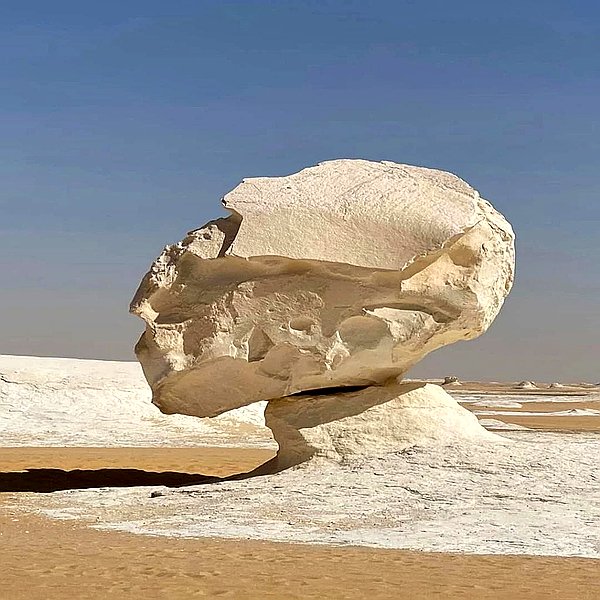
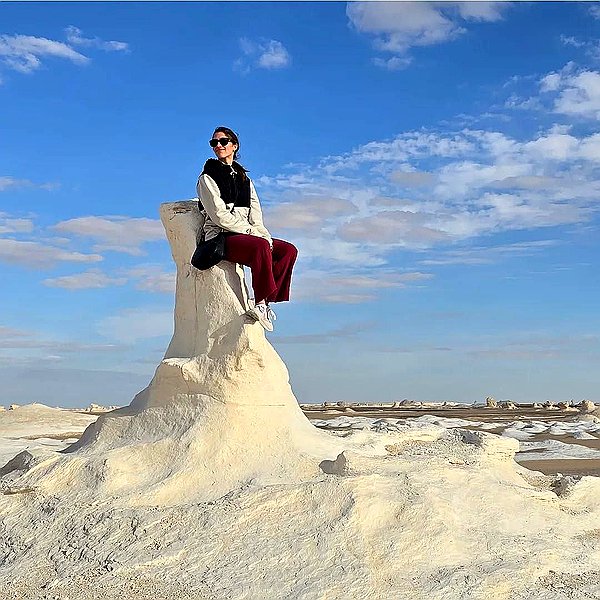
People standing beside enormous rock formations.

Meals cooked in the middle of nowhere.

And tents surrounded by darkness.

If you have never traveled into a desert before, the questions arrive quickly.

Is a desert safari difficult?

Do you need to be fit?

Will the driving be frightening?

Do you have to camp?

Is there a bathroom?

How much water do you need?

What if there is no phone signal?

Which Egyptian desert should you choose?

And how do you know whether a safari operator is actually prepared for remote travel?

The good news is that a well-organized desert safari is much easier for beginners than most people expect.

You are not being dropped in the Sahara with a compass.

On an organized trip, the difficult logistical work is handled by the local team.

Experienced guides manage:

  • Route planning
  • 4×4 driving
  • Camping equipment
  • Food
  • Drinking water
  • Fuel
  • Permits where required
  • Navigation
  • Timing
  • Camp setup

Egypt’s official tourism platform recommends planning desert excursions with experienced licensed guides and suitable 4×4 vehicles, particularly for routes beyond the oases. It also advises travelers to check whether the areas they want to explore are open and whether permits are required.

That means your job as a first-time traveler is mostly to make a few good decisions before you leave.

Choose the right desert.

Choose the right duration.

Choose a suitable operator.

Pack sensibly.

Understand what facilities will and will not exist.

Then enjoy the ride.

This Egypt desert safari for beginners guide walks you through the entire process.

Quick Answer: Is an Egypt Desert Safari Good for Beginners?

Yes.

An organized Egypt desert safari is suitable for first-time desert travelers, provided you choose an itinerary that matches your comfort level and travel with an experienced local team.

For most beginners, the easiest options are:

  • Fayoum for a short day trip or weekend desert experience
  • White Desert for the classic 2-day/1-night safari and camping experience
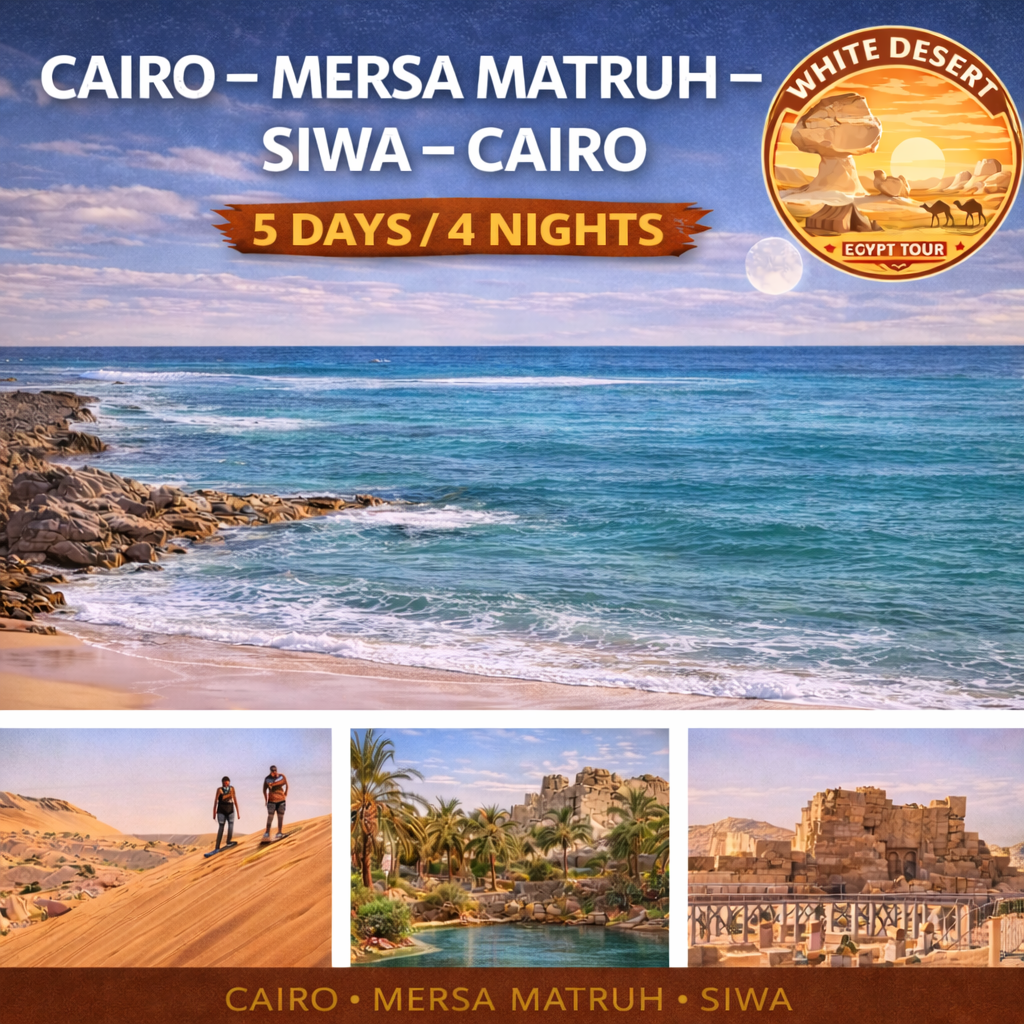
  • Siwa Oasis for a slower trip combining oasis accommodation with Great Sand Sea adventure

Egypt’s official tourism platform specifically highlights Fayoum, Siwa, Bahariya and the White Desert as established destinations for desert activities, safaris and camping.

You do not need previous:

  • Camping experience
  • Off-road driving experience
  • Hiking experience
  • Navigation skills
  • Desert survival training

You do need realistic expectations about remoteness, bathrooms, temperatures and driving time.

What Exactly Is a Desert Safari?

The word safari can mean different things depending on where you travel.

In Egypt, a desert safari normally refers to an organized trip through desert terrain using a 4×4 vehicle.

Depending on the destination, it may include:

  • Off-road driving
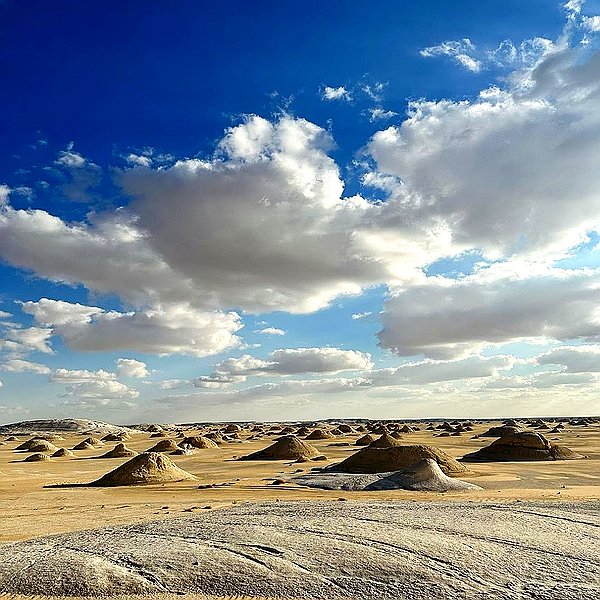
  • Sand dunes
  • Rock formations
  • Springs
  • Oasis villages
  • Fossil areas
  • Sandboarding
  • Hiking
  • Camping
  • Stargazing
  • Camp meals
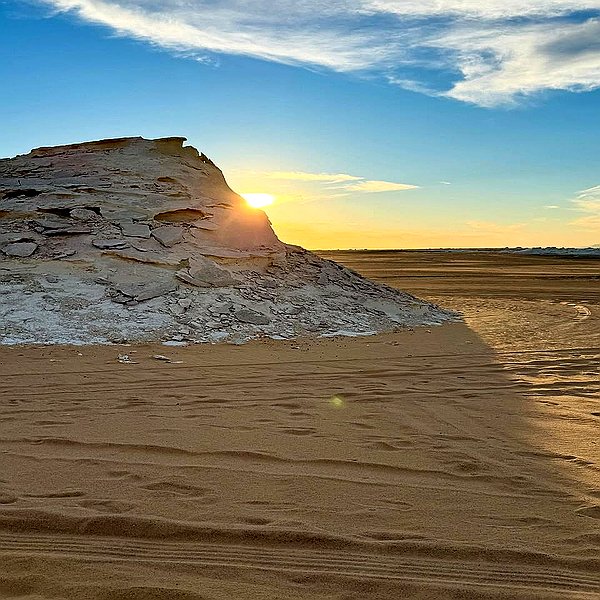
  • Sunrise and sunset
  • Archaeological sites

A safari does not automatically mean driving aggressively over huge dunes all day.

Some routes are adventurous.

Others are surprisingly relaxed.

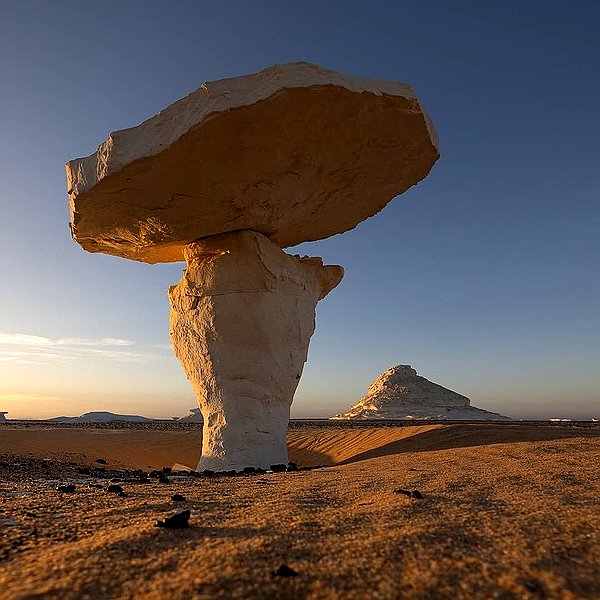
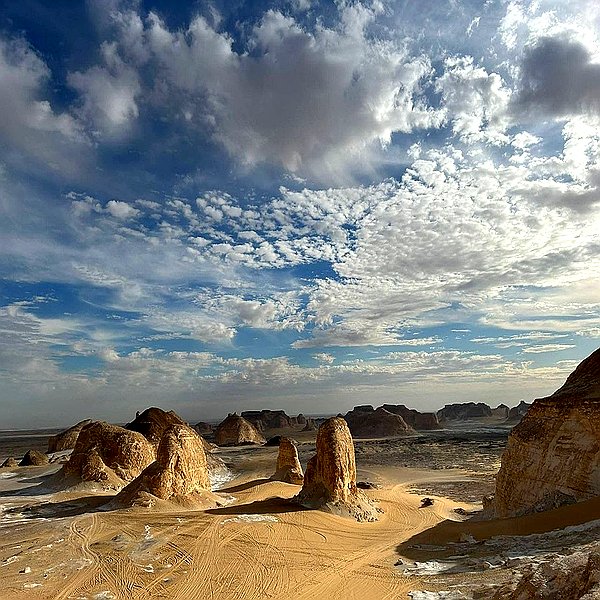
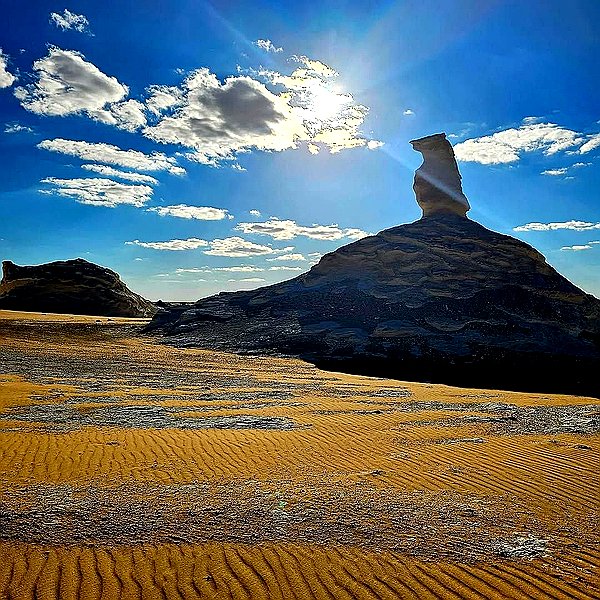
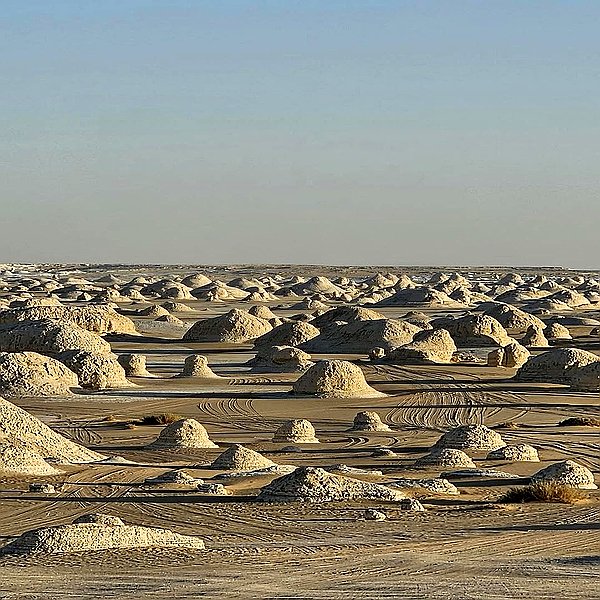
A White Desert safari, for example, combines driving with frequent sightseeing stops at geological attractions.

A Siwa safari focuses more heavily on dunes and the Great Sand Sea.

A Fayoum safari may combine desert driving with lakes, fossils and viewpoints.

Choose the landscape before you choose the vehicle experience.

Is a Desert Safari the Same as Dune Bashing?

No.

This is one of the most useful things for beginners to understand.

Dune bashing usually means driving dynamically over sand dunes for excitement.

A desert safari is broader.

It can include dune driving, but it may also involve:

  • Scenic driving
  • Geological stops
  • Walking
  • Camping
  • Springs
  • Photography
  • Cultural visits

If you do not enjoy roller-coaster-style driving, tell the guide.

You can still enjoy the desert.

A safari does not need to become a motorsport event.

Which Desert in Egypt Is Best for First-Time Visitors?

There is no single answer because Egypt has several very different desert experiences.

But beginners can make the choice surprisingly easily.

White Desert: Best First Overnight Safari

Choose the White Desert if you want:

  • Classic 4×4 safari
  • One night camping
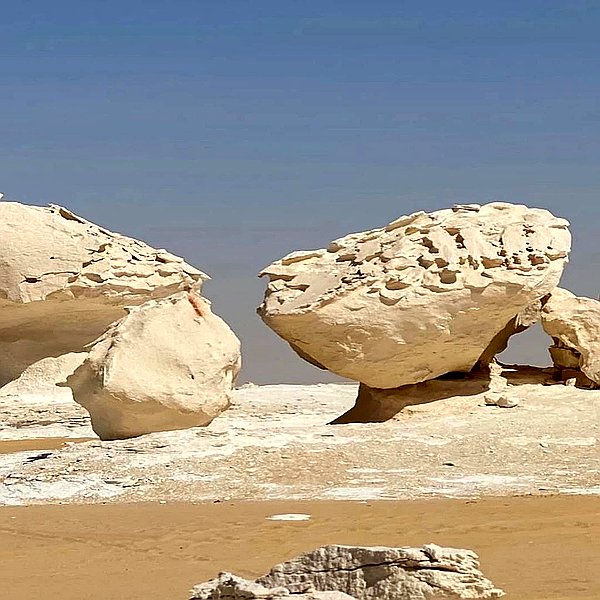
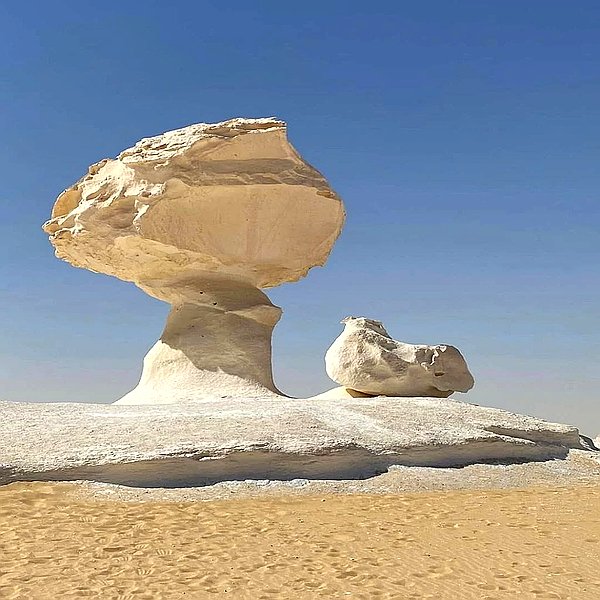
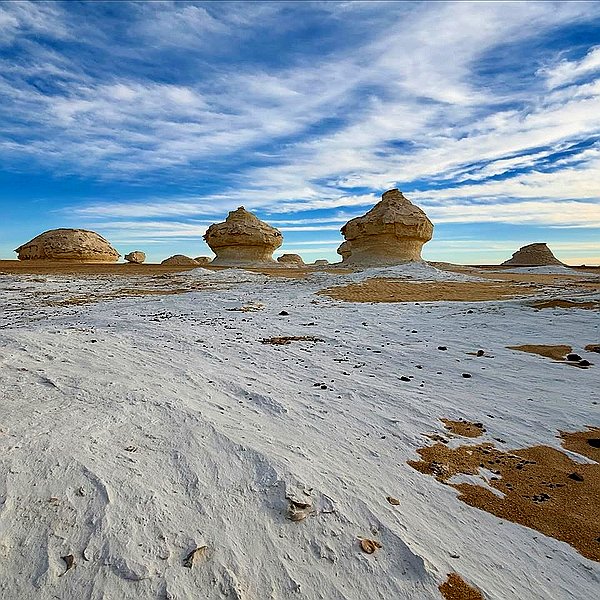
  • White chalk formations
  • Black Desert
  • Crystal Mountain
  • Valley of Agabat
  • Stargazing
  • Sunrise
  • A complete adventure in two days

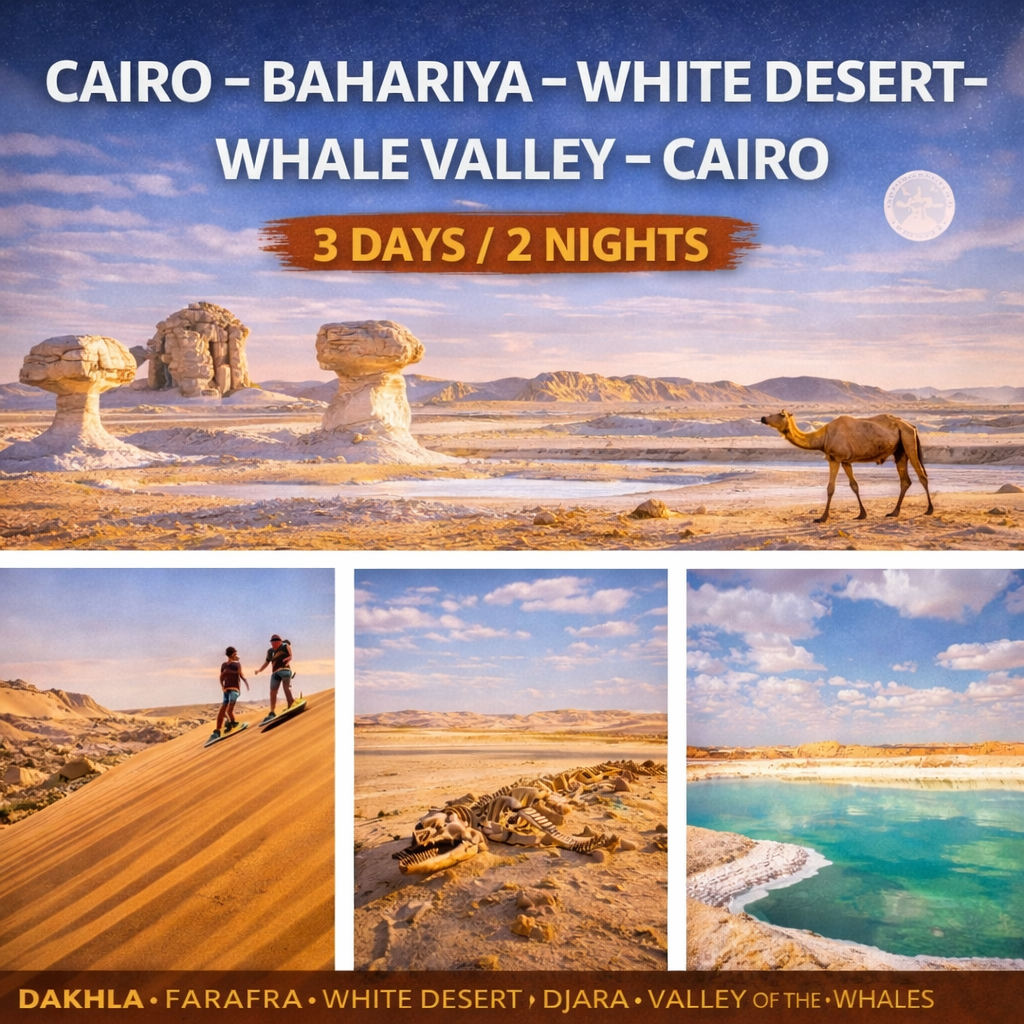
For most first-time travelers starting from Cairo, this is our strongest all-round recommendation.

Fayoum: Best Easy Desert Day Trip

Choose Fayoum if you want:

  • Shorter travel from Cairo
  • No mandatory camping
  • Lakes and dunes
  • Magic Lake
  • Wadi El Rayan
  • Wadi El Hitan
  • Sandboarding
  • A day trip or easy weekend

Egypt’s official tourism website describes Fayoum as a popular weekend destination near Cairo and specifically highlights desert adventures, dunes and Wadi El Hitan.

Siwa Oasis: Best Desert + Oasis Experience

Choose Siwa if you want:

  • Great Sand Sea
  • High dunes
  • Salt lakes
  • Natural springs
  • Oasis culture
  • Hotels or eco-lodges
  • Sandboarding
  • A slower multi-day escape

Experience Egypt highlights Siwa’s salt lakes, hot springs and Great Sand Sea as core parts of the destination.

Sinai: Best for Mountains

Choose Sinai if you want:

  • Mountains
  • Canyons
  • Hiking
  • Bedouin culture
  • Desert camps

Western Desert Expedition: Best After You Know You Like Desert Travel

Long routes through Farafra, Dakhla and Kharga are incredible, but a multi-day expedition is a bigger commitment.

If you have never spent a night in a desert, try a shorter safari first.

White Desert vs Fayoum vs Siwa for Beginners

Here is the simple version.

Destination

Best For

Typical Style

Beginner Level

White Desert

Classic safari + camping

4×4 + overnight

Excellent

Fayoum

Short escape

Day trip / weekend

Easiest

Siwa

Oasis + dunes

Multi-day

Excellent

Sinai

Hiking + mountains

Trekking/camp

Depends on route

Deep Western Desert

Expedition

Multi-day 4×4

Better after experience

If you only remember one thing:

Fayoum is easiest. White Desert is the best classic first safari. Siwa is best when you want the desert mixed with oasis life.

Why the White Desert Works So Well for Beginners

The White Desert gives you a lot of variety without requiring a week-long expedition.

A typical journey from Cairo follows something like:

Cairo → Bahariya Oasis → 4×4 safari → Black Desert → Crystal Mountain → Valley of Agabat → White Desert → camp → sunrise → Cairo

Your current White Desert Tour From Cairo follows this basic structure.

The benefit for a beginner is variety.

You are not sitting in a vehicle for ten hours looking at identical sand.

The scenery changes repeatedly.

You stop.

Walk.

Take photographs.

Drink tea.

Eat.

Watch sunset.

Camp.

Then wake up in a different-looking desert again.

How Long Should Your First Desert Safari Be?

Duration matters more than beginners expect.

1 Day

Best for:

  • Fayoum
  • Short desert experience
  • Sandboarding
  • Lakes
  • Travelers who do not want camping

Not ideal for the White Desert from Cairo.

Your existing White Desert Day Trip From Cairo guide explains why a compressed one-day White Desert journey loses sunset, camping, stars and sunrise.

2 Days / 1 Night

Best first White Desert experience.

You get:

  • Main safari route
  • Camping
  • Dinner
  • Stargazing
  • Sunrise

without committing to a long expedition.

3 Days / 2 Nights

Better if you:

  • Hate rushing
  • Love photography
  • Want two camps
  • Want more Bahariya time
  • Want deeper routes

4+ Days

Best for:

  • Trekking
  • Camel safari
  • Djara Cave
  • Western Desert expeditions
  • Serious landscape travel

For your first safari, 2 or 3 days is the sweet spot.

What Happens on the First Day?

Every itinerary differs, but a first White Desert day gives a useful example.

You normally leave Cairo early.

The first part is a road journey rather than off-road driving.

After reaching Bahariya Oasis, you meet the local desert team and transfer into a 4×4.

Now the safari begins.

The day may include stops at:

  • Black Desert
  • El Haize
  • Crystal Mountain
  • Sand dunes
  • Valley of Agabat
  • White Desert

There is normally lunch somewhere along the route.

Toward evening, the pace changes.

The team chooses or reaches the designated camp area.

The vehicle stops.

Camping equipment comes out.

Sunset begins.

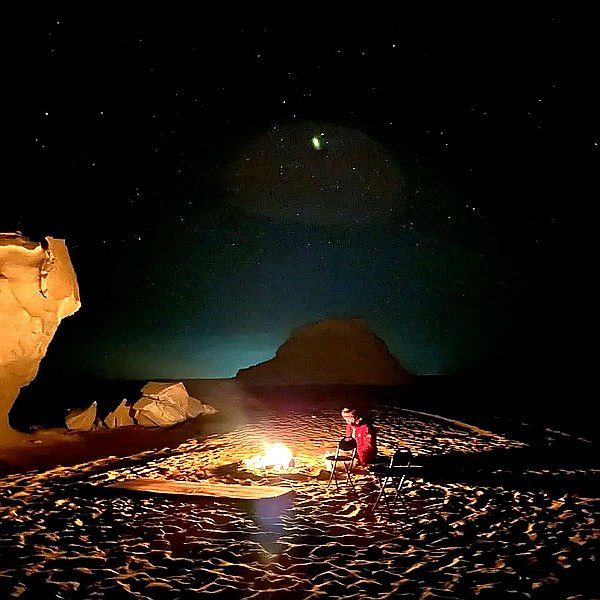
This is usually the moment when the trip stops feeling like a sightseeing tour and starts feeling like an expedition.

What Is a 4x4 Desert Safari Vehicle Like?

Western Desert trips commonly use robust four-wheel-drive vehicles designed for difficult terrain.

The exact model varies.

Inside, expect a normal vehicle rather than a luxury limousine.

You may have:

  • Front and rear seats
  • Bags and equipment
  • Water
  • Camping supplies
  • Roof rack
  • Dust
  • Plenty of desert character

The ride can become bumpy once you leave paved roads.

That is normal.

Egypt’s official tourism guidance specifically recommends using licensed guides with 4×4 vehicles for excursions outside Bahariya Oasis.

Is Off-Road Driving Scary?

Usually not.

The first few minutes can feel unusual if you have never driven across open sand.

The vehicle may:

  • Climb slopes
  • Lean slightly
  • Bounce over uneven ground
  • Accelerate across soft sand

Experienced desert drivers understand how to read terrain.

If you feel uncomfortable, say so.

A safari should be exciting, not miserable.

You can ask for:

  • Slower driving
  • Fewer aggressive dune sections
  • Breaks
  • Front-seat position if available

There is no prize for pretending you love dune bashing when you actually want to throw up.

What If You Get Motion Sickness?

Plan for it.

Desert driving can trigger motion sickness in people who are sensitive to:

  • Winding roads
  • Boats
  • Roller coasters
  • Mountain driving

Helpful strategies include:

  • Eat a light meal before off-road driving.
  • Avoid excessive alcohol the night before.
  • Sit where you can see ahead.
  • Focus on the horizon.
  • Ask for breaks.
  • Bring any motion-sickness medicine you normally use.

If you have severe motion sickness, tell the operator beforehand.

That allows the driving style and seating plan to be considered.

Do You Have to Camp?

No.

Camping is popular, but it is not compulsory across all Egypt desert destinations.

You can choose:

  • Hotel
  • Eco-lodge
  • Fixed camp
  • Glamping
  • Temporary wilderness tent

Egypt’s official tourism platform highlights eco-lodges in Siwa, Fayoum, Bahariya and Dakhla, while glamping options are also available in destinations such as Fayoum and Siwa.

If sleeping in a basic tent would ruin your trip, don’t force it.

Choose a more comfortable accommodation style.

But Should Beginners Try Camping?

Yes, if you are reasonably comfortable with basic facilities.

One night is manageable for most people.

It gives you:

  • Sunset without rushing back
  • Dinner in the desert
  • Dark sky
  • Silence
  • Sunrise

And because it is only one night, even travelers who are not experienced campers normally cope well.

Our complete Egypt Desert Camping Guide explains what tents, toilets, food, charging and sleep are really like.

What Is the Bathroom Situation?

This is one of the first things beginners should ask.

Do not assume there is a permanent bathroom in a wilderness camp.

Depending on the destination and operator, facilities may include:

  • Portable camping toilet
  • Privacy tent
  • Basic designated toilet area
  • Fixed facilities at established camps
  • Private bathroom at glamping accommodation

The arrangement varies enormously.

Ask this exact question before booking:

“What is the toilet setup during the overnight camp?”

That one sentence can prevent a lot of anxiety.

Is There a Shower?

Not usually at a temporary wilderness camp.

A one-night remote safari may involve:

  • Wet wipes
  • Hand sanitizer
  • Limited washing water

Then you shower after returning to an oasis hotel or Cairo.

Glamping and fixed camps may offer proper bathrooms and showers.

If daily showers are non-negotiable for you, say so before choosing the trip.

What Do You Eat on a Desert Safari?

Usually much better food than beginners expect.

Meals may include:

  • Rice
  • Chicken
  • Meat
  • Pasta
  • Vegetables
  • Salad
  • Bread
  • Eggs
  • Cheese
  • Fruit
  • Tea
  • Coffee

On overnight trips, dinner may be prepared at camp.

Breakfast is normally served before the route continues.

Menus vary, so communicate dietary restrictions before departure.

Can Vegetarians and Vegans Join?

Yes.

Vegetarian food is generally straightforward to arrange.

Vegan diets, severe allergies, gluten-related restrictions and other specific requirements require better advance planning.

Remember:

once the 4×4 is deep in the desert, nobody can casually drive five minutes to a supermarket.

Tell the operator early.

How Much Water Do You Need?

Do not try to calculate and transport the entire group’s water yourself on an organized safari.

The operator should handle group water logistics.

You should still carry an accessible personal bottle during the day.

Drink regularly.

Do not wait until you feel extremely thirsty.

The combination of:

  • Dry air
  • Sun
  • Walking
  • Wind

can dehydrate you without the heavy sweating you might expect in humid conditions.

Is the Egyptian Desert Extremely Hot?

Sometimes.

But the answer depends strongly on season and time of day.

Beginners often make one mistake:

they think desert = permanently hot.

It does not.

Desert temperatures can vary sharply between day and night.

A warm afternoon may become a cold evening.

That is especially noticeable during the cooler travel season.

Bring layers rather than relying on one heavy item.

What Is the Best Time for a First Desert Safari?

For most first-time Western Desert travelers, the cooler part of the year is easier than peak summer.

Why?

You spend time:

  • Outside vehicles
  • Walking
  • Photographing
  • Sitting at camp
  • Stargazing

Extreme heat makes all of those harder.

For White Desert-specific planning, see our Best Time to Visit White Desert Egypt.

The exact best period depends on whether you prioritize:

  • Warm days
  • Comfortable nights
  • Stargazing
  • Photography
  • Fewer visitors

What Should You Wear During the Day?

Wear practical, breathable clothing.

Good choices include:

  • Lightweight trousers
  • T-shirt or breathable long sleeve
  • Closed walking shoes
  • Hat
  • Sunglasses
  • Scarf or buff

Long sleeves can be useful for sun and wind protection.

You do not need expensive expedition clothing for a normal beginner safari.

Comfort beats fashion.

What Should You Wear at Night?

Bring:

  • Long trousers
  • Warm top
  • Fleece or jacket
  • Socks

During cooler periods, add:

  • Thermal base layer
  • Light insulated jacket

Do not leave Cairo dressed for the afternoon forecast and assume that will work at midnight in the desert.

What Shoes Do You Need?

For a normal safari:

comfortable trainers or lightweight hiking shoes are enough.

Heavy boots are unnecessary unless your itinerary includes real trekking.

Avoid bringing only open sandals.

They are convenient around easy terrain but less useful for:

  • Sharp stones
  • Cold evenings
  • Walking after dark

The Beginner Packing List

You do not need to bring half your house.

For a standard short safari, pack:

  • Comfortable clothes
  • Warm layer
  • Closed shoes
  • Hat
  • Sunglasses
  • Sunscreen
  • Scarf or buff
  • Toiletries
  • Wet wipes
  • Tissues
  • Hand sanitizer
  • Headlamp
  • Power bank
  • Charging cables
  • Personal medication
  • Camera
  • Spare battery
  • Small overnight bag

For the White Desert, use our complete What to Pack for White Desert Egypt checklist.

Why a Scarf Is Surprisingly Useful

A lightweight scarf or buff can protect:

  • Face from wind
  • Mouth from dust
  • Neck from sun
  • Head from intense light

It weighs almost nothing.

Bring one.

This is one of those small items that becomes more useful than three expensive pieces of gear you bought specifically for the trip.

Why You Need Sunscreen Even in Winter

Cool air can fool you.

Sun exposure does not disappear because you are comfortable.

The desert has:

  • Limited shade
  • Long periods outdoors
  • Reflective pale surfaces in places such as the White Desert

Use sunscreen.

Bring sunglasses.

Wear a hat.

Do You Need Special Camping Gear?

Not usually.

If your package includes camping equipment, the operator normally supplies:

  • Tent
  • Mattress
  • Blankets or sleeping gear
  • Camp equipment
  • Cooking equipment

Never buy a tent specifically for an organized two-day tour unless the operator tells you one is required.

Ask what is included first.

Do You Need a Backpack?

A small backpack or day bag is useful.

Keep inside:

  • Water
  • Sunscreen
  • Phone
  • Camera
  • Medication
  • Scarf
  • Warm layer

For overnight items, use a compact soft bag.

Huge hard-shell suitcases are annoying in 4×4 vehicles.

Leave unnecessary luggage in Cairo or at an agreed secure location when possible.

Is There Electricity?

Not necessarily.

A wilderness camp may have no mains electricity.

Bring a power bank.

Photographers should bring spare batteries.

Do not depend on the vehicle having the exact charging connection you need.

The easiest charging solution is the one already inside your bag.

Will Your Phone Work?

Sometimes.

Not always.

You may lose signal once you move deeper into remote terrain.

Download important information first.

Tell family or friends that you may be unreachable.

Do not panic because WhatsApp stops working for six hours.

You deliberately traveled away from a city.

Can You Use Google Maps in the Desert?

Offline maps may be useful for curiosity, but your phone is not your navigation system.

Desert navigation requires:

  • Local route knowledge
  • Terrain experience
  • Current access information

That is one of the reasons official tourism guidance recommends experienced guides.

Do not treat a blue GPS dot as permission to self-drive into remote desert terrain.

Can Beginners Drive the 4x4 Themselves?

Not on a normal guided safari.

You are the passenger.

That is a good thing.

Driving in deep sand requires experience with:

  • Tire pressure
  • Momentum
  • Traction
  • Recovery
  • Route selection
  • Terrain

Watching a desert driver make it look easy does not mean it is easy.

What Happens If the Vehicle Gets Stuck?

Vehicles occasionally get stuck in sand.

That is part of genuine off-road travel.

Experienced teams carry or use appropriate recovery methods.

Depending on circumstances, these can involve:

  • Digging
  • Tire-pressure adjustment
  • Tow straps
  • Another 4×4
  • Changing the driving line

For longer expeditions, backup planning becomes particularly important.

Experience Egypt advises an additional vehicle with supplies and equipment for overnight desert trips lasting more than roughly two to three days.

Is an Egypt Desert Safari Safe?

A professionally organized safari can be a suitable tourism activity, but safety depends on preparation.

Important factors include:

  • Experienced driver
  • Suitable 4×4
  • Current route information
  • Adequate water
  • Fuel
  • Communication
  • Weather awareness
  • Permits and access rules
  • Proper equipment

Egypt’s official tourism guidance repeatedly advises travelers to use experienced licensed guides for desert trips and to confirm whether desired areas are currently open to visitors.

Check current official travel guidance before any remote journey because access conditions can change.

Why You Should Not Simply Rent a Car and Drive Into the Desert

Paved-road driving and desert driving are completely different.

Problems can include:

  • Soft sand
  • Getting stuck
  • No obvious track
  • Long distance from water
  • Weak signal
  • Restricted areas
  • Mechanical problems

Your normal rental sedan is not a desert safari vehicle.

Even owning a 4×4 does not automatically give you desert navigation experience.

For a beginner, use a local team.

Are Permits Required?

Rules depend on the destination, protected area and activity.

Experience Egypt advises travelers to inquire about permits and engage licensed guides where necessary. Egypt’s Environmental Affairs Agency also maintains procedures for activities within protected areas.

The White Desert also has official entrance, vehicle and camping fee categories published by the environmental authority.

Your operator should explain what is included.

Do not assume the cheapest advertised price includes every protected-area fee.

Can You Camp Anywhere?

No.

Protected deserts may have:

  • Recreational zones
  • Restricted areas
  • Designated camping rules
  • Vehicle restrictions

The official White Desert management framework, for example, distinguishes zones with different access and camping conditions.

Follow your guide.

Do not insist on camping beside a particular Instagram rock because it looks cool.

Is There Dangerous Wildlife?

Egyptian deserts contain wildlife.

Possible animals include:

  • Foxes
  • Snakes
  • Scorpions
  • Rodents
  • Reptiles
  • Birds

But wildlife is generally not the main thing beginners should worry about.

Simple precautions:

  • Keep your tent closed.
  • Wear shoes at night.
  • Use a flashlight.
  • Do not reach under rocks.
  • Do not feed animals.

For the White Desert ecosystem, read our White Desert Egypt Wildlife guide.

What If You See a Fox at Camp?

Enjoy seeing it from a distance.

Do not:

  • Feed it
  • Chase it
  • Try to touch it
  • Leave food outside deliberately

Wild animals quickly learn where human food is available.

Feeding creates bad behavior and harms the natural relationship between wildlife and visitors.

Are There Mosquitoes?

The answer depends on where you are.

Completely dry open desert generally has fewer mosquitoes than wet areas.

Around:

  • Oases
  • Springs
  • Lakes
  • Vegetation

insects may be more noticeable.

A small insect repellent is useful, especially if your route includes oasis environments.

Can Children Join a Desert Safari?

Yes, many can.

But parents should consider:

  • Driving duration
  • Toilet arrangements
  • Heat
  • Cold nights
  • Child’s tolerance for basic facilities
  • Motion sickness
  • Food preferences

The White Desert works well for adventurous families because the landscape changes frequently.

Read our White Desert Tour for Families for more detailed planning.

Can Older Travelers Join?

Often, yes.

Fitness matters less than comfort with:

  • Getting in and out of a 4×4
  • Bumpy driving
  • Low seating
  • Basic toilets
  • Camping mattress

Ask about modifications if required.

A private safari gives more flexibility for:

  • Additional stops
  • Slower pace
  • Seating choices

Is a Desert Safari Good for Solo Travelers?

Yes.

Solo travelers can choose:

  • Shared safari
  • Small group
  • Private trip

Shared departures can reduce cost and make camping more social.

Private trips offer more flexibility.

Ask whether:

  • The vehicle is shared
  • The tent is shared
  • Single supplement applies

These are separate questions.

Private Safari vs Group Safari for Beginners

Both work.

Choose Private If You Want

  • Flexible stops
  • More control over driving style
  • Privacy
  • Photography time
  • Family-friendly pacing
  • Couple experience

Choose Group If You Want

  • Lower per-person cost
  • Social atmosphere
  • Other travelers at camp

For nervous first-time travelers, private can be especially comfortable because you can communicate directly with the driver and adjust the pace.

Read our Private Desert Safari Egypt guide for a deeper comparison.

Is a Desert Safari Good for Couples?

Very.

The combination of:

  • Sunset
  • Quiet
  • Private tent
  • Stars
  • Sunrise

works particularly well for couples.

If privacy matters, verify that your booking includes:

  • Private vehicle if desired
  • Private tent
  • Appropriate camp arrangement

Do not assume “private tour” automatically means every element is private.

Is Desert Safari Photography Difficult?

Not really.

Even a phone can produce excellent desert images because the landscape does much of the work.

Best periods:

  • Early morning
  • Late afternoon
  • Sunset
  • Blue hour
  • Night

Midday light can be harsh.

Bring protection against:

  • Sand
  • Dust
  • Battery drain

For the White Desert specifically, read our White Desert Photography Tips.

Can You Fly a Drone?

Do not assume you can.

Drone rules in Egypt are regulated, and protected areas may also have restrictions.

Never pack a drone assuming that because you saw someone use one online, you automatically have permission to operate it.

Check current Egyptian regulations and protected-area rules before travel.

Can You Sandboard?

On suitable routes, yes.

Experience Egypt specifically highlights sandboarding in Fayoum and Siwa.

You do not need snowboard experience to try basic sandboarding.

Beginners can:

  • Start sitting down
  • Use smaller slopes
  • Ask the guide for technique

Do not begin by launching yourself down the largest dune because your friend has their camera ready.

The sand will win.

Can You Swim During a Desert Safari?

Sometimes.

Depending on the destination, you may visit:

  • Springs
  • Salt lakes
  • Desert lakes

Siwa is particularly known for springs and salt lakes, while Bir Wahed is associated with hot and cool-water experiences near the Great Sand Sea.

Ask whether swimming is actually part of your itinerary before packing around it.

What Is Sandboarding Like?

Think:

snowboarding’s slower, warmer, sandier cousin.

Climbing the dune is usually harder than coming down.

Beginners can learn quickly.

The biggest surprise?

You will find sand in your clothes for the rest of the geological era.

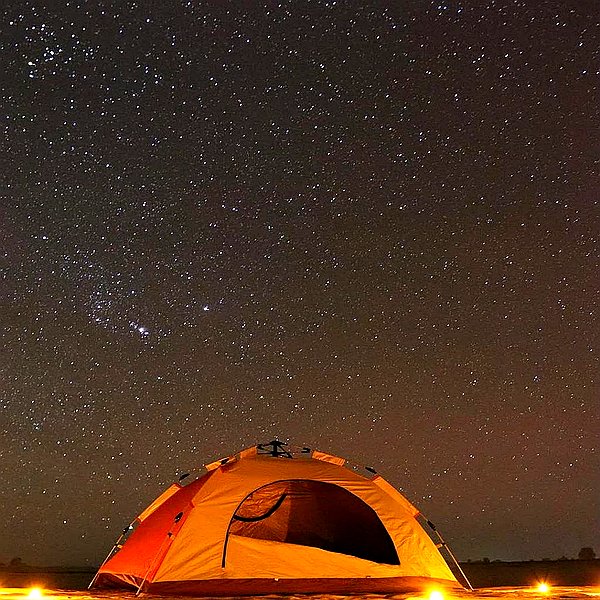
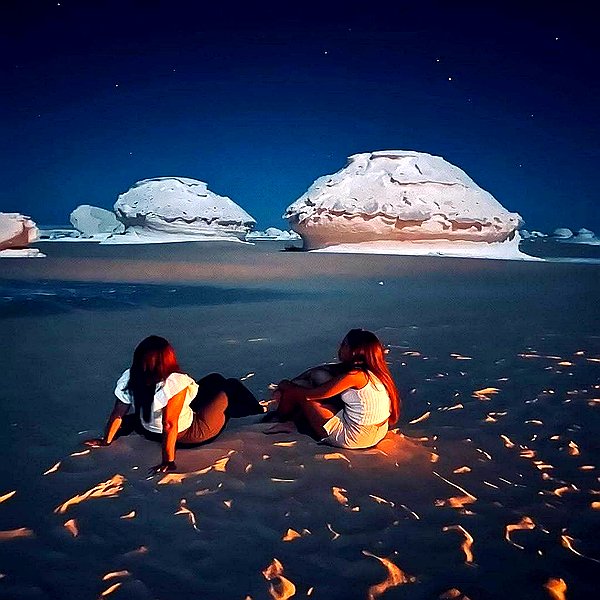
What Is Stargazing Like?

This is one of the main reasons to stay overnight.

Far from city lighting, the sky can appear dramatically darker.

Conditions depend on:

  • Moon phase
  • Clouds
  • Dust
  • Season

A bright moon creates beautiful illuminated landscapes but reduces faint-star visibility.

For dedicated planning, read our White Desert Egypt Stargazing guide.

Do You Need to Be Physically Fit?

Not for a standard 4×4 safari.

Most activities involve:

  • Short walks
  • Getting into/out of vehicle
  • Climbing small viewpoints
  • Walking over sand

You choose whether to participate in optional sandboarding or additional walks.

Trekking expeditions are different.

If you want multi-hour walking, choose a dedicated itinerary such as the 4 Days White Desert Trekking Expedition.

What Happens If You Need Medication?

Bring enough for the entire trip plus a sensible reserve.

Keep important medication with you—not buried under the entire group’s luggage.

Tell the guide about any serious condition relevant to emergencies.

Do not assume a remote camp will have a pharmacy.

It won’t.

Should You Have Travel Insurance?

Travel insurance is sensible for remote travel.

Check whether your policy covers:

  • Egypt
  • Desert excursions
  • 4×4 activities
  • Trekking if applicable
  • Medical treatment
  • Trip disruption

Do not assume every policy defines adventure activities in the same way.

Read the wording.

How Much Cash Should You Bring?

Do not rely entirely on card payments once you leave Cairo.

Depending on your itinerary, cash may be useful for:

  • Tips
  • Drinks
  • Small purchases
  • Local stops

Your tour should explain major inclusions and exclusions before departure.

The desert is a poor place to discover you misunderstood what was included.

How Much Does an Egypt Desert Safari Cost?

There is no useful single price because cost changes according to:

  • Destination
  • Number of days
  • Number of travelers
  • Private vs group
  • Vehicle requirements
  • Hotel category
  • Camping style
  • Entrance fees
  • Route
  • Pickup location

Avoid comparing two tours based only on the headline price.

Compare what each includes.

Your Egypt Desert Safari Packages guide covers the main package types, while White Desert Egypt Cost focuses specifically on the White Desert.

What Should a Good Safari Package Explain Clearly?

Before paying, you should know:

  • Pickup location
  • Drop-off location
  • Trip duration
  • Vehicle type
  • Private or shared status
  • Accommodation
  • Camping equipment
  • Meals
  • Drinking water
  • Entrance fees
  • Permit arrangements
  • Guide
  • Activities
  • Major exclusions

If the operator cannot explain the basics clearly before receiving your money, that is useful information.

Beginner Red Flags When Booking a Safari

Be cautious if:

  • The itinerary is extremely vague.
  • The operator cannot explain the vehicle setup.
  • Nobody can tell you where you sleep.
  • Camping equipment is unclear.
  • Water is not mentioned.
  • Permit or entrance-fee questions are avoided.
  • The proposed driving schedule seems unrealistic.
  • The operator promises access everywhere regardless of restrictions.
  • Communication becomes evasive when you ask safety questions.

Cheap is not automatically bad.

Expensive is not automatically good.

Clarity is what you are looking for.

How to Compare Two Desert Safari Quotes

Do not ask:

“Which one is cheaper?”

Ask:

“Are these actually the same trip?”

Compare:

Item

Tour A

Tour B

Cairo transfers

Included?

Included?

4×4

Private/shared?

Private/shared?

Camping

What setup?

What setup?

Meals

Which meals?

Which meals?

Water

Included?

Included?

Entrance fees

Included?

Included?

Guide

Included?

Included?

Tent

Private/shared?

Private/shared?

Only then compare prices.

Day Trip vs Overnight Safari

For beginners, this is a major decision.

Choose a Day Trip If

  • You dislike camping.
  • You have little time.
  • You want Fayoum.
  • You are testing whether desert travel suits you.

Choose Overnight If

  • You want sunset.
  • You want stars.
  • You want sunrise.
  • You want the full White Desert experience.

For the White Desert, overnight is overwhelmingly the better format.

2-Day vs 3-Day White Desert Safari for Beginners

2 Days

Best if:

  • You have limited time.
  • You want one camping night.
  • You want the classic highlights.

Explore the White Desert Tour From Cairo.

3 Days

Best if:

  • You prefer slower travel.
  • You want more photography time.
  • You want extra Bahariya or desert exploration.
  • You want two camping nights on some itineraries.

Explore the 3 Days White Desert Tour From Cairo.

What If You Only Have One Day From Cairo?

Go to Fayoum.

This is the recommendation many travelers need but do not expect.

Trying to force the White Desert into a rushed same-day itinerary means spending a huge percentage of the day in transit and missing the experiences that justify the journey.

Fayoum is much better suited to a one-day desert adventure.

Read our Cairo to Fayoum Day Trip guide.

What If You Have Three Days?

Now you have excellent options.

You could choose:

  • Slower White Desert trip
  • Two-night White Desert safari
  • Djara Cave safari
  • Short Siwa trip

Your choice depends on what matters most:

rock formations → White Desert

deep remote adventure → Djara

oasis culture + dunes → Siwa

What If You Have Five Days or More?

This is where Egypt’s Western Desert opens up.

Consider:

  • Siwa Oasis
  • White Desert + Siwa
  • Western Desert route
  • Camel safari
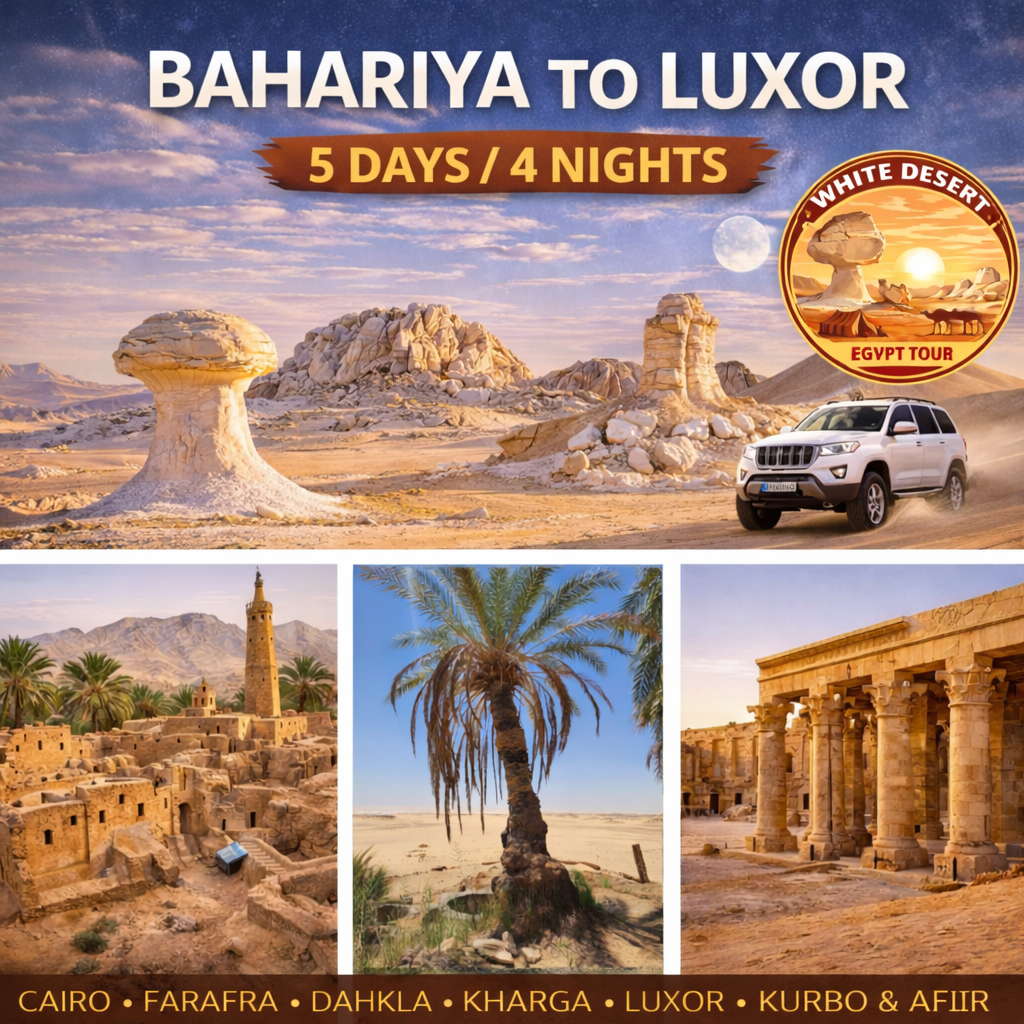
  • Dakhla and Kharga
  • Longer expeditions

Read our Egypt Western Desert Itinerary for bigger journeys.

Is Siwa Better Than the White Desert for Beginners?

Not better.

Different.

Choose White Desert for:

  • Shorter classic safari
  • Chalk formations
  • Camping
  • Geological scenery

Choose Siwa for:

  • Oasis culture
  • Salt lakes
  • Springs
  • Great Sand Sea
  • Hotel/eco-lodge base
  • Longer relaxed stay

If you have enough time, combining both is excellent.

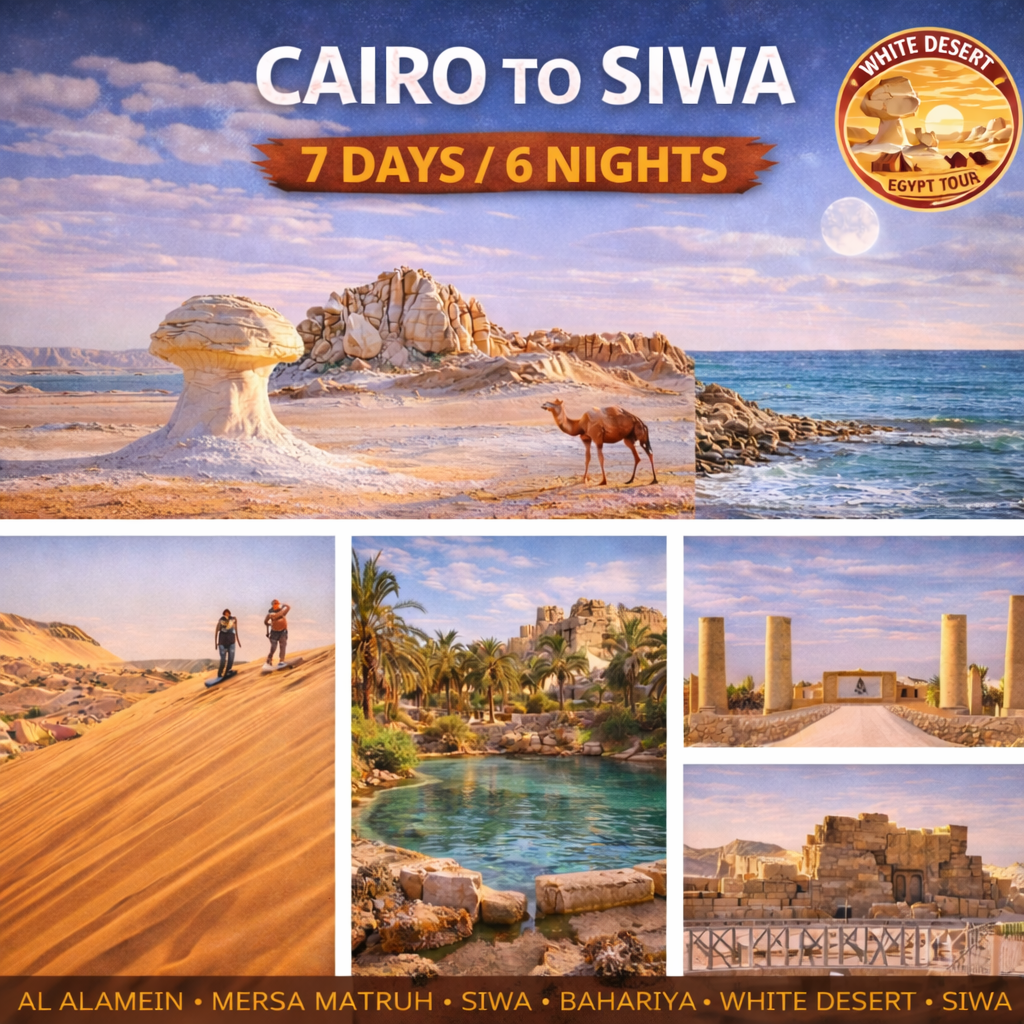
Your 7 Days Siwa & White Desert Tour From Cairo is built around exactly that combination.

Is Fayoum a “Real” Desert Safari?

Absolutely.

A desert experience does not become more authentic simply because you drive farther from Cairo.

Fayoum combines:

  • Dunes
  • Wadi El Rayan
  • Magic Lake
  • Wadi El Hitan
  • Fossils
  • Sandboarding

Experience Egypt itself highlights desert safaris and sandboarding around Magic Lake and Wadi El Rayan.

It is simply a different type of safari.

Should Beginners Visit Djara Cave?

Yes, if you already know you want a more remote route.

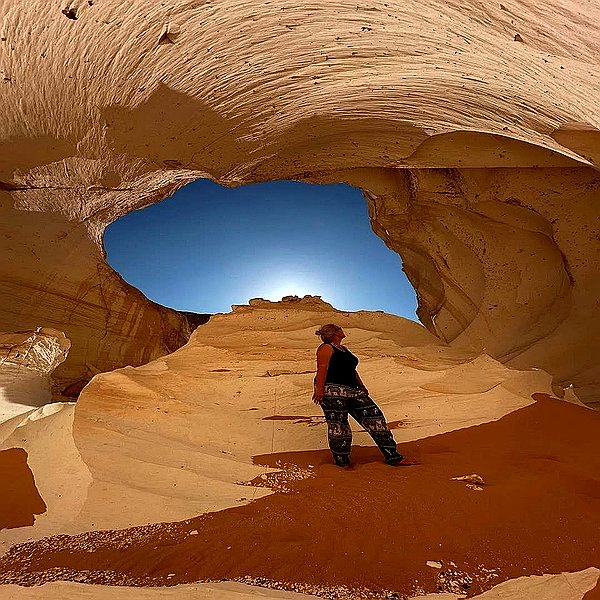
Djara requires more commitment than the standard White Desert highlights.

The reward is:

  • Remote driving
  • Cave formations
  • Archaeology
  • Prehistoric rock art
  • Deeper expedition atmosphere

Explore the White Desert Djara Cave Safari if that sounds more exciting than a standard short safari.

What About a Camel Safari?

A camel safari is slower and much more immersive.

But it is not necessarily the easiest first desert trip.

You need to be comfortable with:

  • Multiple camping nights
  • Slow travel
  • Simpler facilities
  • Long time outdoors

If that sounds amazing rather than alarming, read our 5-Night Camel Safari White Desert Egypt guide.

Beginner Mistake #1: Choosing Too Much Too Soon

Your first desert trip does not need to be an eight-day expedition.

Start with:

  • Fayoum day trip

or

  • White Desert overnight.

Then decide whether you want more.

Some travelers immediately fall in love with the desert.

Others discover that one night without a shower was exactly enough.

Both outcomes are fine.

Beginner Mistake #2: Packing Like You Are Crossing Antarctica

You probably do not need:

  • Giant expedition backpack
  • Survival axe
  • Three pairs of boots
  • Ten liters of personal water
  • Technical climbing equipment

You are joining an organized safari.

Bring practical personal gear.

Let the team handle expedition equipment.

Beginner Mistake #3: Packing Only for Heat

This one happens constantly.

People hear:

Sahara.

They pack:

shorts.

Then night arrives.

Bring warm layers.

Deserts cool quickly.

Beginner Mistake #4: Ignoring the Toilet Question

Ask before departure.

Do not spend the entire drive worrying about it.

Once you know the setup, you can decide whether you are comfortable.

Beginner Mistake #5: Booking the Cheapest Headline Price

A low number can hide exclusions.

Check:

  • Cairo transport
  • 4×4
  • Meals
  • Camping
  • water
  • fees

Compare complete packages.

Beginner Mistake #6: Trying to See Everything

A great desert trip includes empty time.

Not every hour needs:

  • Attraction
  • Activity
  • Selfie
  • New location

Sit down.

Drink tea.

Watch light change.

That is part of desert travel.

Beginner Mistake #7: Spending the Entire Trip Through Your Phone

Take photographs.

Absolutely.

Then put the phone down.

Look at the actual horizon.

One of the main reasons people love the desert is because it removes the normal visual clutter of daily life.

Do not replace that clutter with a screen.

Beginner Mistake #8: Feeding Wildlife

A fox approaching camp is exciting.

Do not give it dinner.

Wildlife should remain wild.

Beginner Mistake #9: Removing Rocks, Fossils or Artifacts

Leave natural and archaeological material where it is.

The Western Desert contains:

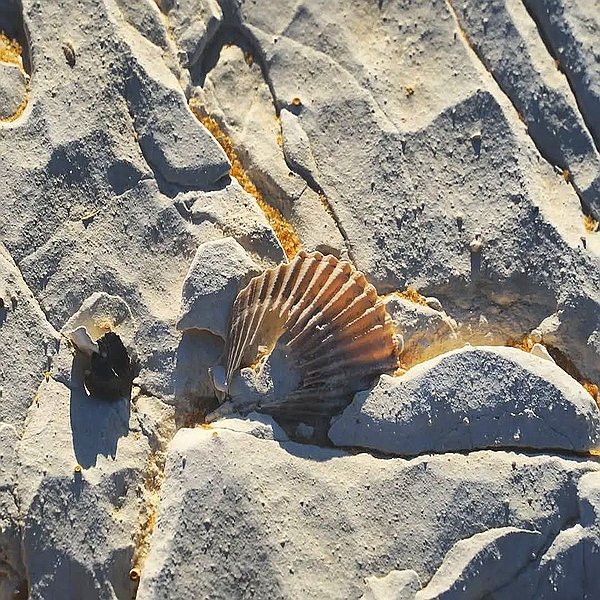
  • Fossils
  • Geological formations
  • Prehistoric archaeology

Removing material damages the landscape and may violate protected-area rules.

Read our White Desert Egypt Fossils and White Desert Egypt Archaeology guides for why context matters.

Beginner Mistake #10: Expecting Luxury Without Booking Luxury

Standard desert camping is not glamping.

If you want:

  • Proper bed
  • Private bathroom
  • Shower
  • Electricity

book that level of accommodation deliberately.

Egypt has glamping options, including in Fayoum and Siwa, according to the official tourism platform.

Never book “camping” and assume it secretly means “boutique hotel with canvas walls.”

The Night Before Your Safari

Do these simple things:

  • Charge phone.
  • Charge power bank.
  • Charge camera.
  • Pack warm layer.
  • Prepare medication.
  • Confirm pickup time.
  • Confirm pickup location.
  • Confirm passport/ID requirements.
  • Eat normally.
  • Sleep.

Do not stay out in Cairo until 3 AM because “the car ride tomorrow is long enough to sleep.”

Desert roads are much more enjoyable when you are awake for them.

The Morning of Your Safari

Wear comfortable clothes.

Eat breakfast unless your itinerary says otherwise.

Keep essential items in your day bag.

Do not place:

  • Medication
  • Passport
  • Phone
  • Water

at the bottom of a suitcase you cannot reach.

Your safari begins before the 4×4.

Organization makes the whole day easier.

What Makes a Good Desert Guide?

A good guide does more than point at rocks.

Look for someone who:

  • Knows the route
  • Understands current access
  • Drives responsibly
  • Communicates clearly
  • Respects protected areas
  • Handles camp logistics
  • Carries adequate supplies
  • Adjusts to guests
  • Does not invent facts

The best guides make complicated logistics feel boring.

That is a compliment.

What Makes a Good First Safari?

Not the longest itinerary.

Not the fastest 4×4.

Not the most expensive camp.

A good beginner safari gives you enough adventure to feel different from normal travel without making you spend the entire journey uncomfortable.

You should finish thinking:

“I want another desert trip.”

Not:

“I survived.”

Best Egypt Desert Safari for Beginners: Our Recommendation

For most first-time visitors starting from Cairo, choose the 2-Day White Desert Tour.

Why?

Because two days gives you:

  • Easy departure from Cairo
  • Bahariya Oasis
  • 4×4 safari
  • Black Desert
  • Crystal Mountain
  • Valley of Agabat
  • White Desert
  • One camping night
  • Dinner
  • Stargazing
  • Sunrise

It is long enough to feel like a genuine adventure but short enough that first-time campers do not need to commit to a multi-day expedition.

Explore the 2-Day White Desert Tour From Cairo.

If one night feels too short, choose the 3 Days White Desert Tour From Cairo.

If camping sounds awful, begin with Fayoum Desert Safari From Cairo instead.

A Simple Beginner Decision Tree

Do you only have one day?

→ Fayoum.

Do you have two days and want the classic experience?

→ White Desert.

Do you want an oasis hotel, salt lakes and dunes?

→ Siwa.

Do you want prehistoric caves and remote exploration?

→ Djara.

Do you want several days crossing the Western Desert?

→ Western Desert expedition.

Do you want to walk rather than drive?

→ White Desert trekking.

Do you want a traditional slow journey?

→ Camel safari.

It genuinely does not need to be more complicated than that.

Before You Book: Final Beginner Checklist

Make sure you know:

  1. Which destination you are visiting.
  2. How many days the trip lasts.
  3. How long the road transfer takes.
  4. Whether the safari is private or shared.
  5. What 4×4 arrangement is used.
  6. Where you sleep.
  7. Whether the tent is private.
  8. What the bathroom setup is.
  9. Whether meals are included.
  10. Whether drinking water is included.
  11. Whether camping equipment is included.
  12. Whether entrance fees are included.
  13. Whether required access arrangements are handled.
  14. What clothing you need for nighttime temperatures.
  15. Whether your dietary requirements are confirmed.
  16. What time you return to Cairo.

Once those questions are answered, most beginner anxiety disappears.

Final Thoughts: Is an Egypt Desert Safari Difficult for a First-Time Traveler?

No.

It is different.

And those are not the same thing.

You will probably spend more time in a vehicle than on a normal city tour.

The road may be bumpy.

Your phone may stop working.

The toilet may be basic.

Sand will enter at least one item of clothing that you believed was physically impossible for sand to enter.

But you do not need desert survival skills.

Egypt already has established safari destinations and local operators who work with these environments regularly. Official tourism guidance recommends experienced licensed guides, suitable 4×4 vehicles and advance planning for access and permits.

For beginners, the key is choosing the right first experience.

Do not start with the hardest expedition simply because it sounds adventurous.

If you want an easy day:

go to Fayoum.

If you want the complete first desert adventure:

spend two days in the White Desert.

If you want comfort, culture and dunes:

go to Siwa.

And once you understand how desert travel works, an entire second version of Egypt opens up.

Farafra.

Dakhla.

Kharga.

Djara.

The Great Sand Sea.

Camel routes.

Trekking expeditions.

Long Western Desert crossings.

Your first safari does not need to show you all of it.

It only needs to show you enough that when the 4×4 returns to Cairo, part of you is already wondering:

Where do we go next?

Start with our White Desert Tour From Cairo, compare destinations in the Egypt Desert Safari Guide, or read the Egypt Desert Camping Guide if the overnight part is still the thing making you nervous.

White Desert Egypt Tour TripAdvisor reviews

star ratingAn Unforgettable Desert Experience (Private Tour) - With my wife, we spent three days and two nights exploring the Egyptian desert with our wonderful guide Mohamed, visiting the White Desert, Black Desert, and Crystal Mountains.

Mohamed... read more

avatar thumb gi0vannimattiab
October 3, 2026

star ratingA Journey into the Heart of the Desert… and a Memory That Will Stay in My Heart for a Long Time. - There are places that you do not simply visit; they leave something of themselves inside you and the White and Black Deserts were one of the most beautiful places... read more

avatar thumb zoey7569
August 13, 2026

star ratingA Two-Day Trip . - We went on a two-day, one-night desert trip with White Desert Egypt Tour, and we were extremely happy with everything the company provided throughout the journey. The itinerary was wonderful,... read more

avatar thumb nadaf2551
August 6, 2026
Egypt Desert Safari Beginners FAQ

Frequently Asked Questions About Egypt Desert Safaris for Beginners

Everything first-time travelers need to know about Egypt desert safaris, including choosing the right destination, 4x4 driving, camping, packing, safety, food, weather, families, solo travel and the best safari from Cairo.

Yes. An organized desert safari is suitable for first-time travelers as long as you choose an itinerary that matches your comfort level and travel with an experienced local guide and suitable vehicle.

No. You do not need previous camping, hiking, off-road driving, or desert travel experience for a standard organized safari.

For most travelers starting from Cairo, a 2-day White Desert safari is one of the best introductions because it combines 4x4 driving, major attractions, camping, sunset, stars, and sunrise in a short itinerary.

Fayoum is generally one of the easiest options because it can be visited as a day trip or short weekend escape without requiring overnight camping.

Choose Fayoum if you want a shorter and easier trip. Choose the White Desert if you want the classic overnight safari and camping experience.

Choose the White Desert for a shorter 4x4 safari and camping experience. Choose Siwa for a slower multi-day trip combining oasis culture, salt lakes, springs, and Great Sand Sea dunes.

Yes. The White Desert is one of the easiest ways to experience a genuine Western Desert safari without committing to a long expedition.

Two or three days is ideal for most first-time travelers. One day works well for Fayoum, while longer trips are better once you know you enjoy desert travel.

Yes for destinations such as Fayoum. For the White Desert, an overnight trip is usually much more rewarding.

It is possible, but it involves a lot of driving and misses sunset, camping, stargazing, and sunrise.

Read our White Desert Day Trip From Cairo guide before deciding.

Yes. A 2-day/1-night itinerary gives most first-time visitors the essential White Desert experience.

Yes if you prefer slower travel, additional photography time, more remote desert areas, or two camping nights.

A typical safari may include road transfers, 4x4 driving, sightseeing stops, short walks, meals, sandboarding, sunset, camping, stargazing, and sunrise.

It means using a four-wheel-drive vehicle designed for off-road terrain such as sand, gravel, rocky tracks, and remote desert routes.

No. Dune bashing is only one possible activity. A desert safari can also include sightseeing, geological attractions, camping, hiking, springs, and photography.

No. Tell your driver if you prefer gentle off-road driving.

Usually not, although the vehicle may bounce, tilt, or climb sandy slopes. An experienced driver can adjust the pace if you feel uncomfortable.

Tell the guide, sit where you can see the horizon, eat lightly, take breaks, and bring any motion-sickness medication you normally use.

Normally no. On an organized safari, the local desert driver handles off-road driving.

Deep sand requires experience with traction, momentum, tire pressure, route selection, recovery, and terrain.

That is not recommended for first-time travelers. Remote desert routes can involve soft sand, navigation problems, weak phone signal, restricted areas, and long distances from assistance.

Experienced drivers use appropriate recovery methods such as digging, adjusting tire pressure, towing, or using another vehicle when necessary.

No. Some trips use hotels, eco-lodges, fixed camps, or glamping instead.

Yes, if you are comfortable with basic facilities. One night is usually enough to experience the full desert atmosphere without making a major commitment.

Expect a tent, mattress, blankets or sleeping gear, meals, basic bathroom arrangements, limited electricity, little or no phone signal, stars, and sunrise.

Read our Egypt Desert Camping Guide for full details.

Usually not on an organized safari where camping equipment is included.

Usually not, but confirm exactly what your operator provides.

They can be. Always ask whether your booking includes a private or shared tent.

It depends on the camp. Remote camps may use portable toilets, privacy tents, or designated private areas instead of permanent bathrooms.

Not usually at a temporary wilderness camp. Fixed camps and glamping properties may offer showers.

Choose a fixed desert camp, hotel, eco-lodge, or glamping experience instead of remote camping.

Not necessarily. Bring a fully charged phone, power bank, and spare camera batteries.

Usually not at remote camps.

Signal may work near towns and roads but can weaken or disappear in remote desert areas.

You can, but your guide should handle navigation. Offline maps are useful for orientation rather than replacing local desert knowledge.

Save booking information, important documents, music, reading material, offline maps, and anything else you may want while offline.

On organized tours, it normally should be. Confirm this before departure.

Carry an accessible personal bottle during the day, while the operator handles the larger group water supply.

Do not assume natural spring water is safe for drinking unless your local guide confirms it.

Meals may include rice, chicken, meat, vegetables, bread, salad, pasta, eggs, cheese, fruit, tea, and coffee.

Yes. Vegetarian meals are usually easy to arrange with advance notice.

Yes, but inform the operator before departure so appropriate food can be prepared.

Tell the operator clearly in advance and bring any emergency medication you require.

Do not assume it is available or included. Ask your operator beforehand if this matters to you.

Conditions vary by season and destination. Temperatures can become very hot, particularly in summer.

Nighttime can be surprisingly cool, especially during winter and in exposed desert areas.

Yes. A warm layer is recommended for overnight safaris, particularly during the cooler months.

Wear lightweight, breathable clothing, comfortable shoes, sunglasses, a hat, and sun protection.

Bring long trousers, a warm top, socks, and a jacket or fleece during cooler periods.

You can in some situations, but lightweight trousers often provide better protection from sun, wind, sand, and cold evenings.

Comfortable trainers or lightweight walking shoes are suitable for most standard safaris.

Not unless your itinerary includes significant trekking.

They can be useful around easy areas but should not be your only footwear.

Bring lightweight clothes, a warm layer, closed shoes, hat, sunglasses, sunscreen, scarf, toiletries, wet wipes, headlamp, power bank, medication, and a small overnight bag.

A scarf or buff protects your face and neck from sun, wind, dust, and blowing sand.

Yes. Desert sun exposure can still be strong even when temperatures feel comfortable.

Yes. A headlamp is especially useful around camp after dark.

Yes. It is one of the most useful items for an overnight desert safari.

Take a small overnight bag or soft travel bag rather than a large suitcase whenever possible.

Sometimes, but it is usually more practical to leave unnecessary luggage in Cairo or at an agreed location.

Probably. Keep electronics and important items inside zipped bags when not in use.

The cooler months are generally the easiest for first-time Western Desert travelers because walking, camping, and sightseeing are more comfortable.

Yes in some regions, but high daytime temperatures can make the experience much harder.

No, but nighttime temperatures can feel cold, so proper layers and bedding matter.

It can be when arranged with an experienced local team using suitable vehicles, current route information, adequate supplies, and the required access arrangements.

Important considerations include heat, dehydration, vehicle problems, route planning, weather, communication, and access restrictions.

Snakes exist in Egyptian desert ecosystems, but most tourists do not encounter them.

Yes, although simple precautions such as wearing shoes at night and using a flashlight reduce the chance of problems.

No. Foxes normally avoid people, although some may approach camps looking for food.

No. Feeding wildlife changes natural behavior and can create problems around camps.

No. Logistics, weather, hydration, and transport are generally more important safety considerations.

Yes, depending on age, itinerary, driving time, toilet setup, and the child's tolerance for basic facilities.

Yes. The changing landscapes, sand, camping, stars, and rock formations can make it very enjoyable for adventurous families.

Read our White Desert Tour for Families.

Yes. Mobility, back comfort, toilet needs, and tolerance for bumpy driving matter more than age.

It can be because the pace, stops, and itinerary can be adjusted more easily.

Yes. Solo travelers can book private trips or join shared departures where available.

Not necessarily. Ask whether single-tent accommodation is available.

It can be good if you want a social atmosphere and lower cost.

It can be better if you want flexibility, slower driving, more privacy, or extra reassurance.

Private safaris offer more control over timing and pace, while shared safaris usually reduce cost and provide a more social experience.

Read our Private Desert Safari Egypt guide.

Yes. Sunset, camping, stars, private tents, and sunrise make it a popular experience for couples.

It can be, especially with a private tour and private camping setup.

Yes. Desert landscapes offer excellent sunrise, sunset, night-sky, dune, and geological photography.

Yes. Modern phones can take excellent desert photographs.

Potentially, depending on moon phase, weather, dust, and season.

Yes for illuminated landscapes, although it reduces visibility of faint stars.

Do not assume drone use is permitted. Egyptian drone rules and protected-area restrictions must be checked in advance.

Yes. Sandboarding can be adapted for complete beginners.

It can cause falls, so start on smaller slopes and follow your guide.

Fayoum and Siwa are among the best-known destinations, and some Western Desert itineraries also include suitable dunes.

Sometimes. Siwa trips may include salt lakes and springs, while other desert routes may include specific water stops.

Salt lakes are extremely buoyant, but always follow local guidance and avoid treating them casually.

The sky is naturally part of the experience, but dedicated astronomy guidance is not always included.

Yes. Its remote location and limited artificial lighting make it excellent for night-sky viewing under suitable conditions.

Read our White Desert Egypt Stargazing.

Not for a standard 4x4 safari. Most travelers only need to manage short walks and getting in and out of the vehicle.

Yes. Trekking involves substantially more walking and requires better fitness.

Explore the 4 Days White Desert Trekking Expedition if you want a walking-focused experience.

Yes. Bring enough for the entire trip and keep essential medication easily accessible.

Yes if the condition could affect emergency planning, food, mobility, or activities.

Travel insurance is sensible for remote travel. Check that the policy covers your destination and planned activities.

Do not rely on card payments once you leave major cities. Carry some Egyptian cash for small purchases and tips.

Prices vary according to destination, duration, number of travelers, private or shared vehicle, accommodation, camping style, and included fees.

Two tours with the same number of days can include very different vehicles, meals, hotels, camping arrangements, fees, and service levels.

Compare transfers, 4x4 arrangement, tent setup, accommodation, meals, water, entrance fees, permits, activities, and whether the trip is private or shared.

A good package should clearly explain transport, itinerary, meals, drinking water, accommodation, camping equipment, guide, fees, and exclusions.

Be cautious if the itinerary is vague, the camping setup is unclear, the operator avoids safety questions, or nobody can explain vehicle and access arrangements.

Yes. Never assume protected-area fees are included in the headline price.

Yes. Ask whether all required current access and camping arrangements are handled.

No. Protected areas may have designated zones and restrictions on camping and vehicle access.

No. Leave natural geological and archaeological material where you find it.

You should not. Removing fossils damages the scientific and natural context of the protected landscape.

Read our White Desert Egypt Fossils guide.

No. Archaeological artifacts should remain exactly where they are found.

Read our White Desert Egypt Archaeology guide.

No. Native desert vegetation should not be collected for fuel.

Choose Fayoum rather than trying to rush the White Desert.

Choose the White Desert for the classic first safari and overnight camp.

Choose a slower White Desert safari, Djara Cave expedition, or short Siwa itinerary depending on your interests.

Consider Siwa Oasis, a longer White Desert trip, or a wider Western Desert itinerary.

You can combine Siwa and the White Desert or plan a deeper Western Desert journey.

Explore the 7 Days Siwa & White Desert Tour From Cairo.

Yes for adventurous first-time travelers, but it is more remote than the standard White Desert route and better suited to a multi-day itinerary.

Explore the White Desert Djara Cave Safari.

It can be, but multi-night camel safaris require more comfort with camping and slow desert travel than a normal 4x4 safari.

Choosing an itinerary that is too long, too basic, or too intense for your personal comfort level.

Packing only for hot weather and forgetting that desert nights can become cool or cold.

Absolutely. Knowing the bathroom arrangement removes one of the biggest sources of first-time anxiety.

Not automatically. Compare complete inclusions, logistics, and operator clarity rather than only the headline price.

It can be if basic toilets, mattresses, or lack of showers would prevent you from enjoying the experience.

Choose private if flexibility and comfort matter most. Choose shared if budget and social atmosphere matter more.

For remote Western Desert travel, an experienced local guide and driver are highly recommended.

Local route knowledge, responsible driving, clear communication, proper supplies, respect for protected areas, and good camp organization.

Charge your devices, pack your warm layer, prepare medication, confirm pickup details, and get a good night's sleep.

Wear comfortable clothes, eat normally, keep important items accessible, and bring only the luggage you actually need.

A standard safari can involve long driving days, but it is not usually physically exhausting. Multi-day trekking and camel expeditions are more demanding.

Not if you enjoy landscapes, photography, geology, silence, and open space. The journey itself is part of the experience.

For many travelers, it is realizing how dramatically different Egypt feels once you leave the cities and Nile Valley behind.

Yes if your itinerary allows enough time. It adds a completely different landscape and travel experience to the pyramids, temples, and cities.

For most travelers who have two days available, the White Desert Tour From Cairo offers the strongest combination of accessibility, adventure, camping, scenery, and major desert attractions.

Use this rule:

One day: Fayoum.
Two days: White Desert.
Oasis + dunes: Siwa.
Remote archaeology: Djara.
Walking: White Desert trekking.
Long adventure: Western Desert expedition.

You do not need survival skills. You need the right itinerary, an experienced local team, sensible clothing, enough water, and realistic expectations about remote travel.

Leave a Comment

Your email address will not be published. Required fields are marked *