Cleopatra’s Spring Siwa Oasis: Swimming, History & Complete Travel Guide

Cleopatra’s Spring Siwa Oasis: Swimming, History & Complete Travel Guide

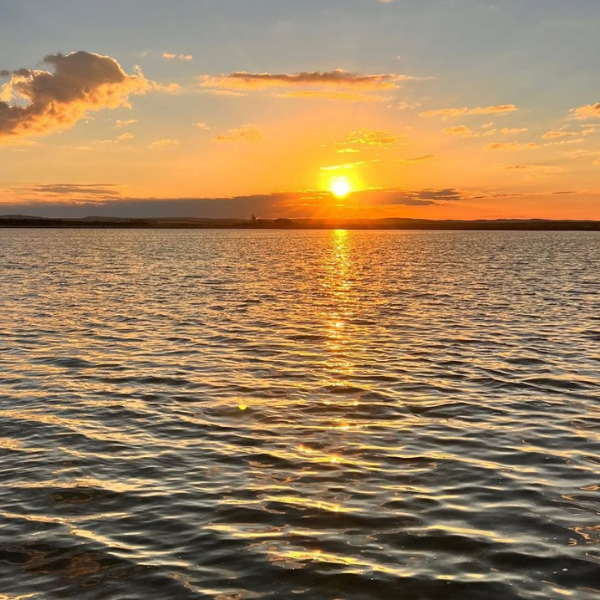
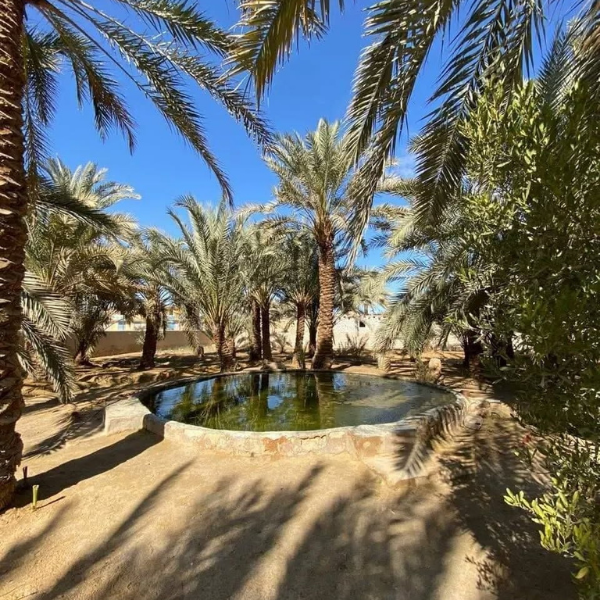
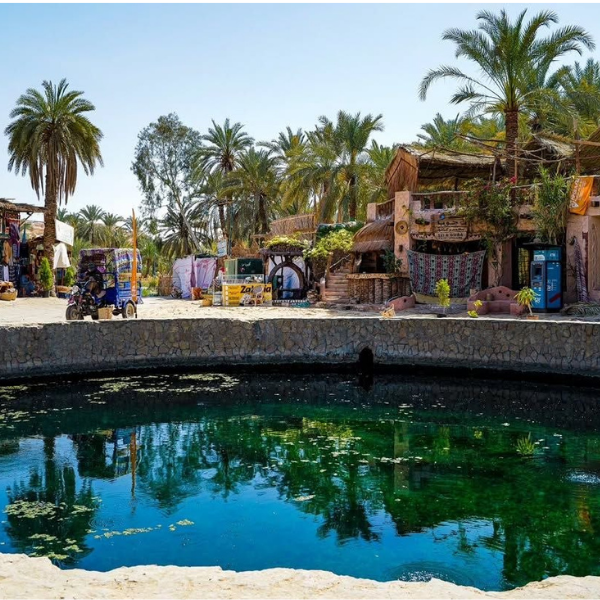
Cleopatra’s Spring in Siwa Oasis is one of those places where landscape, local life, history, and legend all meet around something surprisingly simple: a circular pool of natural spring water surrounded by palm trees.

Also widely known as Cleopatra’s Bath or Cleopatra’s Pool, the spring has become one of Siwa’s most recognizable attractions and a popular stop for travelers exploring the oasis.

Unlike Siwa’s intensely blue salt lakes, Cleopatra’s Spring is a natural freshwater spring. Visitors come to see the palm-filled setting, relax around the pool, enjoy nearby cafés and refreshments, and—when local conditions allow—take a swim.

Its famous name also adds an irresistible historical mystery.

Did Cleopatra VII really bathe here?

The most accurate answer is that there is no solid historical evidence proving she did. Egypt’s official tourism portal describes the story as a rumor rather than confirmed history. The spring is nevertheless an important part of the Siwa travel experience and has long been associated with oasis life and natural water sources.

And honestly, the place does not need the legend to be worth visiting.

Its location among palm groves, its connection to other historic Siwa landmarks, and the opportunity to combine it with Shali Fortress, the Temple of the Oracle, salt lakes, and a desert safari make Cleopatra’s Spring one of the easiest attractions to include in almost any Siwa itinerary.

If you are planning your first trip, start with our Siwa Oasis Egypt Guide and then use this article to decide exactly how Cleopatra’s Spring fits into your schedule.

Quick Guide to Cleopatra’s Spring in Siwa

Here are the main things to know before visiting:

What is it?
A natural spring flowing into a large circular stone pool.

Where is it?
In the Siwa Oasis area, within easy reach of several major Siwa attractions.

Other names:
Cleopatra’s Bath, Cleopatra’s Pool, and names related to Ain Juba are also used.

Can you swim?
Swimming is commonly associated with the spring, but visitors should always follow current local conditions and customs.

How long do you need?
Around 30–60 minutes works for many travelers, although you may stay longer if you swim or relax at a nearby café.

Best combined with:
Temple of the Oracle, Shali Fortress, Cleopatra-area sightseeing, salt lakes, or a full Siwa day tour.

Did Cleopatra really bathe here?
The story is a legend rather than established historical fact. Egypt’s official tourism portal explicitly describes the queen’s connection as rumored.

What Is Cleopatra’s Spring?

Cleopatra’s Spring is a naturally fed pool within Siwa Oasis.

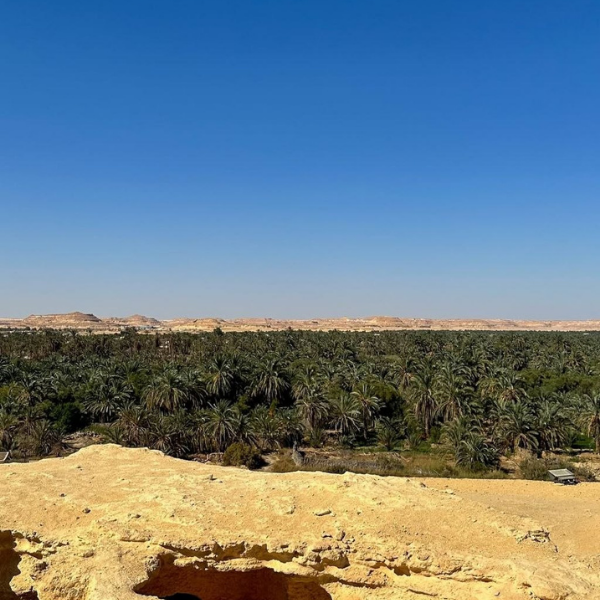
The pool is circular and lined with stone, while the surrounding landscape includes palms and the distinctive vegetation that makes Siwa feel so different from the open Western Desert around it.

Visitors expecting something like a modern resort pool may initially be surprised.

This is not a polished luxury spa.

It is a living oasis attraction.

Around the spring, you may encounter:

  • Local visitors
  • International travelers
  • Small cafés
  • Juice stands
  • Palm groves
  • Simple seating areas
  • Local activity

That atmosphere is part of its appeal.

Cleopatra’s Spring feels connected to everyday Siwa rather than separated from the oasis behind hotel gates.

Egypt’s State Information Service also lists Cleopatra’s Bath among Siwa’s important springs and wells, reinforcing its long-established place within the oasis landscape.

Why Is It Called Cleopatra’s Spring?

This is where travel legend enters the story.

The spring is named after Cleopatra VII, Egypt’s famous Ptolemaic queen.

A popular story claims that Cleopatra bathed in the spring during a visit to Siwa.

It is a wonderful story.

It is also not historically proven.

Egypt’s official tourism website takes the sensible approach and describes Cleopatra as being rumored to have bathed there.

That wording matters.

Travel articles sometimes turn local legends into historical facts because they sound more exciting.

But a stronger travel guide separates the two.

What Do We Actually Know?

Siwa has a long ancient history.

The oasis was famous in antiquity, especially because of the Oracle of Amun.

Its most famous historically documented royal visitor was Alexander the Great, who traveled to the Oracle during his Egyptian campaign.

Cleopatra lived centuries later.

There is no reliable surviving evidence showing that she personally visited this particular spring.

So the best way to understand the attraction is:

The spring is real.
Its importance within Siwa is real.
The Cleopatra connection is legendary rather than proven.

And that makes the story more interesting—not less.

Cleopatra’s Spring vs the Temple of the Oracle

Travelers sometimes mentally connect every ancient attraction in Siwa because the oasis has so many stories associated with famous historical figures.

But Cleopatra’s Spring and the Temple of the Oracle are very different attractions.

The Temple of the Oracle is an archaeological site associated with the ancient cult of Amun and Alexander the Great’s famous journey to Siwa.

Cleopatra’s Spring is a natural water source surrounded by the living oasis landscape.

They work extremely well together because one provides history and archaeology while the other provides relaxation and nature.

Read our complete Temple of the Oracle Siwa Guide before visiting both.

A strong half-day itinerary can include:

Temple of the Oracle → nearby archaeological areas → Cleopatra’s Spring → lunch or refreshments → Shali Fortress

This gives you several completely different experiences without spending the entire day inside a vehicle.

Can You Swim in Cleopatra’s Spring?

Swimming has long been one of the main reasons visitors stop at Cleopatra’s Spring.

Egypt’s official tourism portal specifically suggests taking a dip in the spring.

However, travelers should use common sense.

Conditions at natural attractions can change.

Before entering the water:

  • Check current local advice.
  • Observe whether people are swimming.
  • Follow guidance from your local guide.
  • Enter carefully because natural pools may not have the same safety infrastructure as hotel swimming pools.
  • Do not expect a lifeguard.
  • Respect local customs.

This is especially important because Cleopatra’s Spring is not simply a tourist installation.

It is part of a local community and cultural environment.

What Should You Wear at Cleopatra’s Spring?

Siwa is culturally distinctive and generally more conservative than many beach destinations.

That does not mean visitors need to feel anxious about what they wear.

It simply means respectful choices are appreciated.

If you plan to swim, bring:

  • Suitable swimwear
  • A cover-up
  • Towel
  • Comfortable clothes to change into
  • Sandals or easy footwear

When walking around surrounding areas, dress in a way that respects the local setting rather than treating Siwa like a Red Sea resort.

A lightweight shirt or cover-up makes this easy.

For your complete trip packing list, read What to Pack for Siwa Oasis Egypt.

Is Cleopatra’s Spring a Hot Spring?

Travel descriptions often use terms such as “hot spring,” “warm spring,” and “natural spring” interchangeably.

That can create confusion.

The best way to think about Cleopatra’s Spring is as a natural spring-fed pool, rather than expecting the very hot experience you might associate with a geothermal spa.

Siwa contains several types of natural water sources, and different springs can feel very different.

For example, Bir Wahed in the Great Sand Sea is associated with a hot spring experience and is normally visited during a desert safari rather than during central oasis sightseeing. Egypt’s official tourism portal specifically distinguishes Bir Wahed as a hot bubbling sulfuric spring in the desert.

So:

Cleopatra’s Spring → oasis sightseeing and refreshing swim

Bir Wahed → desert safari and hot-spring experience

They are not interchangeable.

Cleopatra’s Spring vs Siwa Salt Lakes

This is another common source of confusion.

Both involve swimming in water around Siwa, but the experiences are completely different.

Cleopatra’s Spring

The water comes from a natural spring.

The atmosphere feels like a traditional oasis gathering place surrounded by palm vegetation.

Swimming feels much more like entering a normal natural pool.

Siwa Salt Lakes

The salt lakes are famous for their extremely saline water and intense blue colors.

Because of the high salt concentration, swimmers can float very easily.

They are also surrounded by a landscape created through Siwa’s salt-rich environment.

If you only have time for one, the salt lakes provide the more unusual visual experience.

But ideally, do both.

Read our Siwa Salt Lakes Guide for detailed planning.

A good Siwa itinerary gives these attractions separate time rather than pretending they are essentially the same experience.

How to Get to Cleopatra’s Spring

Cleopatra’s Spring is much easier to reach than remote Great Sand Sea attractions.

Visitors normally travel from central Siwa using local transportation or as part of a guided sightseeing route.

Depending on your trip style, transportation may involve:

  • Private car
  • Local vehicle
  • Tuk-tuk
  • Bicycle on suitable routes
  • Organized tour transport

The easiest option for first-time visitors is simply including the spring in a larger private Siwa sightseeing day.

That removes the need to organize individual transfers between each attraction.

If you are still planning the long journey into the oasis itself, read our Cairo to Siwa Oasis Guide and How to Get to Siwa Oasis From Cairo.

How Long Should You Spend at Cleopatra’s Spring?

For most travelers, Cleopatra’s Spring does not need half a day.

Allow roughly 30–60 minutes if you want to:

  • See the spring
  • Take photos
  • Relax briefly
  • Have a drink
  • Swim

Stay longer if the atmosphere appeals to you.

Siwa rewards slow travel, and not every stop needs to be rushed because another attraction is waiting.

But if you are trying to build an efficient sightseeing day, the spring works best as one element of a wider route.

Best Time of Day to Visit Cleopatra’s Spring

There is no universally perfect time.

Your choice depends on your priorities.

Morning

Morning can be excellent if you want:

  • Cooler temperatures
  • Softer light
  • A relaxed beginning to the day
  • Better conditions for continuing to archaeological attractions

Midday

A swimming stop can feel refreshing after morning sightseeing.

The downside is stronger sunlight.

Late Afternoon

Late afternoon provides softer light and can fit naturally before heading toward a sunset location.

However, if sunset at Fatnas Island is part of your itinerary, do not stay too long.

Best Time of Year to Visit

The most comfortable period for exploring Siwa is generally during the cooler months.

Official Egyptian tourism material describes Siwa as having strong seasonal variation, with hot summers and much cooler winters, while spring and autumn can be particularly pleasant.

For most sightseeing travelers, cooler months make it easier to combine:

  • Cleopatra’s Spring
  • Archaeological sites
  • Salt lakes
  • Shali
  • Great Sand Sea safari

without excessive heat.

Read our complete Best Time to Visit Siwa Oasis Egypt guide before selecting your dates.

What to Expect When You Arrive

One of the best ways to enjoy Cleopatra’s Spring is to arrive with realistic expectations.

Do not imagine a silent hidden pool untouched by other people.

It is one of Siwa’s best-known attractions.

You may find:

  • Visitors swimming
  • Travelers taking photographs
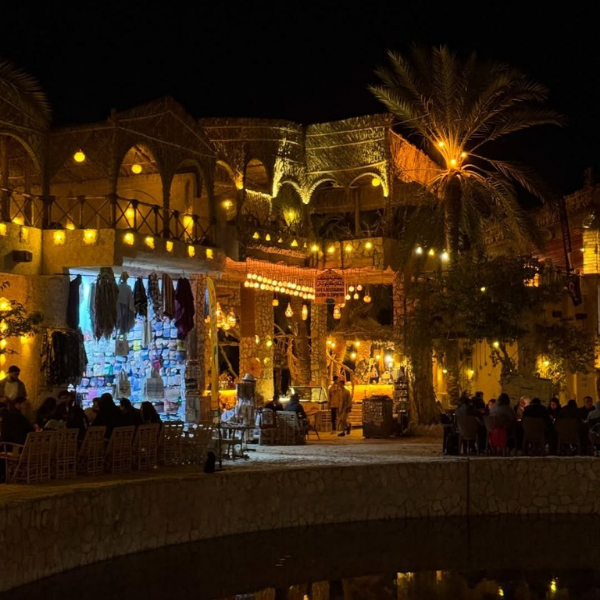
  • Local cafés
  • Juice stands
  • Vehicles stopping nearby
  • Palm trees
  • Simple facilities

That does not make it less authentic.

In fact, its connection with everyday oasis life is one of its strengths.

The spring is not preserved inside an archaeological museum.

It remains part of the living landscape.

Cafés and Drinks Around Cleopatra’s Spring

Small cafés and refreshments around the spring make it easy to turn the stop into a short break during sightseeing.

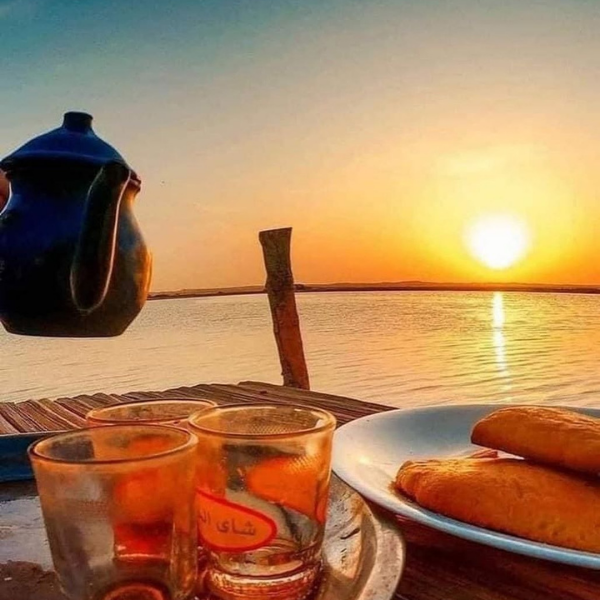
Fresh juices and tea are especially welcome after walking around archaeological sites in warm weather.

This is also useful for itineraries involving families.

Instead of moving nonstop from landmark to landmark, Cleopatra’s Spring provides somewhere to pause.

Sit down.

Drink something.

Watch the palms.

Let Siwa operate at Siwa speed for a while.

That rhythm is one of the destination’s charms.

Cleopatra’s Spring for Couples

The spring is easy to include in a romantic Siwa itinerary because it works well between more active experiences.

A couple-focused day might look like:

Temple of the Oracle → Cleopatra’s Spring → lunch → Siwa Salt Lakes → Fatnas sunset

That creates:

  • History
  • Swimming
  • Relaxation
  • Unusual scenery
  • Sunset

without an exhausting schedule.

For more ideas, read our Siwa Oasis for Couples guide.

Couples seeking privacy and a more premium trip may also prefer a Luxury Siwa Oasis Tour From Cairo.

Cleopatra’s Spring for Families

Families can enjoy Cleopatra’s Spring because it breaks up cultural sightseeing with something more relaxed.

Children may be less enthusiastic about several consecutive archaeological stops.

Adding a spring creates variety.

A family day might combine:

  • Temple of the Oracle
  • Cleopatra’s Spring
  • Lunch
  • Salt lakes
  • Easy sunset experience

Parents should supervise children carefully around any natural pool and should never assume lifeguard facilities are available.

If you are planning the whole trip with children, see our Siwa Oasis Tour for Families.

Cleopatra’s Spring for Solo Travelers

Solo travelers can visit the spring easily within a local sightseeing day.

Staying centrally also makes local excursions simpler.

Our guide to Where to Stay in Siwa Oasis explains why central accommodation often makes sense for first-time and solo visitors.

If you are traveling alone and want to meet other travelers, cafés and popular attractions around Siwa generally provide more social opportunities than a secluded desert lodge.

Can You Visit Cleopatra’s Spring Without a Tour?

Yes, it can be visited independently.

But whether you should organize the entire day independently depends on your travel style.

If you only want Cleopatra’s Spring and nearby central attractions, organizing local transportation can be straightforward.

A tour becomes more useful when you want to combine multiple places efficiently.

For example:

  • Salt lakes
  • Oracle Temple
  • Cleopatra’s Spring
  • Shali
  • Great Sand Sea
  • Fatnas Island

spread across different parts of the oasis.

A private tour avoids negotiating separate transport at every stop.

Best Attractions Near Cleopatra’s Spring

One reason Cleopatra’s Spring deserves a place in your itinerary is how easily it combines with other major attractions.

1. Temple of the Oracle

This should be high on your list if Siwa’s history interests you.

The Temple of Amun at Aghurmi was one of the ancient Mediterranean world’s most famous oracle sites.

Alexander the Great famously traveled there after entering Egypt.

For detailed history and visitor planning, read Temple of the Oracle Siwa.

2. Shali Fortress

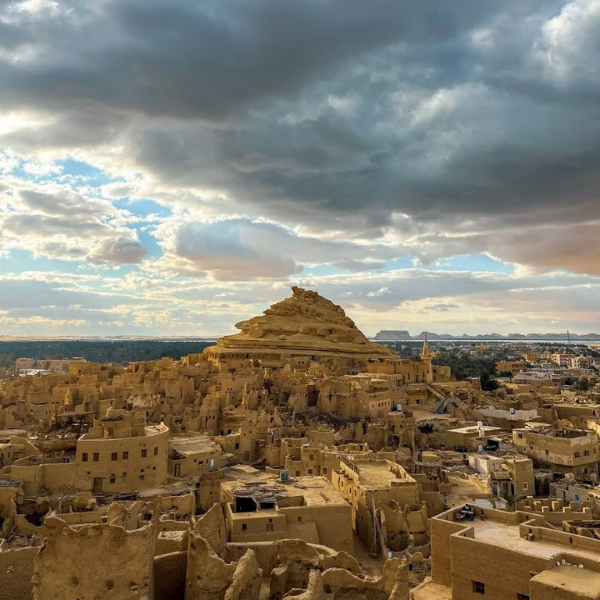
The old mud-built settlement remains Siwa’s most recognizable architectural landmark.

Walking through Shali helps travelers understand the oasis before heading into its surrounding natural attractions.

Read our Shali Fortress Siwa Guide.

3. Siwa Salt Lakes

Few Siwa images are more striking than the intensely blue water of the salt lakes.

Their extreme salinity creates an easy floating experience dramatically different from Cleopatra’s Spring.

Read Siwa Oasis Salt Lakes before visiting.

4. Fatnas Island

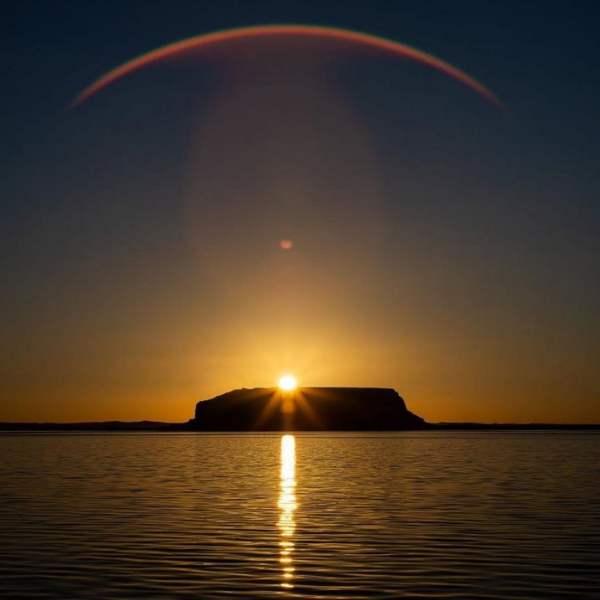
Fatnas is one of Siwa’s classic sunset locations.

It works naturally at the end of a sightseeing day.

Instead of heading back to your hotel immediately after Cleopatra’s Spring, continue exploring and finish with sunset across the oasis landscape.

5. Great Sand Sea

The Great Sand Sea is a completely different side of Siwa.

Once you leave the cultivated oasis behind, towering dunes dominate the landscape.

Adventure activities can include:

  • 4×4 safari
  • Sandboarding
  • Sunset
  • Desert meals
  • Hot-spring stops

Read our Great Sand Sea Egypt Guide and Siwa Oasis Desert Safari guide before booking.

Best Half-Day Itinerary Including Cleopatra’s Spring

If you only have half a day, keep things geographically simple.

A possible route:

Morning

Visit the Temple of the Oracle.

Spend enough time to understand the site rather than treating it as a photo stop.

Late Morning

Continue to Cleopatra’s Spring.

Swim or relax with a drink.

Midday

Return toward central Siwa for lunch.

Early Afternoon

Explore Shali Fortress.

This gives you a balanced introduction to the oasis without excessive driving.

Best Full-Day Siwa Itinerary With Cleopatra’s Spring

If you have an entire day, you can create a much richer route.

Morning

Temple of the Oracle.

Late Morning

Cleopatra’s Spring.

Lunch

Relax in Siwa town.

Afternoon

Visit the salt lakes.

Late Afternoon

Explore another natural attraction or return to your accommodation briefly.

Sunset

Finish at Fatnas Island.

This is a strong itinerary because every stop is different.

History → water → food → salt landscape → sunset.

For larger planning, compare it with our complete Siwa Oasis Itinerary.

Should Cleopatra’s Spring Be Included on a 3-Day Siwa Trip?

Yes.

Three days is enough to include the spring comfortably as long as your itinerary is organized.

A typical structure might be:

Day 1

Arrival + Shali + sunset.

Day 2

Oracle Temple + Cleopatra’s Spring + salt lakes.

Day 3

Great Sand Sea safari or remaining sightseeing before departure.

Our 3 Days Siwa Oasis Tour From Cairo Guide explains what can realistically fit into a short trip.

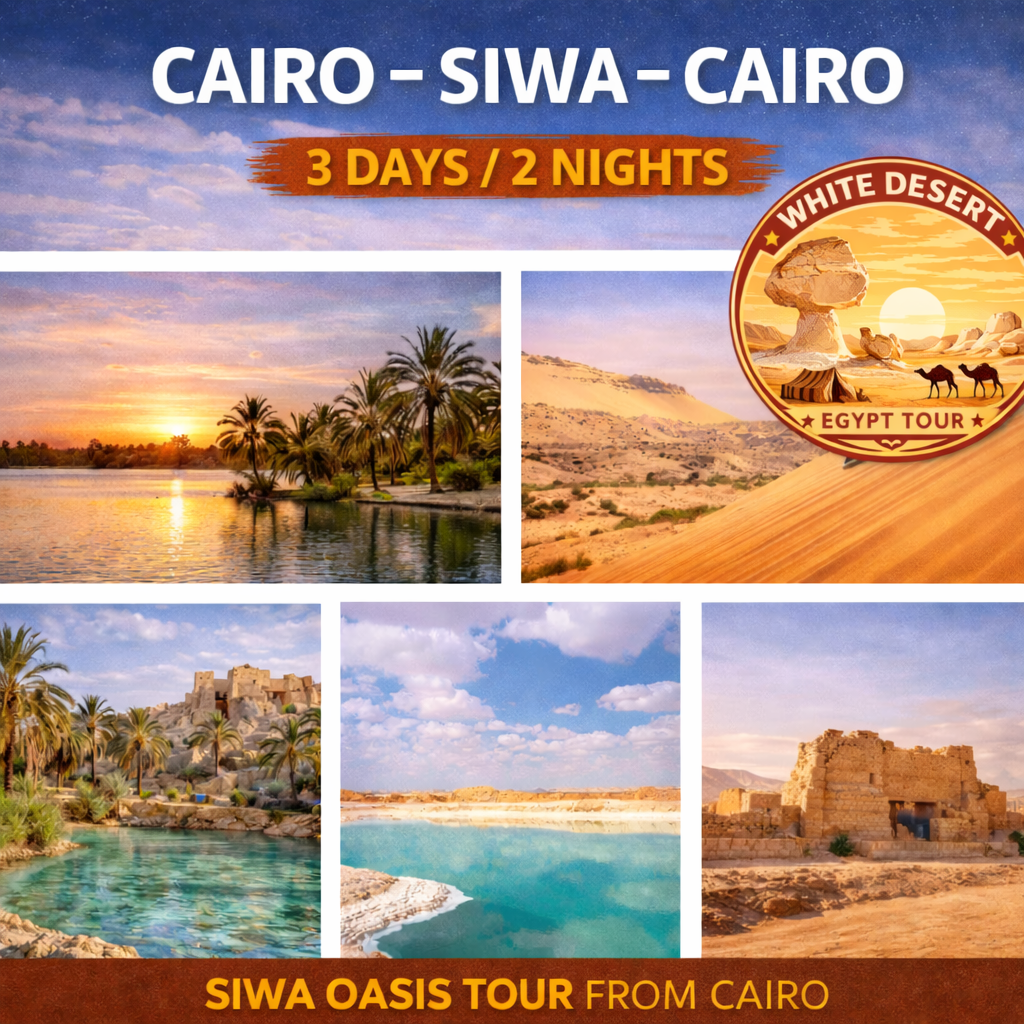
Travelers who want an organized itinerary can also see the 3 Days Siwa Oasis Tour From Cairo.

Is It Better to Stay 5 Days?

If you have time, yes.

Five days allows you to enjoy places like Cleopatra’s Spring without treating them as mandatory checklist items.

You can slow down.

Stay longer at cafés.

Revisit a sunset spot.

Spend more time at the salt lakes.

Take a complete Great Sand Sea safari.

Our 5 Days Siwa Oasis Tour From Cairo is designed for travelers who want that slower approach.

You can also compare trip lengths in 3 Days vs 5 Days Siwa Oasis Tour.

Cleopatra’s Spring vs Bir Wahed

Travelers researching Siwa’s springs often encounter both names.

They are different experiences.

Cleopatra’s Spring

Easy to include within oasis sightseeing.

Surrounded by palms and local activity.

Suitable for a shorter relaxing stop.

Bir Wahed

Associated with the Great Sand Sea.

Normally requires a desert safari and suitable transport.

Known for a hotter spring experience in a remote dune environment.

If you enjoy natural water experiences, do not necessarily choose between them.

Visit Cleopatra’s Spring during your oasis sightseeing day and Bir Wahed during your desert safari.

Cleopatra’s Spring vs the Salt Lakes: Which Is Better for Swimming?

They feel completely different.

At Cleopatra’s Spring, you are entering a natural freshwater-style pool experience.

In Siwa’s salt lakes, the extreme salinity allows your body to float unusually easily.

The salt lakes are arguably the more unusual experience for first-time visitors.

Cleopatra’s Spring provides more atmosphere and works better as a relaxed cultural sightseeing stop.

The ideal solution?

Do both.

That is exactly why Siwa needs more than a rushed overnight visit.

Is Cleopatra’s Spring Worth Visiting?

Yes—but understand why.

Do not visit because you expect proof that Cleopatra stood there.

There is none.

Visit because Cleopatra’s Spring represents an important aspect of Siwa:

water creating life inside the desert.

Siwa exists because of its relationship with underground water, springs, lakes, palms, and cultivated land.

The spring is therefore more meaningful when understood as part of the oasis ecosystem rather than simply as a famous queen’s swimming pool.

It is also easy to combine with important nearby sites, making the time investment relatively small.

Common Mistakes When Visiting Cleopatra’s Spring

Mistake 1: Treating the Cleopatra Legend as Proven History

Enjoy the story, but describe it honestly.

Mistake 2: Expecting a Luxury Spa

This is a natural oasis attraction.

Mistake 3: Spending Too Much Time There

If your trip is short, 30–60 minutes is often enough.

Mistake 4: Ignoring Local Customs

Siwa has its own cultural identity.

Respect it.

Mistake 5: Confusing It With the Salt Lakes

They are completely different experiences.

Mistake 6: Visiting Without Planning Nearby Attractions

The spring works best as part of a broader Siwa sightseeing day.

Responsible Travel at Cleopatra’s Spring

Siwa is not merely scenery created for tourists.

It is a living community with a distinctive Amazigh cultural heritage and long-standing relationship with its oasis environment.

Egypt’s official tourism portal highlights Siwa’s unique culture, springs, salt lakes, palms, and desert environment as central to the destination.

Visitors should therefore:

  • Avoid leaving litter.
  • Respect local dress norms.
  • Do not monopolize the pool for photographs.
  • Ask before photographing local people closely.
  • Support local cafés and businesses when appropriate.
  • Avoid presenting legends as historical certainty.
  • Follow instructions from local guides.

Responsible tourism makes destinations better for both visitors and residents.

What to Bring to Cleopatra’s Spring

For a comfortable visit, pack:

  • Swimwear if you plan to enter the water
  • Cover-up
  • Towel
  • Sandals
  • Comfortable clothes
  • Sunglasses
  • Sunscreen
  • Hat
  • Drinking water
  • Phone or camera
  • Small amount of cash

If you are continuing to the salt lakes, bring clean water for rinsing salt from your skin afterward.

Your full Siwa day bag does not need to be complicated.

Keep it light.

How Cleopatra’s Spring Fits Into a Complete Siwa Trip

The spring should not be the main reason to travel hundreds of kilometers to Siwa.

It should be one piece of the larger experience.

The magic of Siwa comes from combining:

  • Shali Fortress
  • Temple of the Oracle
  • Cleopatra’s Spring
  • Salt lakes
  • Palm groves
  • Great Sand Sea
  • Desert springs
  • Traditional culture
  • Sunset
  • Local food

Each adds something different.

That diversity is what turns Siwa from a simple sightseeing destination into a genuine multi-day journey.

Browse our Best Siwa Oasis Tours From Cairo before deciding how long you need.

Combine Siwa With the White Desert

For travelers with a full week or more, Siwa can become one part of a larger Egyptian desert journey.

Siwa offers:

  • Oasis landscapes
  • Salt lakes
  • Springs
  • Archaeological sites
  • Great Sand Sea

The White Desert offers:

  • Bahariya Oasis
  • Black Desert
  • Crystal Mountain
  • Valley of Agabat
  • Chalk formations
  • Remote desert camping

These landscapes complement rather than duplicate each other.

Read our Siwa Oasis and White Desert Tour guide if this combination interests you.

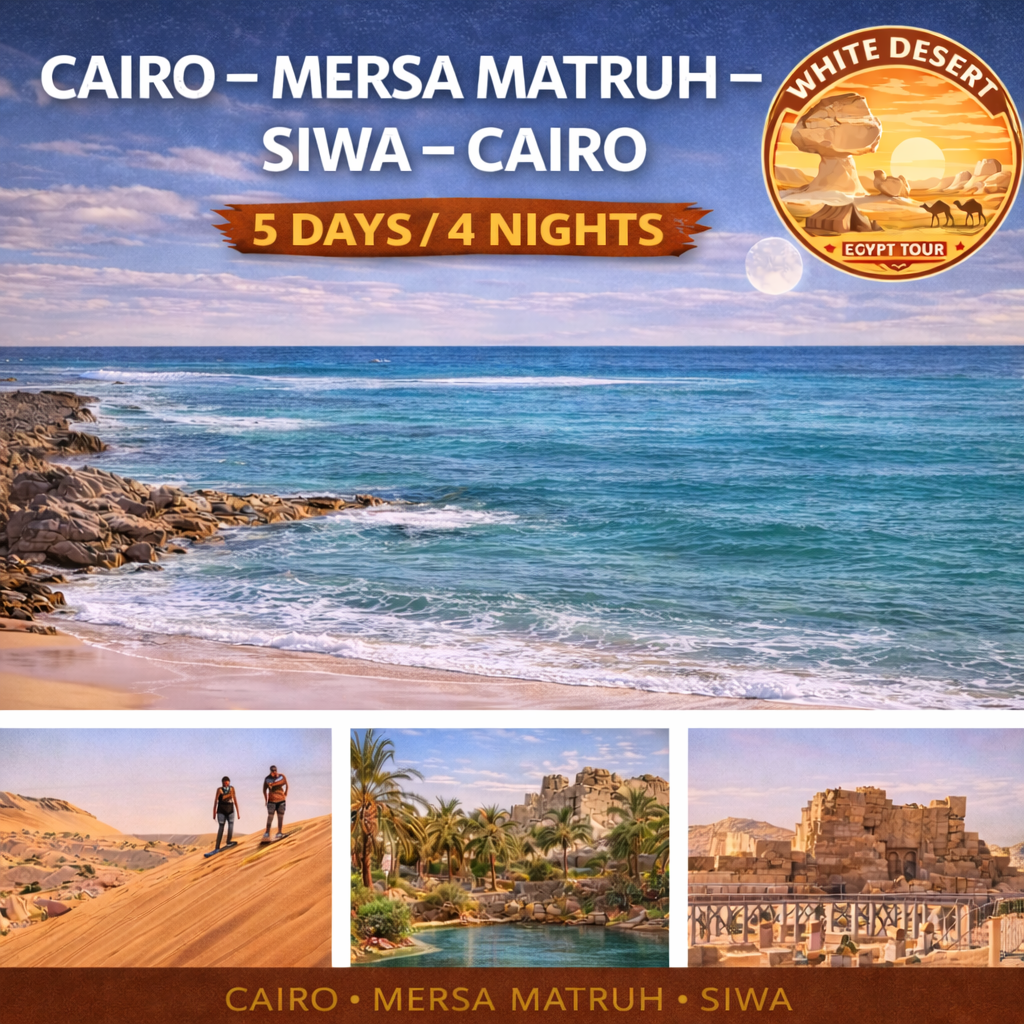
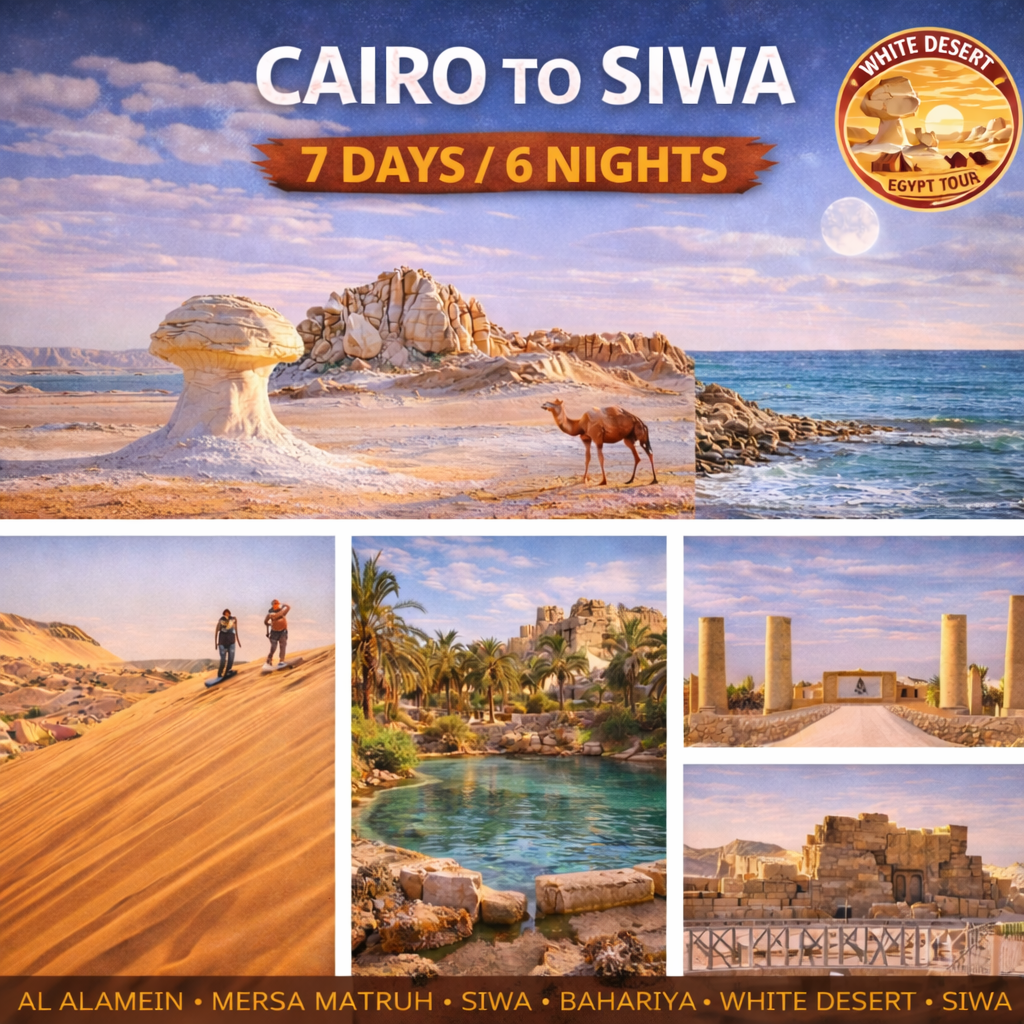
For travelers ready to explore both destinations in one trip, see the 7 Days Siwa and White Desert Tour From Cairo.

Plan Your Visit to Cleopatra’s Spring

The simplest way to include Cleopatra’s Spring is during a full Siwa sightseeing day.

Pair it with the Temple of the Oracle and other nearby attractions.

Do not build the entire day around the pool.

Instead, use the stop to slow the itinerary down.

Walk.

Swim if conditions permit.

Have a fresh drink.

Sit beneath the palms.

Then continue exploring.

For first-time visitors who do not want to arrange each transfer independently, a multi-day Siwa tour makes this considerably easier.

The 3 Days Siwa Oasis Tour From Cairo works for travelers with limited time.

The 5 Days Siwa Oasis Tour From Cairo allows a slower and more complete experience.

Final Thoughts: Is Cleopatra’s Spring in Siwa Worth It?

Cleopatra’s Spring is worth visiting not because historians can prove Egypt’s famous queen once stepped into the water, but because it captures something fundamental about Siwa itself.

In the middle of the Western Desert, water creates life.

Palms grow around springs.

Settlements form beside them.

Travelers stop to cool down.

Local people continue to live around landscapes that have supported oasis communities for generations.

The famous Cleopatra story adds a layer of romance, but it is not the reason the place matters.

Visit the spring after exploring the Temple of the Oracle.

Take a swim when conditions allow.

Have tea or juice beneath the palms.

Then continue toward the salt lakes, Shali, or the Great Sand Sea.

Seen this way, Cleopatra’s Spring is not simply another box to tick on a list of Siwa attractions.

It becomes part of the larger story of how water, desert, history, and living culture come together in one of Egypt’s most distinctive oases.

For planning the rest of your journey, continue with our Siwa Oasis Itinerary and Best Siwa Oasis Tours From Cairo.

White Desert Egypt Tour TripAdvisor reviews

star ratingAn Unforgettable Desert Experience (Private Tour) - With my wife, we spent three days and two nights exploring the Egyptian desert with our wonderful guide Mohamed, visiting the White Desert, Black Desert, and Crystal Mountains.

Mohamed... read more

avatar thumb gi0vannimattiab
October 3, 2026

star ratingA Two-Day Trip . - We went on a two-day, one-night desert trip with White Desert Egypt Tour, and we were extremely happy with everything the company provided throughout the journey. The itinerary was wonderful,... read more

avatar thumb nadaf2551
August 6, 2026

star ratingAn Unforgettable Experience in the White and Black Desert and the Bahariya Oasis. - I had an amazing and truly memorable tour with White Desert Egypt Tour. At first, I felt a little hesitant and worried because I was traveling alone. However, after booking... read more

avatar thumb bryces9166
August 9, 2026
Cleopatra’s Spring Siwa Oasis FAQ

Frequently Asked Questions About Cleopatra’s Spring in Siwa Oasis

Everything you need to know about visiting Cleopatra’s Spring in Siwa Oasis, including swimming, history, nearby attractions, Siwa Salt Lakes, the Temple of the Oracle, desert safaris and tours from Cairo.

Cleopatra’s Spring is a natural spring-fed circular pool in Siwa Oasis, Egypt. Also known as Cleopatra’s Bath or Cleopatra’s Pool, it is surrounded by palm trees and is one of the most popular stops on a Siwa sightseeing itinerary.

Cleopatra’s Spring is located in Siwa Oasis in Egypt’s Western Desert. It is relatively easy to reach from central Siwa and can be combined with nearby attractions such as the Temple of the Oracle, Shali Fortress, and the Siwa Salt Lakes.

There is no reliable historical evidence proving that Queen Cleopatra VII personally bathed in the spring. The connection with Cleopatra is a famous local legend rather than an established historical fact.

The spring became associated with Queen Cleopatra through local tradition and later travel stories. Although the legend is widely repeated, the spring’s importance does not depend on Cleopatra having actually visited it.

The attraction is commonly called Cleopatra’s Spring, Cleopatra’s Bath, and Cleopatra’s Pool. Some sources also connect the spring with the name Ain Juba.

Swimming is commonly associated with Cleopatra’s Spring, and visitors often take a dip in the natural pool. However, always check current local conditions and follow advice from your guide or local authorities before entering the water.

Cleopatra’s Spring is best understood as a natural spring-fed pool rather than a very hot geothermal spring. Travelers looking for a hotter spring experience usually encounter Bir Wahed during a Great Sand Sea desert safari.

Cleopatra’s Spring is a natural spring and provides a completely different swimming experience from Siwa’s highly saline salt lakes. The salt lakes are famous for extreme buoyancy, while Cleopatra’s Spring feels more like a conventional natural pool.

Yes. Cleopatra’s Spring is worth visiting because it combines natural scenery, palm groves, local oasis atmosphere, swimming, cafés, and easy access to nearby historical attractions. It works particularly well as part of a wider Siwa sightseeing day.

Around 30 to 60 minutes is enough for most visitors. You may want additional time if you plan to swim, have a drink at a nearby café, or simply relax beneath the palm trees.

Morning and late afternoon generally provide cooler temperatures and softer light. A midday visit can also work well if you want to cool down after exploring archaeological attractions.

The cooler months from autumn through spring are generally the most comfortable for exploring Siwa. Winter, spring, and autumn make it easier to combine the spring with archaeological sites, salt lakes, and desert activities.

Wear comfortable clothing appropriate for the oasis and bring swimwear if you plan to enter the pool. A cover-up, towel, sandals, sunglasses, sunscreen, and a hat are also useful. Respectful clothing is recommended when moving around the local community.

Yes, bringing your own towel is a good idea if you plan to swim. You should also bring a change of clothes or a lightweight cover-up, especially if you are continuing to other Siwa attractions afterward.

Yes. Cleopatra’s Spring can be a pleasant family stop because it adds a relaxing experience between historical attractions. Parents should closely supervise children around the natural pool because visitors should not assume lifeguard services are available.

Yes. Couples can easily combine Cleopatra’s Spring with the Temple of the Oracle, Siwa Salt Lakes, and a sunset at Fatnas Island for a varied and relaxed day in the oasis.

Yes. Solo travelers can visit independently using local transportation or include the spring in an organized Siwa tour. Staying near central Siwa can make transportation between attractions easier.

Yes. Cleopatra’s Spring is easier to reach independently than attractions deep in the Great Sand Sea. However, a guided or private tour can make it easier to combine several Siwa attractions efficiently in one day.

The two attractions can conveniently be included in the same sightseeing itinerary. Visiting the Temple of the Oracle in Siwa before Cleopatra’s Spring creates a good combination of archaeology and relaxation.

Popular attractions to combine with the spring include the Temple of the Oracle, Shali Fortress, Siwa Salt Lakes, Fatnas Island, Cleopatra-area palm groves, and other sites around the oasis.

Cleopatra’s Spring is a natural spring-fed pool surrounded by an oasis landscape. The Siwa Salt Lakes contain extremely saline water that allows swimmers to float easily and are known for their striking blue appearance.

The experiences are completely different. Choose Cleopatra’s Spring for a traditional natural-pool experience and oasis atmosphere. Choose the salt lakes for unusual buoyancy and dramatic scenery. Most travelers should experience both if their itinerary allows.

Cleopatra’s Spring is located within the wider oasis sightseeing area and is easy to combine with cultural attractions. Bir Wahed is associated with the Great Sand Sea and is normally visited during an organized Siwa Oasis Desert Safari .

Yes. Cleopatra’s Spring and the salt lakes can comfortably fit into the same full-day Siwa itinerary when transportation is organized efficiently.

Yes. A three-day trip provides enough time to include Cleopatra’s Spring alongside Shali Fortress, the Temple of the Oracle, salt lakes, and a Great Sand Sea safari.

Travelers with limited time can explore the 3 Days Siwa Oasis Tour From Cairo .

Three days can cover the major highlights, but four or five days provide a more relaxed experience and allow additional time for springs, salt lakes, cultural attractions, desert safari, and relaxation.

Read How Many Days Do You Need in Siwa Oasis? before choosing your itinerary.

It can be included as part of a broader Siwa sightseeing itinerary, depending on the tour. Always check the exact itinerary before booking rather than assuming every attraction is included.

You can compare options in our Best Siwa Oasis Tours From Cairo guide.

Central Siwa is usually the easiest base for first-time visitors because it provides convenient access to restaurants, local services, guides, and sightseeing routes. Travelers looking for more atmosphere can choose accommodation among the palm groves.

See our complete Where to Stay in Siwa Oasis guide.

Cleopatra’s Spring is a well-known stop for visitors to Siwa. Travelers should still use normal precautions around a natural pool, follow current local advice, supervise children, and respect the surrounding community.

Useful items include swimwear, a towel, cover-up, sandals, drinking water, sunscreen, sunglasses, a hat, phone or camera, and a small amount of cash for refreshments.

Yes. A common approach is to visit Cleopatra’s Spring and cultural attractions during one part of your Siwa itinerary, then explore the Great Sand Sea on a separate 4x4 safari.

Read our Great Sand Sea Egypt Guide for more information.

Yes. Travelers with enough time can combine Siwa with Bahariya Oasis, the Black Desert, Crystal Mountain, Valley of Agabat, and the White Desert in a longer journey.

The 7 Days Siwa and White Desert Tour From Cairo is designed for travelers who want to experience both desert regions in one trip.

Leave a Comment

Your email address will not be published. Required fields are marked *