Shali Fortress Siwa: History, What to See & Visiting Guide

Shali Fortress Siwa: History, What to See & Visiting Guide

Rising above the center of Siwa Oasis, Shali Fortress is one of the places that immediately tells you that Siwa is unlike almost anywhere else in Egypt.

This is not another pharaonic temple.

It is not a Roman ruin.

And it does not resemble the monumental stone architecture most travelers associate with Egypt.

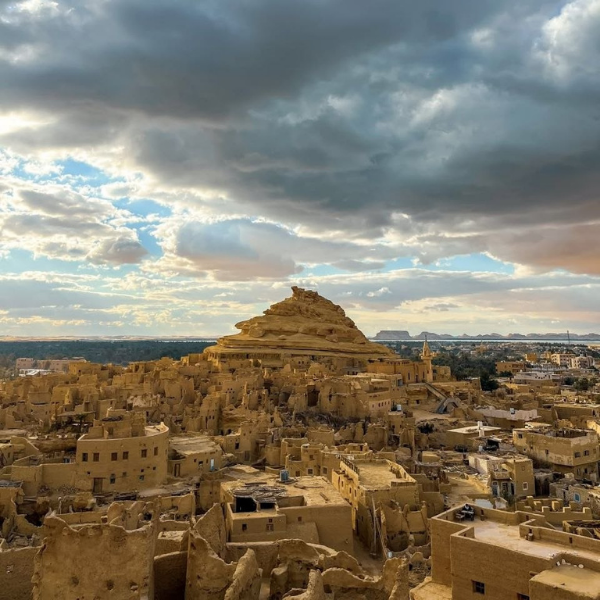
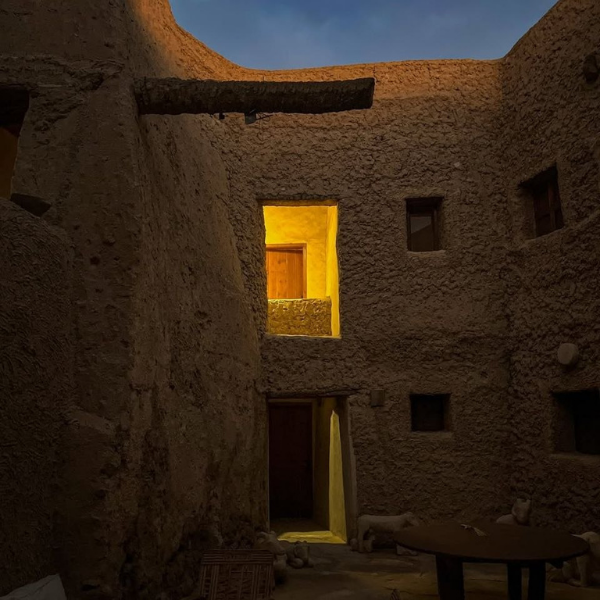
Instead, Shali is the surviving heart of Siwa’s old fortified settlement: a maze of earth-colored walls, narrow passages, old houses and elevated viewpoints built largely from a traditional local material known as kershef.

For centuries, the fortress town provided a protected home for the oasis community. Today, its weathered forms rise above modern Siwa, creating one of the destination’s most recognizable landmarks.

Egypt’s official tourism material describes ancient Shali as the historic fortress-like heart of Siwa, while government sources describe the restored fortress as roughly 800 years old.

Shali is especially valuable for first-time visitors because it gives context to everything else you will see in Siwa.

Before visiting the salt lakes, springs or dunes, Shali helps explain how people actually lived in this isolated oasis.

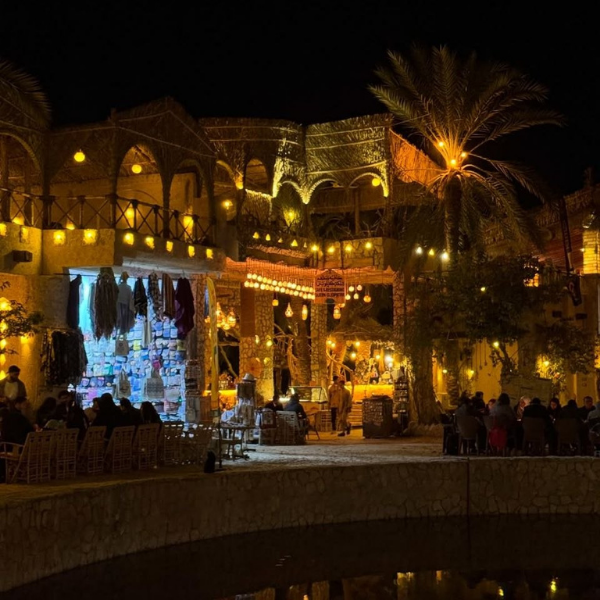
And unlike attractions that require long transfers, the fortress sits directly in Siwa town, making it easy to combine with a market walk, local dinner or relaxed evening.

If you are planning your first Siwa trip, also read our Siwa Oasis Egypt Travel Guide and Things to Do in Siwa Oasis.

Quick Answer: Is Shali Fortress Worth Visiting?

Yes.

Shali Fortress is one of the essential attractions in Siwa Oasis, particularly for first-time visitors.

The main reasons to visit are its distinctive kershef architecture, medieval history, narrow old-town passages and elevated views across modern Siwa, palm groves and the surrounding oasis landscape.

You do not need an entire day.

For most travelers, around one to two hours gives enough time to explore the main accessible areas, photograph the architecture and enjoy the viewpoints without rushing.

Late afternoon is particularly attractive because softer light emphasizes the textures of the old walls and can transition naturally into an evening around Siwa town.

Shali Fortress at a Glance

Detail

Shali Fortress

Location

Central Siwa Oasis

Type

Medieval fortified settlement

Age

Roughly 800 years

Traditional material

Kershef

Main experience

History, architecture, walking, views

Typical visit

Around 1–2 hours

Best light

Morning or late afternoon

Good for sunset

Yes

Physical effort

Easy to moderate walking

Best paired with

Siwa town, local market, historical sites

Good for families

Yes, with care on uneven ground

Recommended on first Siwa trip

Absolutely

What Is Shali Fortress?

Shali was much more than a military castle.

It was an entire fortified town.

Homes, passageways, religious buildings and community spaces were packed inside a defensive settlement rising above the oasis.

This compact design made practical sense.

Siwa was historically isolated, and the community needed a defensible place where residents could live together behind protective walls.

Government information on the restoration describes Shali as a town whose residents used the fortress and its internal passages for protection during periods of insecurity.

So when you visit Shali today, do not think:

“Where is the castle?”

The ruined settlement is the fortress.

That is what makes it different from a European-style castle with one palace inside surrounding walls.

How Old Is Shali Fortress?

Shali is generally associated with Siwa’s medieval history and dates back roughly eight centuries.

Sources commonly place its development around the late 12th to early 13th century.

Egyptian government material describes it as an approximately 800-year-old fortress, while historical reporting places the fortified settlement around the 12th–13th century.

For SEO and traveler planning, the safest way to understand it is:

Shali is a medieval fortified oasis town, not an ancient Egyptian pharaonic monument.

That distinction matters because Siwa contains sites from several very different historical periods.

You can visit Shali and, during the same trip, explore the Temple of the Oracle associated with the much earlier ancient world.

Why Was Shali Fortress Built?

Protection was the central reason.

Siwa’s isolation gave the oasis a unique culture, but isolation did not mean complete safety.

A compact fortified settlement allowed inhabitants to protect themselves and concentrate resources inside defensive walls.

Homes were constructed close together.

Passages were narrow.

Buildings rose upward instead of spreading widely across the oasis.

As security conditions gradually changed, residents increasingly moved outside the old fortified town and built homes in the surrounding area.

That transition eventually created the modern town you see below Shali today.

What Does the Name Shali Mean?

Egyptian heritage reporting notes that Shali means “the city” or “town” in the local Siwan language.

That helps explain something important:

Shali was not originally regarded simply as an attraction or fortress.

It was the town.

Modern travelers see romantic ruins.

For earlier residents, this was home.

What Is Kershef?

Kershef is one of the most interesting reasons to visit Shali.

It is a traditional Siwan building material associated with mixtures of local salt-rich earth, clay and other naturally available materials.

Palm timber was also historically used within the architecture.

The result gave Siwa an architectural language perfectly matched to its local environment.

Instead of importing huge quantities of stone from distant areas, inhabitants built using what the oasis provided.

Government descriptions of the restoration identify karshif/kershef as a local material made from salt, fine sand and clay.

Why Does Shali Look Like It Is Melting?

The same material that makes Shali visually unique also explains its unusual weathered appearance.

Kershef performs well in Siwa’s extremely dry environment.

Heavy rain is a different story.

Historical accounts describe rare, intense rains in the 1920s — most commonly dated to 1926 — as causing major damage to the old settlement.

Many homes became unsafe, and residents increasingly relocated outside the fortified town.

The result is the organic appearance visible today:

walls curve,

edges soften,

upper stories disappear,

doorways become irregular,

and entire sections look almost sculpted rather than constructed.

Historical reporting and modern travel references consistently identify the destructive 1926 rains as a major turning point in Shali’s abandonment.

Was Shali Fortress Abandoned?

Large parts were.

As residents moved toward newer homes with more space and modern facilities, the old town gradually lost its original residential function.

But “abandoned” does not mean forgotten.

Shali remained one of Siwa’s defining landmarks.

Mosques continued to have cultural importance.

The ruins remained central to the visual identity of the oasis.

And eventually major conservation work was undertaken to stabilize and revive the site.

The Restoration of Shali Fortress

One of the most important modern chapters in Shali’s story is its restoration.

A major conservation project began in 2018 and the restored fortress was officially reopened in 2020.

Egypt’s State Information Service says the restoration was supported by European Union funding and that around 300 Siwans participated in the project. The work also followed restoration efforts at historic mosques associated with the fortress area.

This matters for more than tourism.

Using local workers and traditional techniques helps preserve practical knowledge of Siwan building traditions instead of treating the fortress only as a frozen archaeological object.

Is Shali Fortress a UNESCO World Heritage Site?

No.

This distinction is important.

Siwa’s archaeological area is on Egypt’s UNESCO Tentative List, but that is not the same thing as being inscribed as a UNESCO World Heritage Site.

UNESCO currently lists the “Siwa archaeological area” on Egypt’s Tentative List, where it has appeared since 1994.

So avoid describing Shali as a “UNESCO World Heritage Site.”

A correct description is:

Shali Fortress is one of the major heritage landmarks within Siwa Oasis, whose archaeological area is included on Egypt’s UNESCO Tentative List.

What to See Inside Shali Fortress

The value of Shali is not one single monument.

The experience comes from moving through the settlement.

You will see preserved and ruined walls, old passages, elevated spaces, examples of traditional Siwan construction and views over the modern oasis.

Rather than rushing directly toward the highest viewpoint, give yourself time to notice how closely the structures fit together.

The architecture tells the story.

The Narrow Passages

Walking through Shali’s narrow passages gives the strongest sense of how compact the old settlement once was.

Imagine these routes when they were not ruins.

Children moving between homes.

Families carrying food.

Residents heading toward prayer.

People entering and leaving the protected settlement.

The passages were functional, not picturesque tourist lanes.

Their beauty today comes from the fact that their original purpose is still readable.

The Old Mosque

The historic mosque within Shali is one of the settlement’s most recognizable surviving elements.

Its traditional form and distinctive minaret reinforce the fact that Shali functioned as a complete community rather than only a defensive structure.

Restoration work on historic mosques in the area preceded and accompanied the wider fortress conservation program.

Respect religious spaces during your visit.

Photography rules and access can differ depending on the area and current local conditions.

The Kershef Walls

Do not treat the walls as a boring background.

Look closely.

Their rough, salt-rich texture is one of the main reasons Shali feels unlike traditional mudbrick settlements elsewhere.

You can see layers, erosion, rebuilding and restoration.

For photographers, close-up texture images can sometimes communicate Shali better than one wide landscape shot.

Panoramic Views Over Siwa Oasis

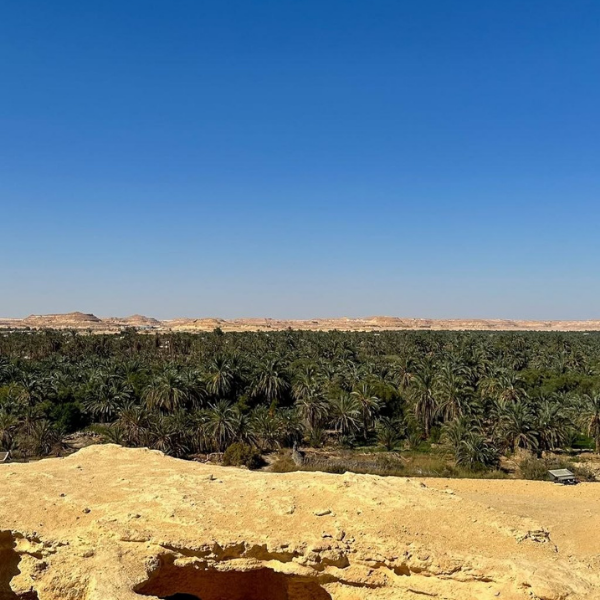
One of the strongest reasons to climb higher into Shali is the view.

From elevated points you can look across:

  • modern Siwa town
  • palm groves
  • agricultural land
  • oasis landscapes
  • distant lakes
  • surrounding desert

Official Egyptian tourism material specifically highlights the panorama from the highest areas of old Shali across the oasis.

This is where the geography of Siwa suddenly makes sense.

At street level, you experience a town.

From above, you understand that the town is an island of life surrounded by desert.

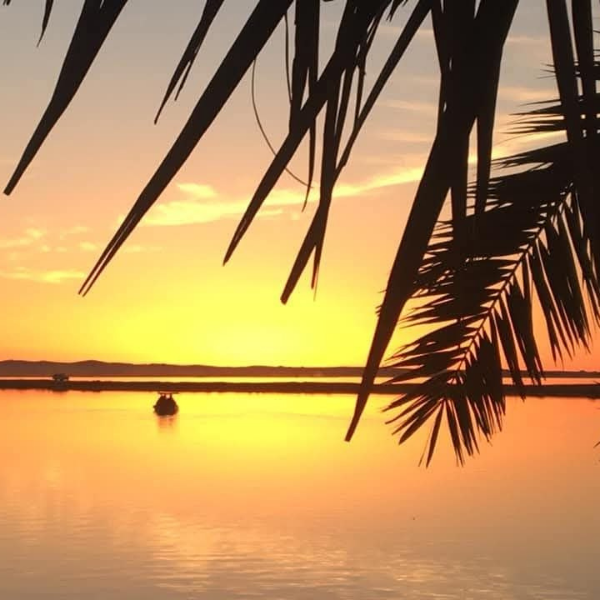
Is Shali Fortress Good at Sunset?

Yes.

Late afternoon is one of the most attractive times to visit.

The low sun gives the earth-colored walls more texture and creates stronger shadows through passages and openings.

It also works logistically.

A comfortable Siwa afternoon can be:

Shali Fortress → local market → Siwa town walk → dinner

or:

Shali Fortress → Fatnas sunset

depending on your itinerary.

Do not arrive so late that you have no time to explore before the light disappears.

Sunrise or Sunset?

Morning

Better for travelers who want:

  • cooler walking
  • potentially quieter conditions
  • cleaner directional light
  • a relaxed historical visit

Late Afternoon

Better for:

  • warm photography
  • atmospheric shadows
  • panoramic views
  • combining Shali with an evening in town

For most first-time visitors, we prefer late afternoon unless your wider itinerary requires another sunset destination.

How Long Do You Need at Shali Fortress?

For most visitors:

60–90 minutes works well.

Photography-focused travelers may want longer.

A quick visit can be completed faster, but Shali is exactly the kind of place that loses value when treated as a 15-minute stop.

You came to understand Siwa.

Give the old town enough time to tell you something about it.

Can You Walk Around Shali Independently?

Shali sits in central Siwa and is naturally connected with the surrounding town.

Visitors can explore accessible parts on foot.

However, the ruins include:

  • uneven ground
  • irregular steps
  • fragile surfaces
  • steep sections

Stay on appropriate routes and respect any areas that are closed or restricted.

Heritage conservation is more important than getting a dramatic photograph from one unstable wall.

Do You Need a Guide?

Not necessarily to physically find Shali.

It is one of the most obvious landmarks in Siwa.

But a guide adds context.

Without explanation you may see:

“old mud walls.”

With context you understand:

why the settlement was fortified,

how kershef worked,

why people lived so closely together,

what happened after the rains,

and how traditional architecture reflects the environment.

For first-time Siwa travelers already booking a guided tour, including Shali within the itinerary makes sense.

Is Shali Fortress Free?

Access arrangements and any charges can change, and individual restored sections may operate differently.

For that reason, we recommend confirming current entrance arrangements locally rather than publishing a fixed ticket price that may become outdated.

This is especially important if you are reading the article months after publication.

A good Siwa operator should be able to tell you the current situation before your visit.

What Should You Wear?

Shali is not physically demanding like a desert trek, but appropriate shoes matter.

Choose:

  • comfortable closed shoes or stable walking sandals
  • breathable clothing
  • sun protection
  • hat
  • sunglasses

Avoid slippery footwear because some routes are uneven.

Siwa is also a conservative oasis community, so modest clothing is the respectful choice when walking through town and heritage areas.

Is Shali Fortress Suitable for Children?

Yes, generally.

Children can enjoy the feeling of exploring an old fortress and climbing through unusual passages.

The main issue is physical safety.

Some surfaces are uneven and sections of the old town are ruins.

Parents should supervise younger children rather than allowing them to run freely across fragile or elevated areas.

For a wider family itinerary, read Siwa Oasis Tour for Families.

Is Shali Fortress Good for Older Travelers?

Yes, provided mobility is reasonable.

You do not need to climb every available section to appreciate Shali.

Travelers who prefer less walking can enjoy:

  • exterior views
  • lower passages
  • town-level architecture
  • photography from surrounding areas

If steep or irregular surfaces are difficult for you, tell your guide so the route can be adjusted.

Photography Tips for Shali Fortress

Shali is extremely photogenic because the architecture changes depending on distance.

From far away, photograph the fortress rising above Siwa.

Inside, switch to:

  • narrow passage compositions
  • doorways
  • wall textures
  • human scale
  • shadows
  • mosque details
  • framed oasis views

Late afternoon gives warmer tones.

Morning can give cleaner light and fewer harsh shadows depending on season.

Most importantly, include people carefully when possible.

A person walking through an alley helps communicate the enormous scale of the old walls.

Drone Photography at Shali Fortress

Do not assume drones are allowed.

Drone use in Egypt is regulated and can require approvals.

Avoid arriving with a drone expecting to launch it from Shali or anywhere else in Siwa.

Use legal, currently approved arrangements only.

For most travelers, handheld photography from elevated viewpoints is already excellent.

Shali Fortress and Siwan Culture

The fortress makes more sense when you understand that Siwa has developed a distinctive cultural identity through centuries of geographical isolation.

Egypt’s official tourism platform notes that Siwans maintain distinctive traditions and a local language alongside Arabic, and that tourism, local hospitality, eco-lodges, food and guiding now form important parts of the oasis economy.

Shali therefore should not be presented as the remains of a culture that disappeared.

Traditional Siwan identity is very much alive.

The fortress represents one historical chapter of that continuing community.

Shali Fortress vs Temple of the Oracle

Do not choose one instead of the other.

They tell different stories.

Shali Fortress

Focus:

  • Medieval Siwa
  • Community
  • Local architecture
  • Kershef
  • Fortification
  • Oasis life

Temple of the Oracle

Focus:

  • Ancient religion
  • Amun
  • Classical-era Siwa
  • Alexander the Great tradition
  • Archaeology

Together they show how long Siwa has remained important across different historical periods.

Shali Fortress vs Mountain of the Dead

Again, very different.

The Mountain of the Dead is associated with ancient tombs.

Shali represents the living medieval settlement that developed much later.

A strong Siwa itinerary includes both rather than forcing a comparison.

Shali Fortress vs Siwa Salt Lakes

These experiences could hardly be more different.

Siwa Salt Lakes are primarily a natural and recreational experience.

Shali is cultural and historical.

That is precisely why Siwa works so well as a destination.

One morning can involve archaeology.

Another hour can involve floating in intensely salty water.

Later, you can be driving through the Great Sand Sea.

Shali Fortress and the Great Sand Sea

Shali explains Siwa’s human history.

The Great Sand Sea explains its desert geography.

If you only visit Shali, you have not really experienced the surrounding desert.

If you only visit the dunes, you miss the cultural center of the oasis.

A strong first trip combines both.

Best Half-Day Historical Route in Siwa

If your time is limited, one practical historical sequence is:

Shali Fortress → Mountain of the Dead → Temple of the Oracle → Cleopatra’s Spring

Then use the afternoon or another day for:

Salt Lakes → Great Sand Sea → sunset

This separates the cultural/archaeological side of Siwa from the major natural and desert experiences.

Can You Visit Shali Fortress on a 3-Day Siwa Tour?

Yes.

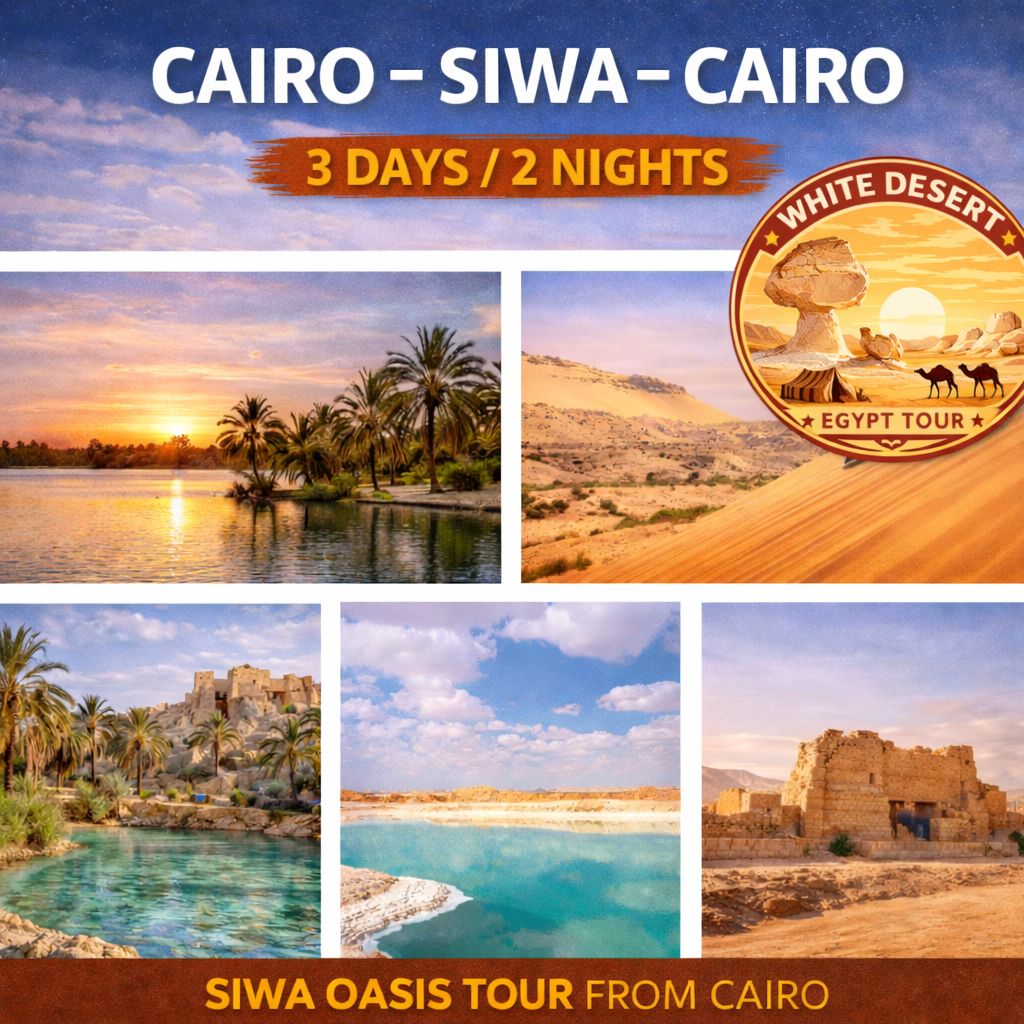
In fact, Shali is one of the core attractions on the current 3-Day Siwa Oasis Tour from Cairo.

The current itinerary combines Shali with other Siwa highlights including the Temple of Amun, Mountain of the Dead, Cleopatra’s Spring, salt lakes and a Great Sand Sea safari.

Three days is compact, but it gives travelers enough time to see the essential Siwa attractions.

Best for:

Weekend travelers, expats in Cairo, couples, solo travelers and visitors adding Siwa to a busy Egypt itinerary.

Is a 5-Day Siwa Tour Better for Shali?

If you have the time, yes.

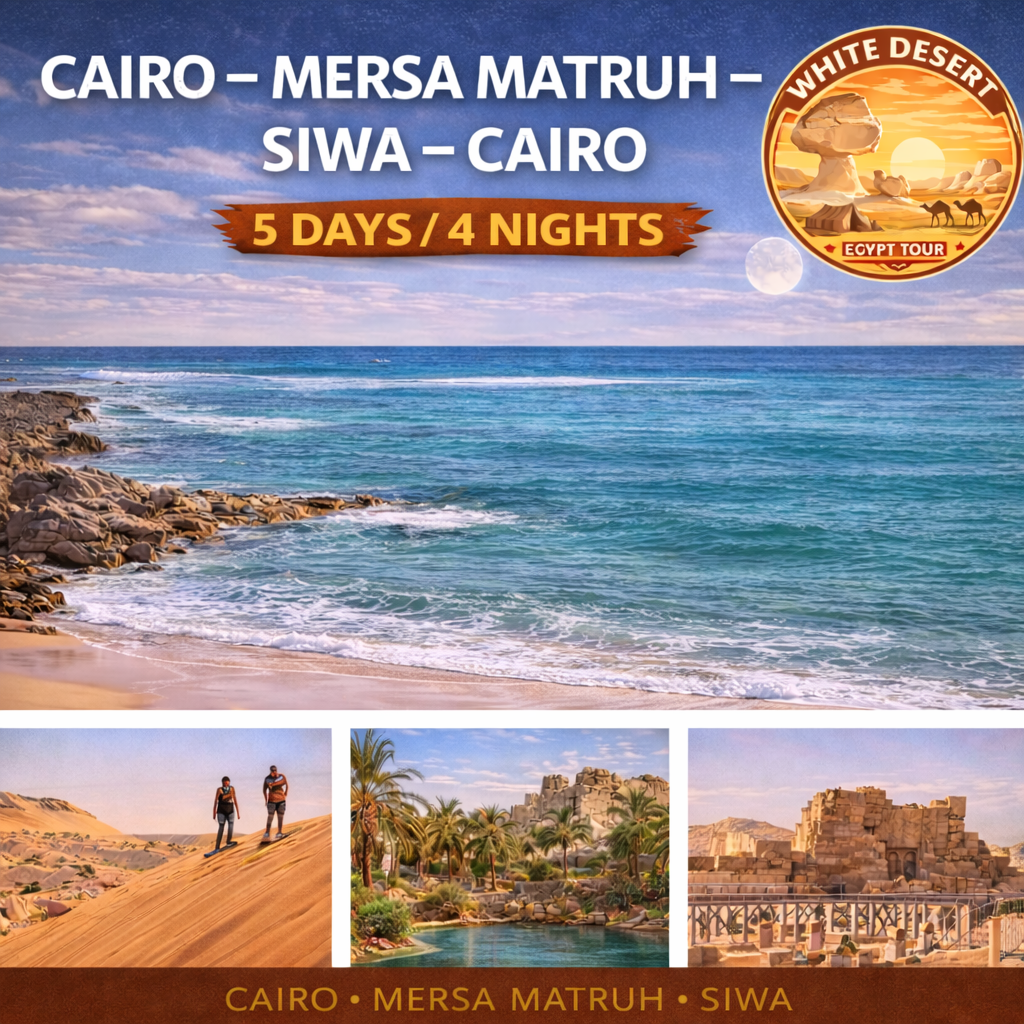
The current 5-Day Siwa Oasis Tour from Cairo reaches Siwa after a Marsa Matrouh stop and includes Shali during the Siwa portion before dedicating later days to the oasis’s historical and desert attractions.

The extra days matter because you do not need to combine every major attraction into one overloaded sightseeing day.

For slow travelers, photographers and families, five days provides a noticeably better rhythm.

3 Days vs 5 Days for Siwa

Choose 3 Days If:

You have limited time and want the essential Siwa experience.

You can still see Shali.

You can still visit the main archaeological attractions.

And you can still experience the salt lakes and Great Sand Sea.

Choose 5 Days If:

You want:

more time in Shali,

better photography timing,

Marsa Matrouh,

less rushed sightseeing,

more time for salt lakes,

a slower Great Sand Sea experience,

and more relaxed evenings.

Use our 3-Day vs 5-Day Siwa Oasis Tour for the full comparison.

Can You Combine Shali Fortress with the White Desert?

Yes — on a longer Egypt desert itinerary.

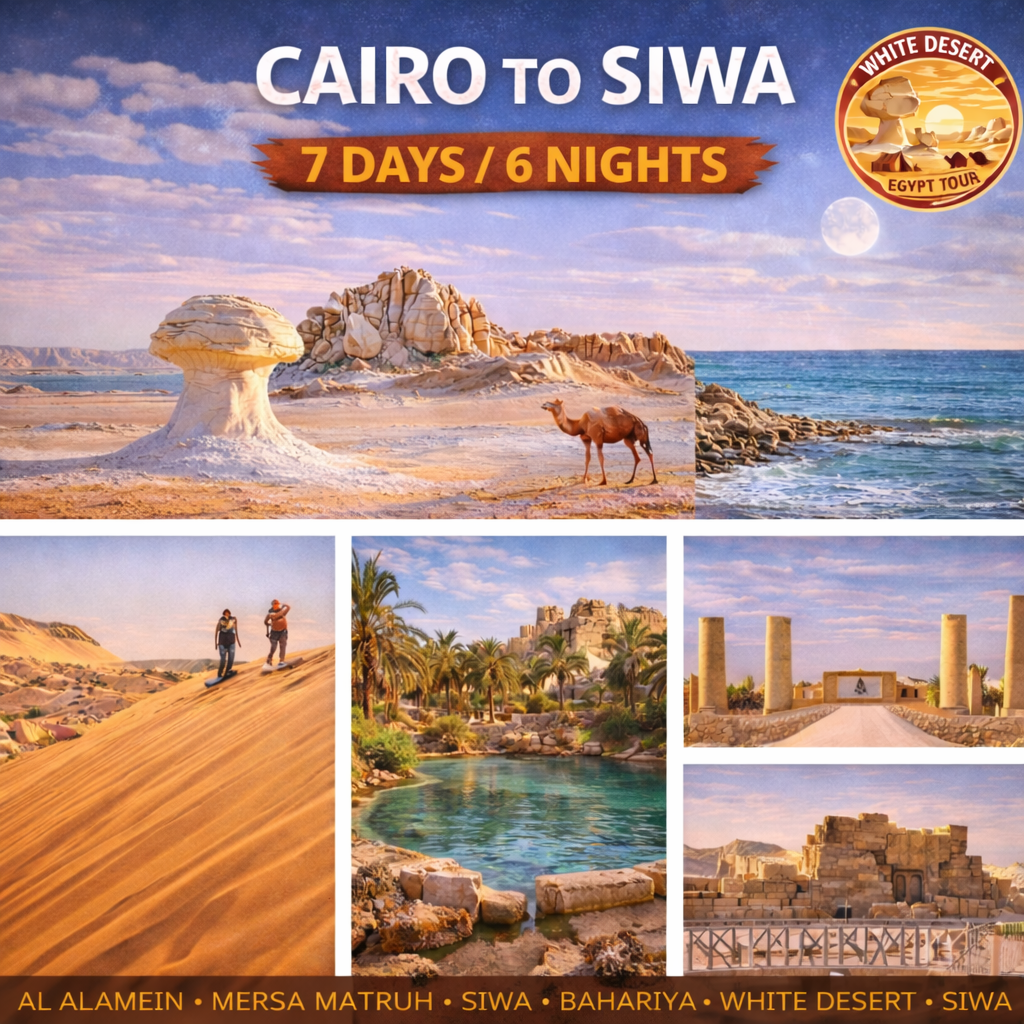
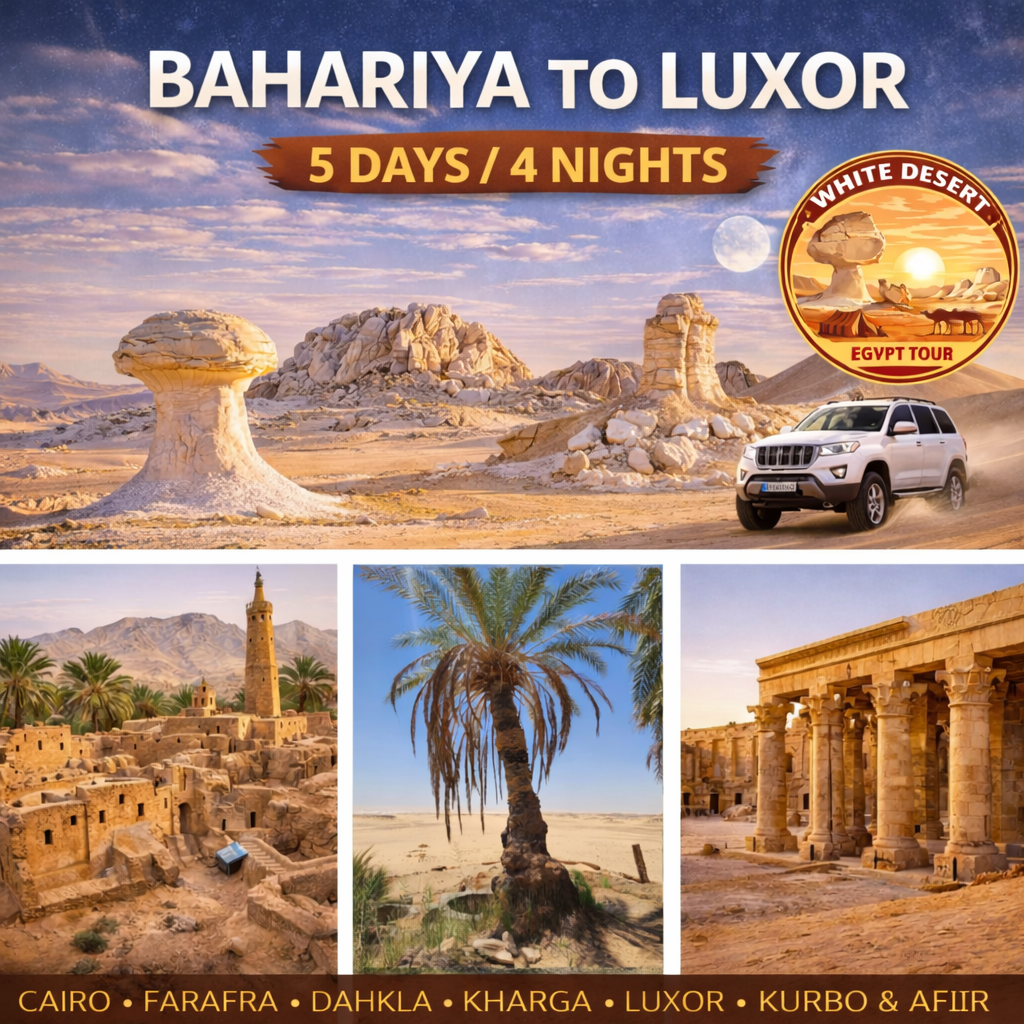
The 7-Day Siwa & White Desert Tour currently combines Siwa attractions including Shali with Bahariya Oasis and White Desert camping.

This creates one of the strongest contrasts in the Western Desert:

Siwa → living oasis culture, salt lakes and Great Sand Sea

versus

White Desert → chalk formations, Agabat and camping.

For travelers with a full week, it is much deeper than visiting either destination alone.

Best Time of Year to Visit Shali Fortress

Shali can be visited throughout the year, but your wider Siwa trip is generally most comfortable during the cooler months.

For most travelers, October through April is the easiest period for:

  • walking
  • archaeology
  • desert safari
  • salt lakes
  • outdoor photography

Summer can become extremely hot during the day.

If visiting during hotter months, prioritize morning or later afternoon rather than the strongest midday sun.

Read our Best Time to Visit Siwa Oasis guide before choosing dates.

What Else Should You See Near Shali Fortress?

Once you have explored Shali, several major Siwa attractions can be integrated into the same trip.

Temple of the Oracle: essential for ancient-history travelers.

Mountain of the Dead: tombs carved into the hill and a completely different archaeological experience.

Cleopatra’s Spring: one of Siwa’s best-known oasis springs.

Siwa Salt Lakes: famous for highly saline water and floating.

Fatnas Island: a popular sunset environment.

Great Sand Sea: the main 4×4 desert adventure near Siwa.

For the overall planning sequence, see our Siwa Oasis Itinerary.

How to Get to Shali Fortress

Once you are in Siwa, Shali is easy to reach because it sits in the central town area.

The real challenge is getting to Siwa itself, not getting from your Siwa hotel to Shali.

From Cairo, Siwa requires a long road journey.

That is why most visitors either:

book a private tour,

use long-distance transport,

or incorporate Siwa into a multi-day itinerary.

Use our How to Get to Siwa Oasis from Cairo guide for the full transport comparison.

How Many Days Do You Need in Siwa?

Do not plan your entire trip around Shali.

The fortress only requires part of a day.

The reason Siwa deserves several days is the combination of experiences.

3 Days

Enough for the main highlights, but compact.

4 Days

Better balance.

5 Days

Excellent for first-time visitors wanting a relaxed trip.

6–7 Days

Best when combining Siwa with other Western Desert destinations.

Read How Many Days Do You Need in Siwa Oasis? before choosing your package.

How Much Does It Cost to Visit Shali Fortress?

The cost of Shali itself should not be the main budgeting question.

Your larger expenses are usually:

  • Cairo–Siwa transportation
  • accommodation
  • private guide
  • Great Sand Sea safari
  • meals
  • archaeological entrance fees
  • multi-day tour logistics

Because entrance arrangements can change, we prefer not to publish a fixed Shali ticket price here.

For total trip planning, use Siwa Oasis Tour Cost.

Is Shali Fortress Safe to Visit?

For normal sightseeing, the main practical concern is the physical condition of an old heritage site.

Shali contains historic walls, uneven walking surfaces and ruined structures.

Use common sense:

stay on accessible paths,

follow local instructions,

avoid climbing unstable walls,

wear appropriate shoes,

and supervise children.

For broader travel concerns around the oasis, see Is Siwa Oasis Safe for Tourists?.

Responsible Tourism at Shali Fortress

Shali has survived for centuries, but that does not make it indestructible.

Kershef architecture is particularly vulnerable to environmental damage.

Visitors should avoid:

climbing fragile surfaces,

removing material,

scratching walls,

leaving rubbish,

or entering restricted restoration areas.

Your photograph is not more important than the building.

The best visitors leave the fortress looking exactly as it did before they entered.

Common Mistakes When Visiting Shali Fortress

The most common mistake is treating Shali only as a sunset viewpoint. The views are excellent, but the architecture and history are the real reason the panorama matters.

Another mistake is assuming Shali is an ancient Egyptian temple. It belongs to a much later medieval chapter of Siwa’s history.

Do not describe it as a UNESCO World Heritage Site either. Siwa’s archaeological area is on UNESCO’s Tentative List, which is a different status.

Avoid rushing through it in ten minutes, wearing poor footwear, climbing unstable sections or scheduling Shali at exactly the same sunset time as Fatnas and the Great Sand Sea.

Choose one primary sunset location for each day instead of spending your holiday racing between them.

Best Way to Include Shali Fortress in Your Siwa Itinerary

For a short first trip, we recommend visiting Shali shortly after arriving in Siwa or on the first full sightseeing day.

It is the ideal introduction.

You see the town from above.

You understand its traditional architecture.

You learn something about Siwan history.

Then later attractions make more sense.

A balanced itinerary can move from:

Shali → archaeology → springs → salt lakes → Great Sand Sea

rather than beginning immediately with the Instagram-famous natural attractions.

Is Shali Fortress the Best Historical Attraction in Siwa?

It depends on what you mean by “best.”

For architecture and Siwan identity:

Shali is probably the strongest.

For ancient history:

the Temple of the Oracle is stronger.

For tombs and archaeology:

Mountain of the Dead is stronger.

For a first-time visitor trying to understand Siwa as a living destination rather than an archaeological museum, Shali may be the most important place to start.

Shali Fortress Siwa: Final Verdict

Shali Fortress is one of the places that makes Siwa feel unmistakably Siwan.

Its importance is not simply that it is old.

Egypt is filled with places far older.

What makes Shali special is the relationship between architecture, environment and community.

The fortress grew from materials available inside the oasis.

Its compact form responded to the need for security.

Its elevated position created protection and visibility.

Its weathered appearance tells the story of the fragile relationship between kershef architecture and rare heavy rain.

And its modern restoration shows that Shali remains important to the people who live around it today.

Visit for the views.

But stay for the architecture.

Walk slowly through the passages.

Look at the material closely.

Imagine the settlement when hundreds of people actually lived inside it.

Then climb high enough to look across the palms, town and desert.

That view explains Siwa better than almost any photograph.

For most first-time visitors, Shali belongs in the same essential group as:

the Temple of the Oracle,

Mountain of the Dead,

Cleopatra’s Spring,

Siwa Salt Lakes,

and the Great Sand Sea.

If you only have three days, include it.

If you have five days, give it more time.

And if you are combining Siwa with the White Desert, use Shali as the cultural beginning of a much larger Western Desert journey.

Visit Shali Fortress on a Siwa Tour

Short Siwa Escape

3-Day Siwa Oasis Tour from Cairo

Best for travelers with limited time who still want Shali, the main archaeological sites, salt lakes and Great Sand Sea safari.

Slower Siwa Experience

5-Day Siwa Oasis Tour from Cairo

Better for couples, families, photographers and travelers who want more time inside the oasis.

Siwa + White Desert

7-Day Siwa & White Desert Tour from Cairo

Best for travelers wanting Siwa culture, Great Sand Sea, Bahariya Oasis and White Desert camping in one expedition.

White Desert Egypt Tour TripAdvisor reviews

star ratingA perfect adventure for us  - As soon as we left Cairo behind and entered the vast expanse of the Western Desert, it felt like stepping into another dimension. The landscape slowly transformed from the bustling... read more

avatar thumb Fred6A
February 28, 2025

star ratingUnforgettable experience  - My wife and I went on a safari with Western Desert travel and it was an amazing experience. The White Desert was enchanting, Crystal Mountain was breathtaking, and the Black... read more

avatar thumb Nicholas8B
January 24, 2026

star ratingExcellent service  - The White Desert tour with Western Desert travel Company was an unforgettable experience. Excellent organization and great service. Thank you!

avatar thumb Gary4S
January 24, 2026
Shali Fortress Siwa FAQ

Frequently Asked Questions

Everything you need to know about Shali Fortress in Siwa Oasis, including its history, architecture, restoration, visiting time, nearby attractions and Siwa tour itineraries.

Shali Fortress is the surviving medieval fortified old town at the center of Siwa Oasis. It was built largely from traditional kershef and once contained homes, passages, mosques and community spaces.

Shali is roughly 800 years old and is generally dated to Siwa's medieval period around the late 12th to early 13th century.

The fortified settlement provided security for the Siwan community, allowing residents to live within compact defensive walls during periods when outside attacks were a concern.

Much of Shali was constructed using kershef, a traditional local building material based on salt-rich earth, clay and other locally available materials, together with palm timber in parts of the buildings.

Severe rains in the 1920s, commonly dated to 1926, badly damaged the kershef buildings. Residents increasingly relocated into newer homes outside the old fortified town.

Yes. A major restoration project was completed and the restored fortress was officially reopened in 2020.

No. Siwa's archaeological area is on Egypt's UNESCO Tentative List, but Shali is not currently an inscribed UNESCO World Heritage Site.

Around one to two hours is enough for most visitors to explore the accessible areas, enjoy the views and take photographs.

Morning is good for comfortable walking, while late afternoon provides warmer light and is especially attractive for photography and panoramic views.

Yes. Elevated parts of Shali provide attractive views across Siwa, making late afternoon and sunset popular visiting times.

A guide is not necessary simply to find or walk around Shali, but local interpretation adds significantly more historical and architectural context.

Yes, but younger children should be supervised because parts of the old settlement have uneven surfaces, steps and ruined structures.

Wear comfortable footwear suitable for uneven ground, sun protection and modest clothing appropriate for Siwa's local culture.

Yes. Shali is included in current 3-day and 5-day Siwa Oasis itineraries offered by White Desert Egypt Tour.

Major Siwa attractions that can be combined with Shali include the Temple of the Oracle, Mountain of the Dead, Cleopatra's Spring, Siwa Salt Lakes, Fatnas Island and the Great Sand Sea.

They are different. Shali is best for medieval Siwan architecture and community history, while the Temple of the Oracle represents much earlier ancient religious and archaeological history.

Yes. A well-planned three-day Siwa itinerary can include Shali Fortress together with the main archaeological sites, salt lakes and Great Sand Sea safari.

Yes. It is one of Siwa's defining landmarks and provides one of the best introductions to the oasis's architecture, history, culture and geography.

Leave a Comment

Your email address will not be published. Required fields are marked *