Is the White Desert Worth Visiting? An Honest Guide for Egypt Travelers

Is the White Desert Worth Visiting? An Honest Guide for Egypt Travelers

Yes — the White Desert is absolutely worth visiting if you enjoy extraordinary landscapes, outdoor adventure, desert camping, photography, stargazing, and experiences that show you a completely different side of Egypt.

But it is not a universal must-see for every traveler.

Visiting the White Desert requires more time and effort than taking a normal sightseeing trip from Cairo. You will spend several hours on the road, travel through remote desert landscapes, switch to a 4×4 for part of the journey, and — on the best itineraries — spend a night camping far from the city.

For some travelers, that sounds like the highlight of an Egypt trip.

For others, it may sound like too much travel when they could be visiting another temple, museum, city, or Red Sea resort.

So the real question is not simply “Is the White Desert worth visiting?”

It is:

Is the White Desert worth visiting for your travel style, your available time, and the kind of Egypt experience you want?

For nature lovers, photographers, couples, adventure travelers, solo travelers, and anyone who wants to experience Egypt beyond pyramids and temples, the answer is usually a very strong yes.

This guide explains exactly why, including the advantages, possible downsides, travel time from Cairo, camping experience, ideal trip length, best season, who should visit, and how to make the journey genuinely worth the time.

If you are still learning about the destination itself, start with our complete White Desert Egypt travel guide to understand the landscape, safari route, camping experience, and major attractions.

Quick Answer: Is the White Desert Worth Visiting?

Yes, the White Desert is worth visiting for most travelers who enjoy nature, desert scenery, camping, photography, and adventure.

It offers something that Egypt’s major cities cannot.

Instead of traffic, monuments, museums, temples, and busy tourist sites, you get enormous open landscapes, sculptural white rock formations, desert silence, changing sunset colors, a campfire, stars, and sunrise far from urban life.

A typical White Desert journey also includes much more than the White Desert itself. Depending on your itinerary, you may travel through Bahariya Oasis, explore the Black Desert, stop at Crystal Mountain, cross dramatic desert valleys, and eventually camp among the White Desert’s famous chalk formations.

The main drawback is time.

This is not an attraction you casually add between breakfast and dinner in Cairo. The journey deserves at least two days if you want to experience it properly.

For most first-time visitors:

Trip Length

Best For

Our Verdict

1 day

Extremely limited schedules

Too rushed for most travelers

2 days / 1 night

First-time visitors with limited time

Excellent introduction

3 days / 2 nights

Most travelers

Best overall balance

4 days

Photography and slower exploration

Excellent for deeper travel

Longer trips

Trekking, camel safari, multi-oasis travel

Best for serious desert lovers

If you only have two days, a White Desert Tour from Cairo gives you the essential safari and overnight experience.

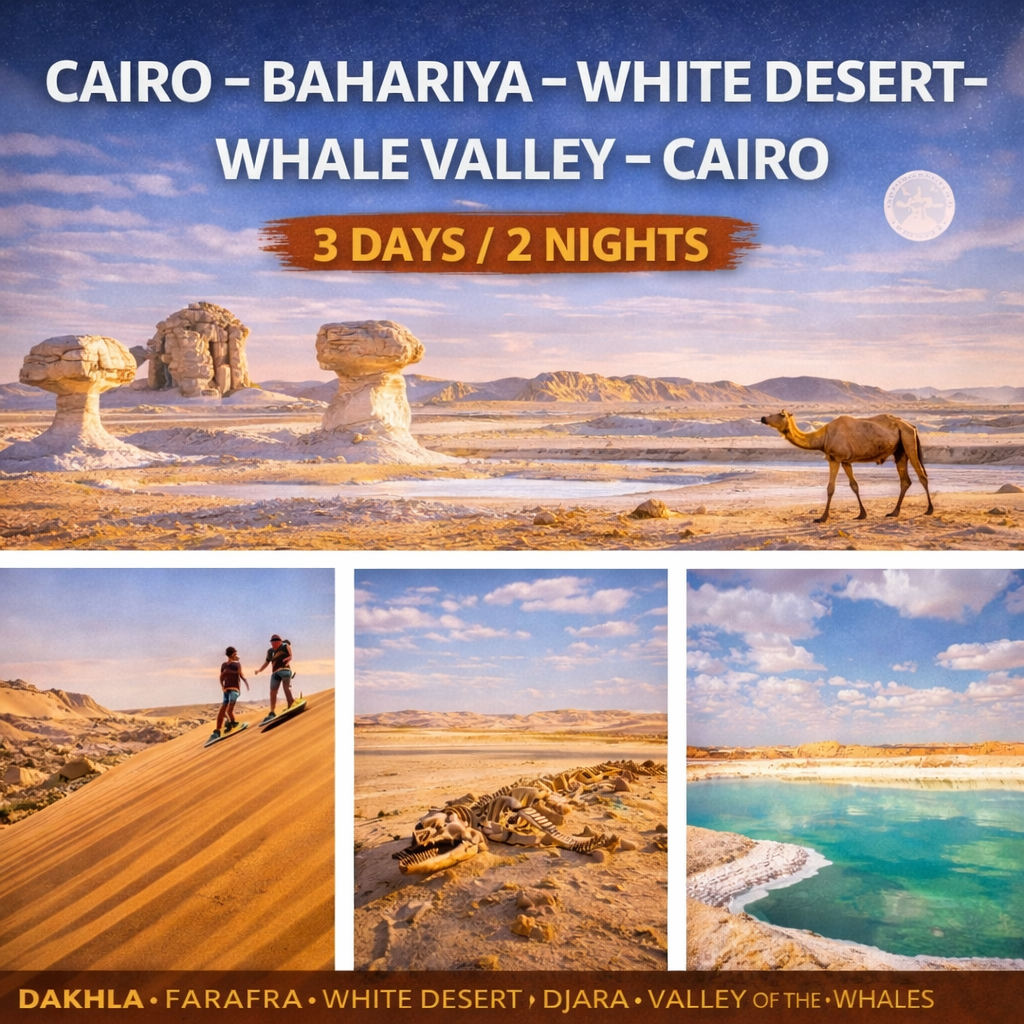
If you can add another day, a 3 Days White Desert Tour from Cairo lets you experience the region at a slower and more comfortable pace.

What Makes the White Desert So Special?

The first thing to understand is that the White Desert does not look like the desert most travelers imagine.

When people picture the Sahara, they usually imagine endless golden sand dunes.

The White Desert is different.

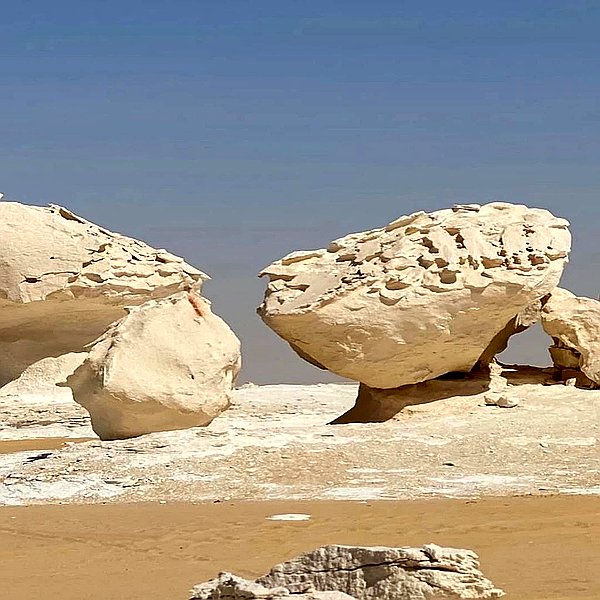
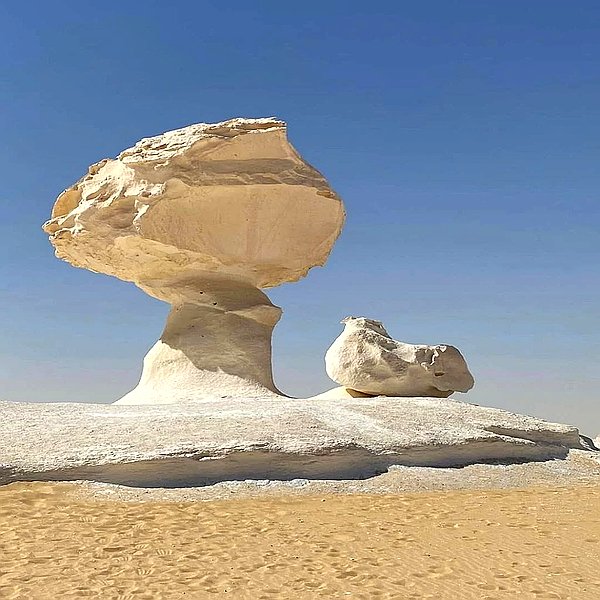
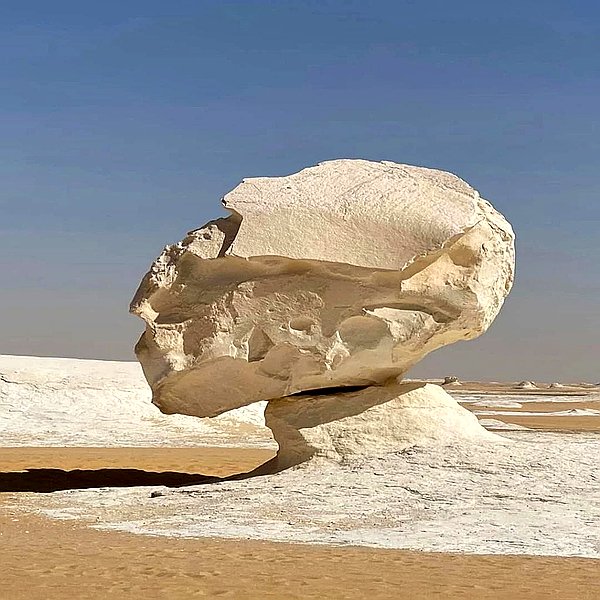
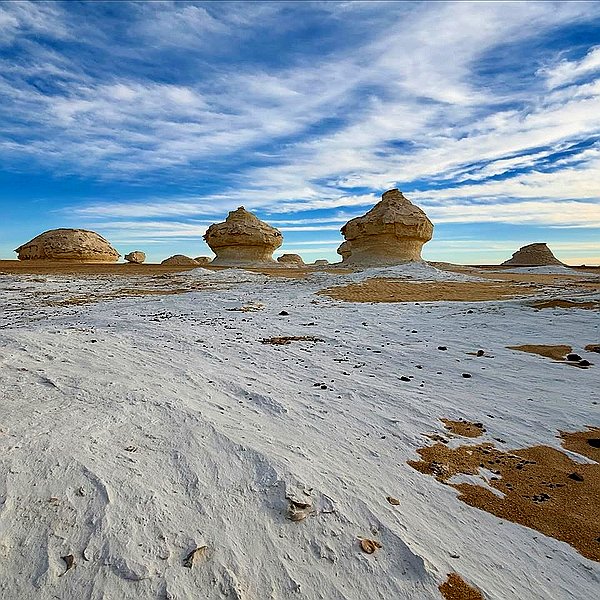
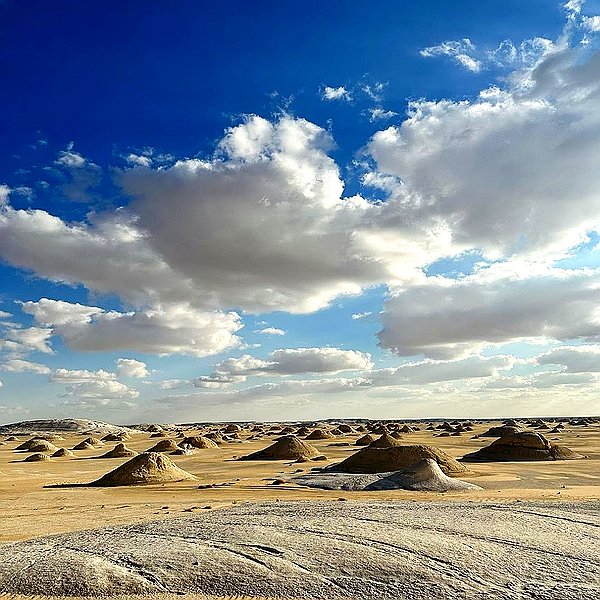
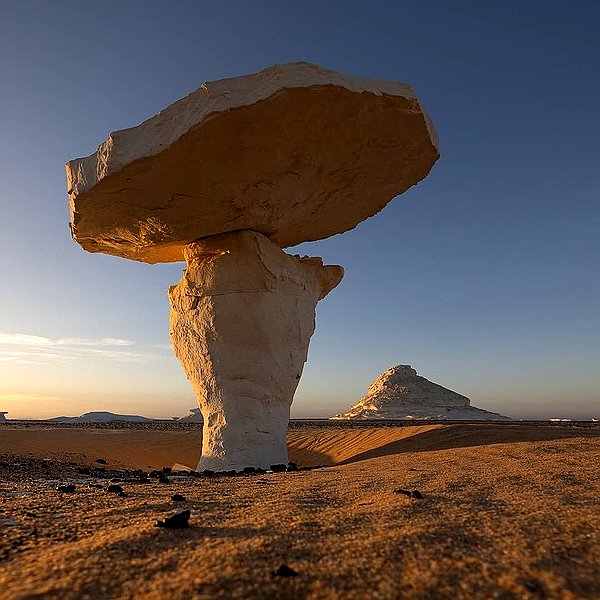
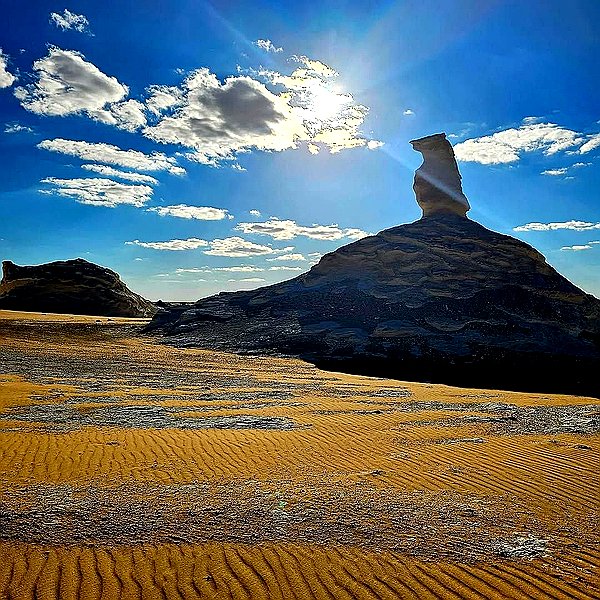
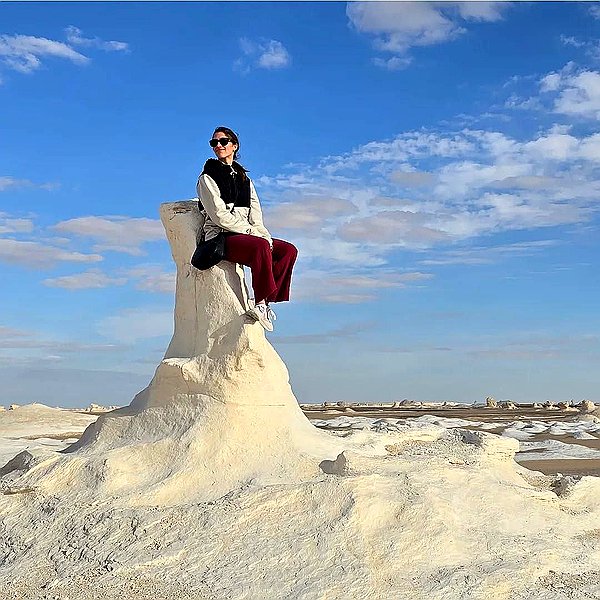
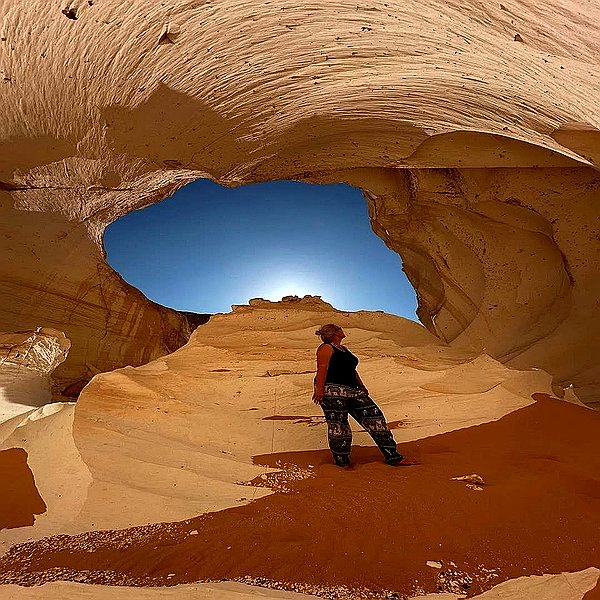
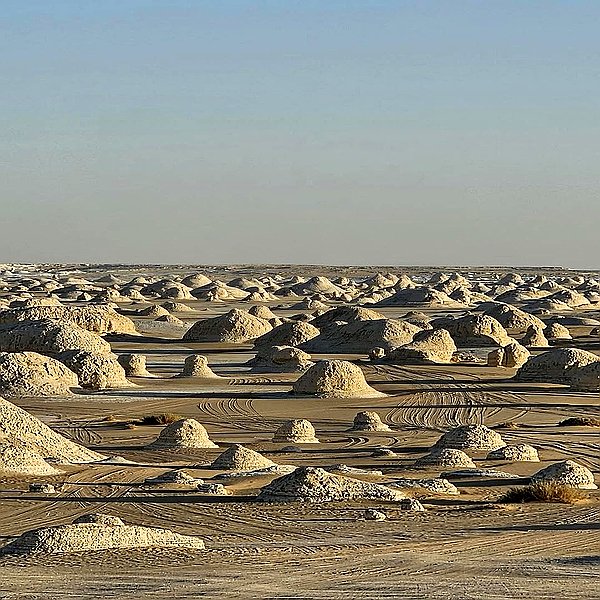
Across parts of the landscape, pale chalk and limestone formations rise from the desert floor in strange natural shapes sculpted by erosion over extremely long periods of time.

Some look like giant mushrooms.

Others resemble towers, animals, waves, ice formations, or completely abstract sculptures.

The shape you see often depends on where you stand.

The result is a landscape that can feel almost otherworldly.

During strong daylight, the formations look bright and sharply defined against the sky.

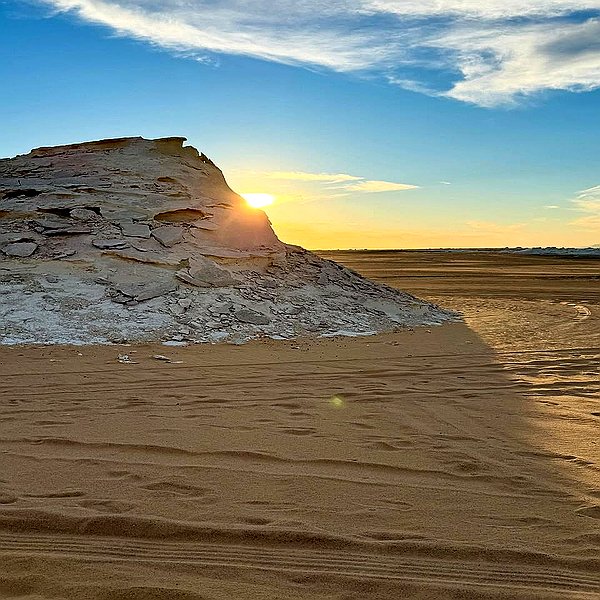
In late afternoon, shadows become longer and the white surfaces develop warmer tones.

At sunset, the landscape can shift through cream, gold, pink, and orange.

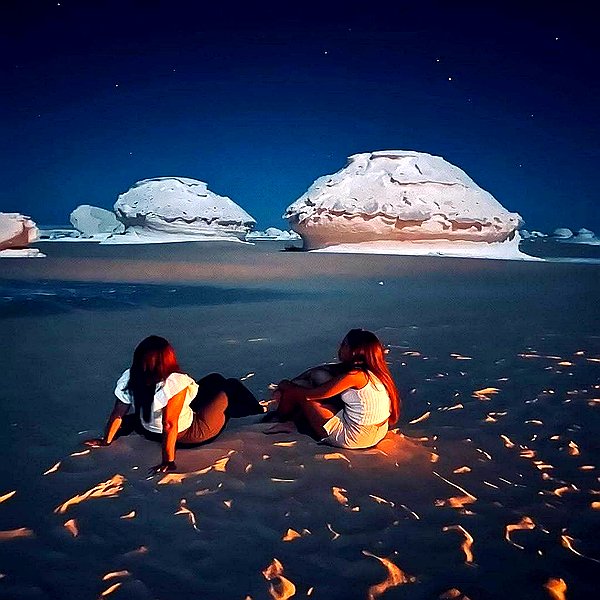
After dark, the same formations become silhouettes beneath the night sky.

Then everything changes again at sunrise.

That constant transformation is one reason the White Desert is not simply a place where you take one photograph and leave.

The experience changes hour by hour.

1. The White Desert Is Worth Visiting for the Landscape Alone

If dramatic natural scenery matters to you, the White Desert is one of the strongest reasons to leave Egypt’s classic tourist route for a few days.

Much of a first trip to Egypt focuses on human achievement.

You visit pyramids built thousands of years ago.

You walk through temples.

You explore tombs.

You visit museums filled with extraordinary historical objects.

The White Desert gives you almost the opposite experience.

There is no enormous monument at the center of the trip.

The landscape itself is the attraction.

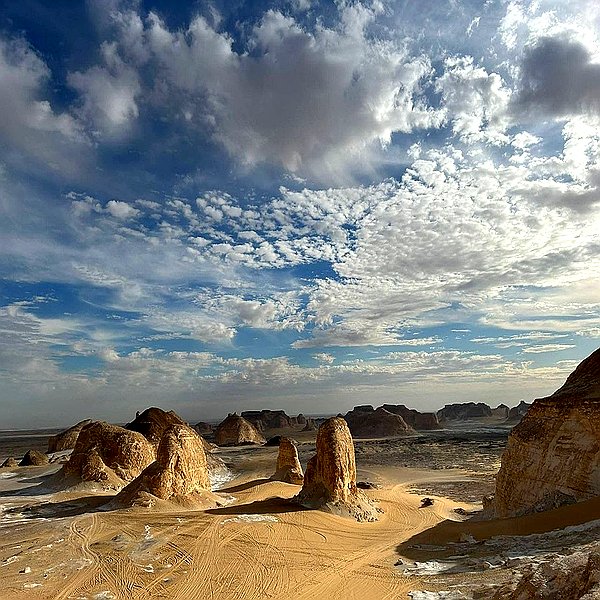
You drive through huge open spaces.

You stop at unusual geological formations.

You watch shadows move across the ground.

You see colors change as the sun becomes lower.

You experience silence in a way that is difficult to find in Cairo.

That contrast can make the desert feel even more powerful when it is included in a wider Egypt itinerary.

If you have already spent several days exploring Cairo or Giza, traveling into the Western Desert can feel like entering a completely different country without actually leaving Egypt.

2. The Route Is Much More Than Just the White Desert

Another reason the journey feels worthwhile is that you do not normally drive directly from Cairo to one group of white formations and then turn around.

The White Desert is part of a wider desert route.

For most travelers arriving from Cairo, Bahariya Oasis acts as the gateway.

After reaching Bahariya, the character of the trip changes.

You move away from normal highway travel and deeper into the desert using a suitable safari vehicle.

Different itineraries vary, but classic routes may include several contrasting landscapes.

The Black Desert provides one of the strongest visual contrasts.

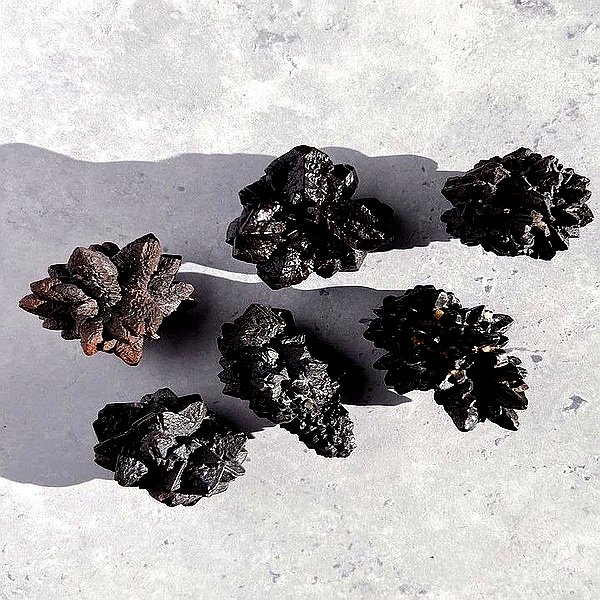
Instead of pale chalk formations, dark volcanic-looking material covers hills and desert surfaces, giving the area an appearance completely different from the White Desert.

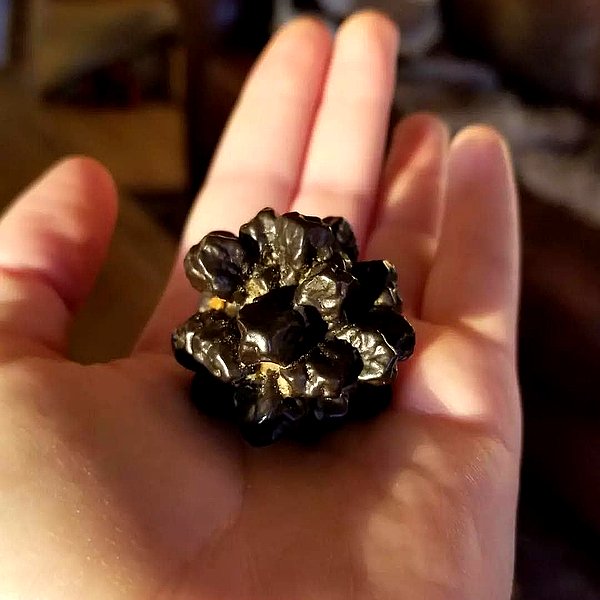
Then there is Crystal Mountain, another well-known geological stop along the route.

You may also experience sand dunes, desert valleys, natural springs, oasis scenery, and dramatically open sections where the road seems to disappear into the horizon.

This variety matters.

If the trip consisted only of several hours driving to one rock formation, it would be harder to justify.

Instead, the route becomes a sequence of changing landscapes.

Cairo → Bahariya Oasis → Black Desert → desert valleys and formations → White Desert → overnight camp → sunrise → return

The journey is part of the attraction.

3. Is the Long Drive from Cairo Worth It?

This is one of the most important questions travelers should ask before booking.

The White Desert is not close to central Cairo.

Reaching Bahariya Oasis typically takes several hours by road, and the White Desert safari continues beyond the oasis.

That makes the journey significantly longer than visiting places such as Giza, Saqqara, or central Cairo attractions.

So yes, you need to accept that part of the trip involves driving.

For the right traveler, however, the drive is worth it because you are not simply traveling to one attraction.

You are transitioning from one environment to another.

The crowded urban landscape gradually disappears.

The road opens.

Towns become less frequent.

The horizon becomes wider.

Then you change vehicles and enter the deeper desert.

That transition adds to the feeling of leaving normal tourism behind.

For travelers with a very short Egypt itinerary, the journey may be too big a commitment.

If you have only four or five days in Egypt and have never seen Cairo, Giza, or Luxor, giving two or three days to the White Desert requires serious consideration.

But if your itinerary is around a week or longer — particularly if you already plan to spend several days in Cairo — the desert becomes much easier to justify.

4. Overnight Camping Is One of the Biggest Reasons It Is Worth Visiting

If you visit the White Desert, stay overnight if your schedule allows it.

Camping changes the experience completely.

During the day, the formations are the main attraction.

At sunset, the desert starts to become quieter.

The temperature changes.

The light softens.

The landscape begins losing its strong daytime colors.

Once camp is prepared and darkness arrives, the trip feels completely different from normal sightseeing.

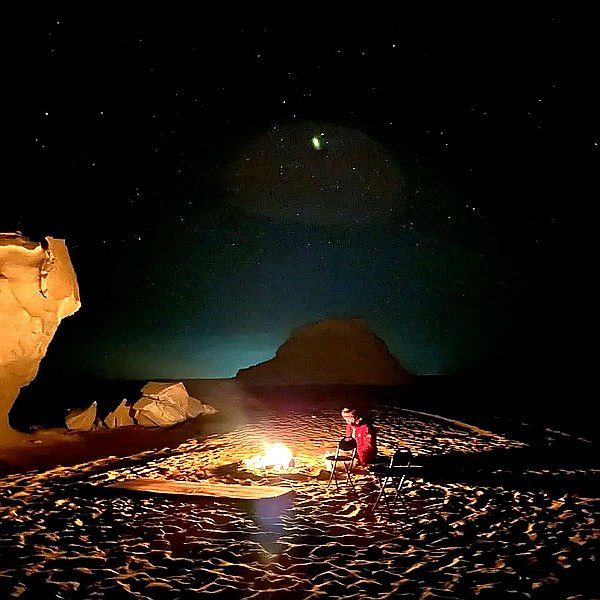
Dinner is usually served in the desert.

Tea may be prepared around camp.

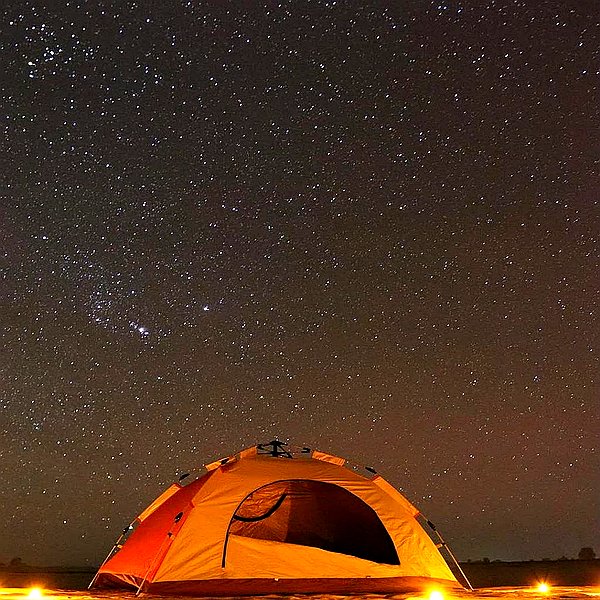
Travelers can sit outside, talk, photograph the stars, or simply enjoy the quiet.

There are no hotel corridors waiting for you.

There is no city outside the window.

You are still inside the landscape you spent the day exploring.

Then you wake up there.

For many visitors, sunrise after sleeping in the desert becomes one of the strongest memories of the entire trip.

That is why trying to see the White Desert as an extremely rushed day trip often removes some of its most valuable experiences:

sunset,

camping,

dinner under the sky,

stargazing,

silence after dark,

and sunrise.

If the overnight experience sounds exciting rather than uncomfortable, the White Desert will probably be very worthwhile for you.

What Is White Desert Camping Actually Like?

It is important to have realistic expectations.

Standard White Desert camping is generally an adventure experience rather than a luxury-hotel experience.

Your tour team handles the major logistics.

Depending on the exact tour, the setup may include tents, mattresses, blankets, meals, water, and other camping equipment.

But you are still camping in a remote desert.

Do not expect a normal hotel bathroom next to your bed.

Do not expect unlimited electricity.

Do not expect fast Wi-Fi.

Do not expect room service at midnight.

That simplicity is part of the experience.

If you already know that you absolutely need a private bathroom, air conditioning, permanent electricity, and hotel-style facilities every night, a standard camping itinerary may not suit you.

On the other hand, if you are willing to exchange one night of hotel comfort for an unforgettable desert environment, the trade-off can be completely worthwhile.

5. The White Desert Is Worth Visiting for Stargazing

The experience does not stop when the sun goes down.

One of the biggest advantages of spending the night far from Cairo is escaping major urban lighting.

How many stars you actually see will always depend on factors such as cloud cover, dust, moon phase, and atmospheric conditions.

But simply being in a remote landscape changes the nighttime experience.

On darker nights, the sky becomes a major attraction.

On brighter moonlit nights, the pale formations themselves can look beautiful under moonlight.

Either way, being outside in the White Desert after dark is very different from returning to a hotel in Cairo after sightseeing.

If stargazing or astrophotography is one of your biggest priorities, consider a longer itinerary rather than a rushed single-night schedule.

More nights give you more opportunities to experience different conditions.

6. The White Desert Is Excellent for Photography

Photographers have several reasons to love this trip.

First, the formations create natural subjects almost everywhere.

Second, the environment changes rapidly according to the light.

Third, the wider route offers several completely different visual styles in one journey.

You can photograph dark hills in the Black Desert, bright mineral formations, dunes, oasis landscapes, 4×4 vehicles moving through open terrain, sunset, campfire scenes, stars, and sunrise.

The White Desert itself works particularly well because it offers both large landscapes and smaller abstract compositions.

Wide-angle photographers can use the formations as foreground subjects beneath enormous skies.

Telephoto photographers can isolate individual formations and compress the layers of the landscape.

Portrait photographers can use travelers or guides to give the formations scale.

Night photographers can combine tents, vehicles, campfires, stars, and rock formations.

If photography is the main reason for your trip, avoid building an itinerary where every stop has to be rushed.

A 3 Days White Desert Tour from Cairo gives you more flexibility than the fastest possible itinerary.

For photographers who want an even slower journey, the 4 Days White Desert Tour from Cairo may be more rewarding.

7. Silence and Open Space Are Part of the Experience

This benefit is difficult to describe until you experience it.

Cairo is intense.

That is part of what makes the city exciting.

Cars, people, sounds, street life, restaurants, markets, attractions, lights, and constant movement are everywhere.

The desert gives you the opposite.

Space.

Silence.

Distance.

An empty horizon.

You suddenly have very little demanding your attention.

For some travelers, that becomes more memorable than any individual rock formation.

You can sit near camp with tea.

Watch the color disappear from the landscape.

Walk a short distance where your guide says it is appropriate.

Look at the stars.

Wake before sunrise and see almost nothing moving around you.

Travel is not always about how many attractions you can tick off a list.

Sometimes the strongest part is simply being somewhere that feels completely removed from normal life.

8. Is the White Desert Worth Visiting on a First Trip to Egypt?

Yes — if your itinerary is long enough.

A first-time visitor to Egypt naturally wants to see the country’s major historical highlights.

That usually means places such as Cairo, Giza, Luxor, Aswan, Abu Simbel, or a Nile cruise.

Those destinations should not automatically be sacrificed just because the White Desert looks beautiful on Instagram.

But once your trip gives you enough time to include both history and nature, the desert becomes extremely valuable.

Why?

Because it adds contrast.

Imagine an itinerary where you spend several days exploring pyramids, museums, tombs, temples, and ancient cities.

Then you leave Cairo behind and spend a night surrounded by chalk formations beneath the stars.

The White Desert does not compete with Egypt’s ancient history.

It complements it.

For many travelers, that contrast makes the entire Egypt trip feel richer.

9. How Many Days Do You Need for the White Desert?

Two Days: Worth It for Travelers with Limited Time

Two days is the minimum we would recommend for most first-time visitors traveling from Cairo.

A well-planned White Desert Tour from Cairo can include the major safari route, sunset, one camping night, stars, sunrise, and the return journey.

The main advantage is efficiency.

You experience the highlights without using too many days of your Egypt itinerary.

The disadvantage is pace.

Because the Cairo–Bahariya journey already takes several hours, the first day needs to fit a lot into a limited window.

Choose 2 days if: you have limited time, want one camping night, and mainly want the classic highlights.

Three Days: Best Overall Choice for Many Travelers

For travelers who can spare the extra day, three days often feels significantly more relaxed.

You have more breathing room.

Depending on the specific itinerary, you may spend additional time around Bahariya or deeper in the desert.

Photography becomes easier.

The road journey feels less dominant.

You have more time to enjoy locations rather than thinking constantly about the next transfer.

That is why the 3 Days White Desert Tour from Cairo is such a strong option for first-time visitors.

Choose 3 days if: you want the best combination of sightseeing, comfort, photography, and desert atmosphere.

Four Days: Worth It for Slow Travel and Serious Desert Lovers

Four days begins to change the trip from a quick safari into a more immersive desert journey.

The extra time is particularly useful if you enjoy photography, outdoor travel, slower pacing, or multiple nights away from cities.

The 4 Days White Desert Tour from Cairo is better suited to travelers who genuinely want the desert itself to become a major part of their Egypt itinerary.

Choose 4 days if: you enjoy slow travel, want more time in the landscape, or consider photography and camping major priorities.

10. Is the White Desert Worth Visiting If You Do Not Like Camping?

Possibly.

You need to separate two questions:

Do I dislike camping?

and

Am I willing to camp for one night to experience somewhere extraordinary?

Many travelers who would never plan a normal camping holiday still enjoy one night in the White Desert because the camping is attached to the destination.

You are not camping because you simply wanted to sleep in a tent.

You are camping because sleeping in the desert lets you experience sunset, night, stars, silence, and sunrise.

If one simple night sounds manageable, the experience may still be worth it.

If you strongly dislike basic facilities and know you will spend the entire night feeling uncomfortable or anxious, choose your itinerary more carefully.

A longer trip does not necessarily mean more comfort if it adds additional camping nights.

Ask exactly what accommodation is included before booking.

11. Is the White Desert Worth Visiting for Couples?

Yes.

The White Desert can be surprisingly romantic.

Not in the traditional luxury-resort sense.

Its romantic side comes from privacy, scenery, sunset, campfire evenings, stars, and experiencing somewhere unusual together.

Private tours are particularly attractive for couples because you have greater control over your pace and do not need to share every stop with a larger group.

Sunset among the formations followed by dinner and a quiet night under the sky can become one of the most personal experiences of an Egypt trip.

If you and your partner both enjoy unusual destinations and do not require luxury hotel facilities every evening, the White Desert is a strong choice.

12. Is It Worth Visiting for Solo Travelers?

It can be excellent for solo travelers when organized properly.

One advantage of a guided desert trip is that you do not need to navigate the environment independently.

The driver and guide manage the route and major logistics.

That allows solo travelers to focus on the experience instead of trying to arrange desert transport, camping, navigation, and permits themselves.

Private tours offer maximum flexibility but usually cost more per person.

Shared arrangements may be more economical when available.

Either way, the White Desert can add a strong adventure element to a solo Egypt itinerary without requiring you to plan an independent expedition into the Western Desert.

13. Is the White Desert Worth Visiting for Families?

That depends heavily on the family.

Children who enjoy road trips, camping, nature, sand, outdoor exploration, and unusual landscapes may find the White Desert exciting.

Families who need constant facilities, entertainment, easy bathrooms, short driving times, and hotel-level comfort may find it more difficult.

Age also matters.

So does your child’s previous experience with long car journeys and outdoor travel.

For families, choose a standard guided itinerary rather than automatically selecting the most adventurous trekking or multi-night camping option.

The right pace matters more than trying to see every possible location.

14. Who Might NOT Find the White Desert Worth It?

The White Desert is extraordinary, but good travel advice should be honest.

You may want to skip it if you:

  • strongly dislike long road journeys;
  • require luxury-hotel facilities every night;
  • have no interest in scenery, geology, photography, or outdoor experiences;
  • are uncomfortable with remote environments;
  • have an extremely short first visit to Egypt;
  • hate camping and do not want even one simple desert night;
  • prefer fast city sightseeing to slow landscape experiences.

There is nothing wrong with that.

A destination can be amazing and still not be the right destination for every traveler.

If your perfect holiday is a combination of museums, historical sites, luxury hotels, restaurants, nightlife, and resorts, giving two or three days to a remote desert safari may not be the best use of your time.

But if even part of the description makes you think, “That sounds incredible,” the White Desert is probably worth serious consideration.

15. White Desert vs Siwa Oasis vs Fayoum: Which Is More Worth It?

This is another common decision for travelers who have limited time.

The destinations are different enough that there is no universal winner.

Choose the White Desert if you want:

surreal chalk landscapes, an immersive 4×4 safari, desert camping, dramatic geological scenery, stargazing, and a compact two-to-four-day wilderness adventure.

Choose Siwa Oasis if you want:

an oasis town, local culture, salt lakes, palm groves, historical places, hot springs, and safari experiences in the Great Sand Sea.

Choose Fayoum if you want:

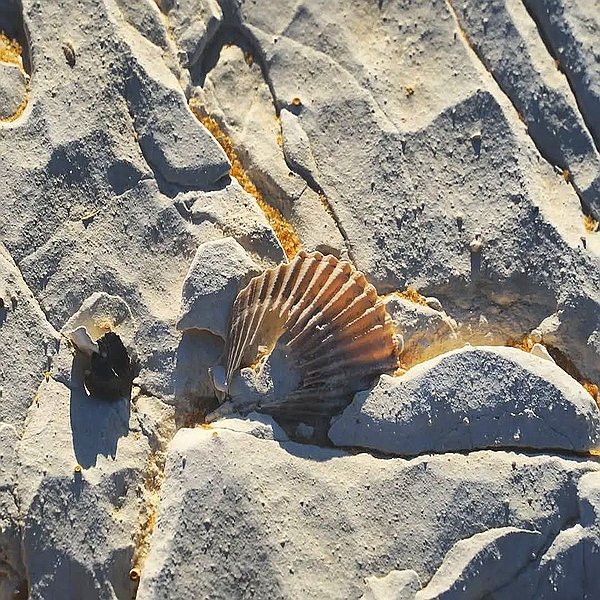
a shorter escape from Cairo, lakes, waterfalls, dunes, pottery villages, fossils, and a desert experience that requires less travel time.

For a traveler with only one free day, Fayoum may be more practical.

For someone who wants an oasis destination with culture and several days of exploration, Siwa may be better.

For travelers who want one of Egypt’s most surreal landscapes and an unforgettable night in the desert, the White Desert is usually the strongest choice.

16. What Is the Best Time to Visit the White Desert?

For most travelers, the cooler part of the year is the easiest time to enjoy the White Desert.

October through April is generally the most comfortable travel period for outdoor exploration and camping.

Autumn and spring offer good conditions for travelers who want comfortable days without the coldest winter nights.

Winter can be excellent for daytime safari activities, but do not assume the desert stays warm after sunset simply because you are in Egypt.

Nights can feel cold.

Layers matter.

A jacket matters.

Closed shoes matter.

Warm sleeping equipment matters.

Summer desert travel can be much more demanding because strong daytime heat makes outdoor activities less comfortable.

If your travel dates are flexible, cooler months usually create the easiest first White Desert experience.

17. Is the White Desert Safe to Visit?

The White Desert is a remote desert environment, so safety depends heavily on planning.

It should not be approached like a normal self-drive attraction beside a major city.

Use an experienced official guide or properly organized desert operator.

Travel in a suitable vehicle.

Confirm current permit and access requirements.

Follow your guide’s instructions.

Carry personal medication and important essentials.

Understand that mobile coverage and medical facilities become limited once you travel deeper into remote areas.

Travel rules and official advice can change, so check current information before departure rather than relying on an old blog post.

The key point is simple:

Remote does not mean you should be afraid of the White Desert, but it does mean you should take the logistics seriously.

A professional guided trip removes much of the uncertainty for first-time visitors.

18. How Much Does Visiting the White Desert Cost?

There is no meaningful single price that applies to every White Desert trip.

The cost depends on factors such as:

  • number of travelers;
  • private or shared format;
  • trip duration;
  • number of camping nights;
  • hotel accommodation;
  • safari route;
  • vehicle requirements;
  • included meals;
  • season;
  • additional destinations;
  • customization.

A private trip for one traveler naturally has a very different per-person cost from a private trip for four people sharing the same vehicle.

A two-day safari also cannot be compared directly with a four-day expedition.

So instead of choosing the cheapest headline price, compare exactly what is included.

Look at transportation, desert vehicle, guide, camping equipment, meals, drinking water, hotel nights where relevant, permits or entrance arrangements, and pickup/drop-off details.

The cheapest trip is not automatically the best value.

A better question is:

Does the itinerary give you enough time to experience the White Desert properly?

19. How to Make Your White Desert Trip More Worth It

A few decisions can dramatically improve the experience.

First, do not rush it unnecessarily.

If you only have two days, a two-day itinerary can work very well.

But if you have three days, do not automatically choose two just to save a small amount of time or money.

Second, stay overnight.

Removing the night removes sunset, stars, camp atmosphere, and sunrise from the full experience.

Third, choose the right season.

Comfort strongly affects how much you enjoy desert travel.

Fourth, pack for temperature changes rather than only daytime heat.

Bring sun protection, comfortable shoes, layers for nighttime, basic toiletries, personal medication, and a power bank.

Fifth, understand the itinerary before booking.

Ask where you sleep.

Ask how many camping nights are included.

Ask what meals and equipment are provided.

Ask whether the trip is private or shared.

Ask what the route includes.

The goal is not simply to say you “visited the White Desert.”

The goal is to experience it properly.

20. What Can You Actually Do in the White Desert?

The White Desert is more experience-based than attraction-based.

Depending on your route and tour style, your trip may include:

  • 4×4 desert safari driving;
  • exploring chalk formations;
  • walking short sections of the landscape;
  • Black Desert viewpoints;
  • Crystal Mountain;
  • desert valleys;
  • sand dunes;
  • photography;
  • sunset watching;
  • sandboarding where conditions and routes allow;
  • campfire evenings;
  • desert dinner;
  • stargazing;
  • sunrise;
  • oasis stops;
  • natural spring stops depending on the itinerary.

More adventurous travelers can go further.

Instead of a classic safari, you can choose a 4 Days White Desert Trekking Expedition if you want to spend more time moving through the landscape on foot.

A longer expedition turns the desert from a sequence of safari stops into the main environment of the journey.

21. Is a 2-Day White Desert Tour Really Enough?

Yes — if two days is what your itinerary allows.

A two-day tour gives first-time travelers the core experience.

You travel from Cairo toward Bahariya.

Enter the deeper desert safari route.

Visit major scenic stops.

Reach the White Desert.

Watch sunset.

Camp.

Experience the night sky.

Wake for sunrise.

Then begin the return journey.

That is enough to understand why the White Desert is special.

The limitation is not that you “miss everything.”

The limitation is that you experience everything at a faster pace.

If your Egypt itinerary is already full, the White Desert Tour from Cairo is still very worthwhile.

22. Is 3 Days Better Than 2 Days?

For many travelers, yes.

The biggest difference is not simply “one additional day.”

It is the pace.

With three days, the long journey from Cairo takes up a smaller percentage of your total trip.

You have more time for the oasis and the desert.

Photography becomes easier.

Stops can feel less rushed.

You have more time to absorb the atmosphere rather than constantly preparing to move again.

If you are already traveling a long way internationally to visit Egypt, adding one extra day can make the White Desert portion of your trip feel much more complete.

That is why the 3 Days White Desert Tour from Cairo is our strongest general recommendation for travelers who have enough time.

23. Is 4 Days Too Long?

Not if you genuinely like the desert.

If your main goal is simply to see the famous white formations and take several photographs, four days may be more than you need.

But if the desert itself is part of the reason you are traveling to Egypt, four days provides a very different experience.

You stop treating the destination as a side trip from Cairo.

You begin traveling at desert pace.

There is more room for photography.

More opportunities to watch changing light.

More time outdoors.

Less pressure to squeeze every important stop into one afternoon.

The 4 Days White Desert Tour from Cairo is particularly worthwhile for nature lovers, photographers, and travelers who enjoy slow adventure travel.

24. Is the White Desert Overrated?

For the right traveler, no.

But expectations matter.

If you arrive expecting luxury glamping, constant entertainment, major archaeological monuments, and attractions every few minutes, the experience may feel different from what you imagined.

The White Desert is powerful because of what it does not have.

Less noise.

Less infrastructure.

Less artificial lighting.

Less crowding.

Less distraction.

Its appeal comes from landscape, atmosphere, scale, silence, and the feeling of spending time somewhere genuinely remote.

That is not everyone’s definition of a great trip.

But for travelers who value those things, calling it overrated would be difficult.

25. Is the White Desert Worth the Money?

It can be excellent value when you consider what a properly organized tour includes.

You are not simply buying admission to a single attraction.

A desert journey may involve road transportation, 4×4 safari vehicle, experienced driver, guide, meals, water, camping equipment, accommodation where relevant, route logistics, and many hours of travel across several different landscapes.

The value becomes even stronger when you compare the experience with a normal sightseeing excursion.

A conventional city tour ends in a few hours.

A White Desert trip becomes a complete travel experience stretching from Cairo through an oasis into the desert, through sunset and night, and into the next morning.

If you enjoy that style of travel, the memories often justify the cost much more than simply adding another standard sightseeing day.

26. Does the White Desert Belong in a 7–10 Day Egypt Itinerary?

If you have around seven days, adding the White Desert depends on your priorities.

A first-time visitor trying to see Cairo, Luxor, Aswan, Abu Simbel, the Red Sea, and the White Desert in one week will probably create an itinerary that feels too rushed.

If your trip is closer to ten days or longer, the decision becomes easier.

You can experience Egypt’s major historical highlights and still reserve two or three days for the desert.

For many travelers, that is the ideal combination.

History + culture + desert landscape.

Instead of returning home with only one image of Egypt, you experience several completely different sides of the country.

Travelers with more time can even combine multiple desert regions.

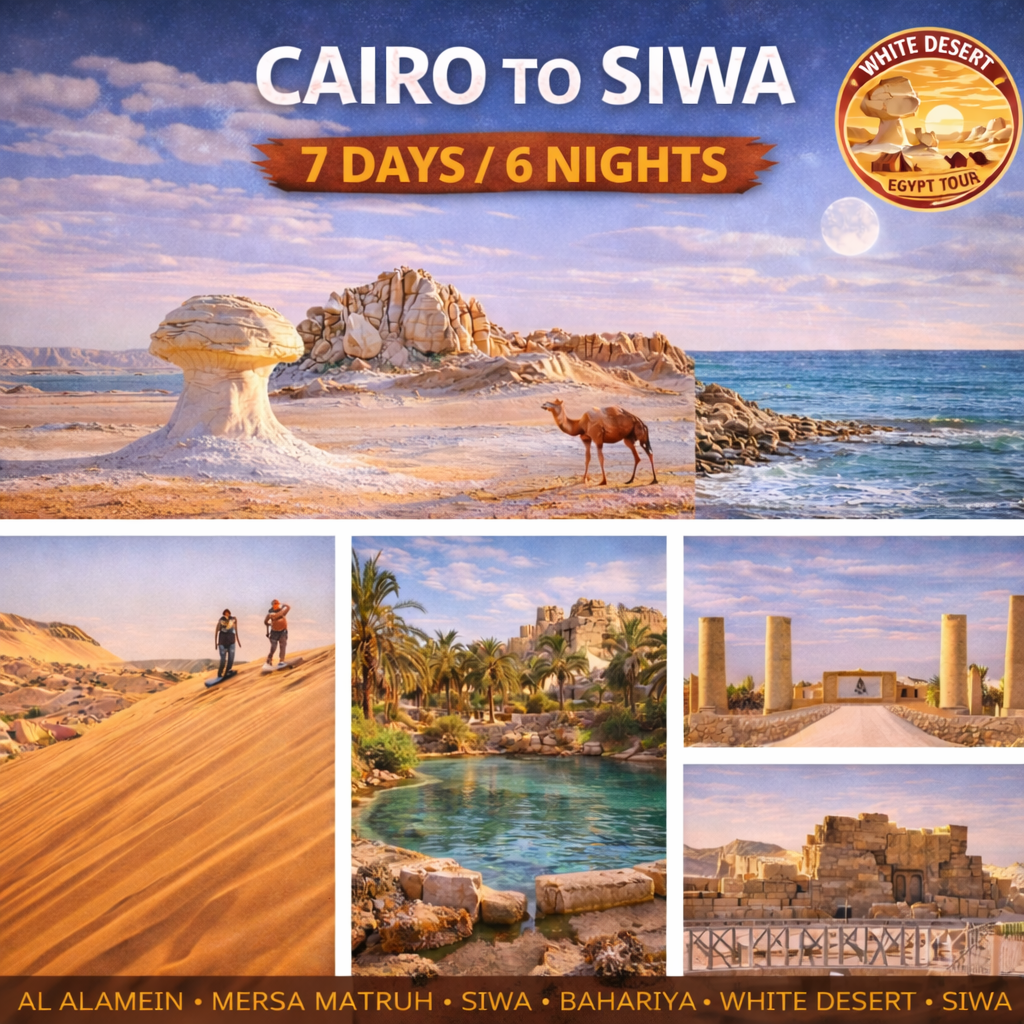
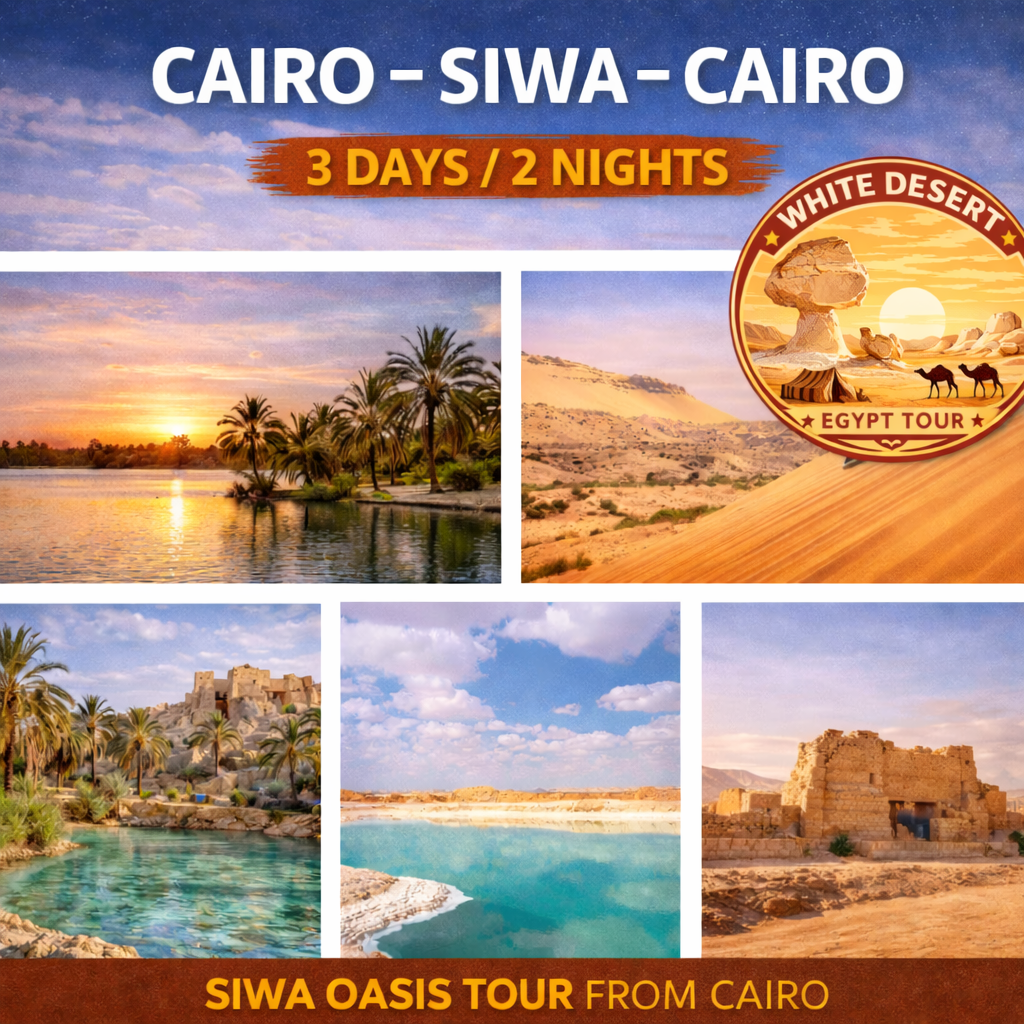
For example, a 7 Days Siwa & White Desert Tour from Cairo transforms the journey into a much larger Western Desert adventure.

Final Verdict: Is the White Desert Worth Visiting?

Yes — for most travelers interested in nature, photography, adventure, camping, and unusual landscapes, the White Desert is absolutely worth visiting.

It gives you an Egypt experience that is completely different from the country’s most famous attractions.

You leave the city.

Travel through Bahariya Oasis.

Cross changing desert environments.

Explore dark hills and unusual geological formations.

Reach the White Desert.

Watch sunset.

Eat in camp.

See the night sky.

Sleep in the desert.

Wake for sunrise.

And return to Cairo having experienced a side of Egypt many visitors never see.

The main trade-off is time.

A White Desert trip requires a real commitment because the journey from Cairo is long and the environment is remote.

But that distance is also part of what makes the experience meaningful.

If you only have a few days in Egypt and still need to see your highest-priority historical sites, save the desert for another trip.

If you have enough time and want something beyond the classic tourist route, go.

For travelers with limited time, the White Desert Tour from Cairo gives you the essential 2-day experience.

For the best all-round balance, consider the 3 Days White Desert Tour from Cairo.

For slower exploration, photography, and more time in the desert, choose the 4 Days White Desert Tour from Cairo.

You can also explore all our Egypt desert tours or contact us if you are unsure which itinerary fits your dates, group size, budget, and travel style.

White Desert Egypt Tour TripAdvisor reviews

star rating3 Day and 2 Nights of Fun and Knowledge - This was one of the best experiences of my life. Our guides, Anas and Kareem, were so kind, helpful, and fun. From the food, sites, and experience everything was ABSOLUTELY... read more

avatar thumb jakewP7022KT
October 15, 2026

star ratingAn Unforgettable Experience in the White and Black Desert and the Bahariya Oasis. - I had an amazing and truly memorable tour with White Desert Egypt Tour. At first, I felt a little hesitant and worried because I was traveling alone. However, after booking... read more

avatar thumb bryces9166
August 9, 2026

star ratingNice and Relax - Nice and relaxed desert trip, mohammed is a great tours guide and knows a lot, the private tours is something i recommend, because it gives a good and relax experience,... read more

avatar thumb Laurens G
October 13, 2026
Visiting the White Desert FAQ

Frequently Asked Questions About Visiting the White Desert

Everything you need to know before visiting Egypt’s White Desert, including camping, safety, photography, trip duration, the best time to visit, family travel and choosing the right desert itinerary.

Yes. The White Desert is especially worth visiting for travelers who enjoy extraordinary natural landscapes, camping, photography, stargazing, 4×4 safaris, and outdoor adventure. It gives visitors a completely different experience from Egypt's historical cities and archaeological attractions.

Two days is enough for the classic highlights and one camping night. Three days is better for travelers who want a slower and more balanced first experience. Four days works particularly well for photographers, nature lovers, and travelers who want deeper desert exploration.

A same-day trip is possible only with a very demanding schedule and is not the best way to experience the destination. The journey to Bahariya already requires several hours, and the deeper safari continues beyond the oasis. An overnight trip allows you to experience sunset, camping, stars, and sunrise.

Yes. For many visitors, camping is the highlight of the journey. Staying overnight gives you sunset, the camp atmosphere, dinner in the desert, stargazing, silence after dark, and sunrise. Those experiences cannot be reproduced properly on a rushed daytime visit.

It can still be worth visiting if you are comfortable with one simple camping night. Travelers who require hotel facilities every night should choose their itinerary carefully and confirm the accommodation arrangements before booking.

For most travelers, October through April offers more comfortable conditions for desert exploration and camping. Winter days can be pleasant, but nights may feel cold, so warm layers are important. Summer travel is usually more demanding because of higher daytime temperatures.

The White Desert can be visited safely when the trip is properly organized with an experienced official guide or professional desert operator, suitable transport, correct permits, and realistic preparation. Because it is a remote environment, travelers should not treat it like a normal self-drive city attraction.

Yes. It is one of Egypt's most distinctive natural photography destinations. Chalk formations, Black Desert landscapes, dunes, sunset, campfire scenes, stars, and sunrise provide very different photographic opportunities during the same journey.

Yes. Couples often enjoy the combination of remote scenery, sunset, privacy, camping, stars, and adventure. A private safari can make the trip even more flexible and personal.

Yes, especially when traveling through an organized guided tour. Solo travelers can choose private trips or ask about shared departures depending on budget and availability.

It can be, particularly for families who enjoy road trips, outdoor experiences, nature, and camping. Parents should consider children's ages, tolerance for long drives, temperature changes, and comfort with basic desert facilities before booking.

Neither destination is automatically better. The White Desert is stronger for surreal geology, camping, short safari itineraries, and wilderness scenery. Siwa is stronger for oasis culture, salt lakes, local life, historical attractions, and Great Sand Sea experiences.

The White Desert provides a more remote and immersive desert safari but requires significantly more travel time. Fayoum is easier to visit from Cairo on a shorter schedule. Choose Fayoum for convenience and the White Desert for a deeper wilderness experience.

Bring comfortable closed shoes, sun protection, sunglasses, a hat or scarf, warm nighttime layers, personal medication, basic toiletries, a power bank, and a small overnight bag. Ask your tour operator what camping equipment is included before departure.

Yes, travelers should visit the White Desert through properly organized desert travel with an experienced official guide and suitable vehicle. Current access and permit requirements should always be confirmed before the journey.

Yes. A two-day tour is a good choice for travelers with limited time because it includes the main safari route and one overnight experience. The main disadvantage is that the schedule is faster than a three-day trip.

For many travelers, three days is the best overall choice. The additional time reduces the feeling of rushing, gives you more time around Bahariya and the desert, and improves photography and sightseeing opportunities.

Not for travelers who enjoy nature, camping, photography, trekking, or slower travel. Four days may be unnecessary if you only want to see the famous formations, but it can be excellent for travelers who want the desert itself to become a major part of their Egypt experience.

For most nature and adventure travelers, yes. The journey is long, but the destination offers landscapes and experiences that are completely different from Cairo. The route itself also includes Bahariya Oasis and several desert attractions, so the journey is much more than transportation between two points.

Yes, provided your trip is long enough. If you only have four or five days and have never visited Egypt before, prioritize the historical attractions that matter most to you. With a longer itinerary, adding the White Desert creates an excellent contrast with Cairo, Giza, Luxor, and the Nile Valley.

Travelers with limited time should consider a 2-day tour with one camping night. For most first-time visitors who have enough time, a 3-day itinerary provides the strongest balance between travel time, comfort, photography, oasis exploration, and desert experience.

Leave a Comment

Your email address will not be published. Required fields are marked *