Mountain of the Dead Siwa Oasis: Tombs, History & Complete Visitor Guide

Mountain of the Dead Siwa Oasis: Tombs, History & Complete Visitor Guide

The Mountain of the Dead in Siwa Oasis, known locally as Gebel Al-Mawta, is one of the most fascinating archaeological sites in Egypt’s Western Desert.

From a distance, it looks like a low rocky hill rising above Siwa’s palms and settlements.

Walk closer, however, and the landscape begins to reveal something very different.

The slopes are filled with rock-cut entrances.

Behind them are ancient burial chambers, painted tombs, inscriptions, funerary scenes, and evidence of centuries of burial activity.

According to Egypt’s Ministry of Tourism and Antiquities, the Mountain of the Dead contains thousands of tombs carved into the rock and served as the principal cemetery of Siwa Oasis in antiquity. The earliest known tombs date to Egypt’s 26th Dynasty, while burials continued through later periods into the Roman and Byzantine eras.

This makes Gebel Al-Mawta much more than another viewpoint.

It is a place where Egyptian religion, oasis history, Greco-Roman influence, funerary art, and the geography of Siwa come together on one small hill.

For travelers visiting Siwa for the first time, it also works particularly well because it does not require an entire day.

You can explore several important tombs, enjoy panoramic views across the oasis, and then continue toward the Temple of the Oracle, Cleopatra’s Spring, salt lakes, or Shali Fortress.

If you’re planning your wider trip, start with our Siwa Oasis Egypt Guide and our guide to the best things to do in Siwa Oasis.

Quick Guide to the Mountain of the Dead

The Mountain of the Dead is an ancient necropolis approximately 2 kilometers from Siwa Oasis, according to Egypt’s Ministry of Tourism and Antiquities.

The essentials:

  • Arabic name: Gebel Al-Mawta / Jabal Al-Mawta
  • Meaning: Mountain of the Dead
  • Location: Siwa Oasis, Matrouh Governorate
  • Famous for: Rock-cut tombs and painted burial chambers
  • Earliest major burial period: 26th Dynasty
  • Later use: Continued into Roman and Byzantine periods
  • Major tombs: Si Amun, Crocodile Tomb, Mesu-Isis, and Pa-Thoth
  • Best for: History, archaeology, photography, and panoramic Siwa views
  • Time needed: Usually around 1–2 hours for most visitors
  • Official current opening hours: 8:00 AM–5:00 PM, with last entry one hour before closing; Ramadan hours are listed separately by the ministry.

Because opening hours and ticket arrangements can change, check the current Ministry of Tourism and Antiquities information shortly before your visit.

What Is the Mountain of the Dead?

Gebel Al-Mawta is essentially a large ancient cemetery carved directly into a hill.

Rather than building monumental stone tombs like those associated with the Valley of the Kings, many Siwan burials were cut into the soft rock of the hill.

From outside, some tomb entrances appear surprisingly modest.

Step inside, and the story changes.

Selected tombs contain:

  • Painted walls
  • Egyptian gods
  • Funerary rituals
  • Hieroglyphic or related inscriptions
  • Images of the deceased
  • Religious symbolism
  • Architectural details carved into rock

The hill’s importance came partly from its role as the principal necropolis serving ancient Siwa.

Egypt’s Ministry of Tourism and Antiquities identifies four especially important painted tombs: Pa-Thoth, Mesu-Isis, the Crocodile Tomb, and Si Amun.

Among them, the Tomb of Si Amun is regarded as the artistic highlight.

Why Is It Called the Mountain of the Dead?

The name is fairly literal.

For centuries, the hill was used as a burial place.

Its slopes contain large numbers of chambers carved directly into the rock, creating what is essentially an entire cemetery inside the mountain.

From modern Siwa, the hill looks dry and almost plain.

Knowing that thousands of burial spaces lie within it completely changes the experience.

It also reminds visitors that Siwa was not historically isolated from wider Egyptian religious traditions.

The oasis developed its own distinctive culture, but ancient residents still participated in larger beliefs about death, resurrection, divine protection, and the afterlife.

Those beliefs appear vividly in the painted tombs.

How Old Is the Mountain of the Dead?

The cemetery was used across a long span of history.

The Ministry of Tourism and Antiquities states that the earliest tombs at Gebel Al-Mawta date to the 26th Dynasty, while burial activity continued through the later Roman period and into the Byzantine era.

The 26th Dynasty, sometimes called the Saite Period, belonged to the Late Period of ancient Egyptian history.

This long usage is important.

The Mountain of the Dead is not one tomb built by one ruler.

It represents generations of burial activity.

That means different tombs can show different artistic styles and cultural influences.

Some are strongly Egyptian in their religious imagery.

Others reflect broader Greco-Roman cultural interaction.

That mixture is one reason the site is so fascinating.

The Tomb of Si Amun

If you only remember one name from Gebel Al-Mawta, make it Si Amun.

The Ministry of Tourism and Antiquities describes the Tomb of Si Amun as the finest of the site’s major painted tombs and emphasizes its complete scenes relating to ancient Egyptian beliefs in resurrection and immortality.

Its wall paintings are particularly striking because they show how artistic traditions evolved in this remote oasis environment.

The decoration combines Egyptian religious imagery with stylistic influences associated with the broader Mediterranean world.

This reflects the cultural environment of Siwa during later periods of Egyptian history.

For visitors who have already explored tombs around Luxor, Si Amun offers an interesting contrast.

It is much smaller.

The setting is completely different.

And its mixture of local and wider artistic traditions gives the chamber a distinctive identity.

Why Is the Tomb of Si Amun Important?

The Tomb of Si Amun matters because it preserves one of the best examples of painted funerary art in Egypt’s Western Desert.

Unlike grand royal tombs created for pharaohs, this chamber gives insight into the beliefs and identity of an elite individual living far from the Nile Valley.

The scenes emphasize ideas familiar from ancient Egyptian religion:

  • The afterlife
  • Protection by gods
  • Renewal
  • Resurrection
  • Eternal existence

These themes remind travelers that Siwa’s isolation did not place it outside Egyptian religious culture.

Instead, Siwa absorbed and adapted traditions while maintaining its own oasis identity.

The Crocodile Tomb

Another famous burial at Gebel Al-Mawta is commonly called the Crocodile Tomb.

Its name comes from painted imagery associated with a crocodile figure.

The tomb is especially interesting because the true identity of its owner remains less clear than that of Si Amun.

For travelers, this creates a different kind of archaeological experience.

Instead of visiting a monument whose entire history is neatly explained, you are looking at evidence where some questions remain unresolved.

That uncertainty is part of archaeology.

Not every tomb comes with a complete biography.

The Tomb of Mesu-Isis

Mesu-Isis is another of the important tombs officially identified at the Mountain of the Dead.

Its presence reinforces how Gebel Al-Mawta should be understood.

This is not one famous tomb surrounded by empty caves.

It is an entire necropolis containing burials of different dates, styles, and levels of preservation.

Most visitors will not enter every chamber.

Many are not suitable or open for general visitation.

Focus instead on the important accessible examples and let your guide explain how they fit within the larger cemetery.

The Tomb of Pa-Thoth

Pa-Thoth is the fourth tomb among the major painted burials highlighted by Egypt’s Ministry of Tourism and Antiquities.

Like other tombs at the site, it contributes to our understanding of religious life within ancient Siwa.

The name itself reflects strong connections with Egyptian religious traditions.

Thoth was one of ancient Egypt’s major deities, associated with writing, wisdom, knowledge, and divine order.

Names involving Egyptian gods are another reminder that the oasis participated in the religious world of ancient Egypt even while maintaining its geographically remote position.

What Do the Tomb Paintings Show?

The paintings inside the most important chambers revolve largely around death and the afterlife.

Ancient Egyptian burial decoration was not merely decorative.

Images had religious purpose.

They could represent:

  • Gods protecting the deceased
  • Funerary rituals
  • Offerings
  • Journeys into the afterlife
  • Resurrection
  • Divine judgment
  • Eternal life

The Ministry of Tourism and Antiquities specifically notes that the Tomb of Si Amun preserves scenes reflecting ancient Egyptian belief in resurrection and immortality.

Understanding this makes the visit much more meaningful.

Otherwise, it is easy to enter a chamber, photograph the walls, and leave without understanding why those images were created.

Why Is Gebel Al-Mawta Important to Siwa's History?

When most people think of ancient Siwa, they immediately think of the Temple of the Oracle and Alexander the Great.

That is understandable.

The Oracle of Amun is one of the most famous stories associated with the oasis.

But temples tell only part of the story.

The Mountain of the Dead tells us about the people who actually lived and died in the oasis.

It reveals:

  • Burial customs
  • Religious beliefs
  • Artistic traditions
  • Social hierarchy
  • Cultural exchange
  • Connections with wider Egypt

The Temple of the Oracle in Siwa represents divine and political history.

Gebel Al-Mawta represents funerary and personal history.

Visiting both gives you a much stronger understanding of ancient Siwa.

Mountain of the Dead and Alexander the Great

The Mountain of the Dead itself is not the main site associated with Alexander the Great.

That distinction belongs primarily to the Temple of the Oracle at Aghurmi.

Egypt’s Ministry of Tourism and Antiquities dates the Oracle Temple to the 26th Dynasty and records Alexander’s famous visit to Siwa in 331 BCE, when he traveled to the sanctuary associated with Amun.

This matters because Siwa travel articles sometimes blur every ancient location together.

A better historical framework is:

Temple of the Oracle → Alexander the Great and the Oracle of Amun

Mountain of the Dead → Ancient Siwan cemetery and painted tombs

They belong to the same broad historical landscape but served very different purposes.

What Does Gebel Al-Mawta Look Like?

From outside, the hill has a golden-brown appearance typical of Siwa’s dry landscape.

Dark rectangular openings interrupt the slopes where tomb chambers were cut into the rock.

Some sections look almost like caves.

Others reveal more deliberate architectural carving.

Climb higher and the view changes.

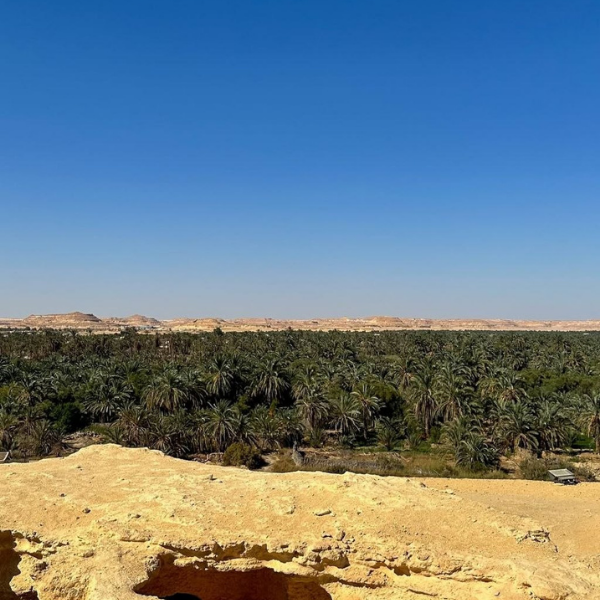
Instead of focusing only on burial chambers, you begin to see across the surrounding oasis.

Palm groves spread below.

Siwa’s settlements appear in the distance.

Beyond them lies the open desert.

That panorama is one of the unexpected highlights of the visit.

The View From the Mountain of the Dead

Even travelers who are less interested in archaeology can appreciate the viewpoint.

The hill’s elevation provides a broad perspective over Siwa.

You can see the contrast that defines the oasis:

green palms surrounded by desert.

This makes Gebel Al-Mawta particularly good for photographers.

Try to capture:

  • Tomb entrances in the foreground
  • Palm groves below
  • Desert beyond
  • Siwa buildings
  • Layers of light and shadow

The site works especially well when the sun is not directly overhead.

Best Time of Day to Visit

For most travelers, morning is the best option.

Reasons include:

  • Cooler temperatures
  • Softer light
  • Easier walking
  • More comfortable tomb exploration
  • Plenty of time for other attractions afterward

Later afternoon can also provide attractive light, but remember the official closing schedule.

The Ministry currently lists the site as open 8:00 AM to 5:00 PM, with the last entry one hour before closing. Ramadan opening is currently listed as 9:00 AM to 4:00 PM.

Check again before traveling because official hours can change.

How Long Do You Need at the Mountain of the Dead?

Most visitors should allow around 1 to 2 hours.

That gives enough time to:

  • Walk through the site
  • Visit important accessible tombs
  • Listen to historical explanations
  • Take photographs
  • Enjoy the viewpoint

History enthusiasts may want longer.

Travelers on a short Siwa itinerary may spend closer to an hour before continuing to the Temple of the Oracle or Cleopatra’s Spring.

You do not need to dedicate an entire day.

How Difficult Is the Visit?

The site involves walking on:

  • Rocky surfaces
  • Slopes
  • Uneven ground
  • Steps or rough paths

You do not need advanced hiking fitness.

However, visitors with mobility limitations should expect the terrain to be less convenient than a modern museum.

Wear proper shoes.

Avoid slippery sandals.

And move carefully around ancient structures.

What Should You Wear?

For Gebel Al-Mawta, prioritize comfort over fashion.

Good choices include:

  • Lightweight clothing
  • Comfortable walking shoes
  • Hat
  • Sunglasses
  • Sunscreen

During cooler months, a light jacket may be useful early in the morning.

There is little shade on exposed sections of the hill, so sun protection matters even when temperatures feel pleasant.

For your full packing list, read What to Pack for Siwa Oasis Egypt.

Can You Take Photos Inside the Tombs?

Photography rules at archaeological sites can change depending on location, conservation policy, equipment, and permits.

Do not assume that flash or unrestricted photography is allowed inside painted tombs.

Flash can contribute to conservation problems and may be prohibited.

Follow instructions from site staff.

For professional equipment, tripods, or commercial photography, check current Ministry of Tourism and Antiquities rules before visiting.

The Ministry maintains separate services for photography permits at archaeological sites.

Do Not Touch the Tomb Paintings

This should be obvious, but ancient wall paintings are extremely vulnerable.

Never:

  • Touch paintings
  • Lean against decorated surfaces
  • Scratch rock
  • Remove material
  • Use flash where prohibited

These tombs have survived for centuries.

Visitors should not become part of the damage.

Is the Mountain of the Dead Safe to Visit?

For normal visitors, this is an established archaeological attraction open to the public.

The biggest practical concerns are generally:

  • Heat
  • Sun exposure
  • Uneven surfaces
  • Slopes
  • Staying inside permitted areas

Follow site staff and guide instructions.

Do not enter closed tombs or chambers simply because an opening looks accessible.

For broader travel planning, see our Is Siwa Oasis Safe for Tourists? guide.

How to Get to the Mountain of the Dead

Gebel Al-Mawta lies close to Siwa and is relatively easy to incorporate into a sightseeing day.

Visitors commonly reach it by:

  • Private car
  • Local vehicle
  • Tuk-tuk
  • Organized tour

Because the site is near several other Siwa attractions, there is little reason to arrange an entire standalone excursion unless you’re particularly interested in archaeology.

A private sightseeing itinerary makes logistics easiest.

Can You Visit the Mountain of the Dead Independently?

Yes, but having a guide can significantly improve the experience.

Without context, you may see:

rock.

doorway.

painting.

another doorway.

With explanation, those spaces become part of a much larger story about religion, death, history, and oasis society.

The site is exactly the kind of place where interpretation adds value.

Best Attractions to Combine With Gebel Al-Mawta

Several major Siwa attractions can be combined efficiently.

Temple of the Oracle

The obvious archaeological pairing.

The Temple of the Oracle is one of Siwa’s most historically significant attractions and is associated with the Oracle of Amun and Alexander the Great.

Visiting both sites creates a strong ancient Siwa day.

Cleopatra’s Spring

After walking through archaeological sites, a stop at Cleopatra’s Spring creates a completely different atmosphere.

You move from:

tombs → palms → spring water → cafés

That variety makes the day more enjoyable.

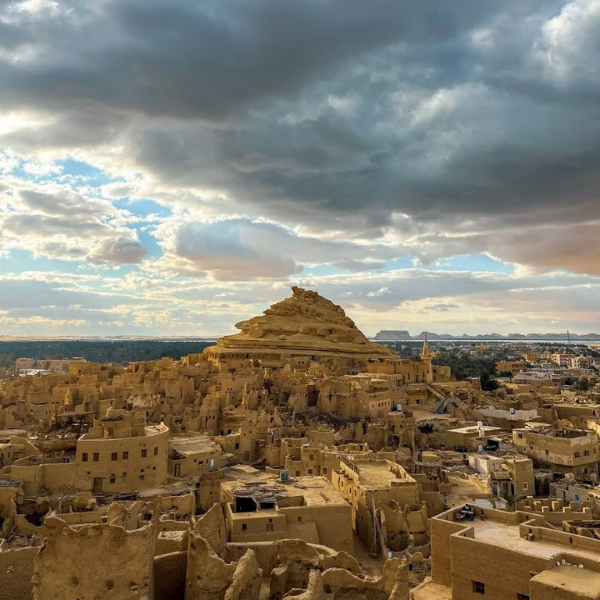
Shali Fortress

Shali Fortress represents a later chapter in Siwa’s history.

Gebel Al-Mawta takes you into antiquity.

Shali takes you into traditional Siwan architecture and settlement history.

Both are worth seeing.

Siwa Salt Lakes

After a history-heavy morning, the Siwa Salt Lakes offer natural scenery and one of the oasis’s most distinctive experiences.

This can create a balanced day:

History in the morning → nature and swimming in the afternoon.

Fatnas Island

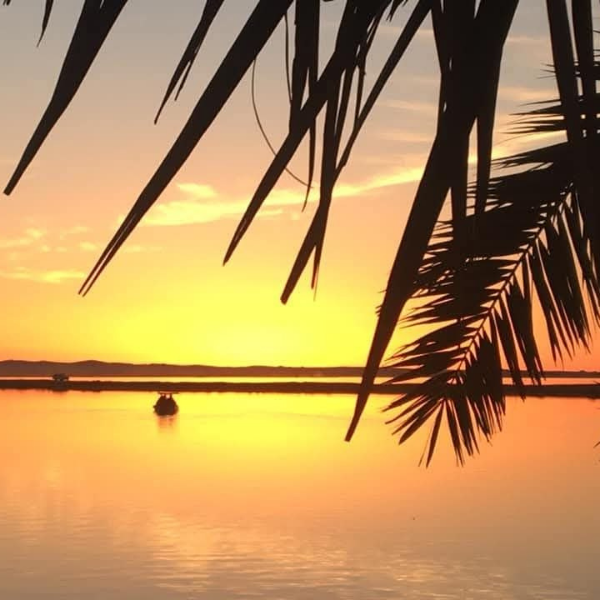
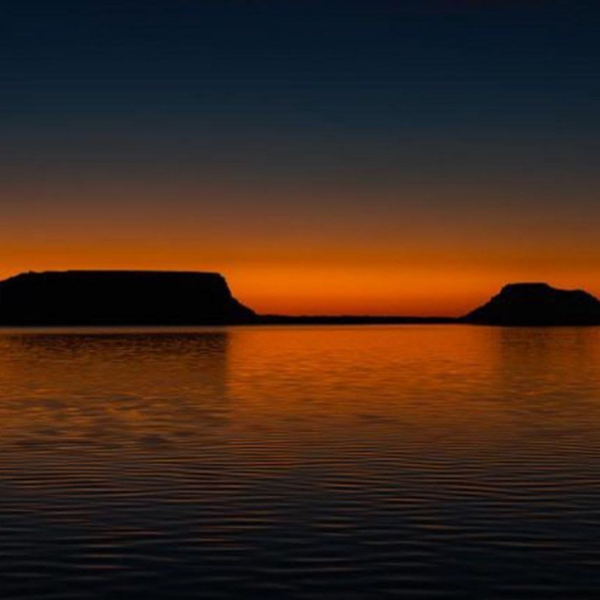
Finish the day at Fatnas Island Siwa Oasis for sunset.

That creates a full itinerary without repeating the same type of experience.

Best Half-Day Ancient Siwa Itinerary

A good archaeology-focused half day could look like:

8:00 AM – Mountain of the Dead

Explore the principal tombs and viewpoint.

10:00 AM – Temple of the Oracle

Continue to Aghurmi.

11:30 AM – Cleopatra’s Spring

Relax and take a break.

1:00 PM – Lunch

Return toward central Siwa.

This works particularly well in cooler months.

Best Full-Day Siwa Itinerary With Gebel Al-Mawta

For a more complete day:

Morning

Mountain of the Dead.

Late Morning

Temple of the Oracle.

Midday

Cleopatra’s Spring.

Lunch

Siwa town.

Afternoon

Salt Lakes.

Sunset

Fatnas Island.

This itinerary combines:

archaeology + history + spring + salt lakes + sunset.

That’s much more interesting than spending an entire day moving between similar historical sites.

Is the Mountain of the Dead Included in Siwa Tours?

Yes, it appears in several Siwa itineraries.

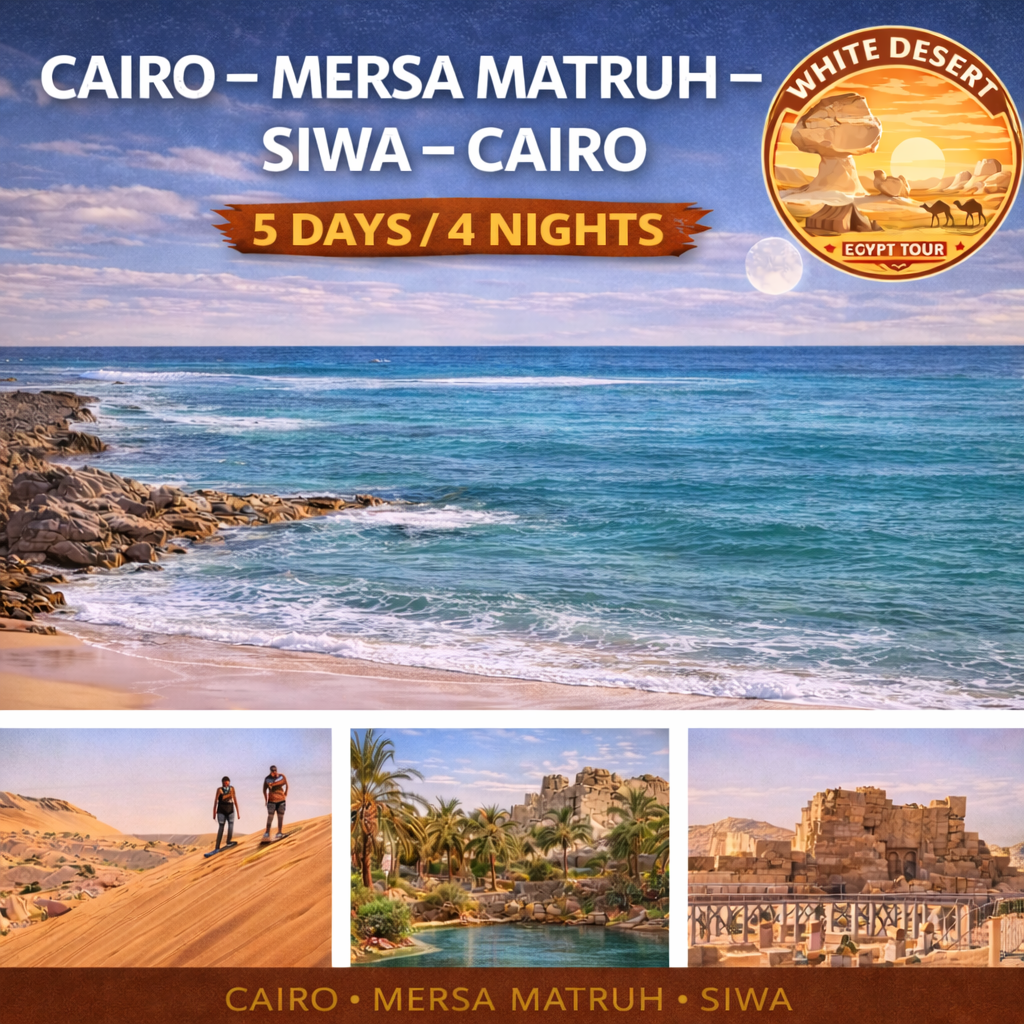
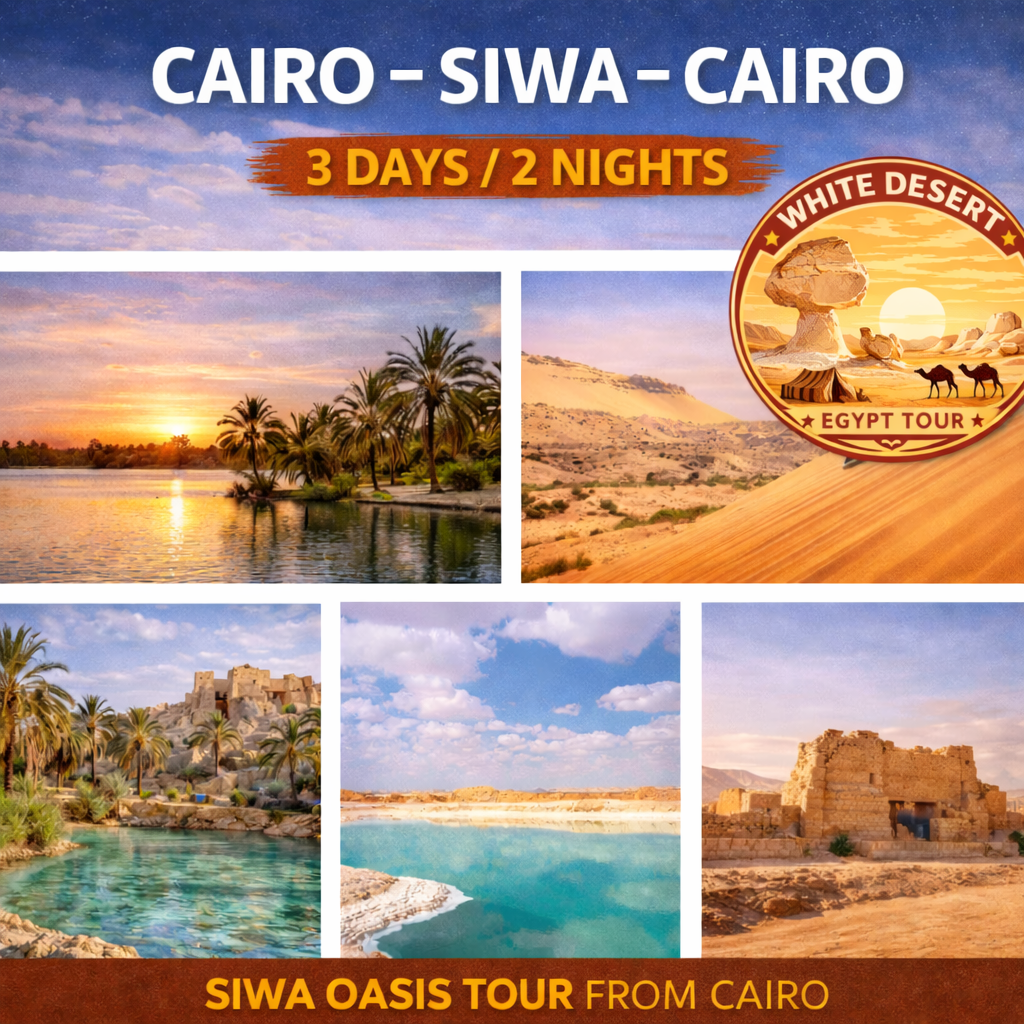
Your current 3 Days Siwa Oasis Tour From Cairo includes the Mountain of the Dead among the Siwa highlights, making this article a particularly strong internal SEO link to that tour.

This is exactly the kind of informational article that can lead naturally toward booking.

Someone searches:

“Mountain of the Dead Siwa”

then learns:

  • what it is,
  • how long it takes,
  • what else is nearby,

and realizes it makes sense to explore everything through an organized multi-day Siwa itinerary.

Is 3 Days Enough to See the Mountain of the Dead?

Yes.

A three-day Siwa trip can comfortably include Gebel Al-Mawta alongside major historical and natural attractions.

Read our 3 Days Siwa Oasis Tour From Cairo Guide for the complete planning picture.

Because the mountain itself requires only a portion of a day, it fits naturally into shorter itineraries.

Is 5 Days Better?

Five days gives you more breathing room.

With a longer trip, you can spend time on:

  • Archaeological sites
  • Salt lakes
  • Springs
  • Great Sand Sea
  • Sunset locations
  • Palm groves
  • Local culture

without stacking too many attractions into each day.

Explore the 5 Days Siwa Oasis Tour From Cairo if you prefer a slower itinerary.

You can also compare durations in 3 Days vs 5 Days Siwa Oasis Tour.

Mountain of the Dead vs Temple of the Oracle

Which is better?

Wrong question.

They are complementary.

Choose Mountain of the Dead if you’re especially interested in:

  • Tombs
  • Funerary art
  • Burial practices
  • Painted chambers
  • Oasis views

Choose Temple of the Oracle if you’re especially interested in:

  • Alexander the Great
  • Ancient religious prophecy
  • Temple architecture
  • The cult of Amun

If you like history, visit both.

They’re two chapters of the same ancient Siwa story.

Mountain of the Dead vs Shali Fortress

Again, completely different periods.

Gebel Al-Mawta

Ancient cemetery.

Egyptian and later funerary traditions.

Rock-cut tombs.

Painted walls.

Shali Fortress

Traditional Siwan settlement.

Earthen architecture.

Historic town landscape.

Panoramic views.

Visiting both helps show how Siwa changed across time.

Is Gebel Al-Mawta Good for Photography?

Absolutely.

You have two main photography opportunities.

Archaeological Photography

Tomb entrances, rock surfaces, architecture, and permitted interior details.

Landscape Photography

From higher sections, photograph:

  • Palm groves
  • Oasis settlement
  • Desert
  • Horizon

The contrast between tomb entrances and living palm groves below creates especially strong compositions.

Best Light for Photography

Morning and late afternoon generally provide softer shadows than midday.

Morning is usually more practical because:

  • The site is cooler.
  • You have more time.
  • The official closing time is not a concern.
  • You can continue sightseeing afterward.

If you are photographing tomb interiors, remember that conservation rules matter more than the photograph.

Never use prohibited lighting simply to get a better shot.

Mountain of the Dead for Families

Gebel Al-Mawta can be surprisingly good for families with school-age children.

Ancient tombs can feel more tangible than abstract archaeological ruins.

Children can understand simple questions:

Who was buried here?

Why did people paint the walls?

Why did ancient Egyptians care about the afterlife?

The elevated views also provide variety after spending time inside burial chambers.

Parents should supervise children carefully because the terrain contains slopes and ancient openings.

For full family planning, read Siwa Oasis Tour for Families.

Mountain of the Dead for Couples

Couples interested in history can easily include the site in a wider day combining archaeology and sunset.

A good route:

Gebel Al-Mawta → Oracle Temple → Cleopatra’s Spring → Lunch → Salt Lakes → Fatnas Sunset

This is one of the most varied Siwa days you can plan.

For a complete couple-focused trip, see Siwa Oasis for Couples.

Mountain of the Dead for Solo Travelers

Solo travelers can visit the site independently, but a local guide is especially worthwhile if you want to understand the tomb art and burial history.

If you’re staying near central Siwa, organizing transportation is relatively straightforward.

Our Where to Stay in Siwa Oasis guide explains the advantages of choosing a central base for first-time visitors.

Best Time of Year to Visit

The cooler months are generally better for archaeological sightseeing.

You’re walking on an exposed hill with limited shade.

Hot summer temperatures can make the same short climb feel significantly harder.

Autumn, winter, and spring generally provide more comfortable conditions.

For seasonal planning, read our Best Time to Visit Siwa Oasis Egypt.

What Else Should History Lovers See in Siwa?

If Gebel Al-Mawta interests you, build an archaeology-focused Siwa route around it.

Do not miss:

Temple of the Oracle

The most famous ancient religious site in Siwa.

Temple of Umm Ubayd

Another important remnant of the ancient religious landscape.

Shali Fortress

For later Siwan architectural history.

Traditional Siwan Culture

For understanding that Siwa is not simply an archaeological site but a living community.

The best Siwa trip connects all these periods rather than treating each attraction in isolation.

What Else Should Nature Lovers See?

If you’re less interested in archaeology, don’t skip Gebel Al-Mawta automatically.

The visit is short enough to combine with nature-focused experiences.

Afterward, explore:

  • Salt Lakes
  • Great Sand Sea
  • Fatnas Island
  • Palm groves
  • Natural springs

Read our Siwa Oasis Desert Safari guide for the Great Sand Sea side of the destination.

Can You Combine the Mountain of the Dead With the Great Sand Sea?

Yes, although a full Great Sand Sea safari deserves its own substantial block of time.

A possible plan:

Morning: Gebel Al-Mawta + Oracle Temple
Midday: Lunch and rest
Afternoon: Great Sand Sea safari
Sunset: Dunes

This creates a fascinating contrast.

Morning: ancient tombs.

Afternoon: enormous dunes.

That’s Siwa in one day.

How to Plan Your Visit Efficiently

The biggest mistake travelers make in Siwa is moving randomly between attractions without considering geography or timing.

Group similar locations together.

For Gebel Al-Mawta, pair it with the historical sites first.

Then move toward nature.

This minimizes wasted driving and makes the story of the day easier to understand.

Our complete Siwa Oasis Itinerary can help organize the larger trip.

Current Opening Hours

As of the latest official Ministry of Tourism and Antiquities listing, the Mountain of the Dead is open:

8:00 AM–5:00 PM

The ministry advises that the last admission is one hour before closing.

Current Ramadan hours are listed as:

9:00 AM–4:00 PM.

Because opening schedules and ticket prices can change, verify the official information close to your travel date.

Egyptian Ministry of Tourism and Antiquities – Mountain of the Dead official page

How Much Does It Cost?

Entrance fees can change, and international and Egyptian visitor rates may differ.

Rather than publishing an old price that becomes inaccurate, check the official Ministry of Tourism and Antiquities ticketing information close to your trip.

This also improves the long-term usefulness of the article.

Static travel prices age badly.

The archaeological site does not.

Do You Need a Guide?

You can physically visit without needing a guide to walk you up the hill.

But I strongly recommend one for history-focused travelers.

A good local guide can explain:

  • Which tomb you’re looking at
  • Religious scenes
  • Historical periods
  • Egyptian versus later influences
  • Why the cemetery mattered
  • How the site connects with the Oracle Temple

Without that explanation, important details become easy to miss.

Common Mistakes When Visiting Gebel Al-Mawta

Arriving Too Late

Official last entry is currently one hour before closing.

Wearing Poor Footwear

The terrain is uneven.

Treating It as Only a Viewpoint

The tombs are the real historical importance.

Skipping the Oracle Temple

The two sites help explain ancient Siwa together.

Touching Painted Surfaces

Never do this.

Rushing Through in 15 Minutes

Give yourself enough time to understand what you’re seeing.

Expecting a Luxor-Sized Complex

This is a smaller oasis necropolis, and that’s part of its appeal.

Why Gebel Al-Mawta Belongs on Your Siwa Itinerary

Siwa is famous today for:

  • Salt Lakes
  • Desert safari
  • Springs
  • Sunsets
  • Palm trees

Those attractions are fantastic.

But if you only experience Siwa’s landscapes, you miss part of what makes the oasis special.

People have lived here for centuries.

They built temples.

Created settlements.

Buried their dead.

Developed local culture.

Interacted with Egypt and the Mediterranean world.

The Mountain of the Dead connects today’s beautiful oasis with that much deeper history.

Book a Siwa Tour Including the Mountain of the Dead

If you want the historical sites, natural attractions, and Great Sand Sea organized into one journey, a multi-day tour is the easiest option.

The 3 Days Siwa Oasis Tour From Cairo is particularly relevant for travelers with limited time and includes major Siwa historical attractions.

For a slower itinerary with more time to explore and relax, see the 5 Days Siwa Oasis Tour From Cairo.

You can also compare different options in our Best Siwa Oasis Tours From Cairo guide.

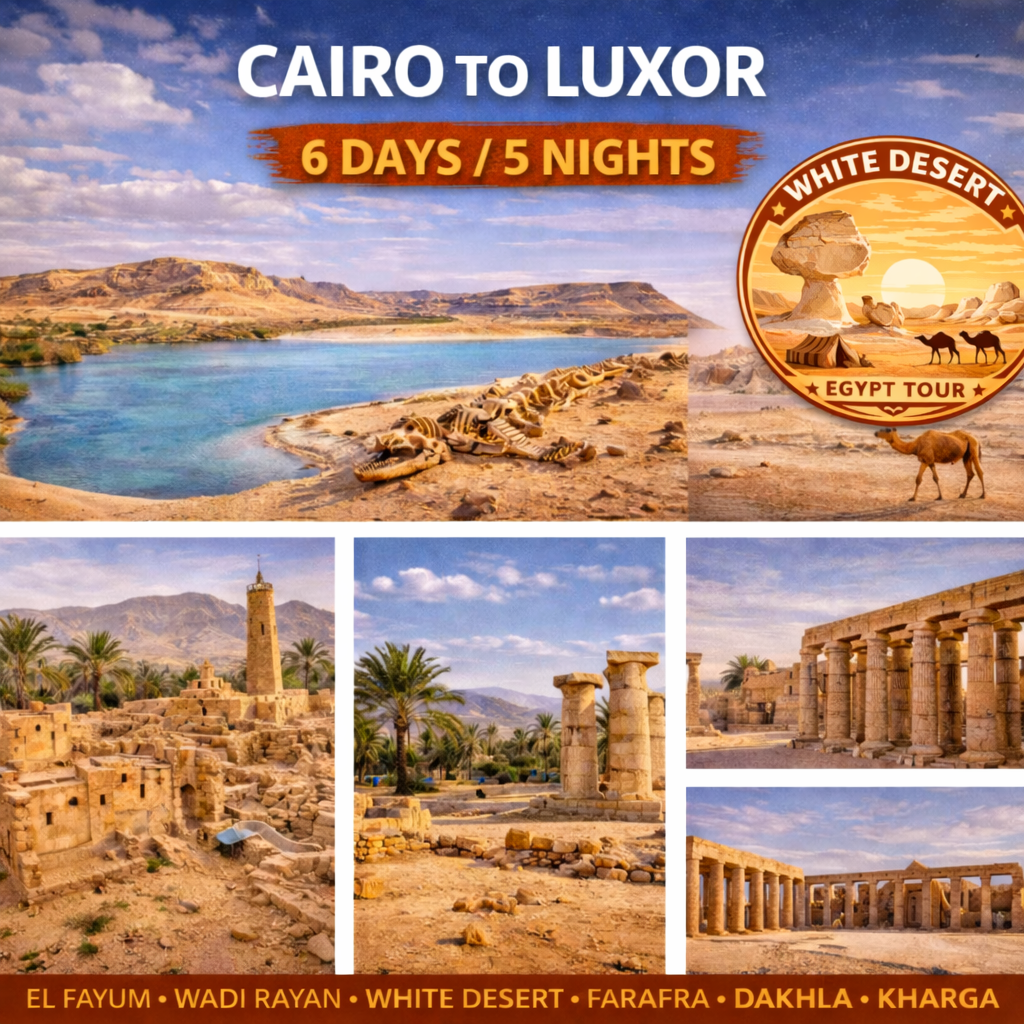
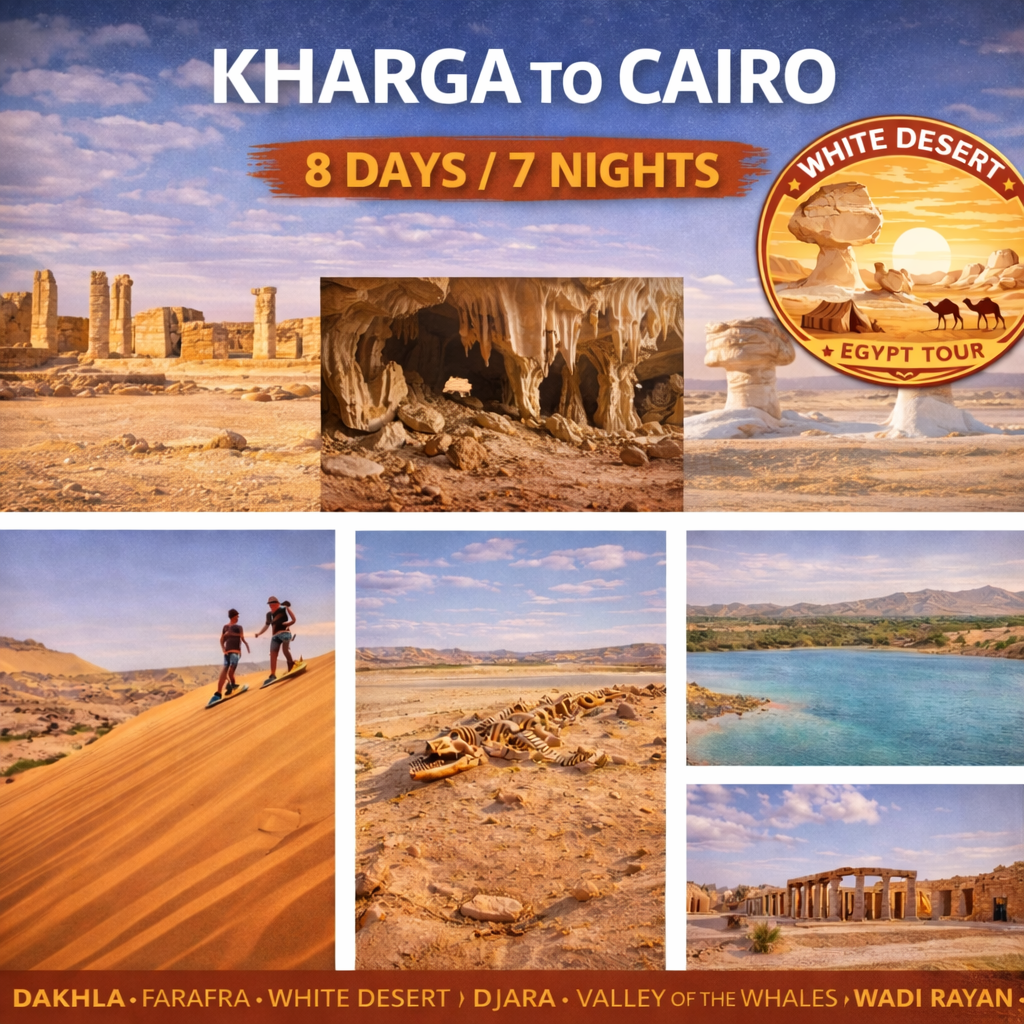
Combine Siwa With the White Desert

For travelers with more time, Siwa can form one half of a larger Western Desert journey.

Siwa provides:

  • Mountain of the Dead
  • Oracle Temple
  • Salt Lakes
  • Shali Fortress
  • Great Sand Sea
  • Fatnas
  • Springs

The White Desert adds:

  • Bahariya Oasis
  • Black Desert
  • Crystal Mountain
  • Valley of Agabat
  • Chalk formations
  • Camping

These are very different environments, which makes combining them more interesting than simply extending the same style of safari for a week.

Read our Siwa Oasis and White Desert Tour guide.

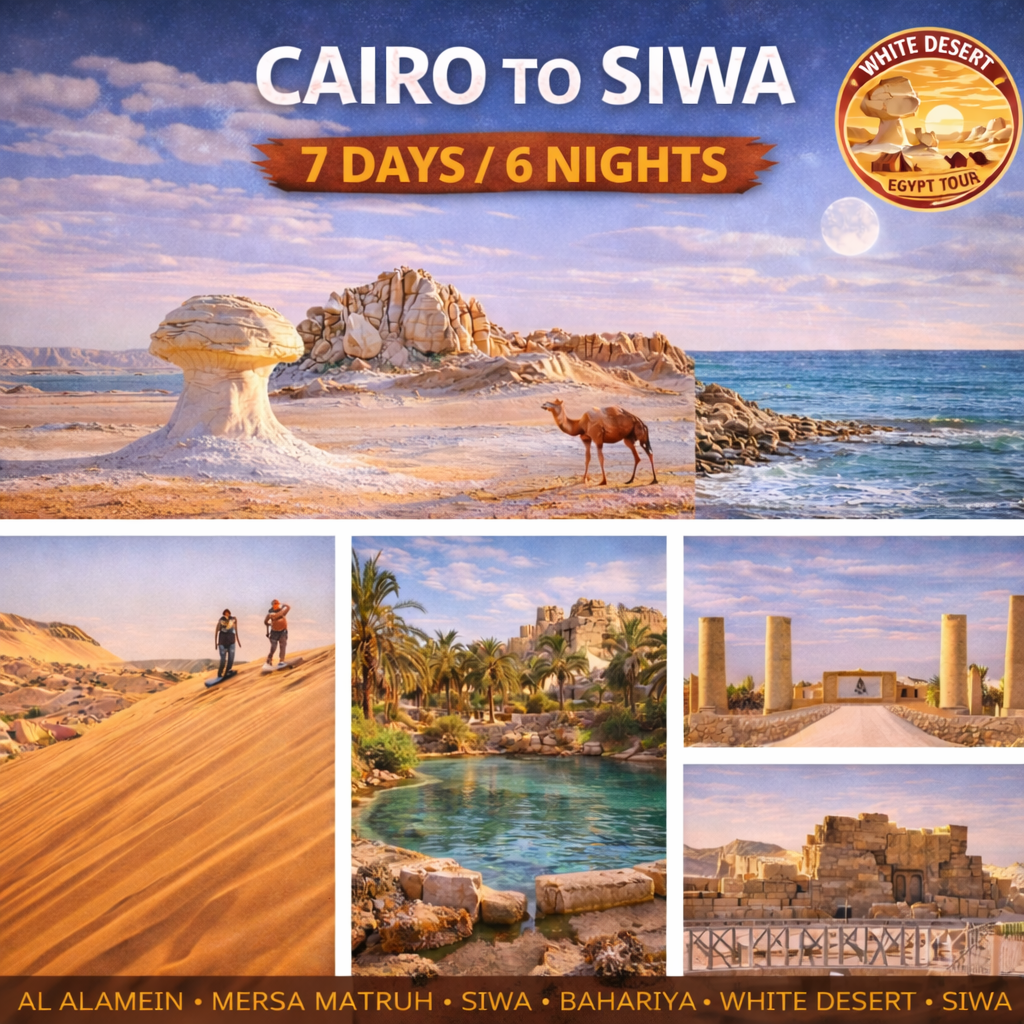
For a complete trip, explore the 7 Days Siwa and White Desert Tour From Cairo.

Final Thoughts: Is the Mountain of the Dead Worth Visiting?

Yes.

The Mountain of the Dead is one of those attractions that becomes more impressive when you understand what you’re looking at.

At first glance:

a rocky hill.

Then you notice the openings.

The chambers.

Painted walls.

Ancient religious scenes.

Thousands of burials beneath and around you.

And suddenly the hill becomes a record of centuries of Siwan life and death.

The Ministry of Tourism and Antiquities describes Gebel Al-Mawta as the principal ancient necropolis of Siwa and notes that burial activity stretched from the 26th Dynasty through the late Roman or Byzantine period. Its four major painted tombs—especially Si Amun—make it one of the oasis’s most important archaeological sites.

Visit early.

Wear good shoes.

Take time inside the important tombs.

Look at the paintings carefully.

Then climb high enough to see the palm groves below.

That view tells the story better than almost anything else:

an ancient cemetery rising above a living oasis in the middle of Egypt’s Western Desert.

For the rest of your journey, continue with our Temple of the Oracle Siwa, Shali Fortress Siwa, and Siwa Oasis Itinerary.

White Desert Egypt Tour TripAdvisor reviews

star ratingAn Unforgettable Desert Experience (Private Tour) - With my wife, we spent three days and two nights exploring the Egyptian desert with our wonderful guide Mohamed, visiting the White Desert, Black Desert, and Crystal Mountains.

Mohamed... read more

avatar thumb gi0vannimattiab
October 3, 2026

star ratingWhere Silence Speaks: Six days as a solo traveller - Surrounded by endless dunes, fascinating rock formations and a sky full of stars, my trip to the Black and White Desert was the perfect escape from everyday life.
I... read more

avatar thumb Meret G
October 26, 2026

star ratingHighly recommended! - We had a great time with Mohammed and his compagnon. The welcome was very warm and we had a great lunch at the house before going to the desert. Nothing... read more

avatar thumb 136michellez
October 14, 2026
Mountain of the Dead Siwa Oasis FAQ

Frequently Asked Questions About the Mountain of the Dead in Siwa Oasis

Everything you need to know about visiting Gebel Al-Mawta in Siwa Oasis, including its ancient tombs, history, famous burial chambers, photography, nearby attractions and Siwa tour itineraries.

The Mountain of the Dead, also known as Gebel Al-Mawta, is an ancient necropolis in Siwa Oasis containing thousands of rock-cut tombs. The cemetery was used across several historical periods and is one of Siwa’s most important archaeological attractions.

The Mountain of the Dead is located in Siwa Oasis, around a short distance from the main town area. It is easy to combine with other attractions such as the Temple of the Oracle, Cleopatra’s Spring, and Shali Fortress.

Gebel Al-Mawta means “Mountain of the Dead” in Arabic. The name refers to the large number of ancient tombs carved into the hill.

The earliest known tombs at Gebel Al-Mawta date to Egypt’s 26th Dynasty, and the cemetery continued to be used through later Roman and Byzantine periods.

It is important because it preserves ancient burial chambers, funerary art, religious scenes, and evidence of Siwa’s connections with wider Egyptian and Greco-Roman culture.

The site contains thousands of tombs carved into the hill. Not all of them are open or suitable for public access, so visitors usually focus on the most important preserved examples.

The most famous tombs include the Tomb of Si Amun, the Crocodile Tomb, the Tomb of Mesu-Isis, and the Tomb of Pa-Thoth.

The Tomb of Si Amun is one of the best-preserved and most important tombs at the Mountain of the Dead. It is especially famous for its colorful wall paintings and funerary scenes connected with ancient Egyptian beliefs about the afterlife.

It is considered one of the artistic highlights of the site because of its detailed decoration and mixture of Egyptian funerary traditions with broader cultural influences.

The Crocodile Tomb is another famous burial chamber at Gebel Al-Mawta. It takes its modern name from painted crocodile imagery found inside the tomb.

Visitors can enter selected tombs that are open to the public, but access may change depending on conservation requirements and local site management.

No. Many tombs are closed, damaged, inaccessible, or protected for conservation reasons. Visitors should only enter tombs officially open to the public.

Most travelers need around 1 to 2 hours to explore the main tombs, enjoy the views, and understand the site's history.

Yes. It is one of the best archaeological attractions in Siwa for travelers interested in ancient history, tombs, funerary art, and panoramic views over the oasis.

The official opening schedule can change. The Egyptian Ministry of Tourism and Antiquities currently lists regular daytime opening hours with last admission before closing, so travelers should verify the latest schedule before visiting.

Yes, an entrance fee may apply. Ticket prices can change, and Egyptian and foreign visitor rates may differ, so check the latest official information close to your travel date.

Morning is usually the best time because temperatures are cooler, the light is softer, and you can continue to other Siwa attractions afterward.

The cooler months from autumn through spring are generally the most comfortable for walking around the exposed hill and exploring the tombs.

The site is not a major hike, but it includes uneven rocky surfaces, slopes, and rough paths. Comfortable walking shoes are recommended.

Yes. Families with school-age children may especially enjoy the tombs and stories about ancient Egyptian beliefs. Parents should supervise children carefully around slopes and ancient openings.

It depends on mobility and comfort with uneven terrain. Travelers with knee, balance, or mobility issues should move slowly and ask their guide about the easiest route.

Yes, but a guide can significantly improve the experience by explaining the tomb paintings, burial customs, chronology, and connections between the different historical periods.

Photography rules can vary, especially inside painted tombs. Visitors should follow current site instructions and avoid flash or professional equipment where prohibited.

Do not assume flash is allowed. Flash may be restricted because ancient painted surfaces are sensitive and require conservation.

No. Visitors should never touch painted walls, inscriptions, or ancient surfaces. Even light contact can cause long-term damage.

Yes. The two attractions can be easily combined in the same historical sightseeing day.

Read our Temple of the Oracle Siwa Guide for more information.

The Mountain of the Dead is an ancient cemetery with rock-cut tombs and funerary art, while the Temple of the Oracle was a religious sanctuary associated with the Oracle of Amun and Alexander the Great.

Yes. They combine very well. Many visitors explore archaeological sites in the morning and then stop at Cleopatra’s Spring for a more relaxed experience.

Yes. A good itinerary is to visit the Mountain of the Dead and Oracle Temple in the morning, then visit the Siwa Salt Lakes later in the day.

Yes. A strong full-day Siwa itinerary can finish with sunset at Fatnas Island .

It is commonly included in multi-day Siwa itineraries. Always check the exact tour program before booking.

The 3 Days Siwa Oasis Tour From Cairo is one relevant option.

Yes. Because the site usually takes only one or two hours, it fits easily into a three-day itinerary alongside the Temple of the Oracle, salt lakes, Shali Fortress, and Great Sand Sea safari.

Yes. A five-day trip allows more time to explore archaeological sites without rushing and still enjoy natural attractions such as the salt lakes and Great Sand Sea.

See the 5 Days Siwa Oasis Tour From Cairo .

Yes. In addition to archaeological details, the hill offers panoramic views over palm groves, oasis settlements, and the surrounding desert.

Wear lightweight comfortable clothing, walking shoes, sunglasses, sunscreen, and a hat. During cooler months, a light layer can be useful in the morning.

Bring drinking water, sun protection, comfortable shoes, a phone or camera, a small amount of cash, and any personal medication you may need.

Shade is limited on exposed sections of the hill, so sun protection and water are important, especially during warmer months.

It is an established archaeological site open to visitors. The main practical risks are heat, sun exposure, uneven terrain, and entering areas that are not officially accessible.

Not directly in the same way as the Temple of the Oracle. Alexander the Great is mainly associated with the Oracle of Amun, while Gebel Al-Mawta is an ancient cemetery.

Yes. A common plan is to explore historical sites in the morning and take a Siwa Oasis Desert Safari later in the day.

Yes. Travelers with more time can combine Siwa with Bahariya Oasis, the Black Desert, Crystal Mountain, Valley of Agabat, and the White Desert.

The 7 Days Siwa and White Desert Tour From Cairo is one option for experiencing both regions in a single trip.

Leave a Comment

Your email address will not be published. Required fields are marked *